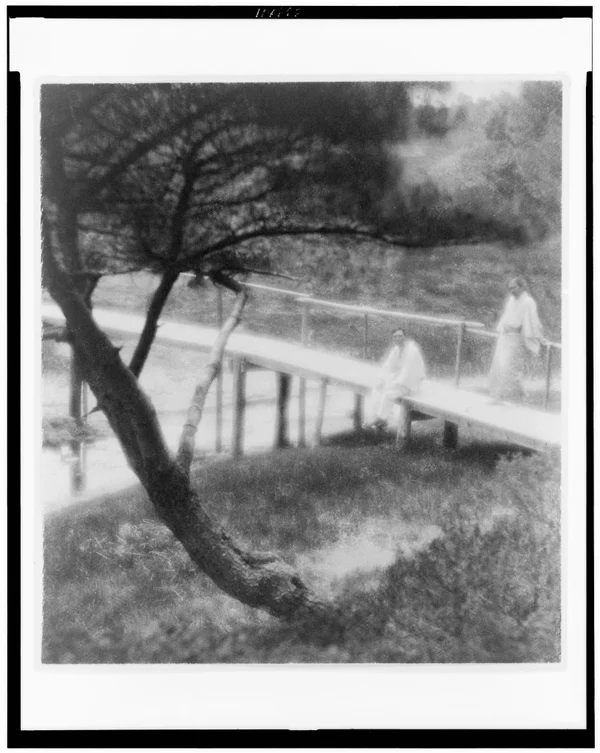
Nude
AKIUONSEN & ATSUKO
About: Akiuonsen and Atsuko are independent contributors who have shared a selection of personal photographs from the 1980s through Wikimedia Commons and the Internet Archive.
Explore their fascinating lives, and view their copyright-free contributions to vintage and classic nude photography.

–
Born in Wismar, Germany
Biography:
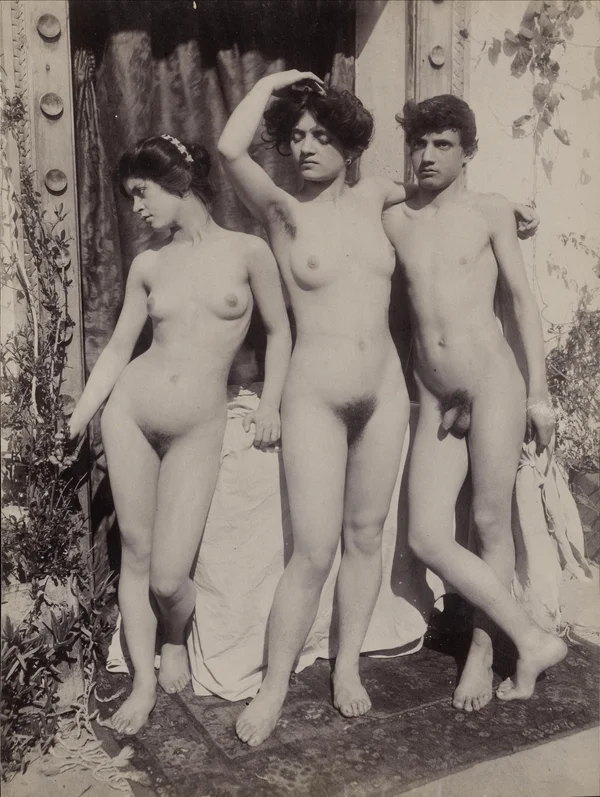
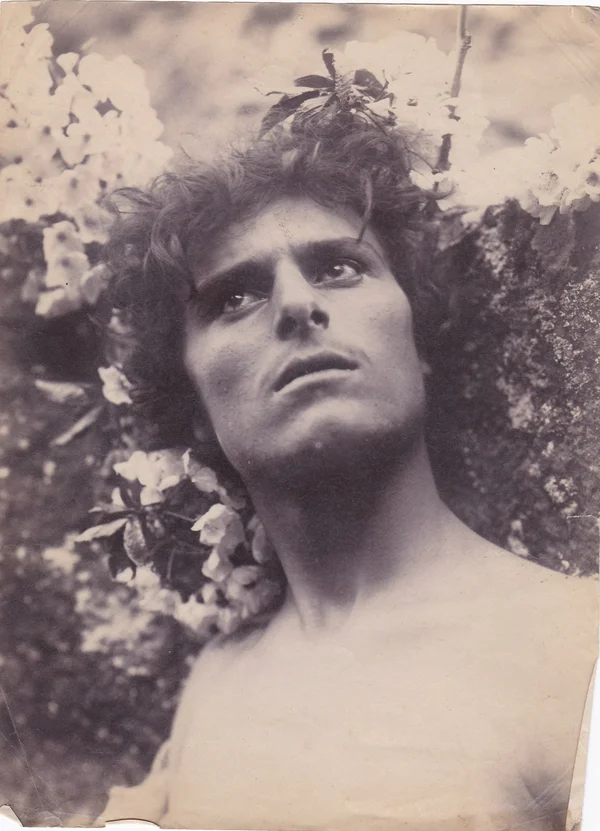
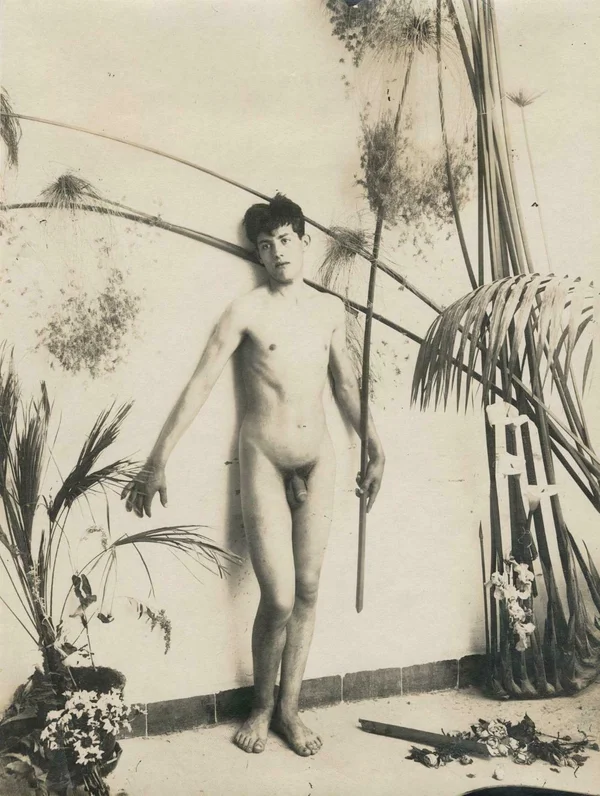
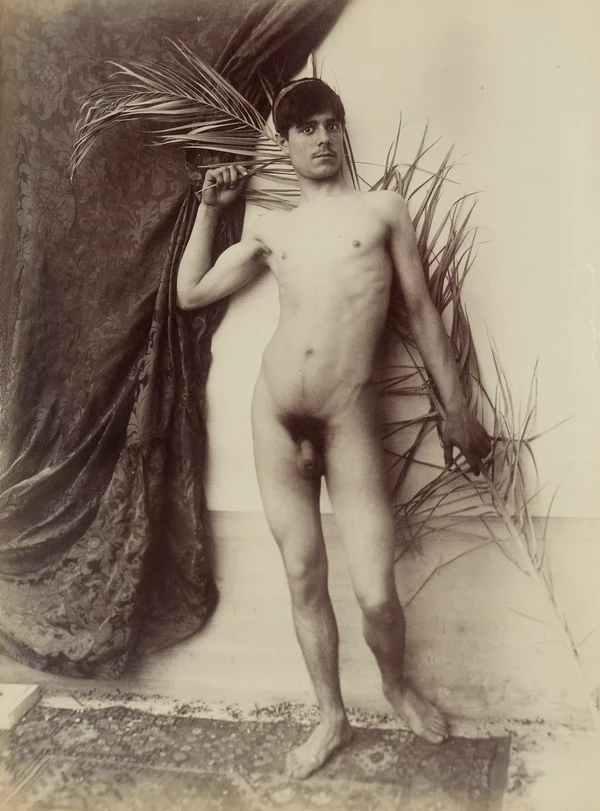
Wilhelm von Plüschow was a prominent German photographer known for his sophisticated studio-based nude photography. Operating primarily in Italy under the name "Guglielmo," his work stands as a cornerstone of late 19th-century aestheticism, blending classical art references with an intimate, psychologically direct portraiture style that remains a complex case study in the history of art and censorship.

–
Born in Highland Park, Illinois, USA
Biography:
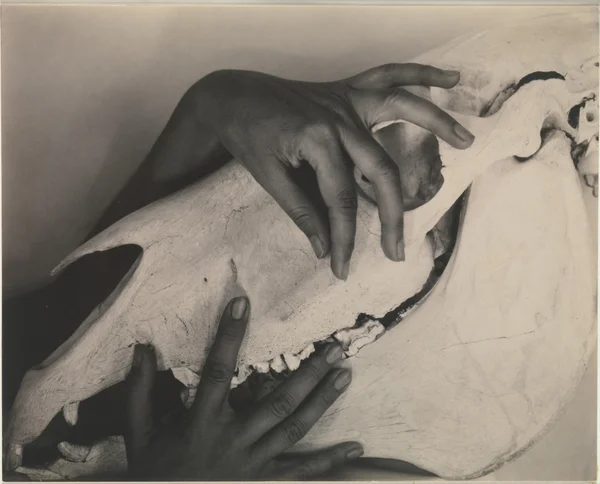
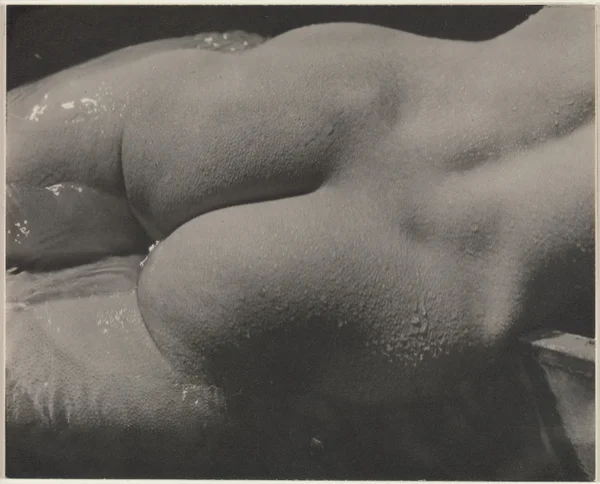
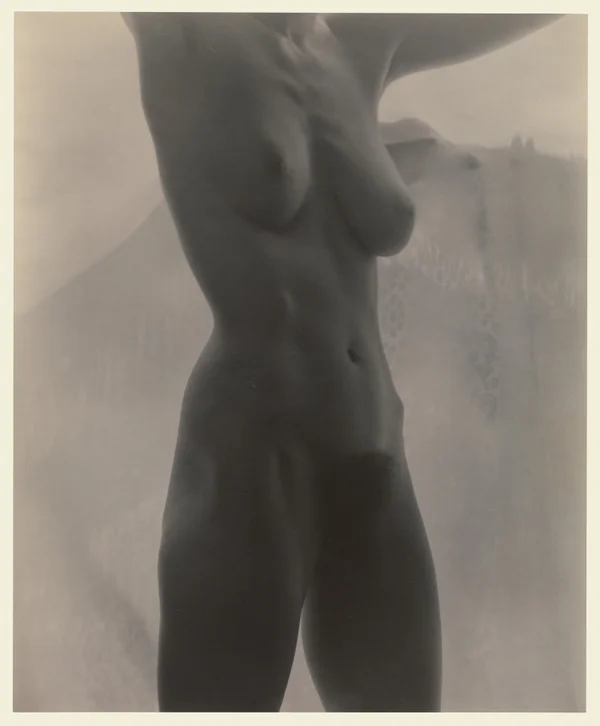
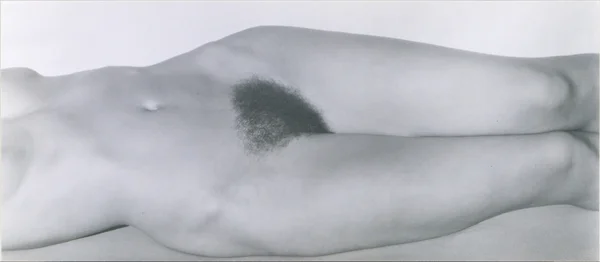
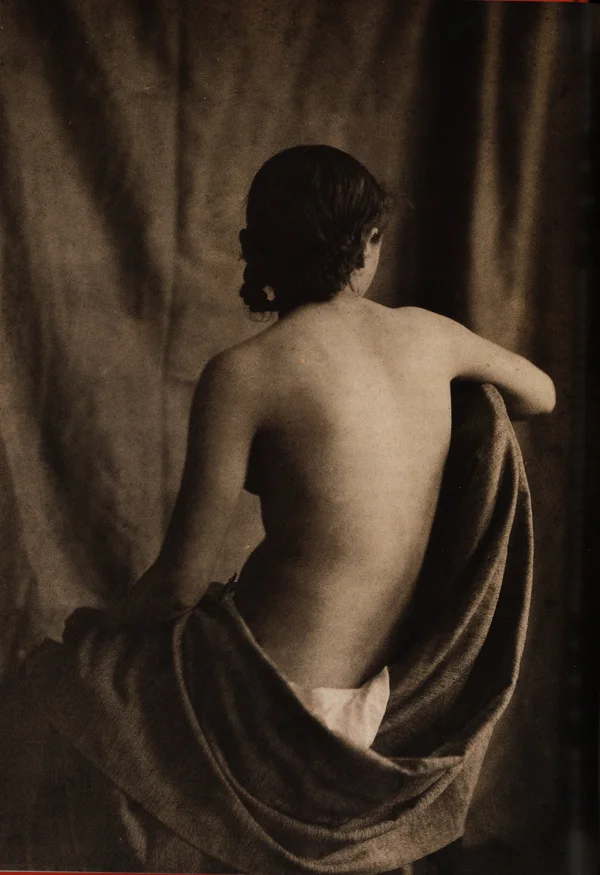
Edward Weston was a towering figure in 20th-century photography and a primary architect of Modernist photography. Known for his commitment to "Straight Photography," Weston rejected soft-focus styles in favor of extreme sharpness, deep clarity, and precise composition. As a founding member of Group f/64, he transformed organic objects, landscapes, and the human form into iconic, abstract sculptures, leaving an indelible mark on the history of fine art.

–
Born in Berlin, Germany
Biography:
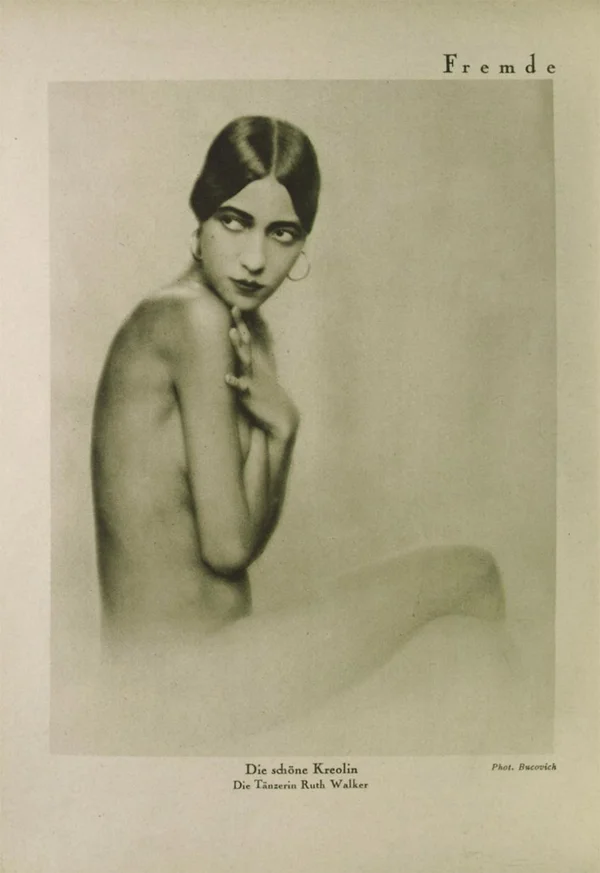
Mario von Bucovich was a pioneering photographer celebrated for his dynamic urban cityscapes and his ability to capture the "spirit" of the world’s major metropolises. His work serves as a vital bridge between the aestheticized imagery of the late 19th century and the Modernist documentary realism that defined the interwar period in Berlin, Paris, and New York.

–
Born in Wismar, Grand Duchy of Mecklenburg-Schwerin, Germany
Biography:
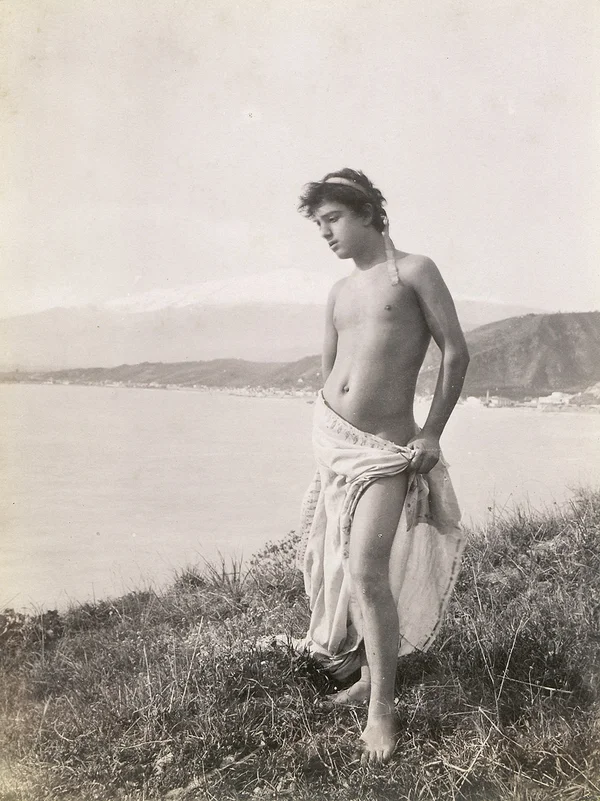
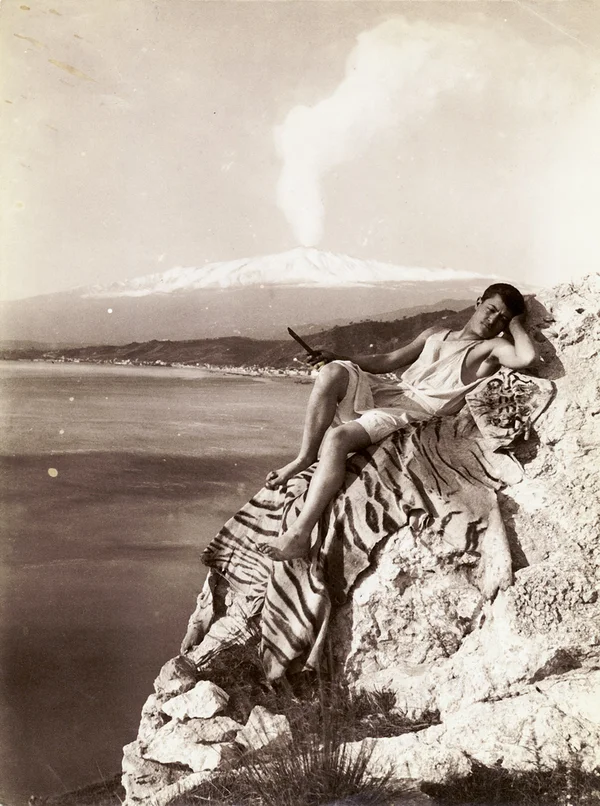
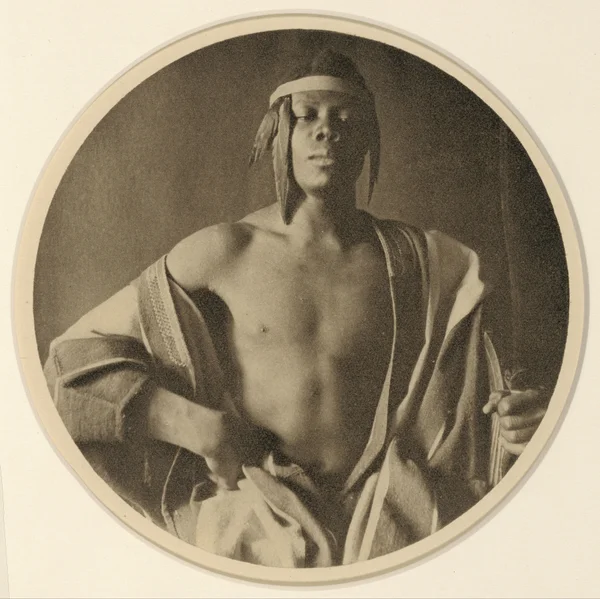
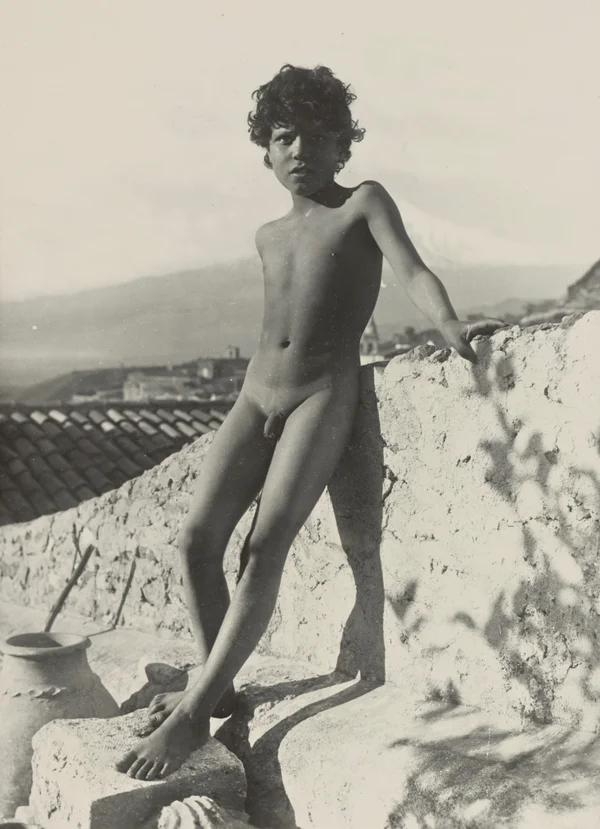
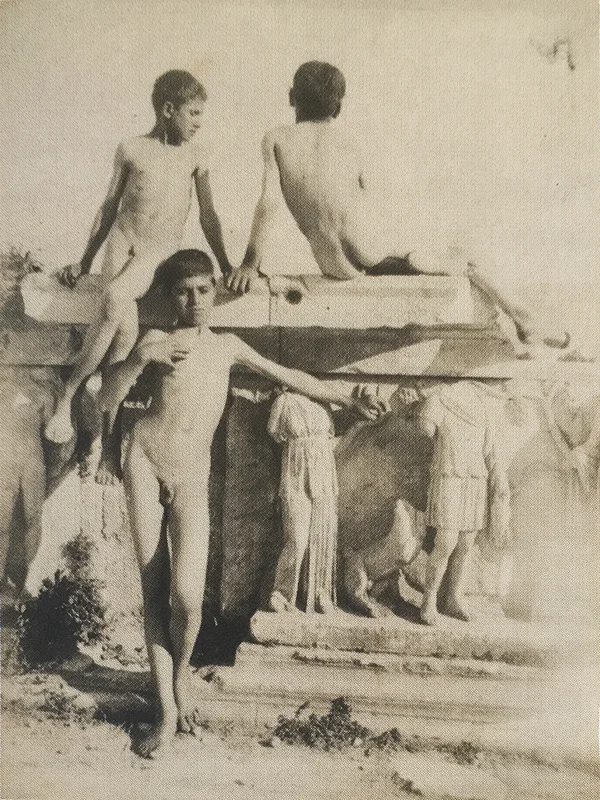
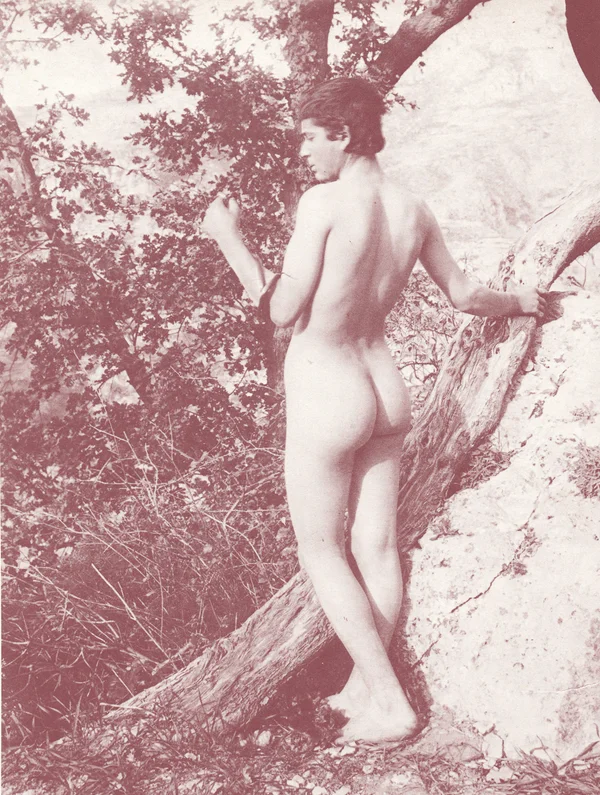
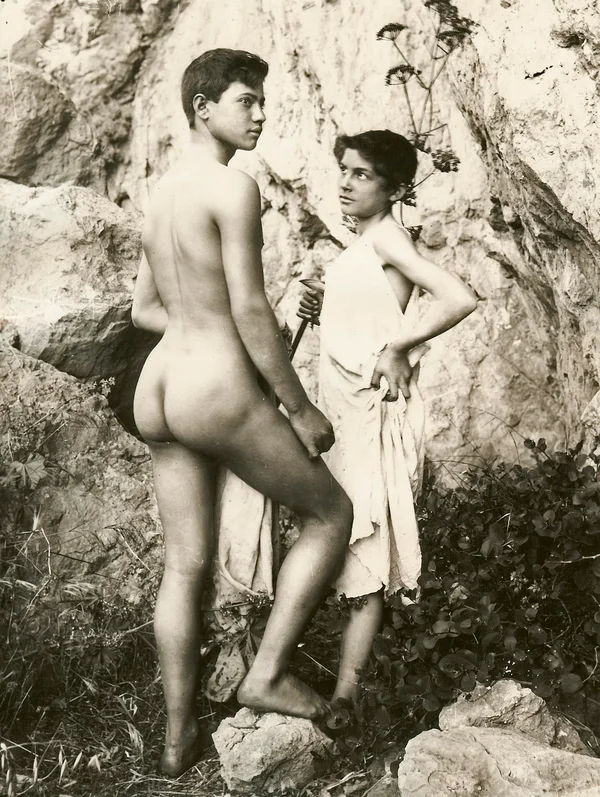
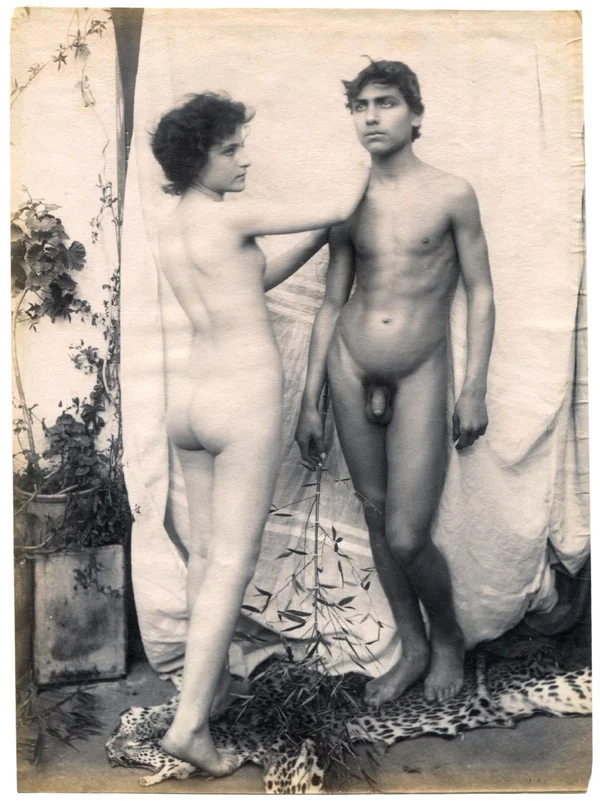
Baron Wilhelm von Gloeden was a German photographer celebrated for his evocative work in Taormina, Sicily. He is best known for his unique ability to fuse Classical Mediterranean themes with pictorialist photography, creating an artistic legacy that remains both highly influential and historically debated. His mastery of light and composition helped redefine the aesthetic possibilities of the nude study in the late 19th century.

–
Born in Nîmes, France
Biography:
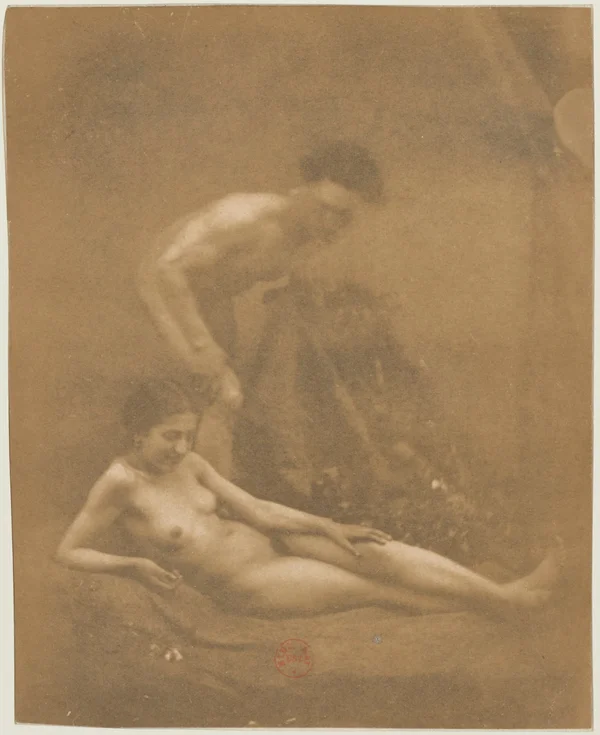
Eugène Durieu was a pioneering French photographer and intellectual who played a pivotal role in the institutionalization of photography as an academic discipline. He is most renowned for his groundbreaking collaboration with painter Eugène Delacroix, providing anatomical nude studies that bridged the divide between traditional fine art painting and the emerging medium of photographic documentation.

–
Born in Warren County, New York, USA
Biography:
Mathew Brady is widely recognized as the "Father of Photojournalism." His work during the 19th century fundamentally changed the role of the camera, shifting it from a tool for portraiture to an instrument of historical truth and public consciousness. By documenting the American Civil War on a massive scale, he established the concept of the photographic archive, ensuring the camera would forever be regarded as an objective witness to human history.

–
Born in Hoboken, New Jersey, USA
Biography:
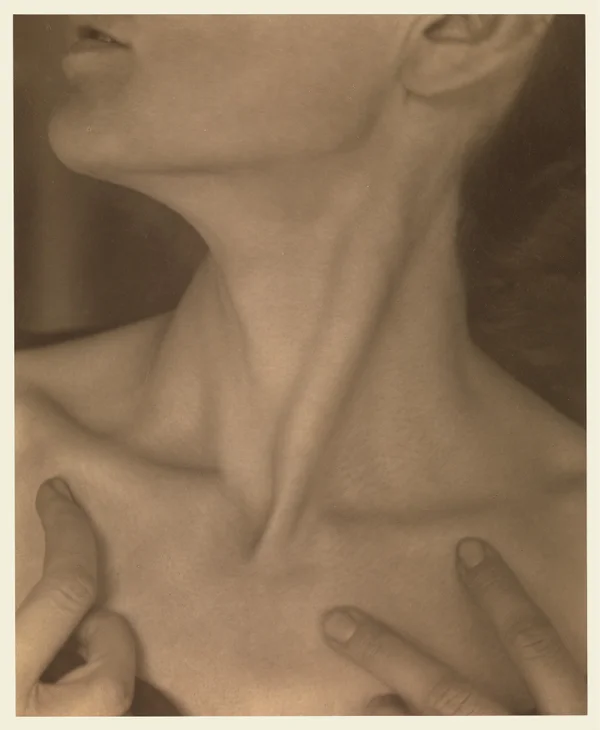
Alfred Stieglitz was a foundational American photographer and modern art promoter who was instrumental in transforming photography from a technical craft into a globally recognized fine art form. As the editor of Camera Work and the founder of the legendary '291' gallery, he bridged the gap between the European Avant-Garde and the American art scene, leaving a legacy that fundamentally shaped 20th-century Modernism.

–
Born in Paris, France
Biography:
Jane de La Vaudère was a formidable figure in the French Decadent movement, best known as a writer, poet, and avant-garde provocateur. Her creative output frequently intersected with the visual arts, as her rebellious themes and lush, symbolic prose provided a "visual blueprint" for the photographers and artists of fin-de-siècle Paris.

–
Born in Paris, France
Biography:
Félix-Jacques Moulin was a pivotal French photographer whose career reflects the dramatic tensions of 19th-century photography. Initially a controversial figure due to his provocative nude portraiture and resulting legal troubles, Moulin eventually transformed into a state-sponsored documentarian. His seminal three-volume series, L'Algérie photographiée, remains a landmark in Orientalist photography and colonial documentation, marking his transition from an artistic provocateur to a significant historical chronicler.

–
Born in Saint-Germain-en-Laye, France
Biography:
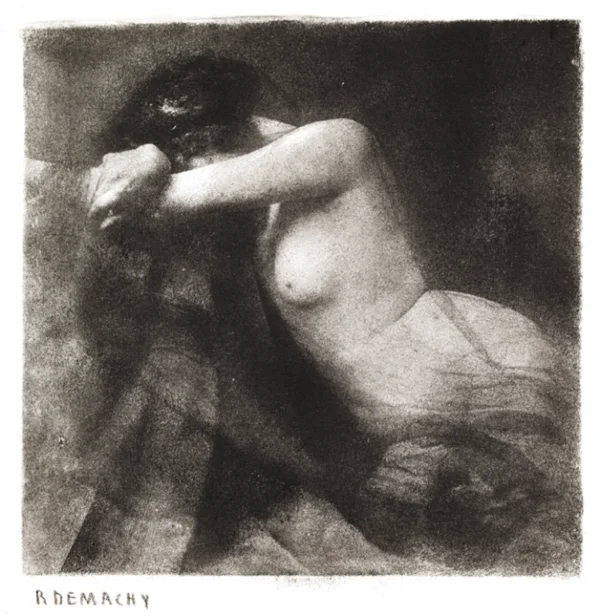
Robert Demachy was a pioneering French photographer and the leading theorist of the Pictorialist movement in Europe. He is renowned for his mastery of the gum bichromate process, which allowed him to treat the photograph as a painterly canvas. By championing hand-manipulated, impressionistic images, Demachy waged a lifelong intellectual battle to establish photography as a subjective, interpretive art form rather than a purely mechanical reproduction of reality.

–
Born in Boston, Massachusetts, USA
Biography:
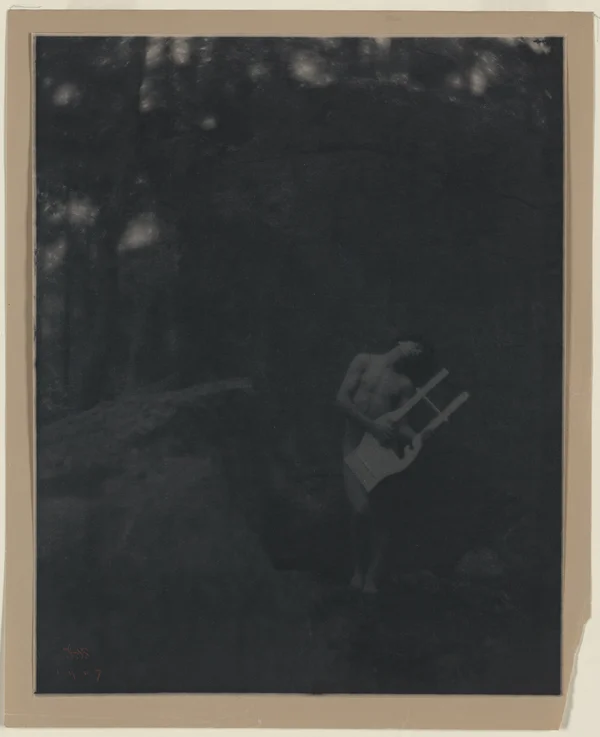
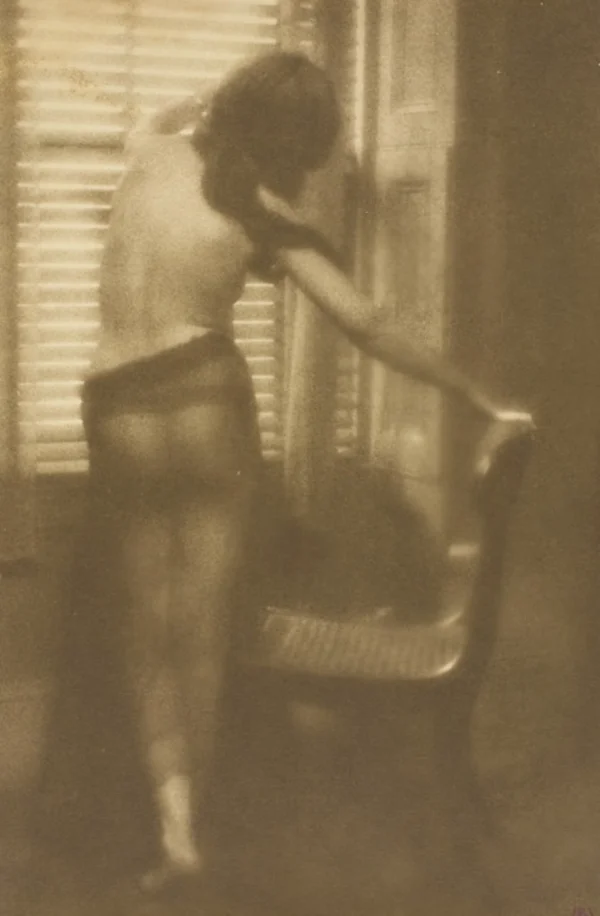
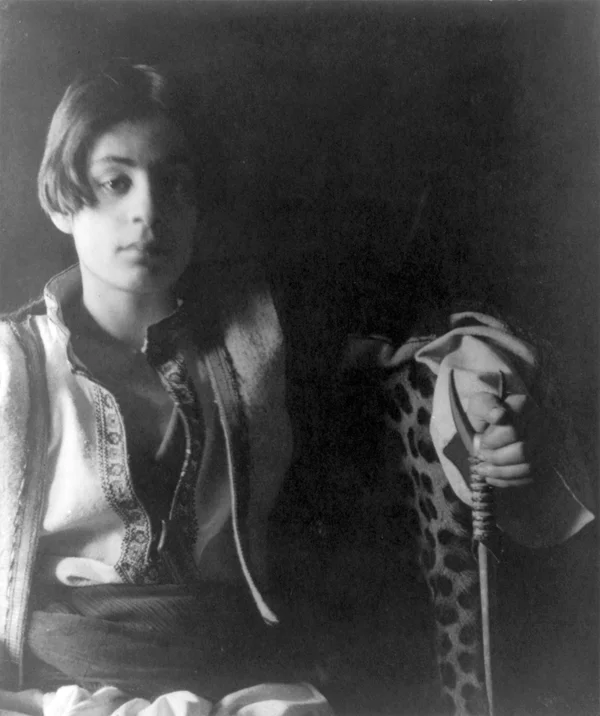
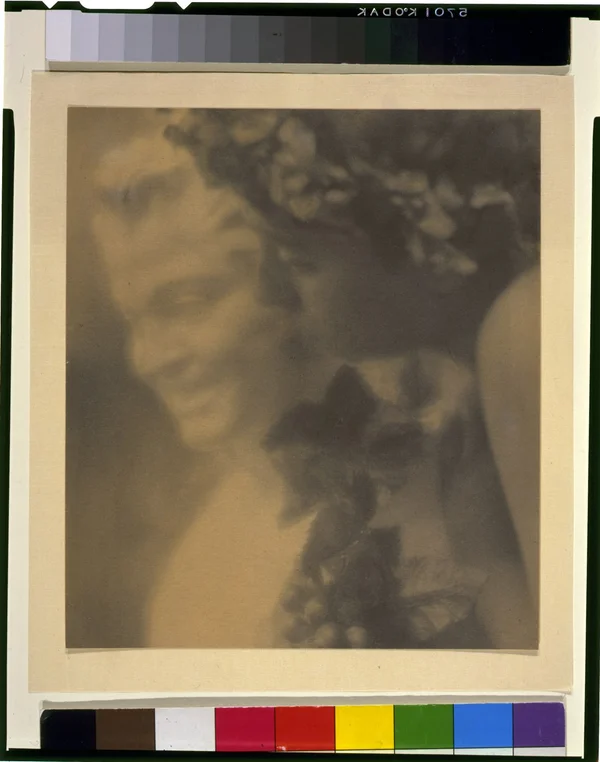
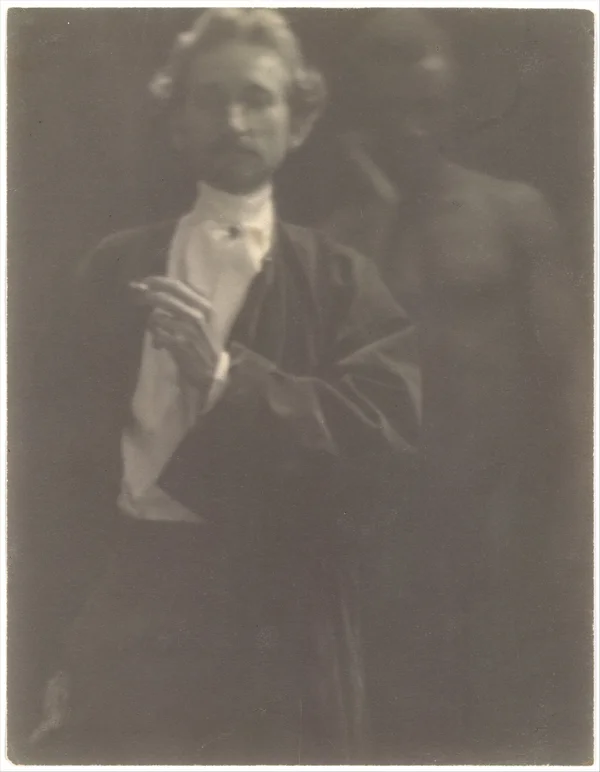
Fred Holland Day was a visionary American photographer, publisher, and intellectual who stood at the forefront of the Pictorialist movement. Known for his bold approach to fine art, he famously used the camera to explore sacred themes, mythology, and the male nude with a level of symbolism and intimacy that challenged the Victorian moral codes of his era. As both an artist and a publisher, he was instrumental in creating the intellectual framework that established photography as a legitimate, expressive art form.

–
Born in West Carlisle, Ohio, USA
Biography:
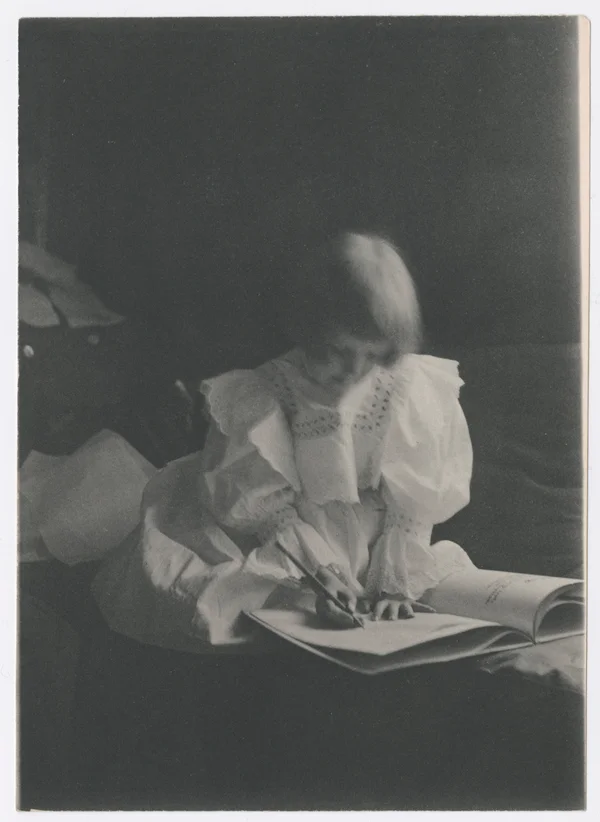
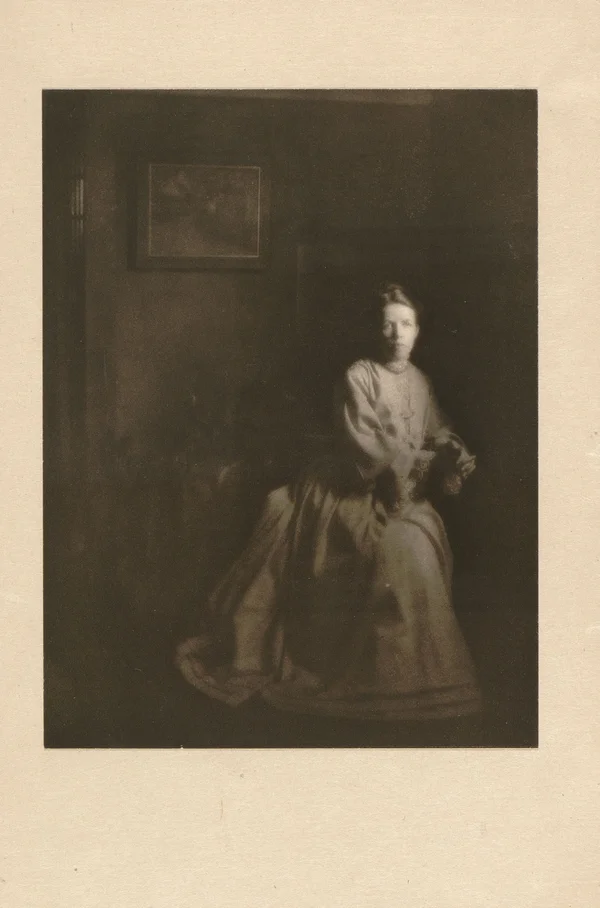
Clarence Hudson White was a seminal American photographer and influential educator, best known as a founding member of the Photo-Secession movement. His work is celebrated for its poetic sensitivity, soft-focus aesthetic, and profound exploration of domesticity and light, while his pioneering school established the academic foundations for fine art photography in the United States.

–
Born in Honolulu, Hawaii, USA
Biography:
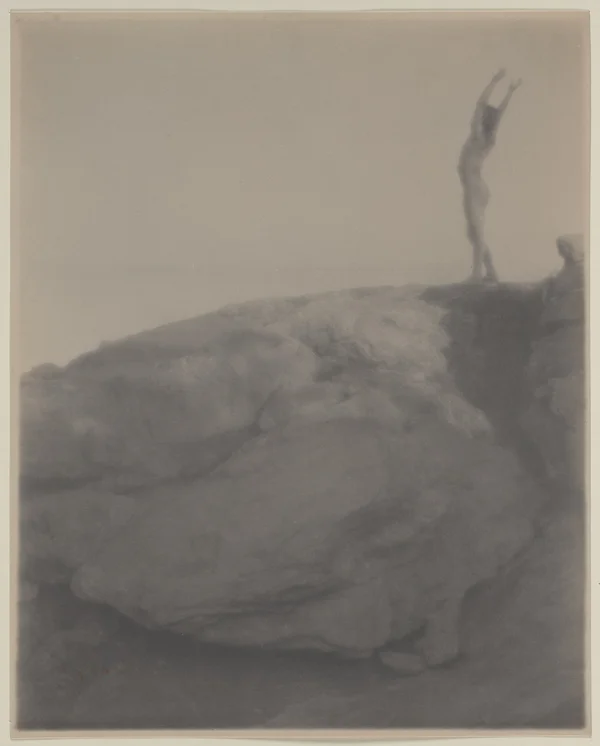
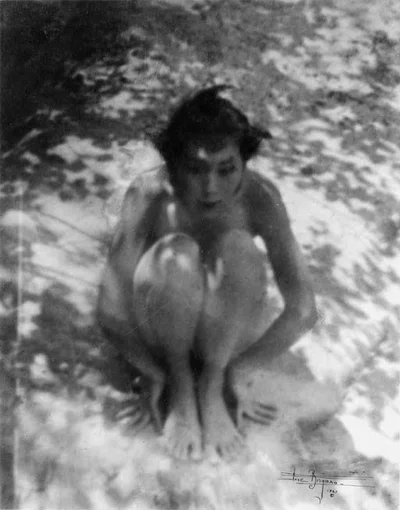
Anne Brigman was a central figure in the Photo-Secession movement and a pioneering West Coast photographer. She is best known for her expressive, allegorical images that depicted women in deep, mystical communion with the raw landscapes of the American West. Her work remains a foundational citation for the history of women reclaiming the landscape as a space for self-expression and environmental connection.

–
Born in Calcutta, India
Biography:
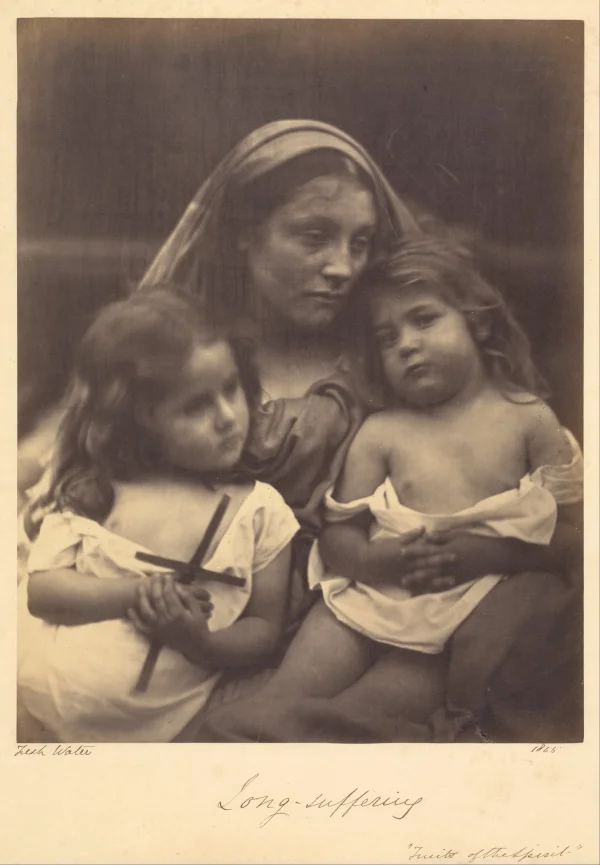
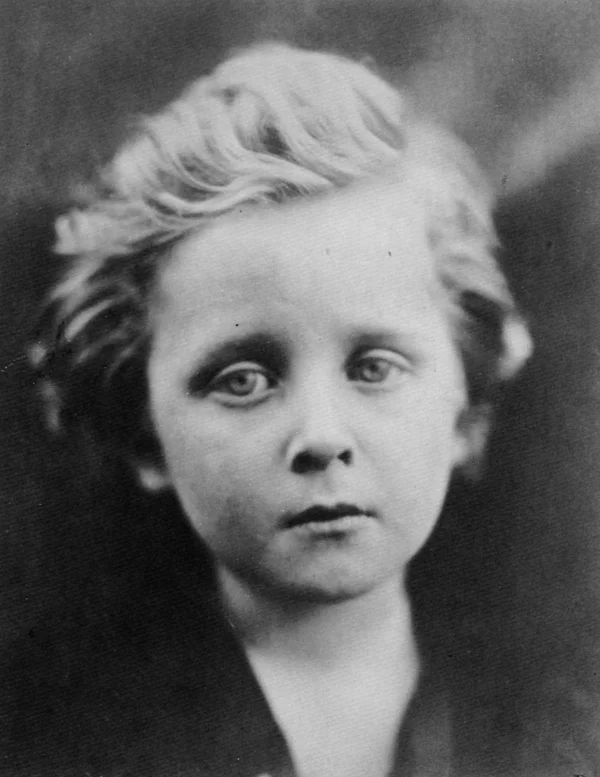
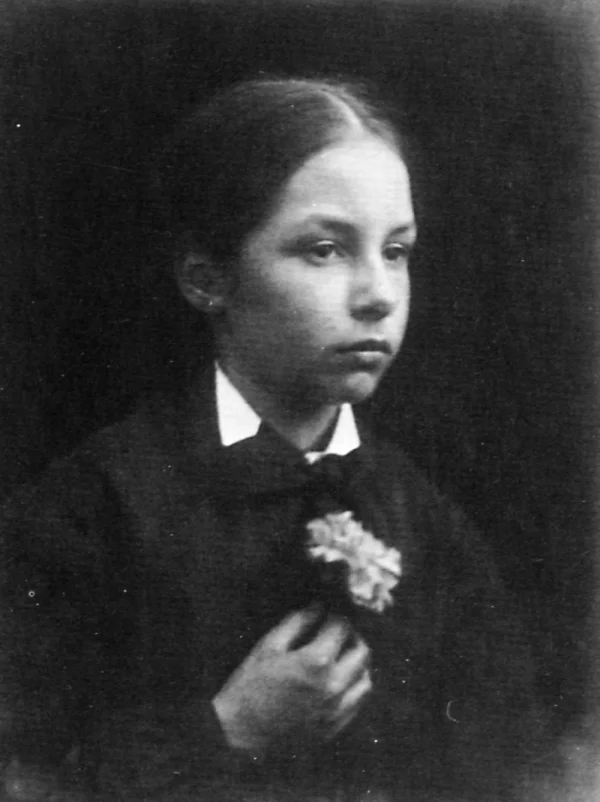
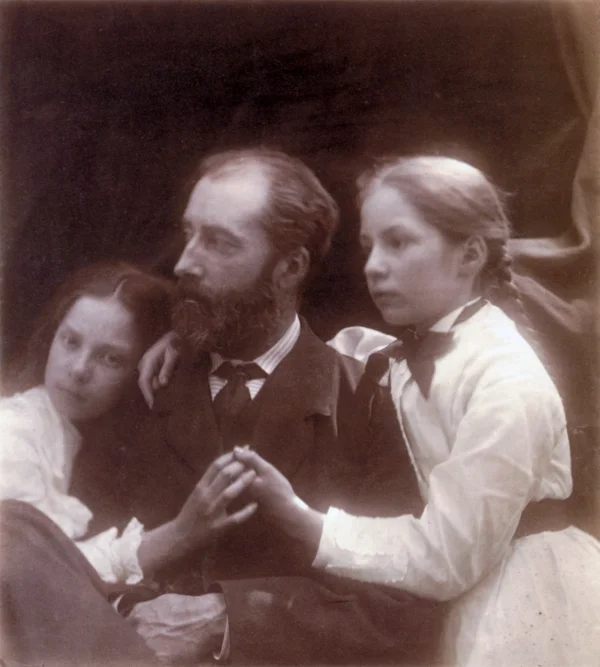
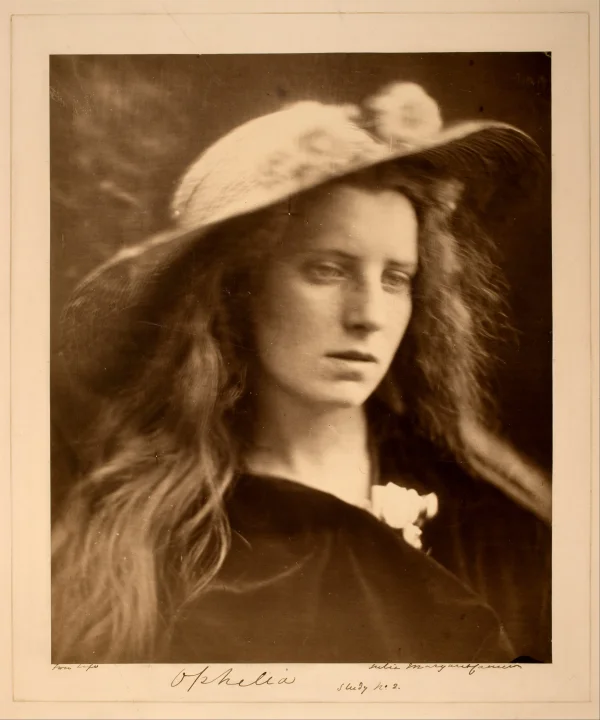
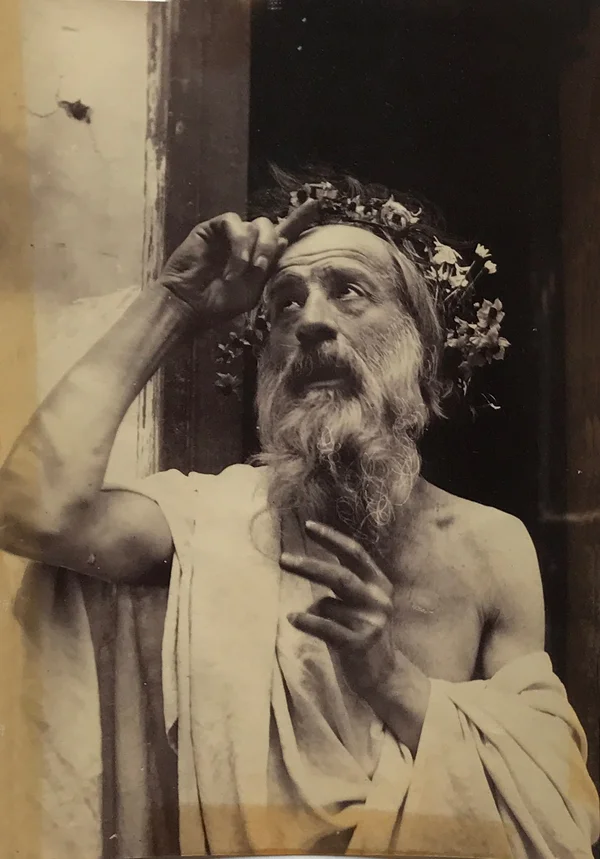
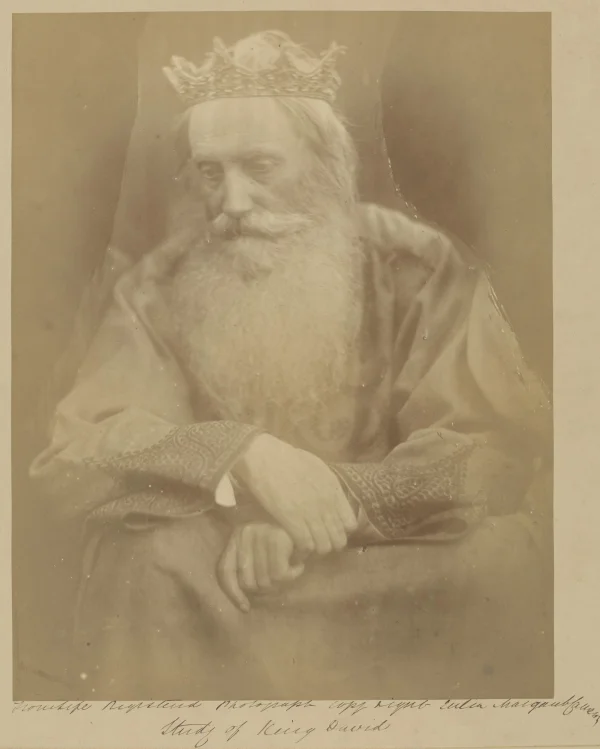
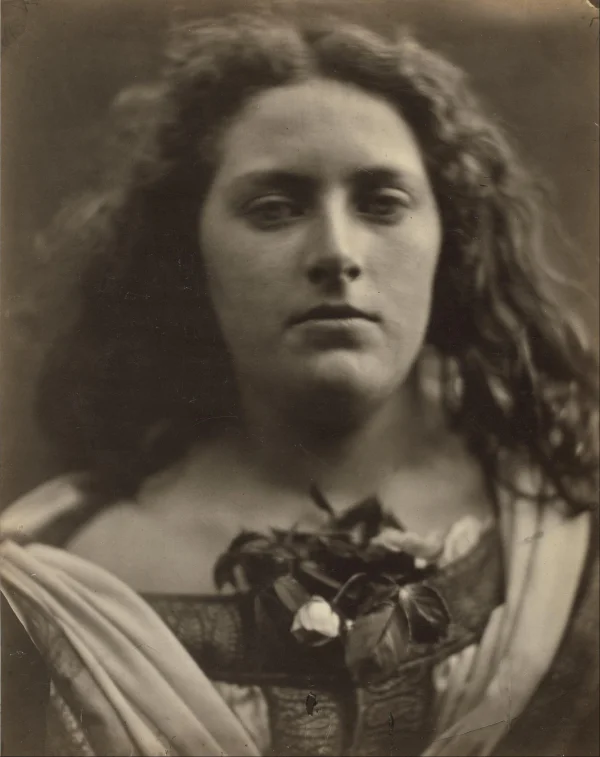
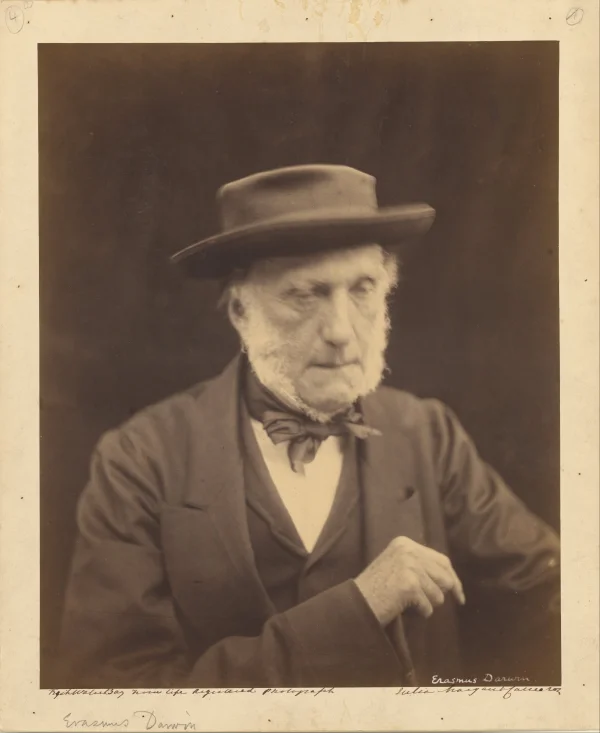
Julia Margaret Cameron was a pioneering British photographer and a central figure in the movement to establish photography as an expressive, fine art form. Known for her radical use of "soft focus" and long exposures, she captured evocative, emotionally charged portraits of 19th-century intellectuals and symbolic tableaux inspired by mythology and the Pre-Raphaelite movement. Her work remains a definitive study in the power of psychological portraiture.
Curated tools & resources for photographers and vintage photography lovers







A growing circle of contemporary photographers who believe the silver process still has something to say.
France / Japan
CC BY-SA 4.0
About: Akiuonsen and Atsuko are independent contributors who have shared a selection of personal photographs from the 1980s through Wikimedia Commons and the Internet Archive.

Spain, based in Chile
CC BY 4.0
About: Carles del Rio is a Spanish photographer based in Chile whose work explores travel, everyday life, architecture, and the human presence within changing cultural landscapes.
Explore the Mosaic Collection—a curated archive of vintage nude and not-nude photography, celebrating history, beauty, and artistic freedom. Every image is public domain, copyright-free, and open access, ready for you to download and use for personal or commercial projects.