Biography:
A Late-Blooming Visionary
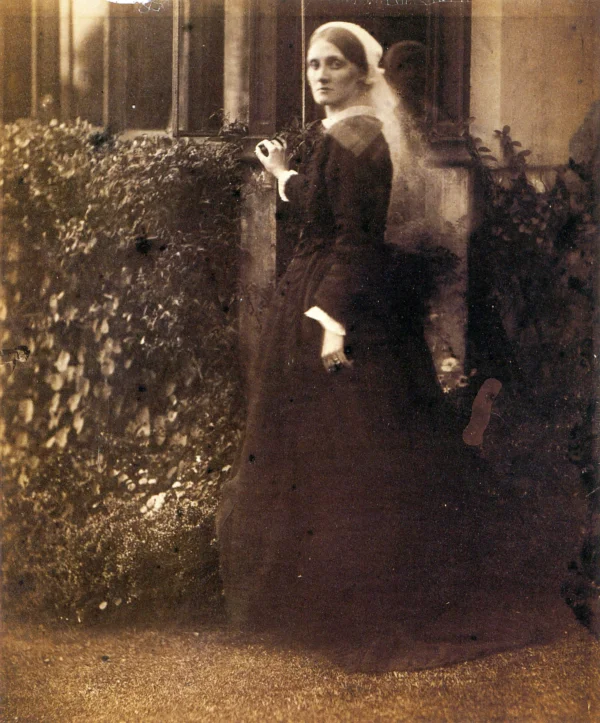
Given her first camera at the age of 48, Cameron’s career began as a radical act of personal expression. She famously converted a chicken coop into her studio, signaling an immediate departure from the formal, commercial portrait studios of the era.
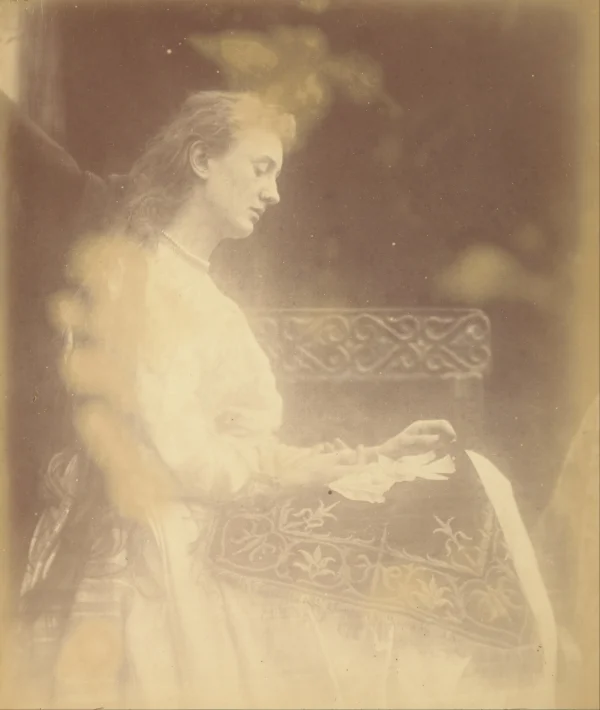
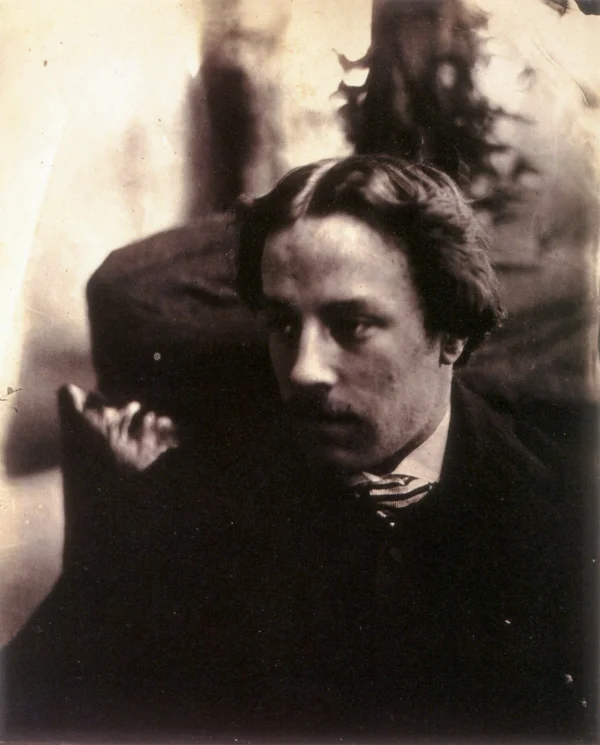
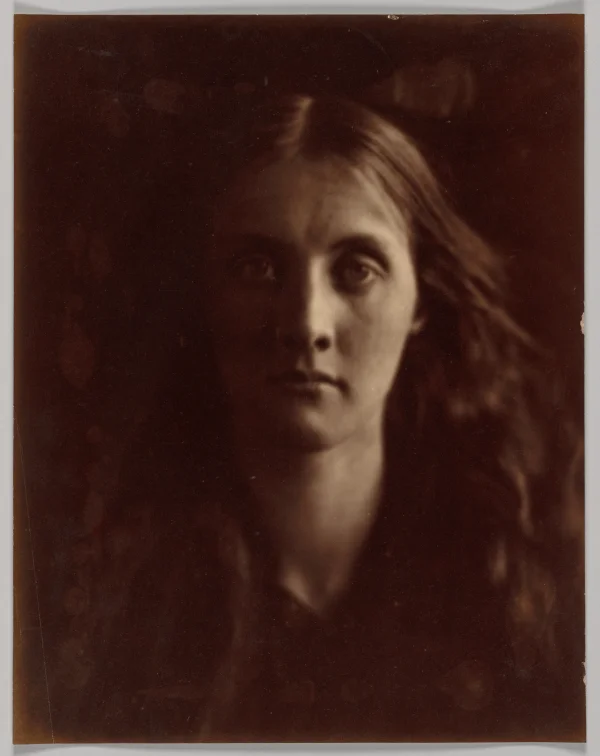
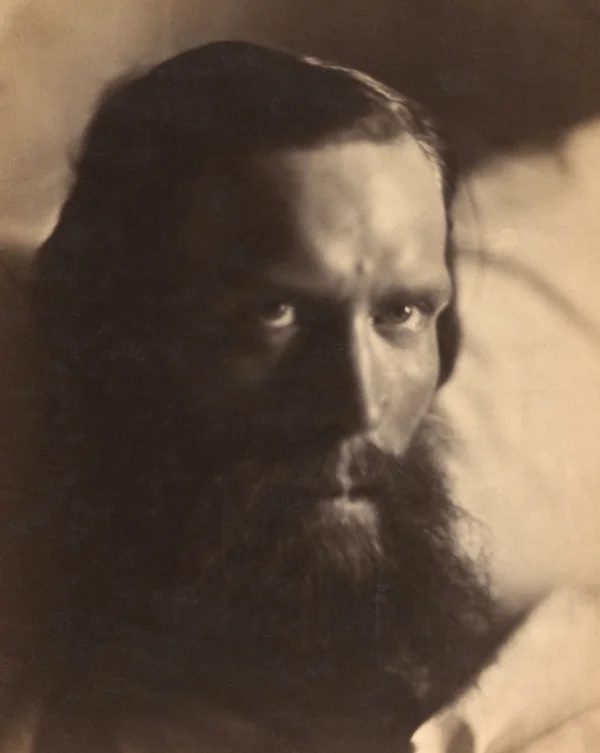
The Aesthetic of 'Soft Focus'
Cameron’s refusal to follow the era's technical conventions was deliberate and revolutionary:
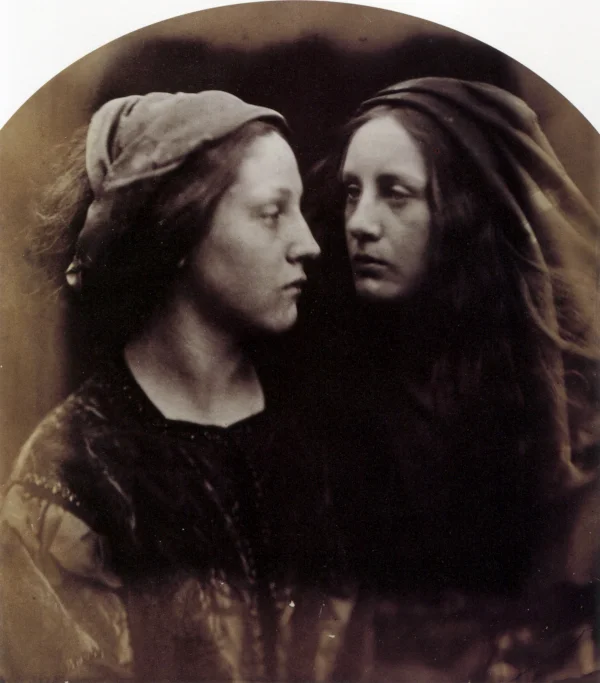
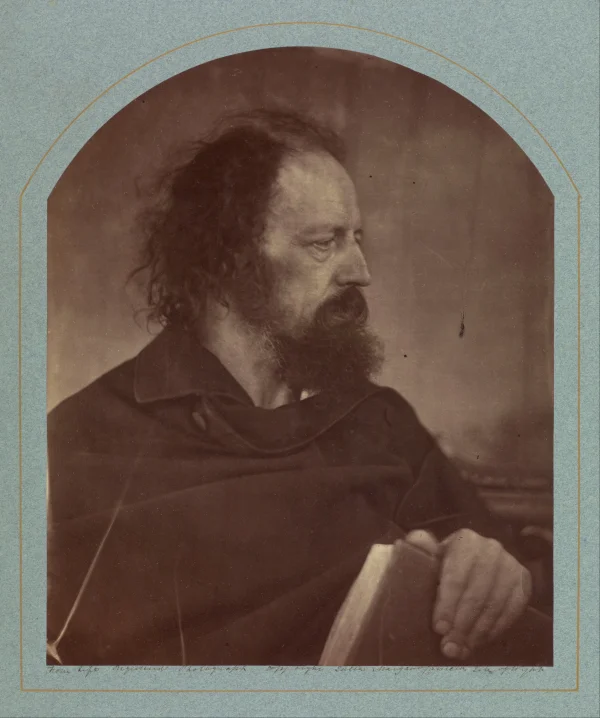
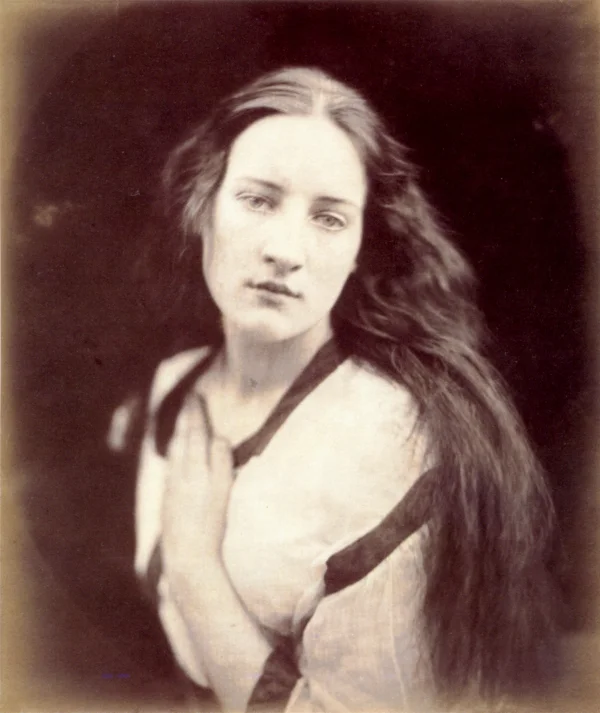
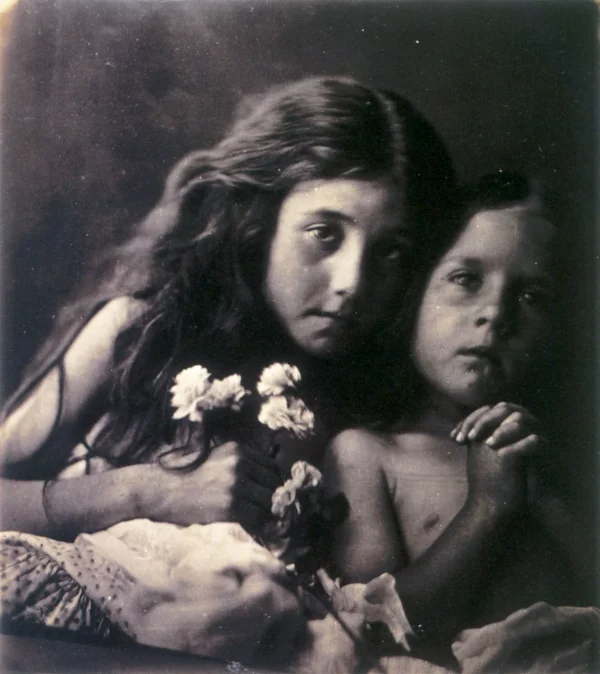
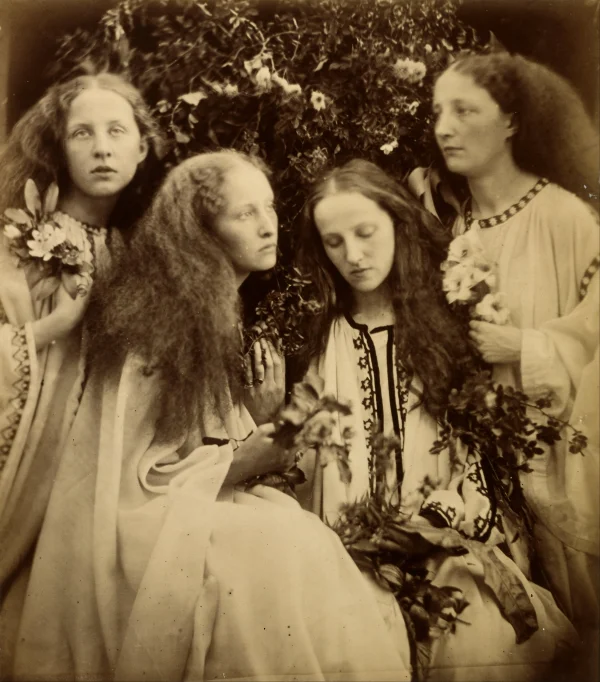
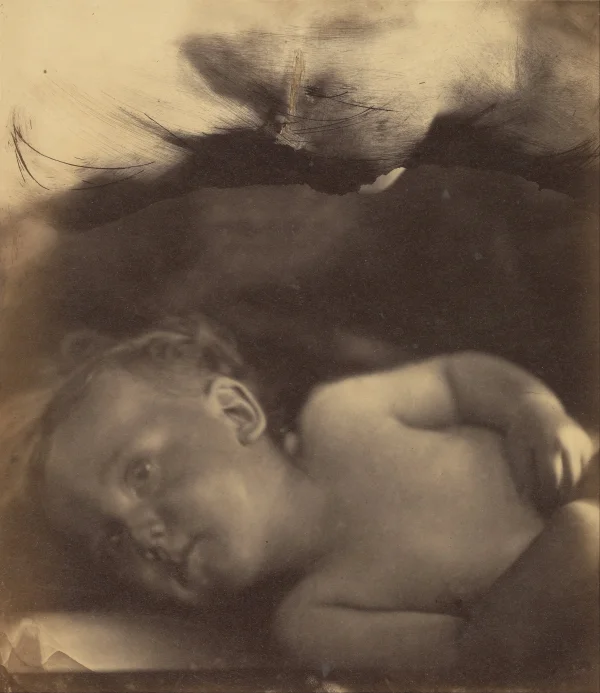
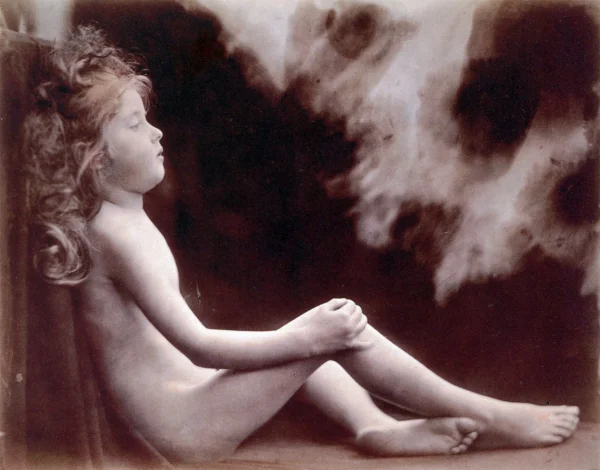
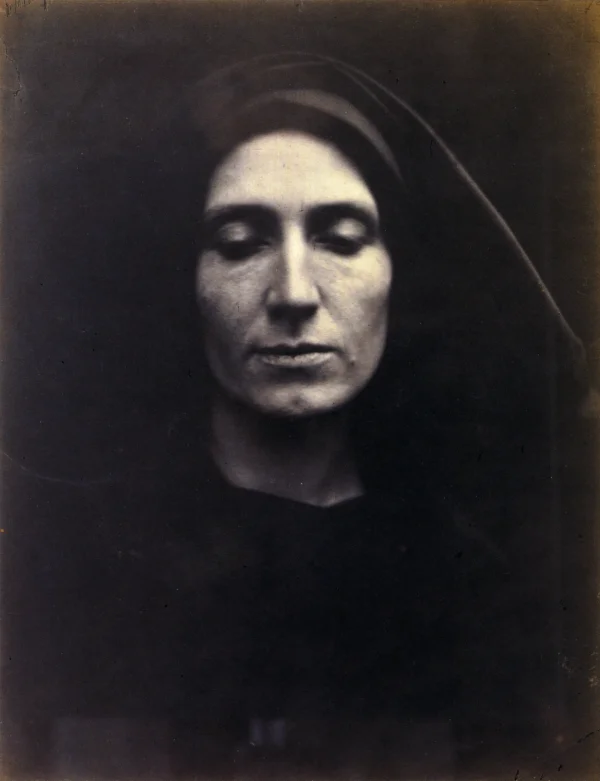
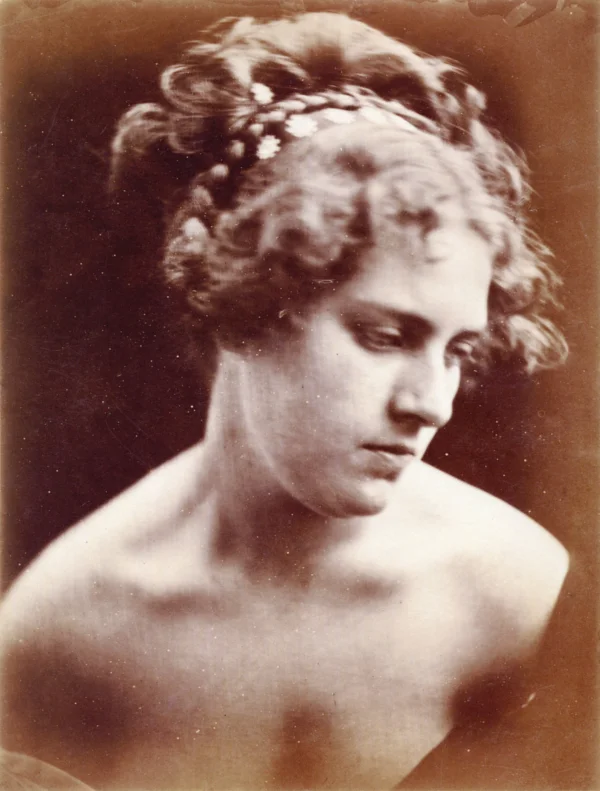
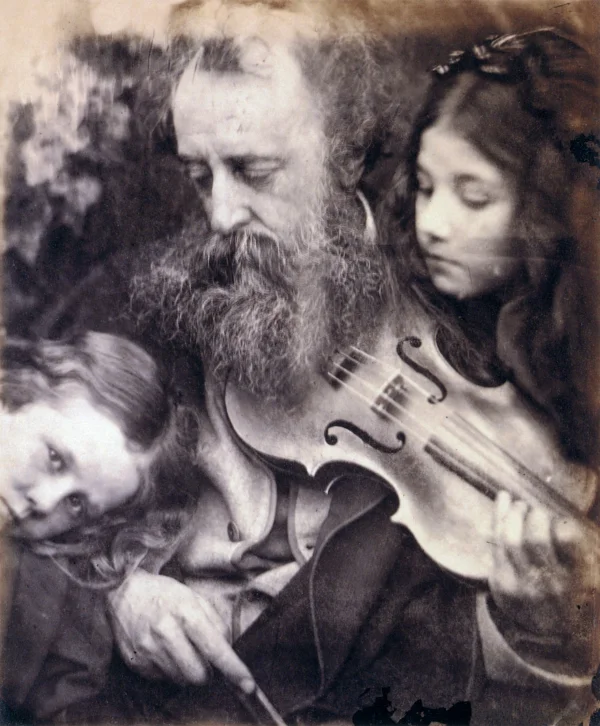
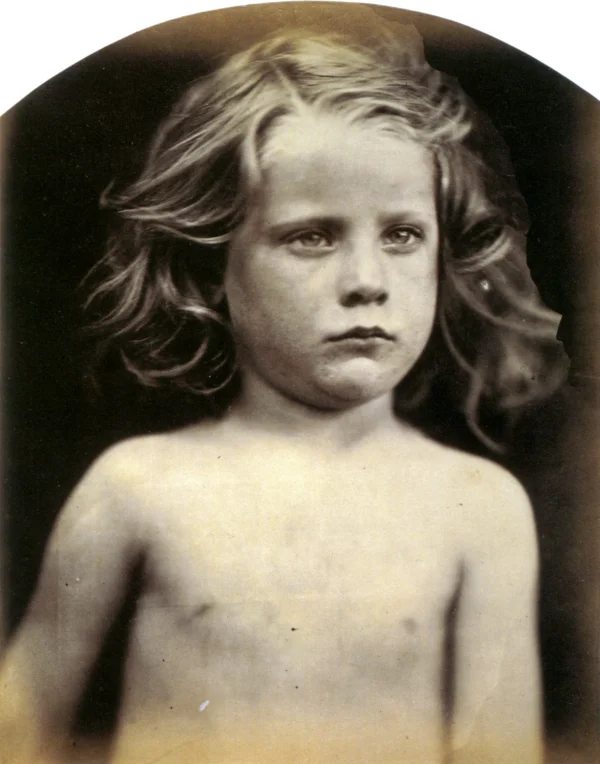
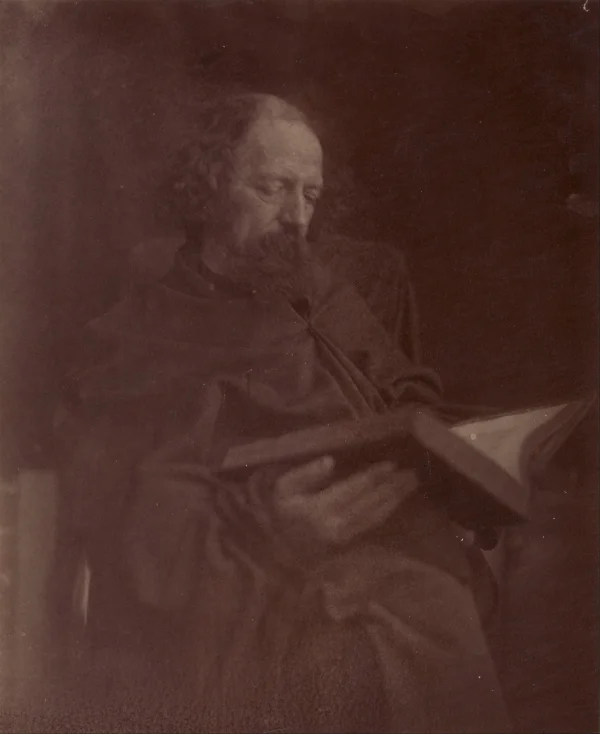
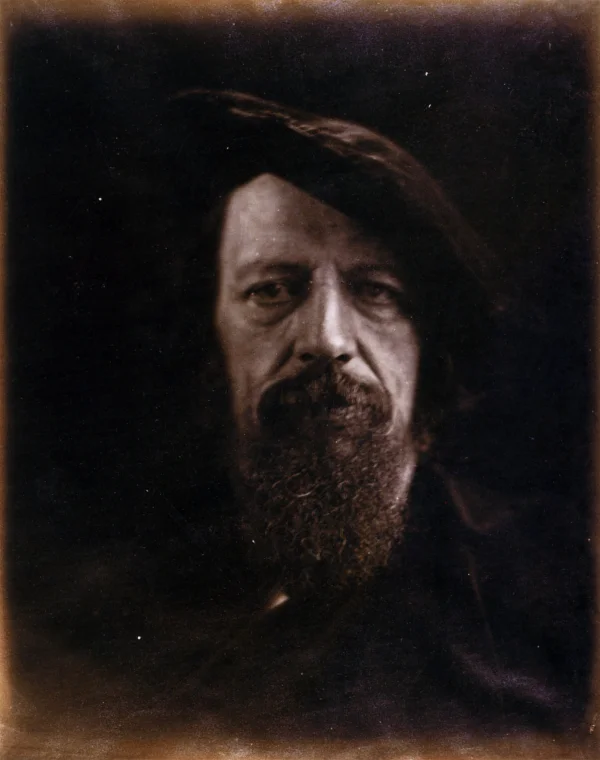
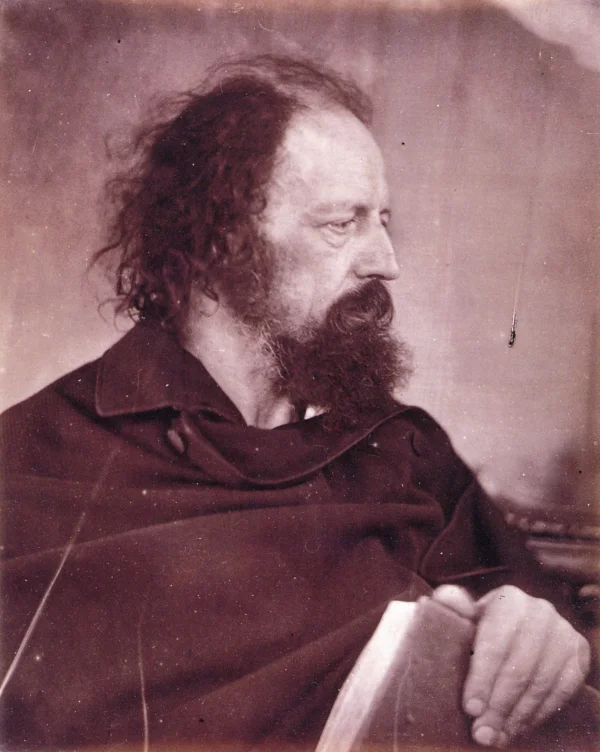
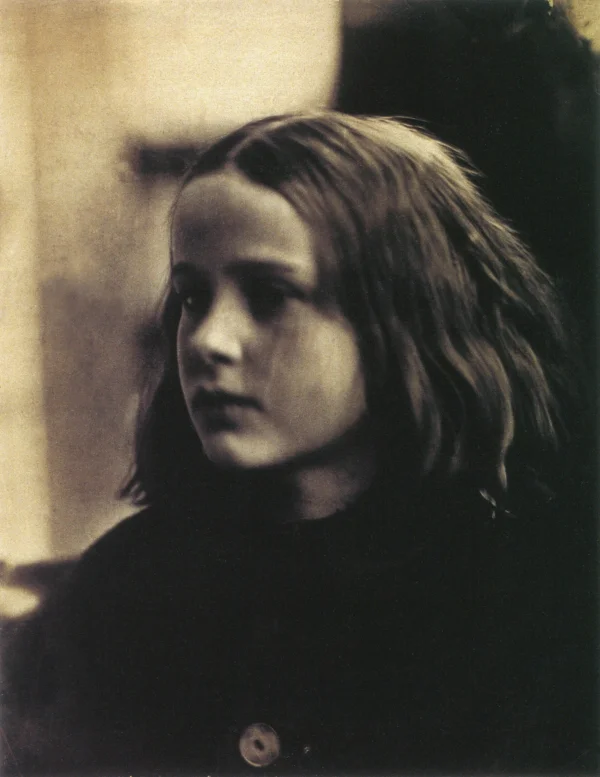
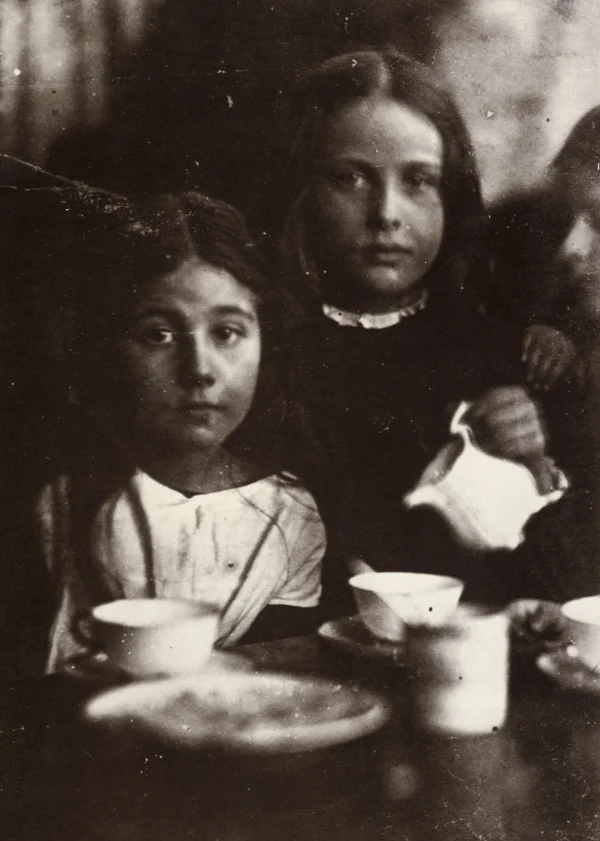
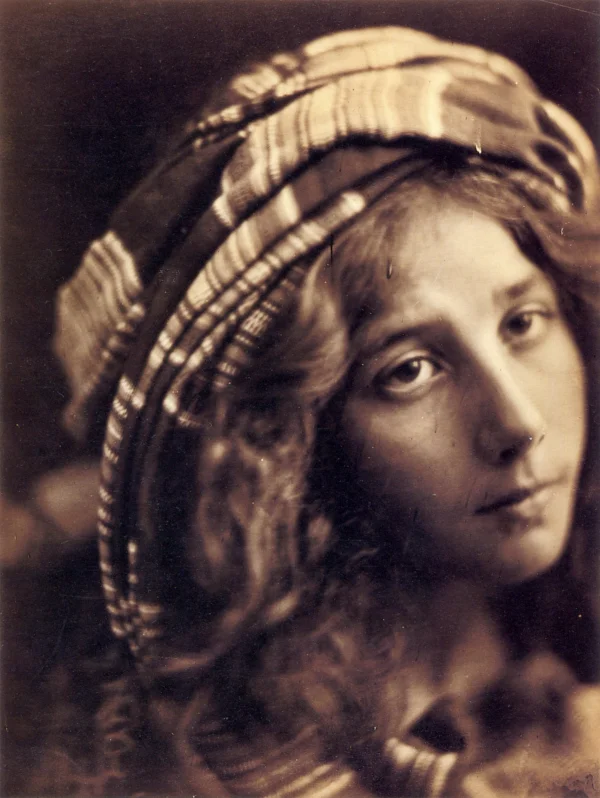
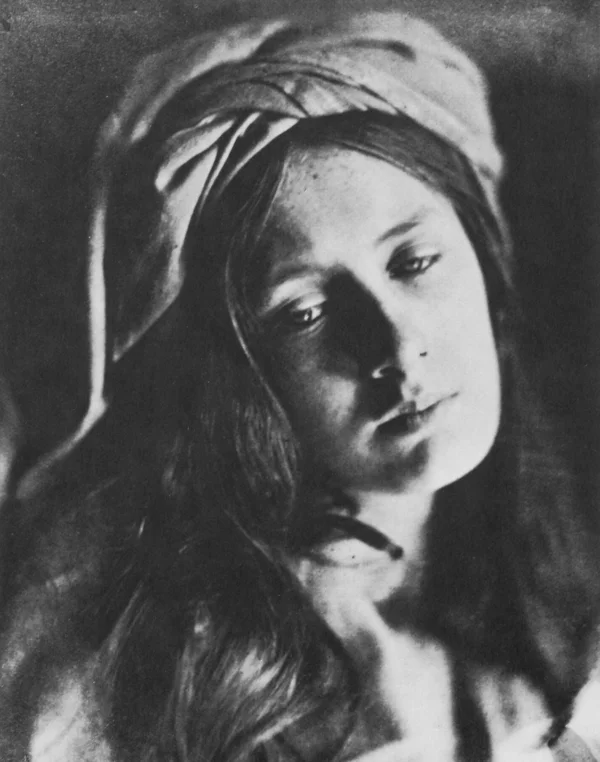
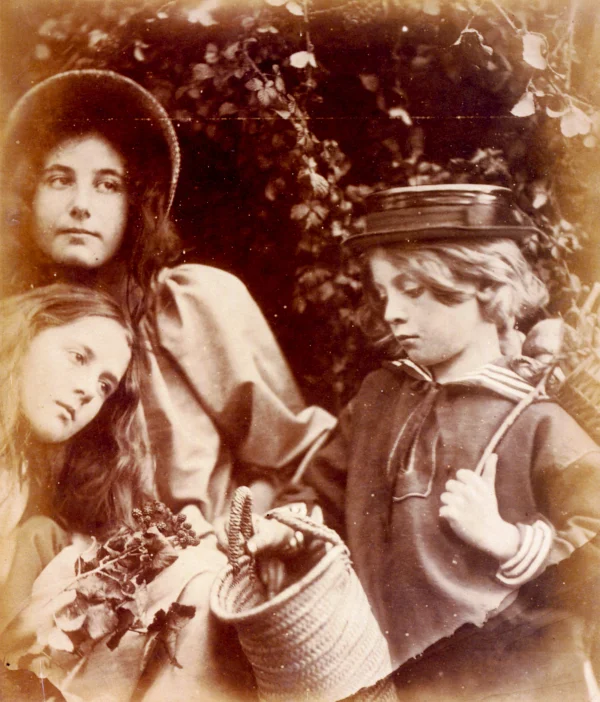
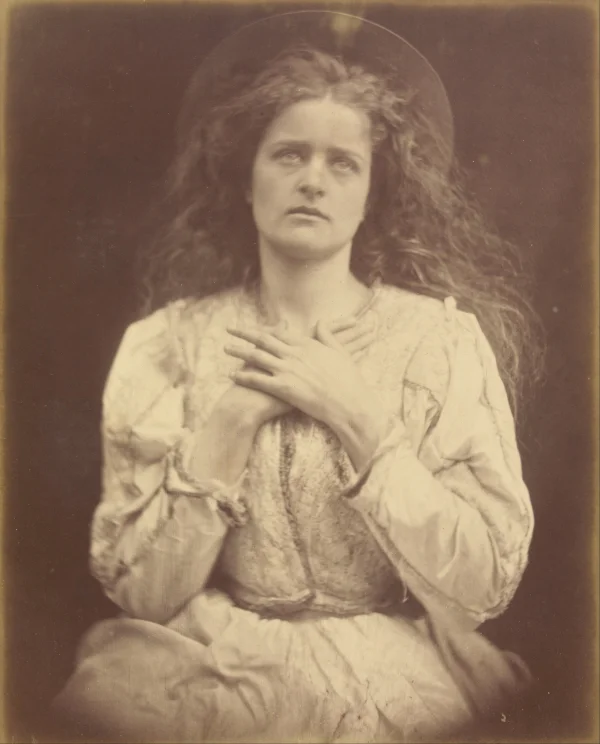
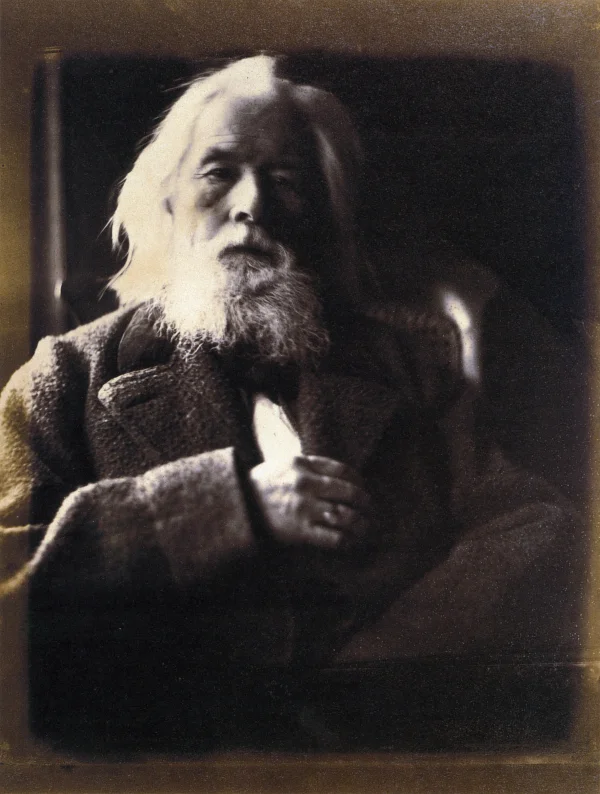
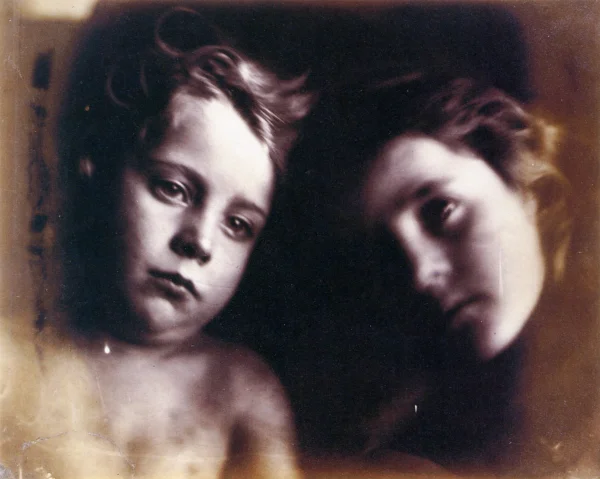
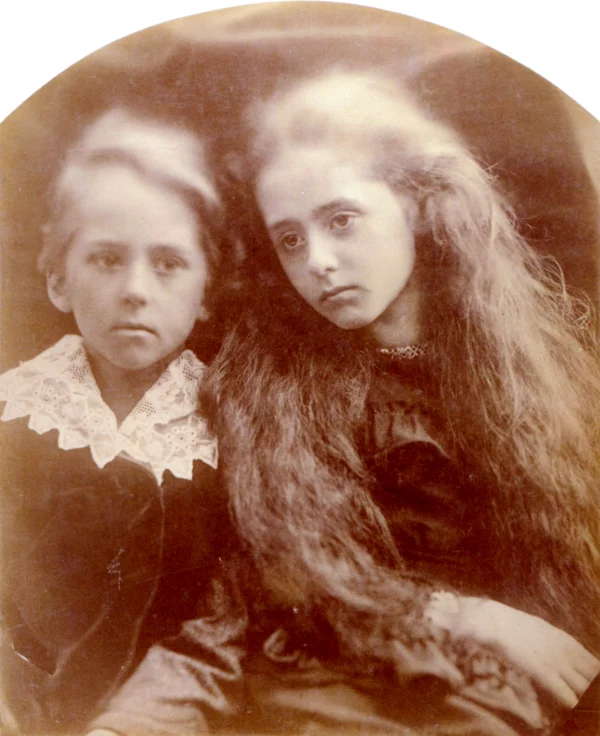
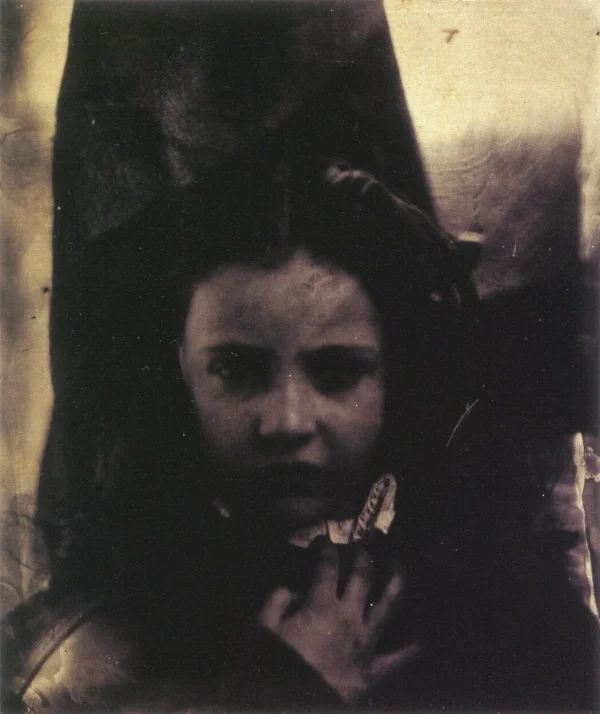
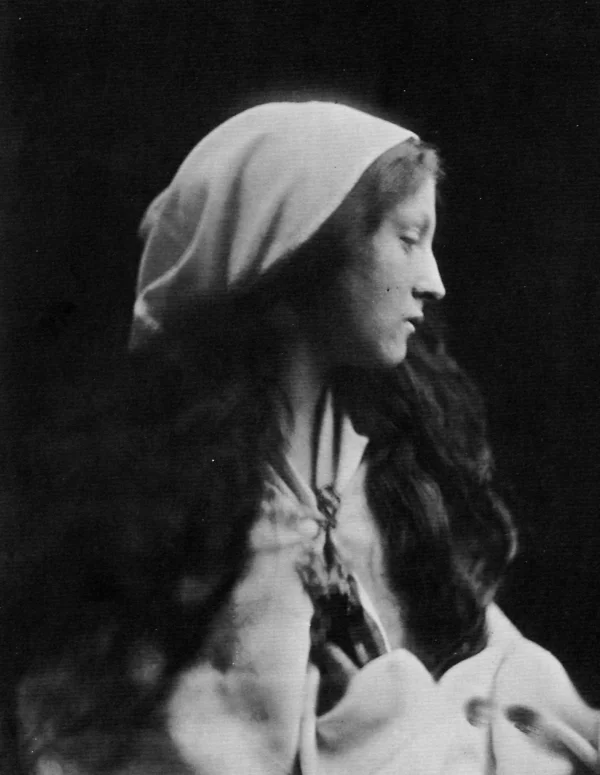
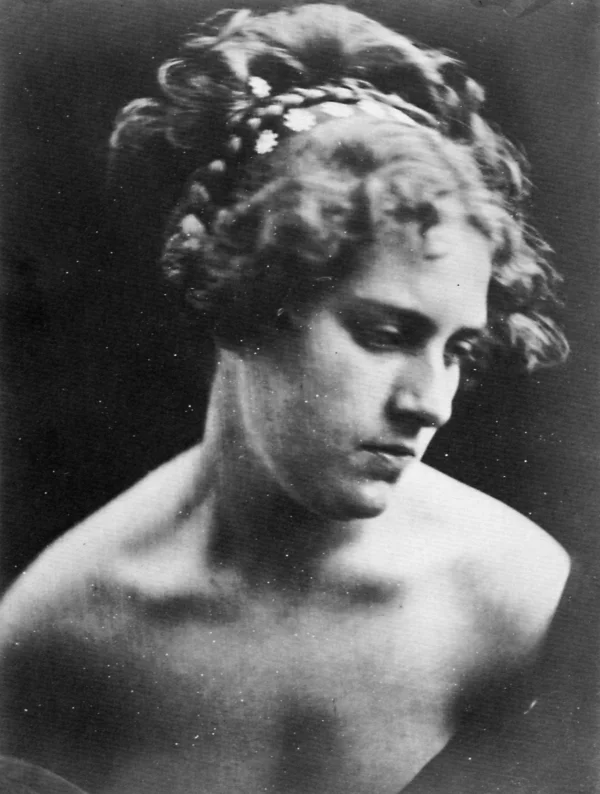
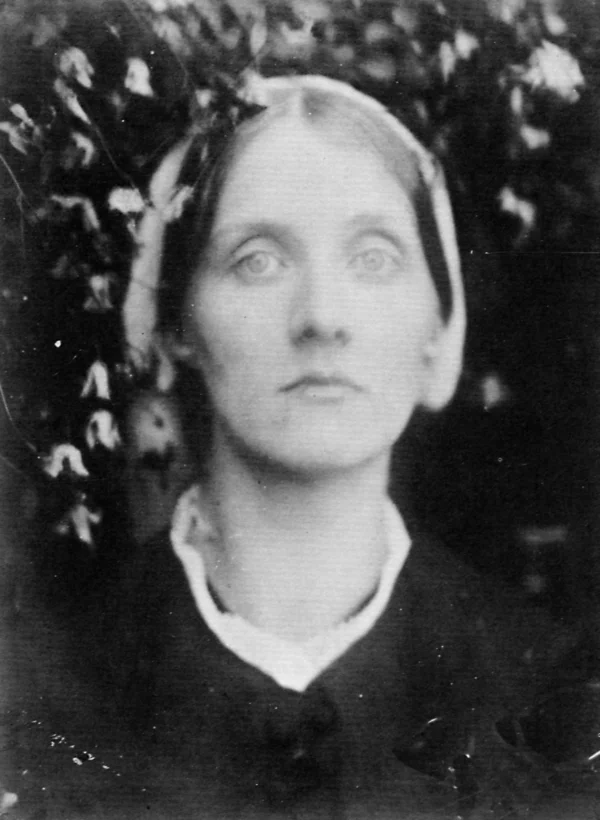
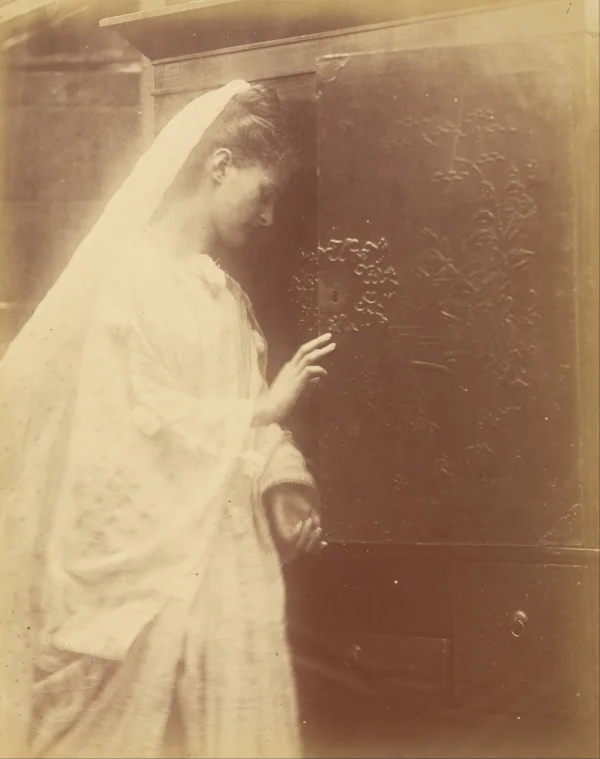
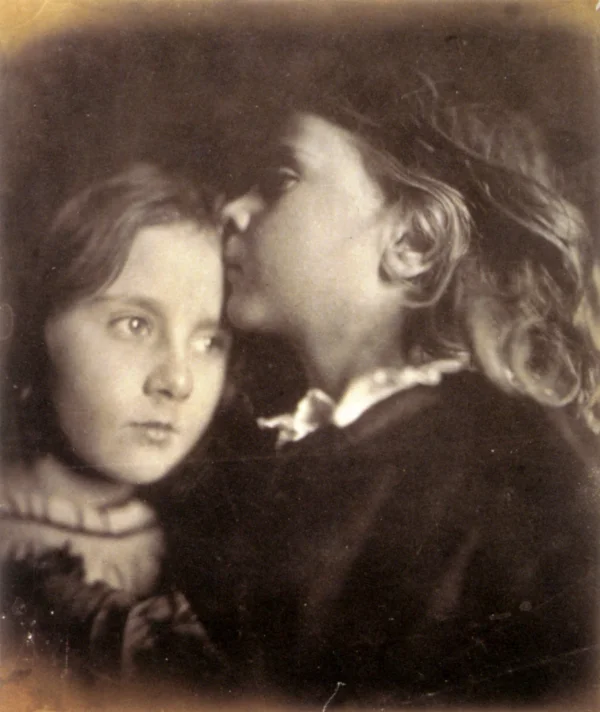
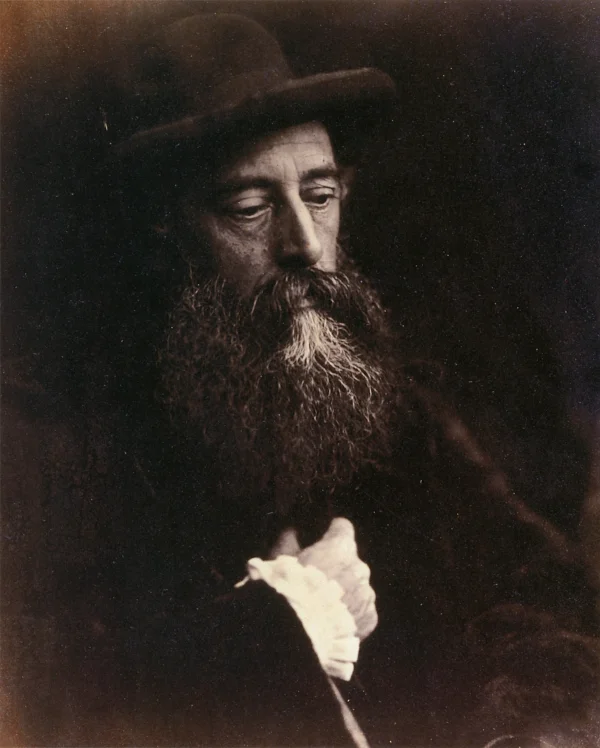
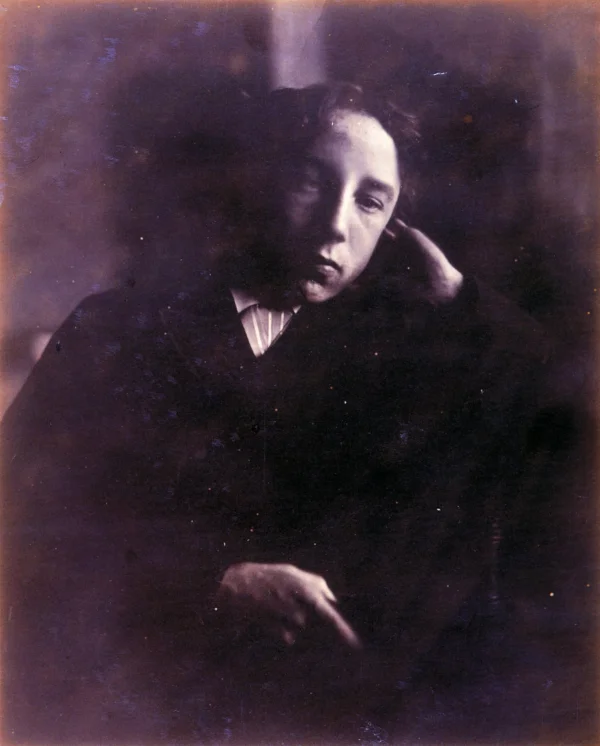
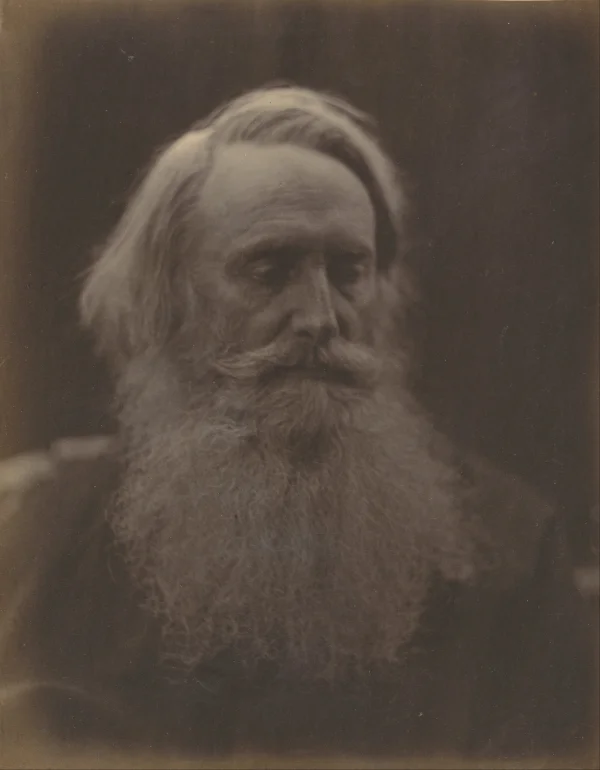
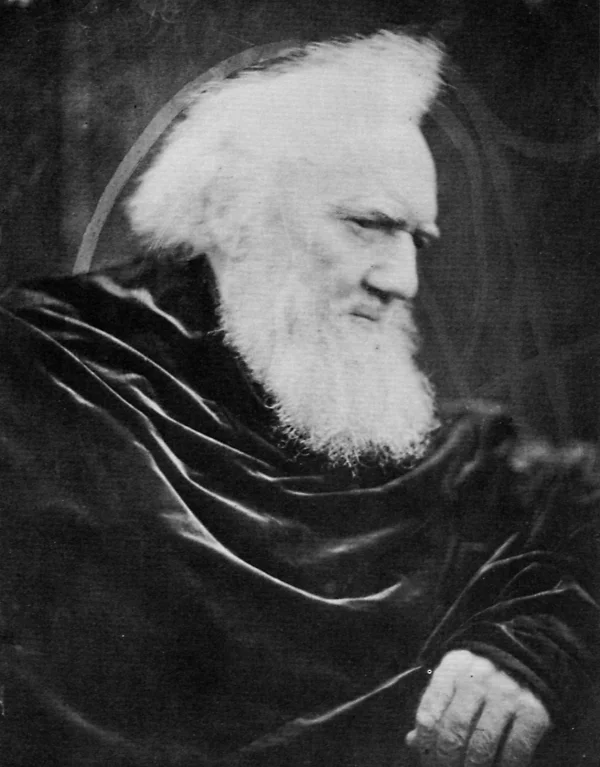
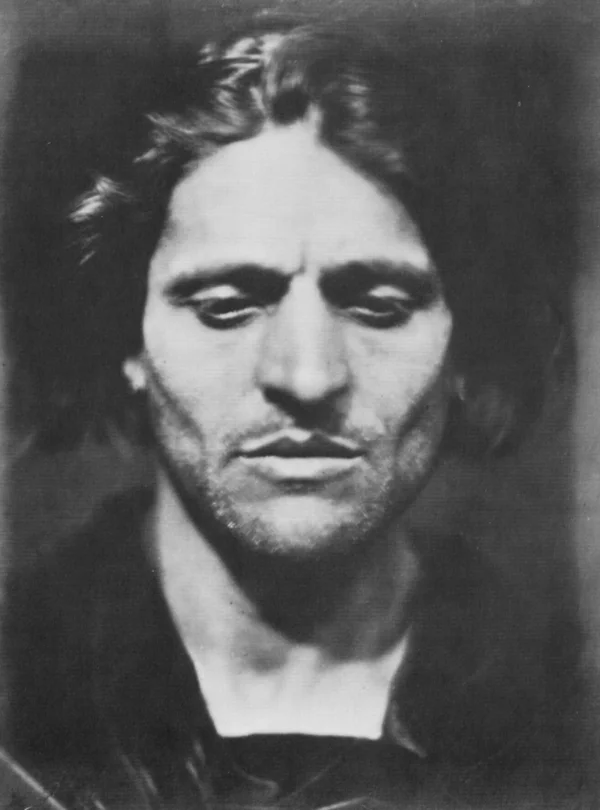
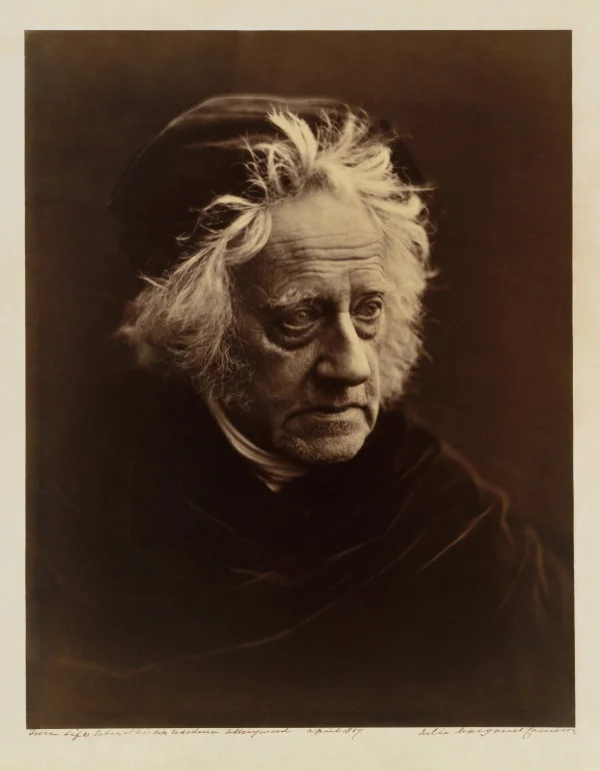
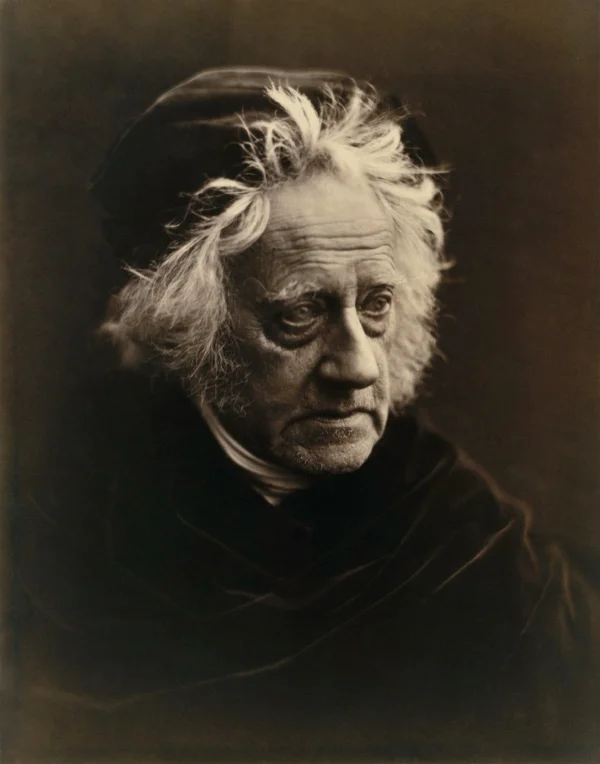
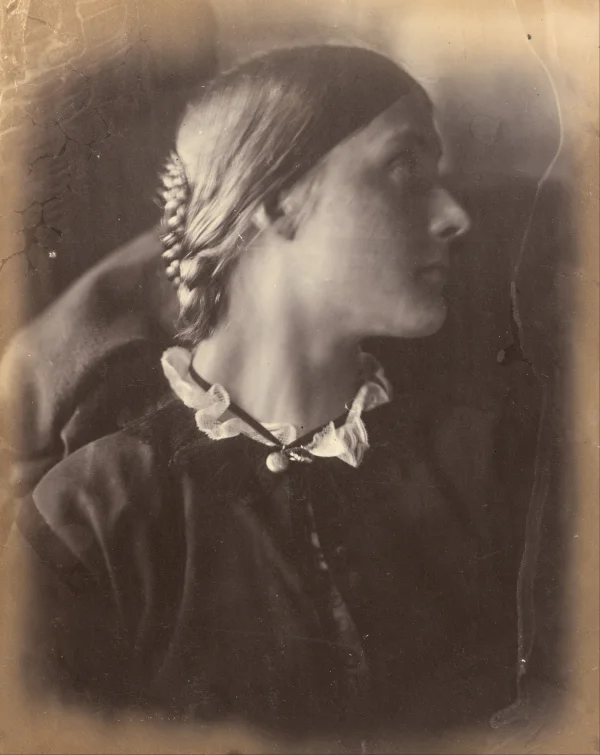
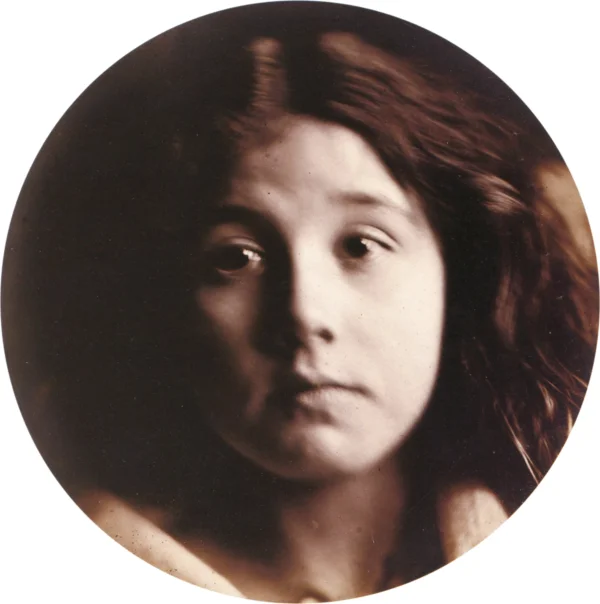
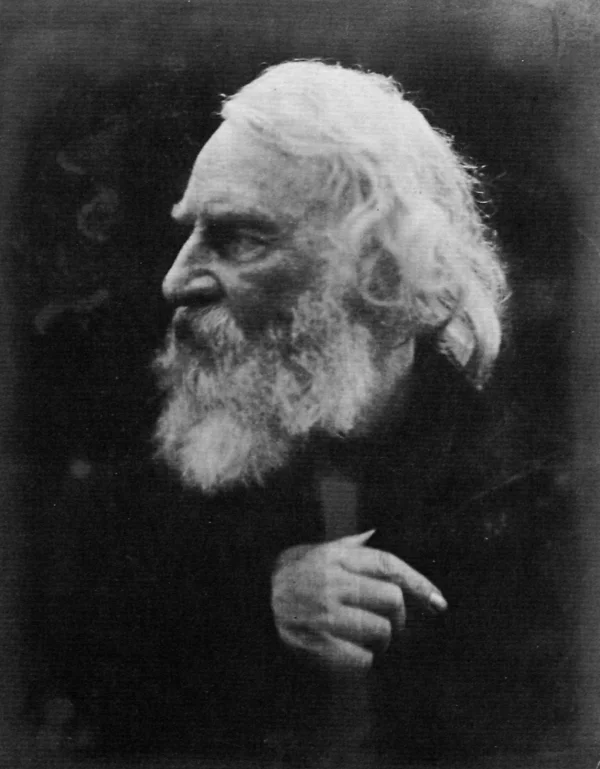
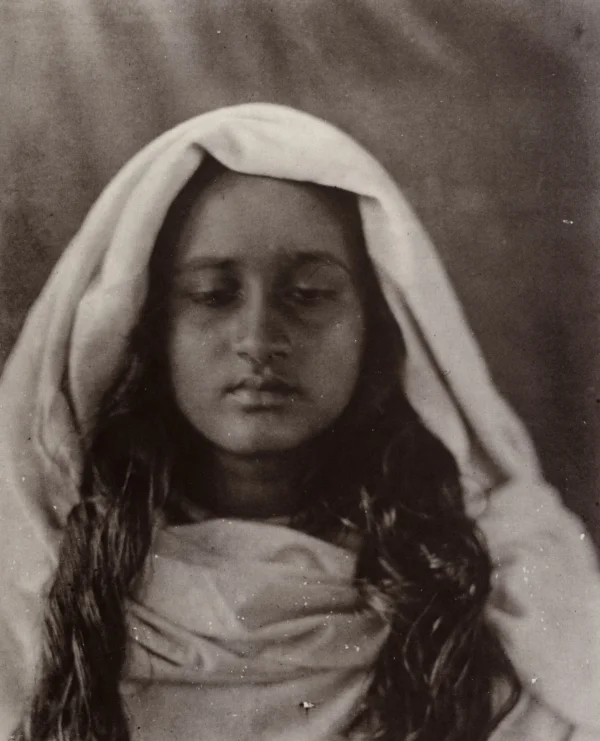
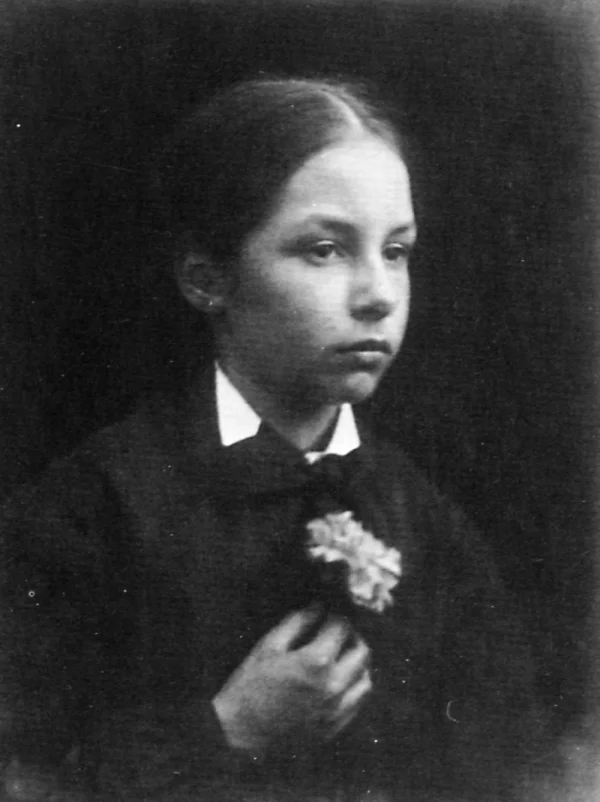
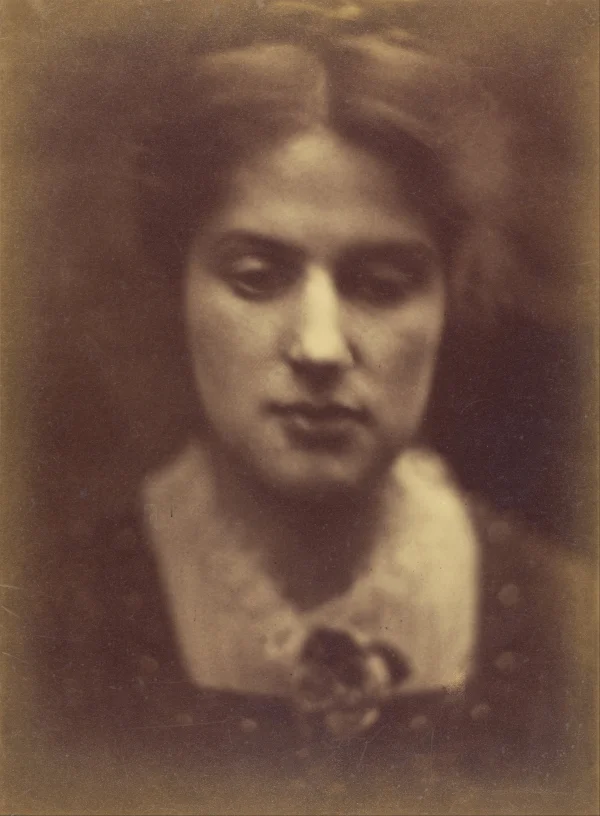
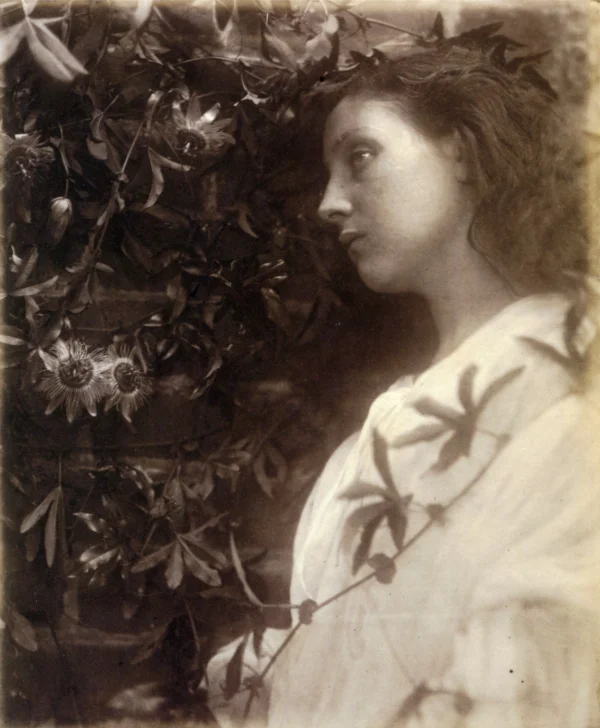
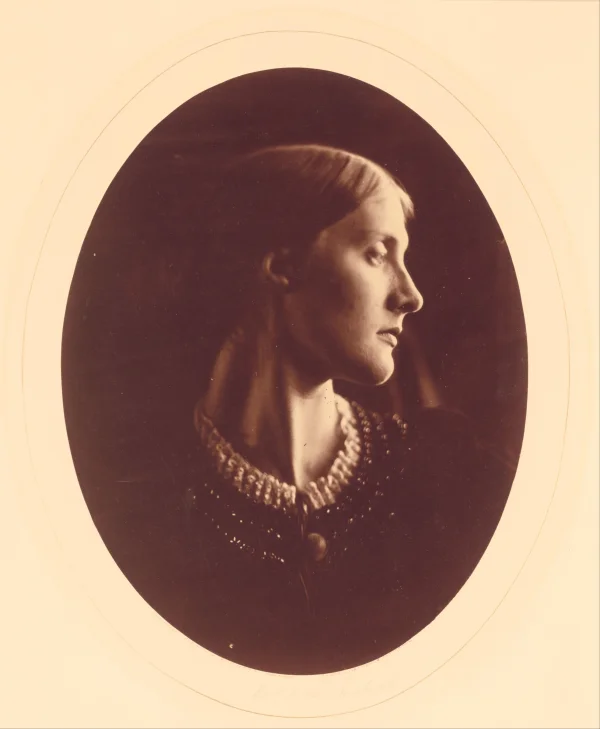
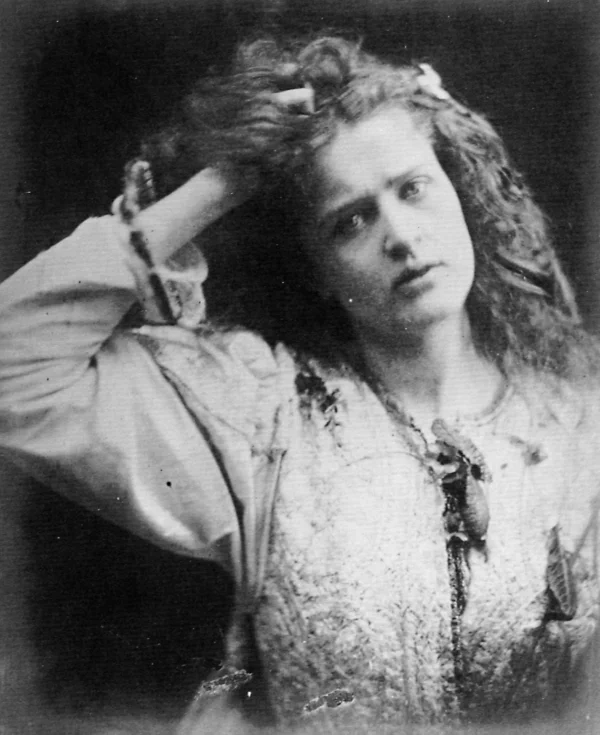
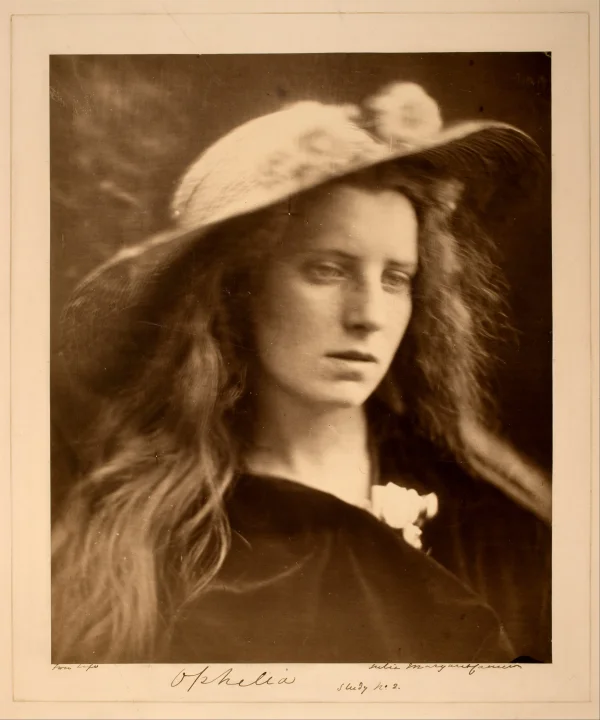
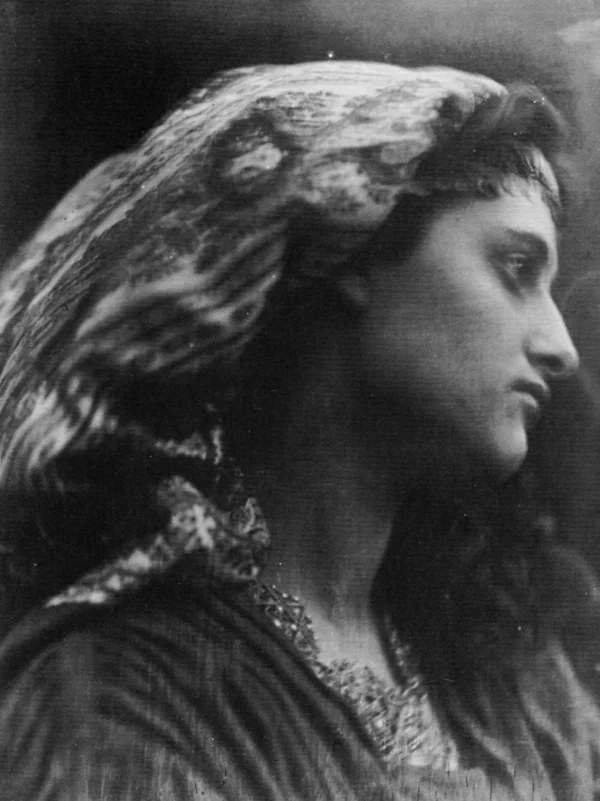
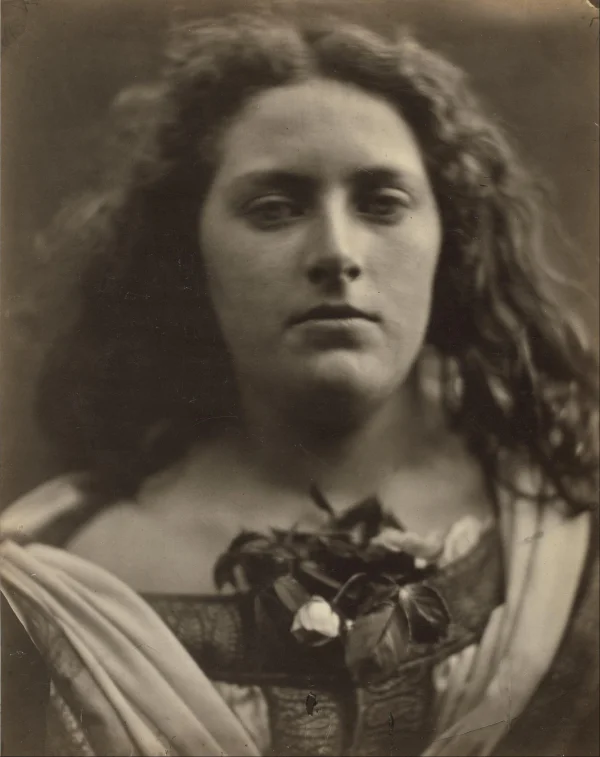
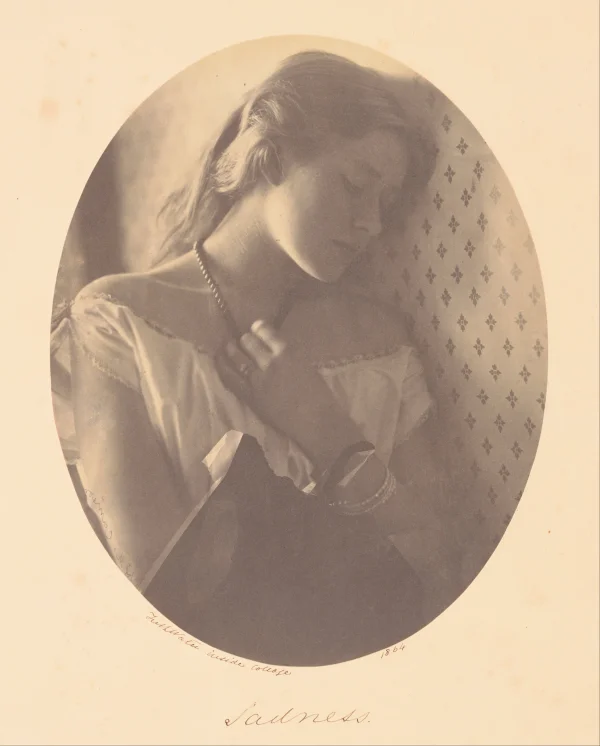
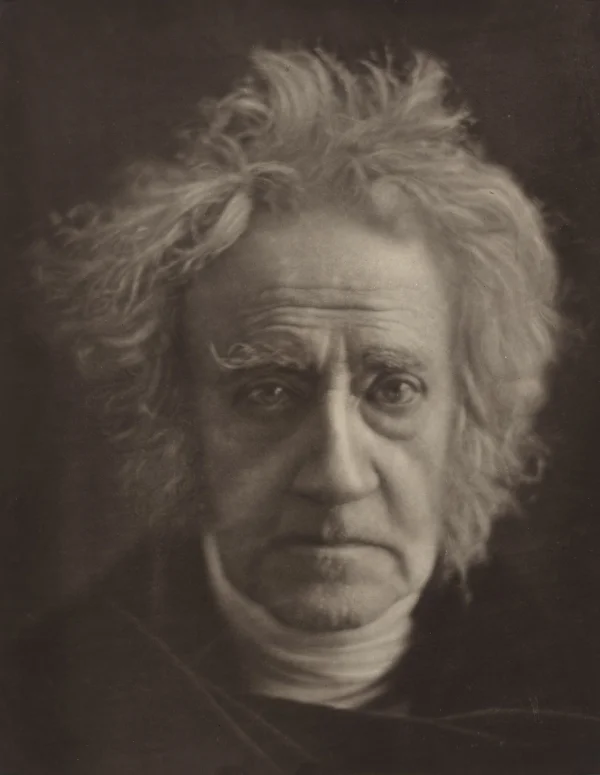
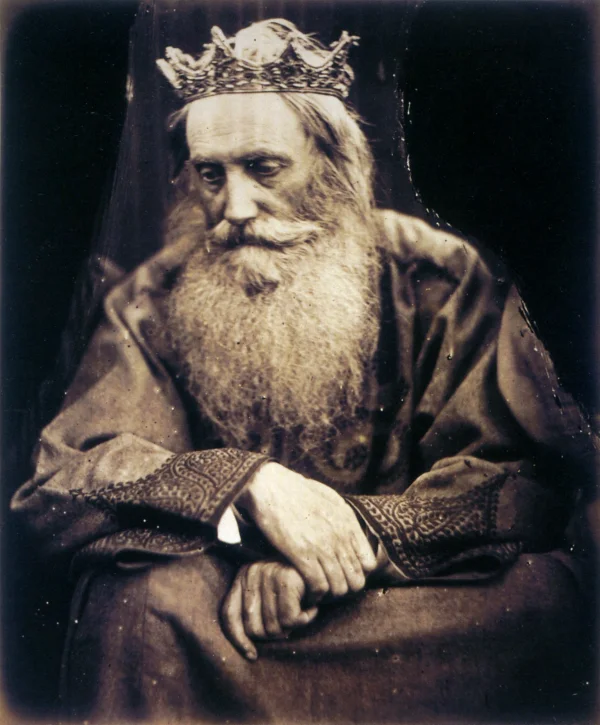
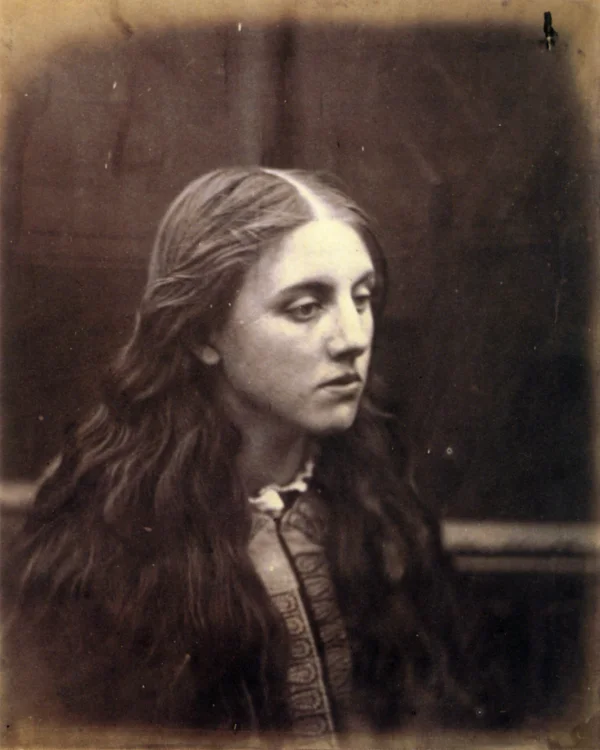
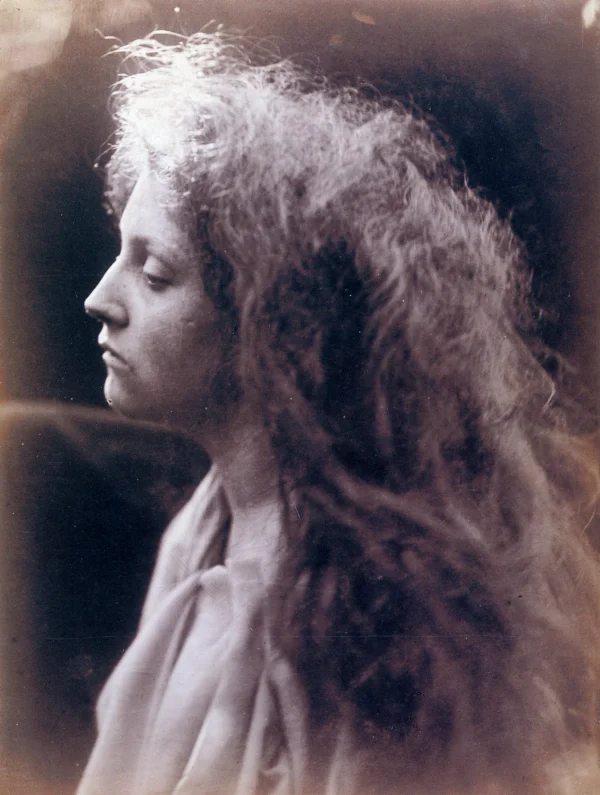
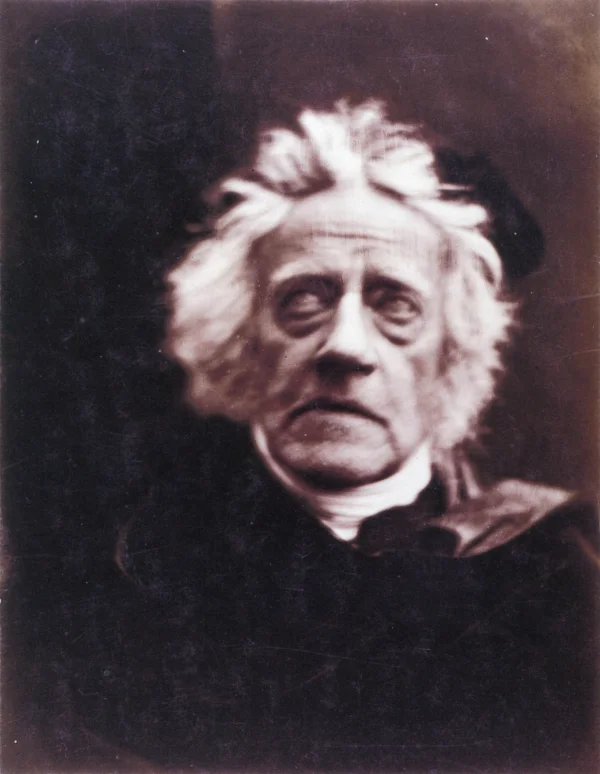
- Purposeful Blur: She utilized long exposures and shallow depth of field to create a soft, dreamlike quality. This was not a lack of technical skill, but a calculated choice to focus on emotional truth rather than photographic detail.
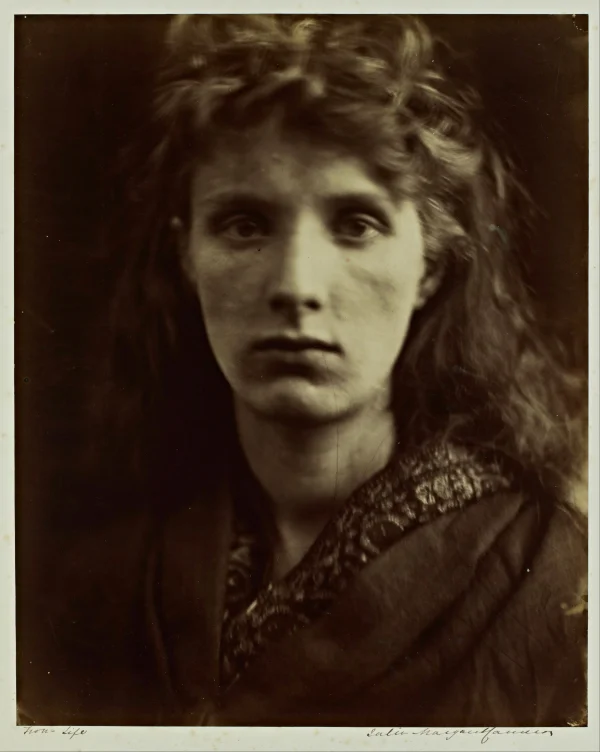
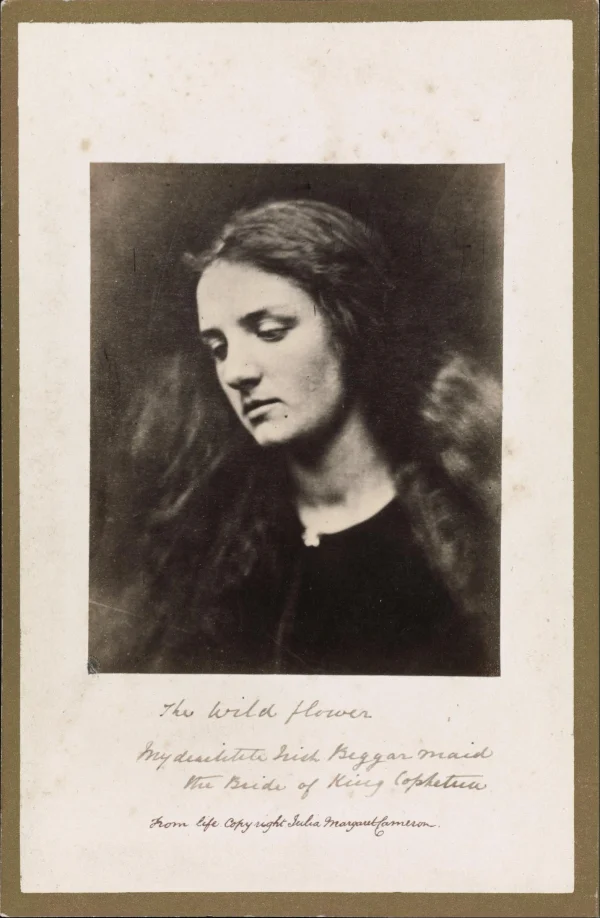
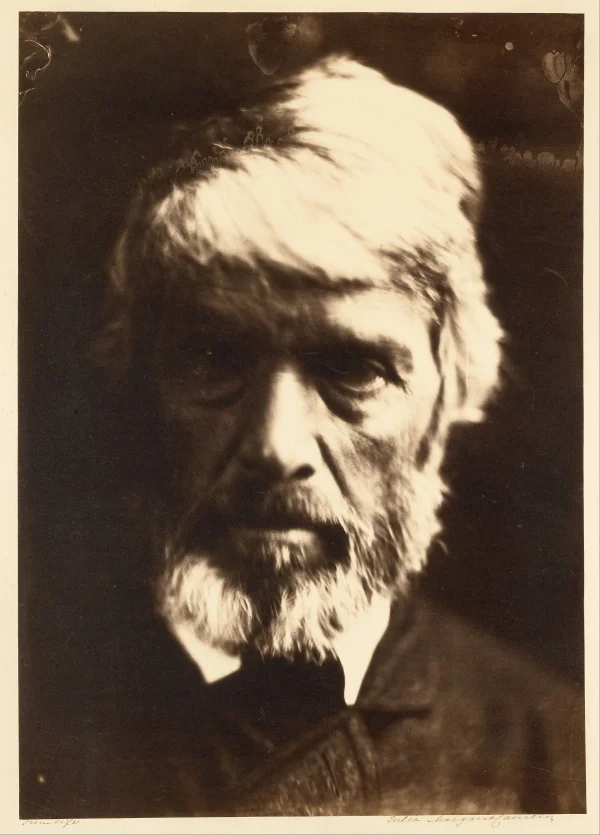
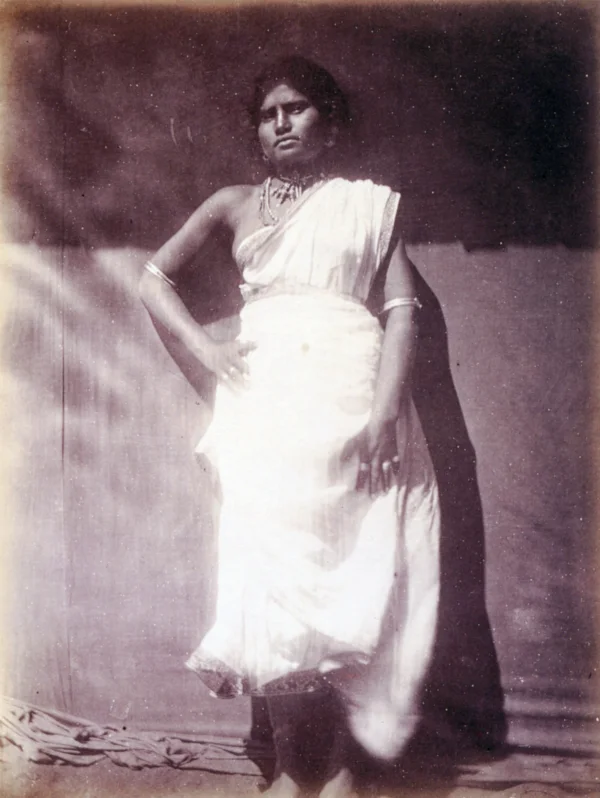
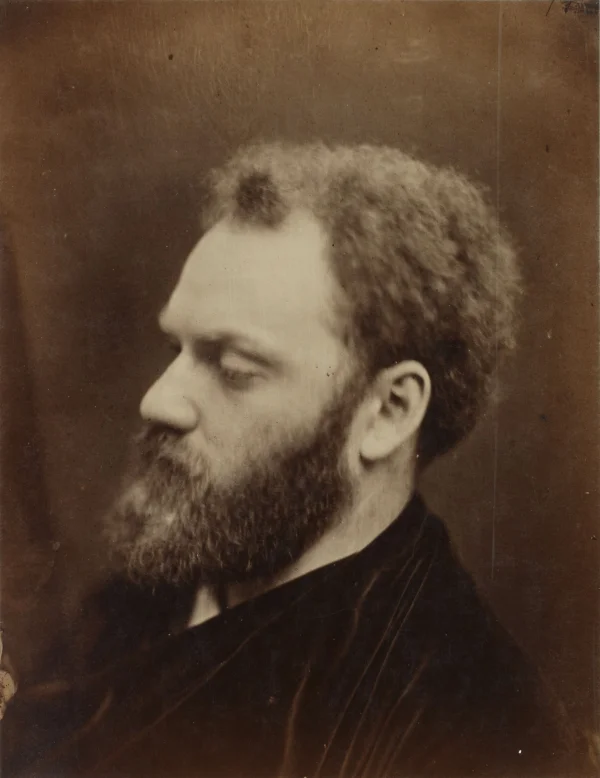
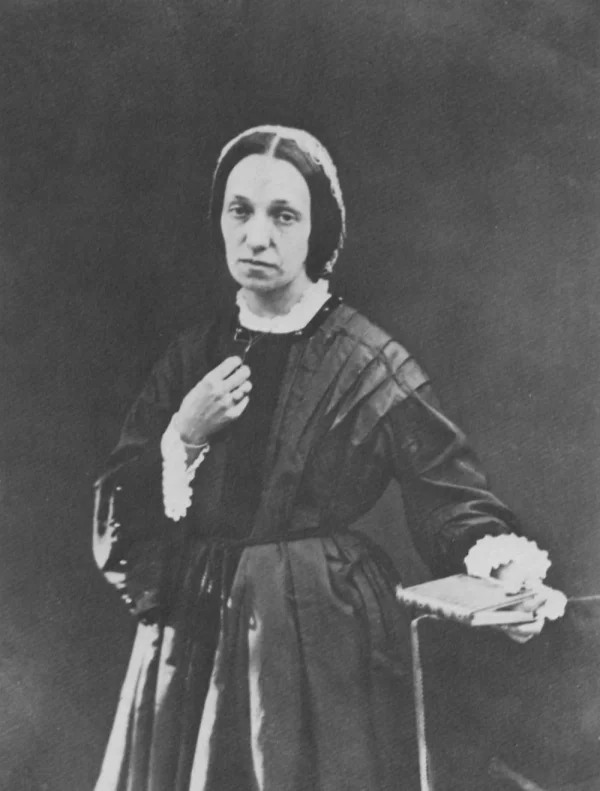
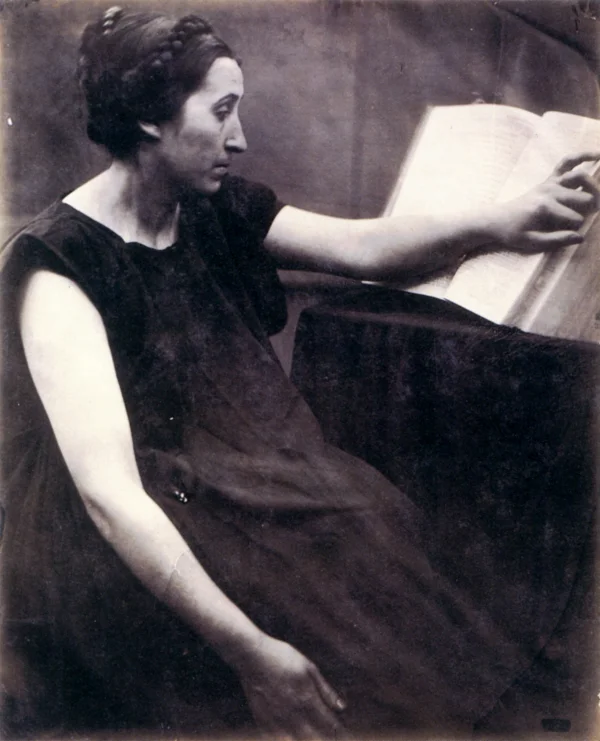
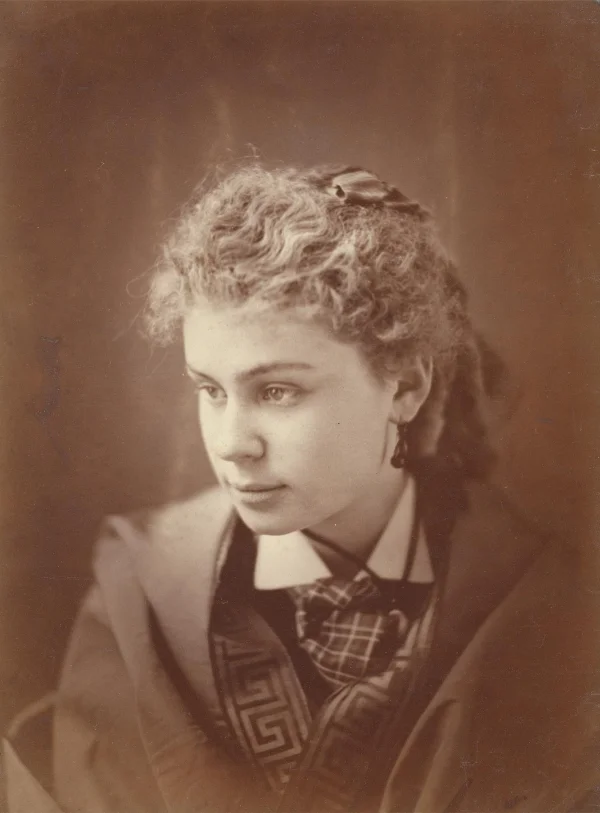
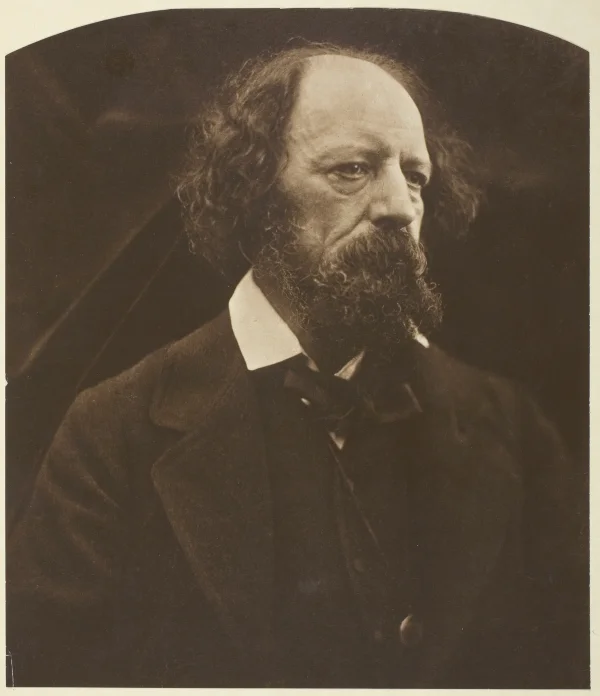
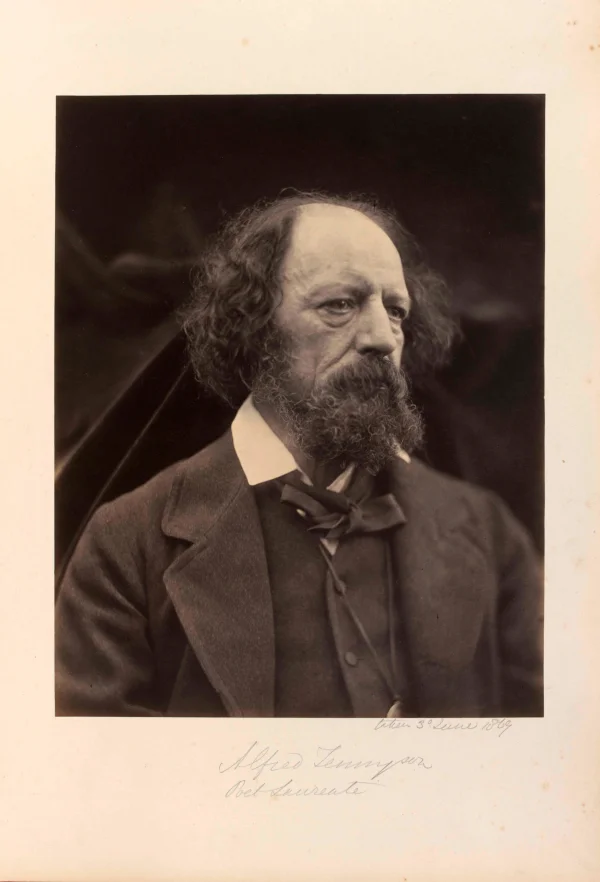
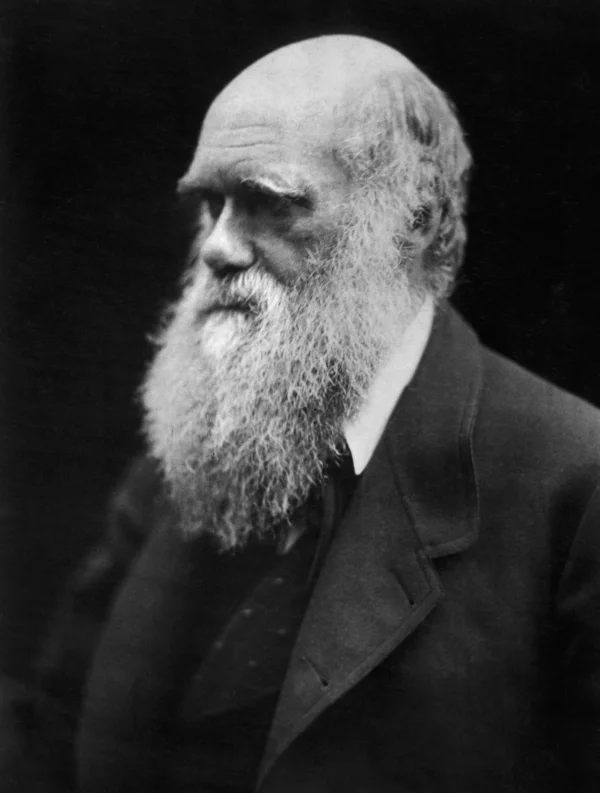
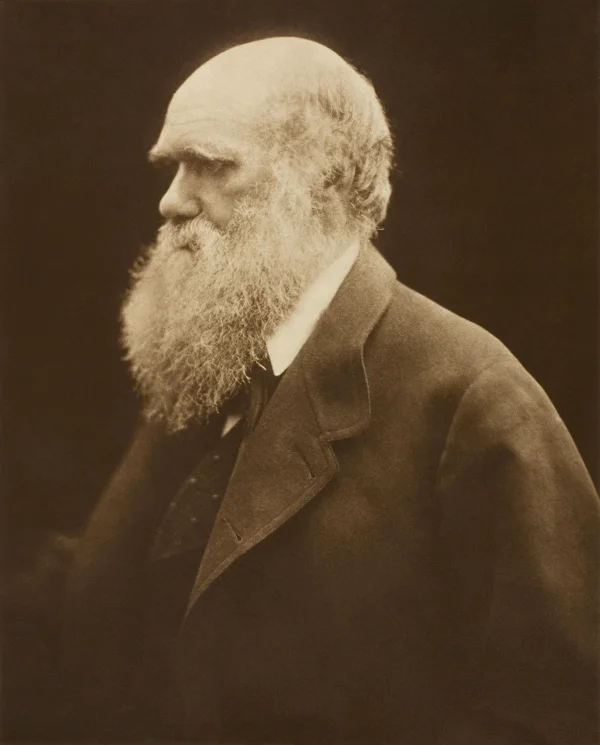
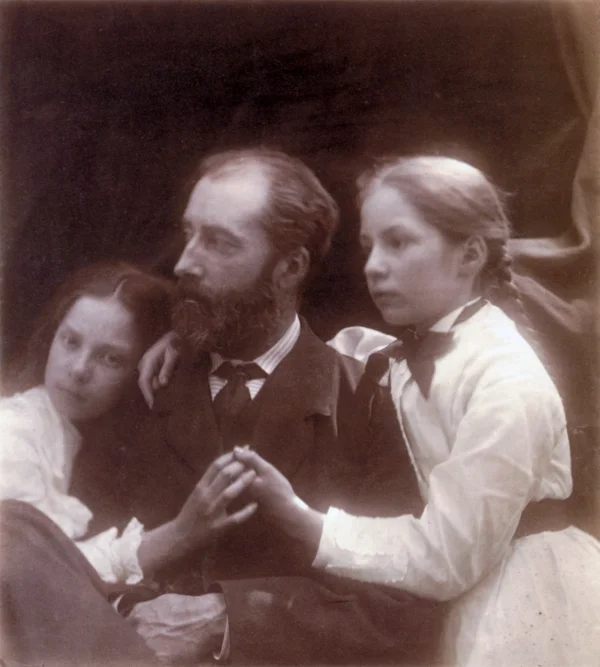
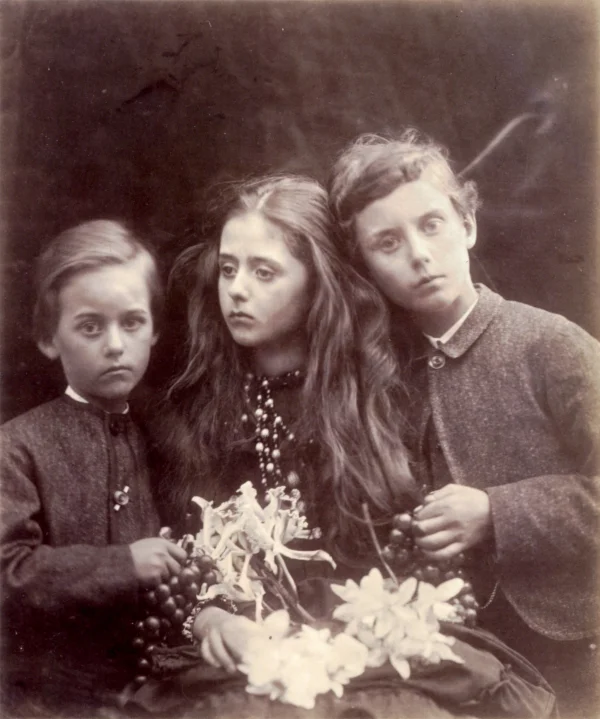
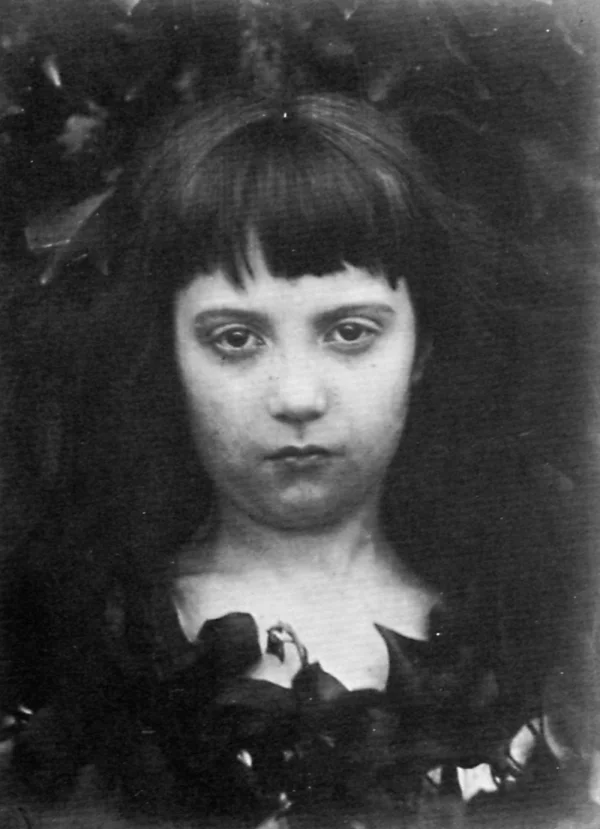
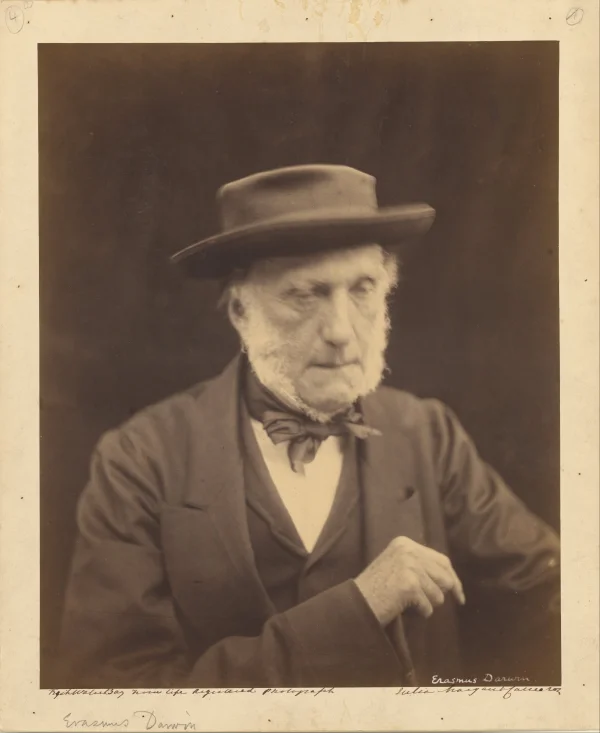
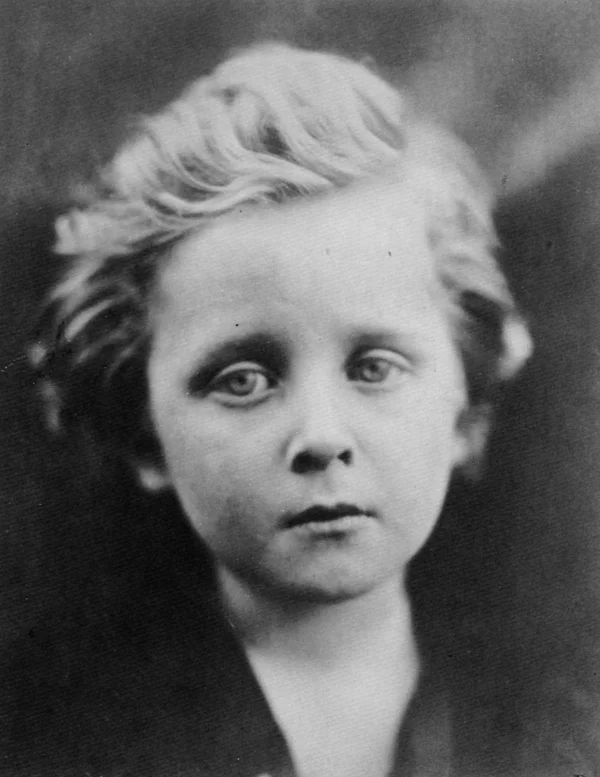
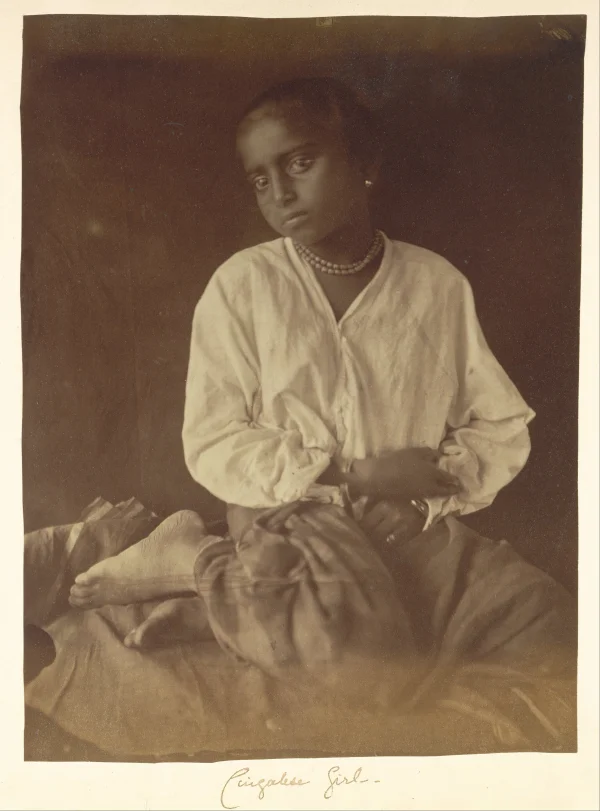
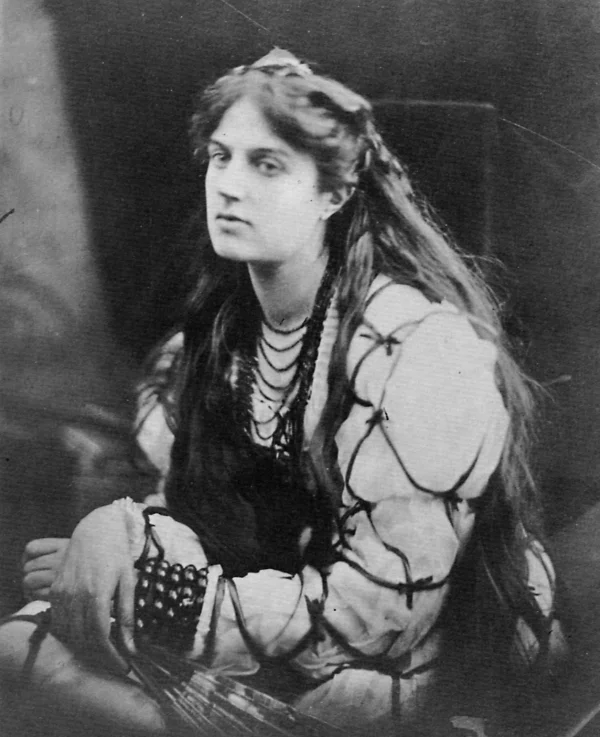
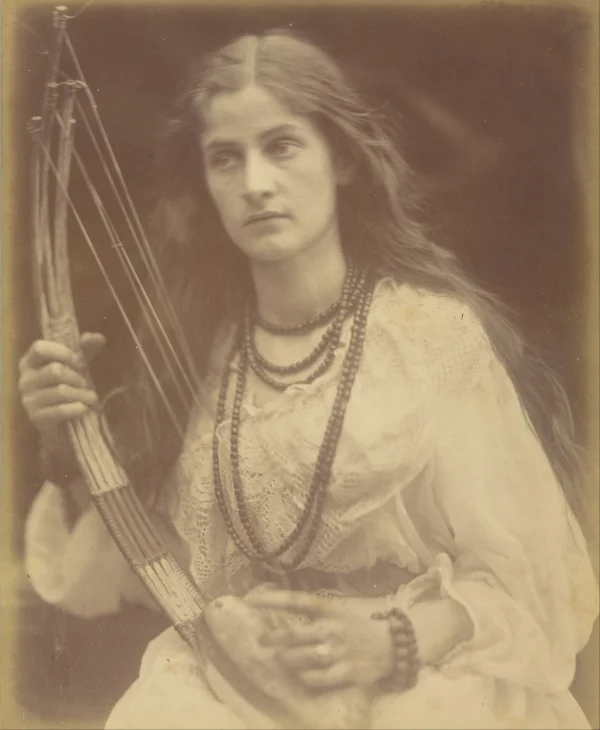
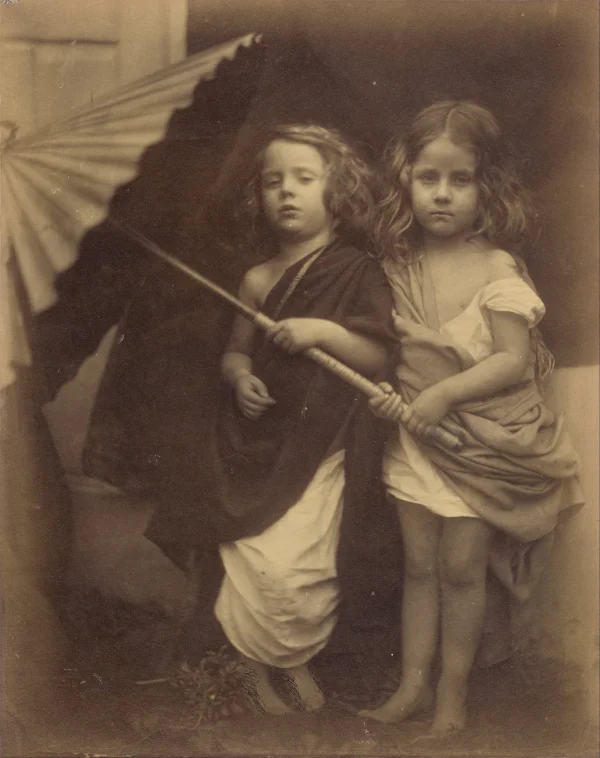
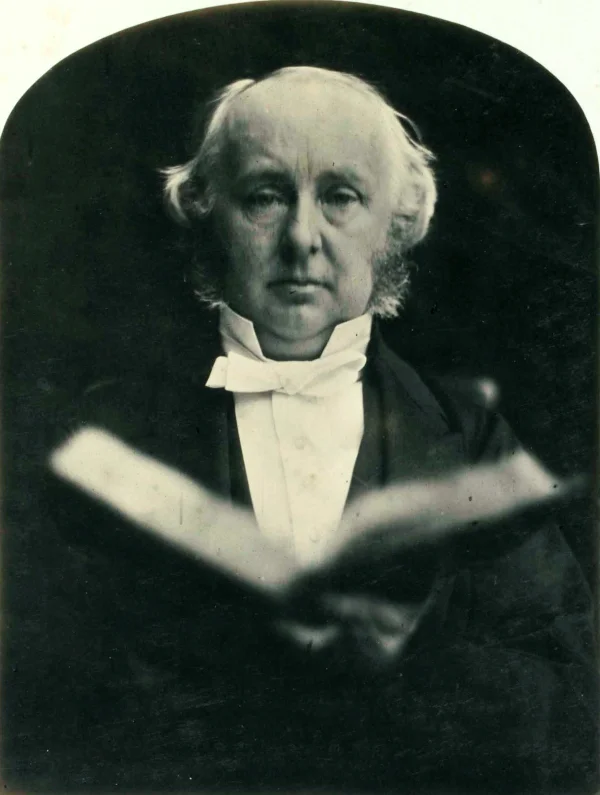
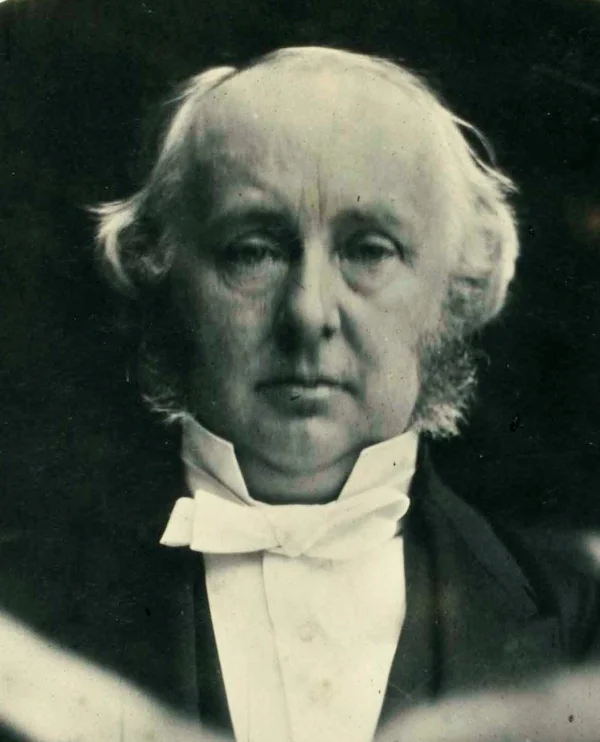
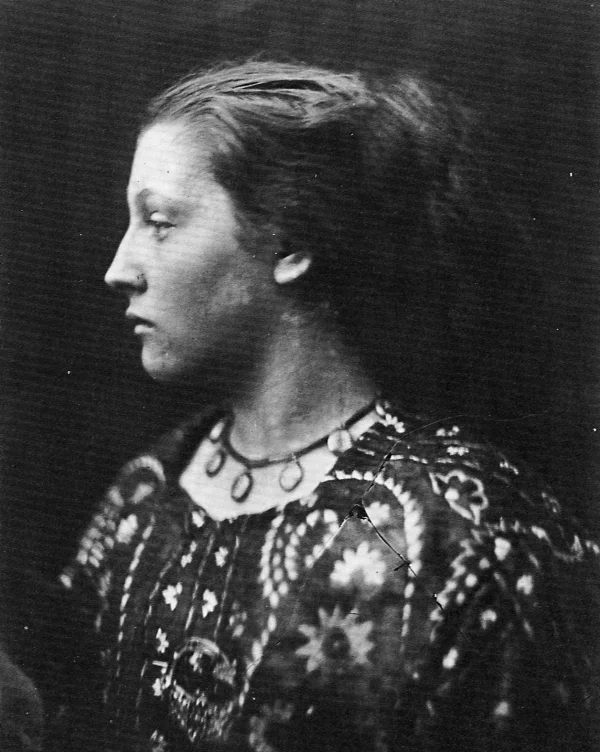
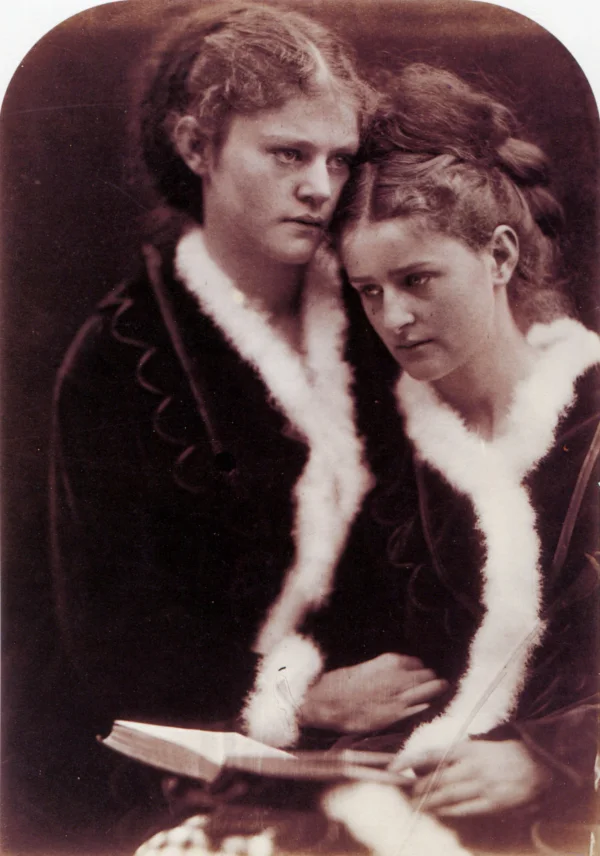
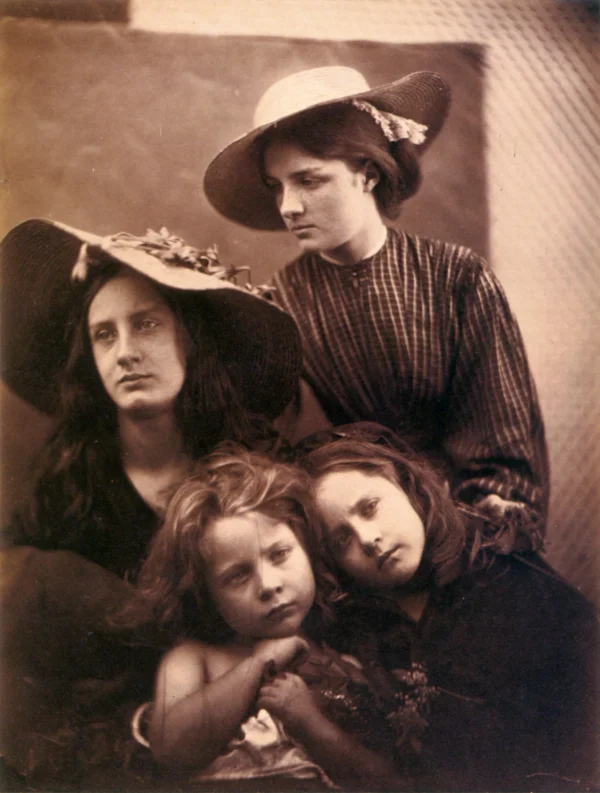
- Intimacy and Presence: Her portraits—often of intellectuals, family members, and friends—are characterized by an intense, direct gaze that feels startlingly modern, even by today’s standards.
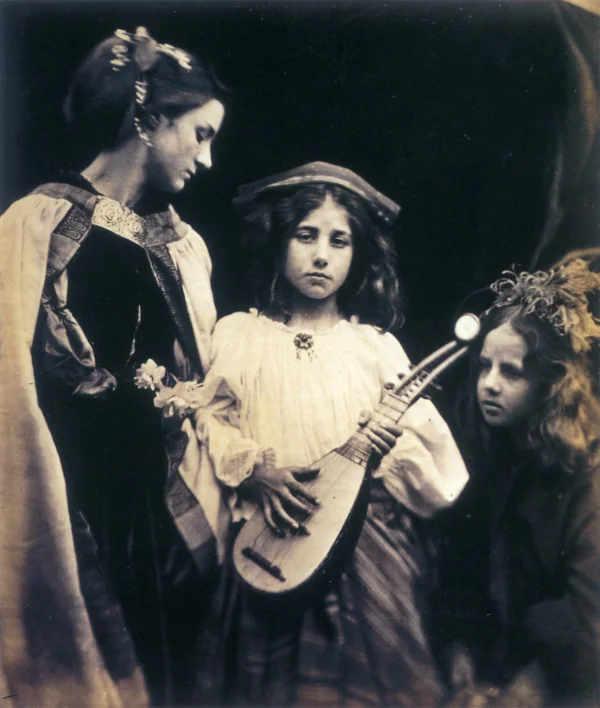
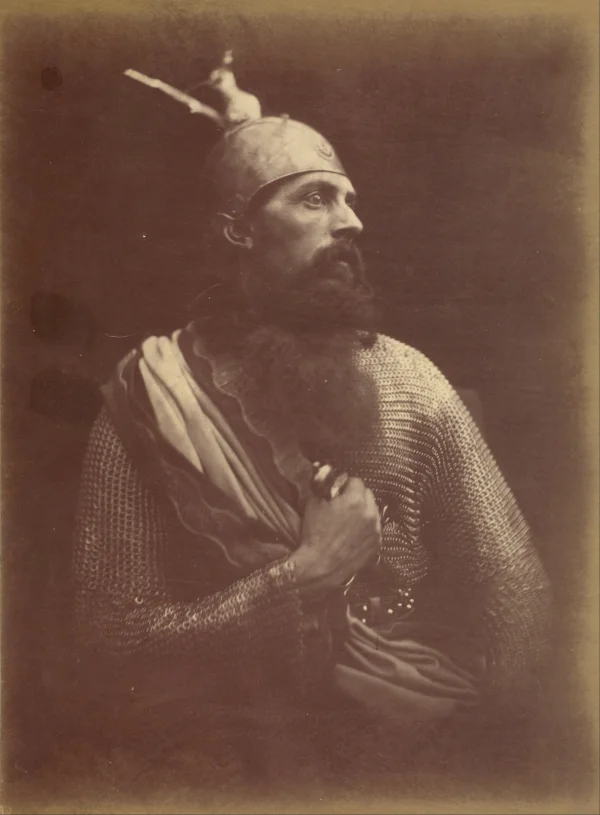
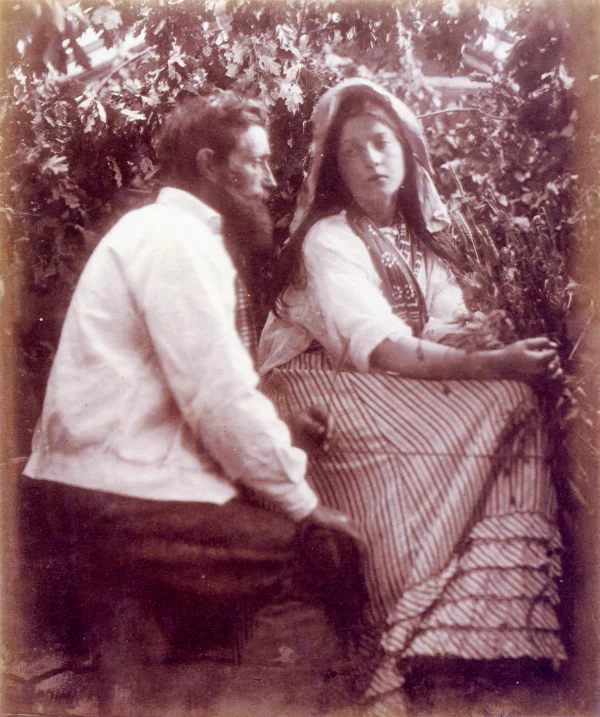
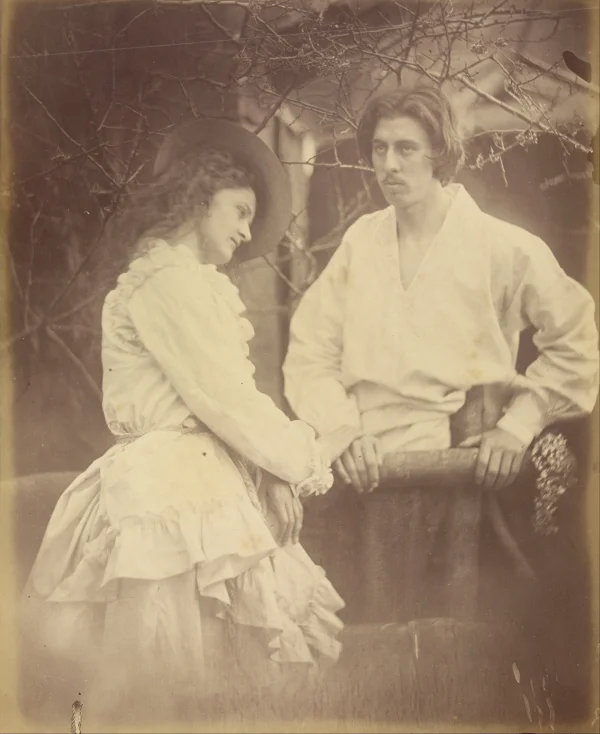
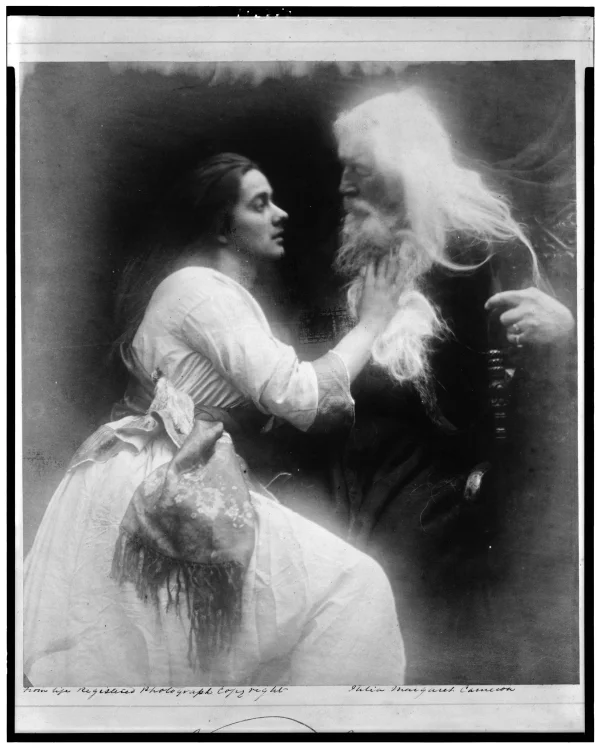
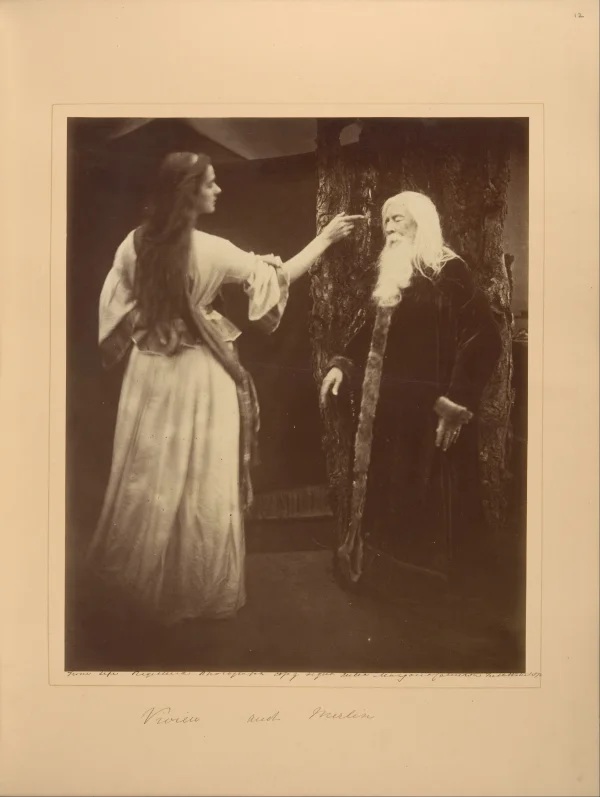
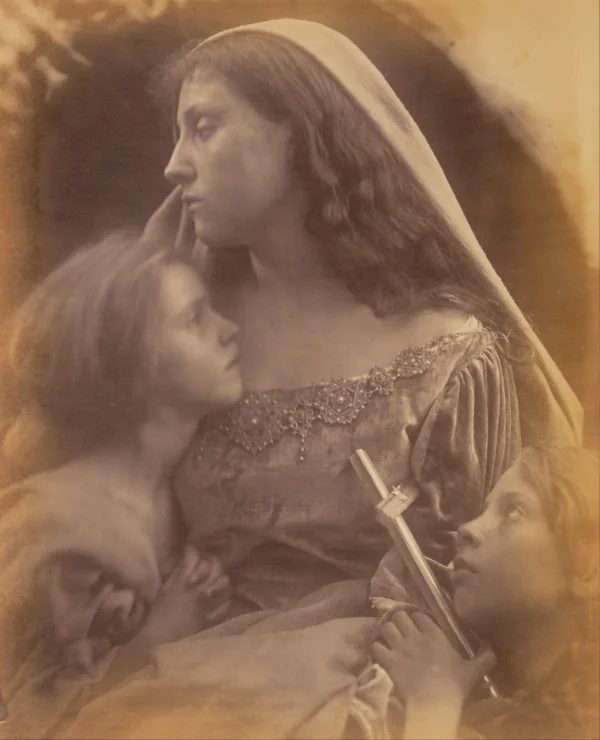
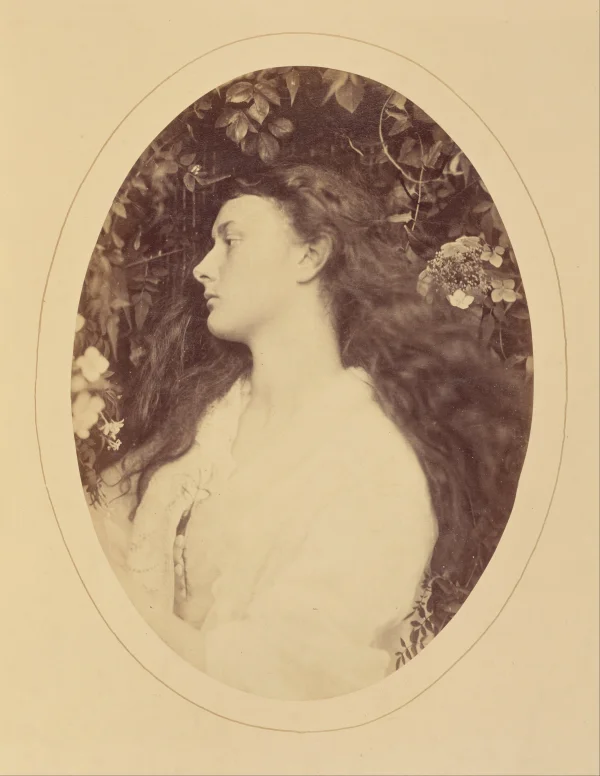
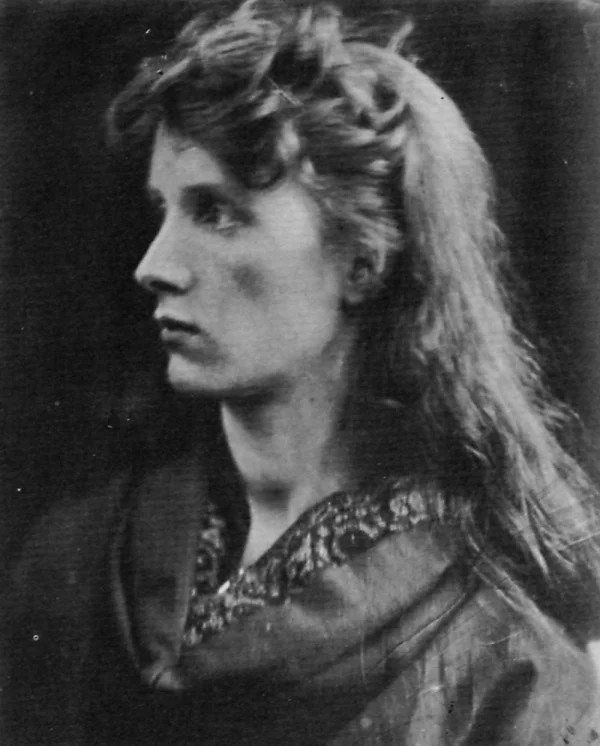
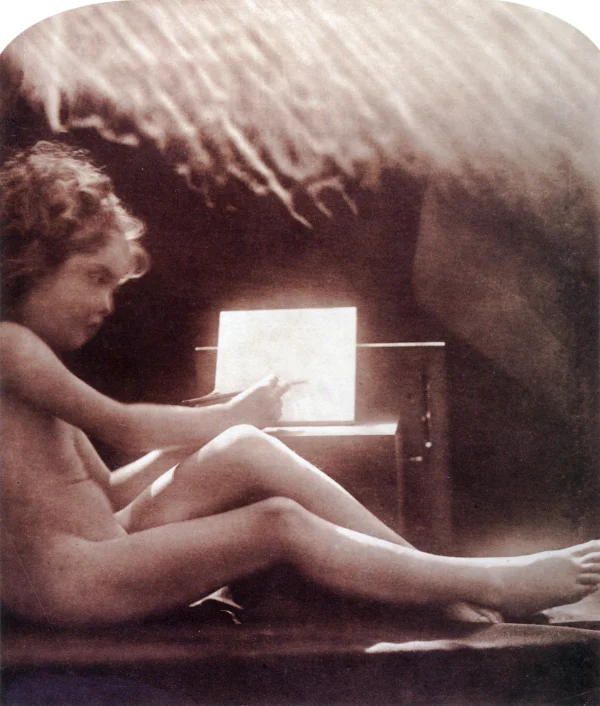
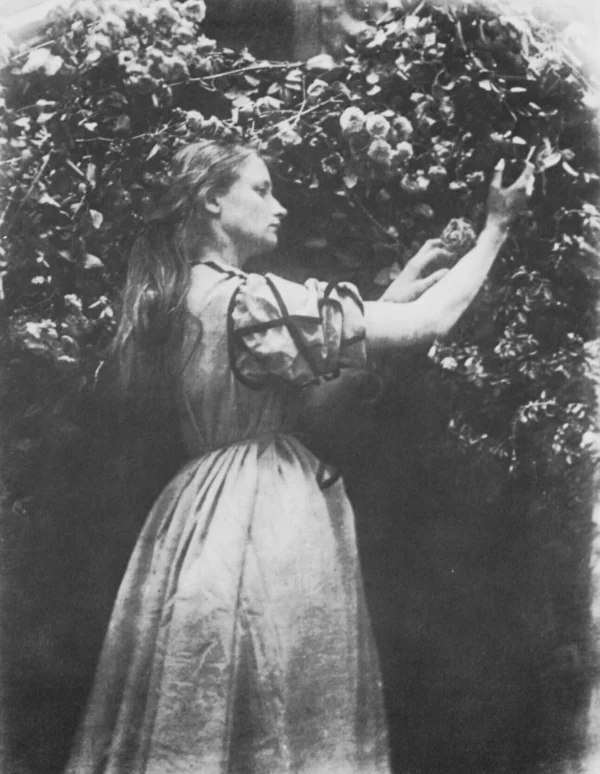
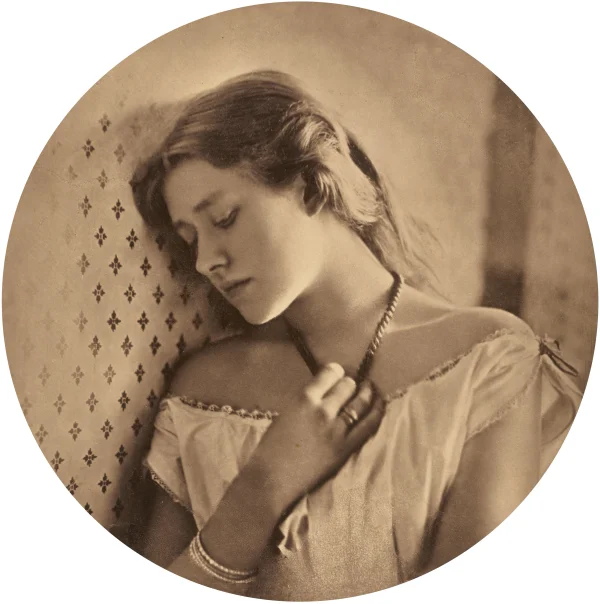
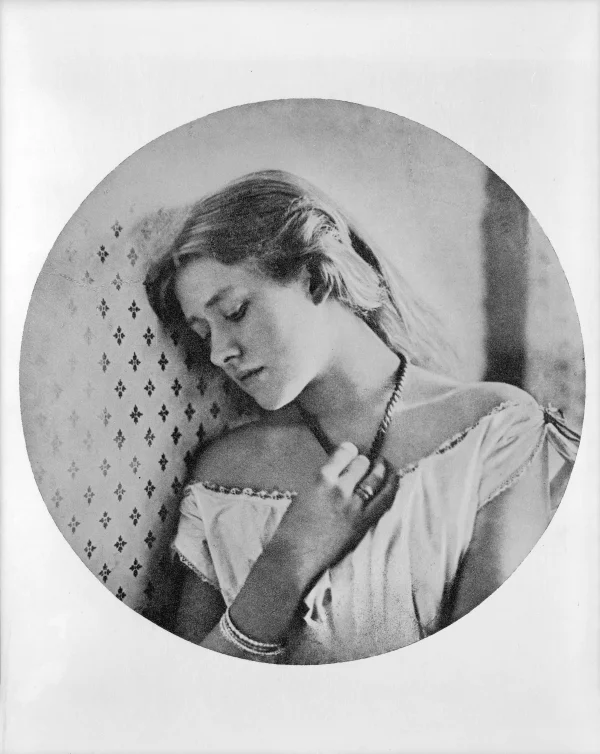
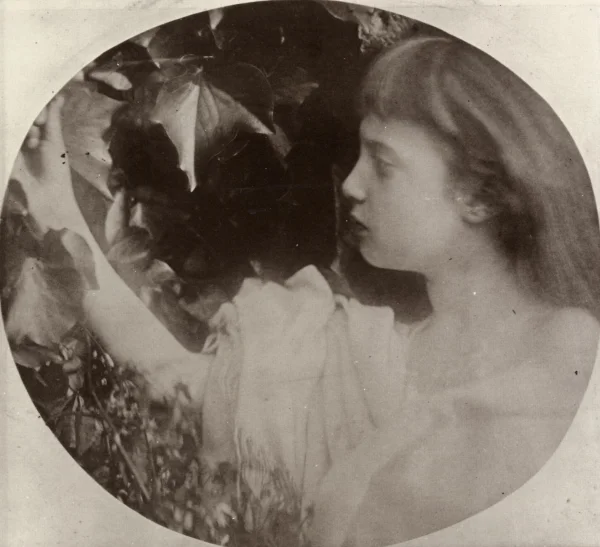
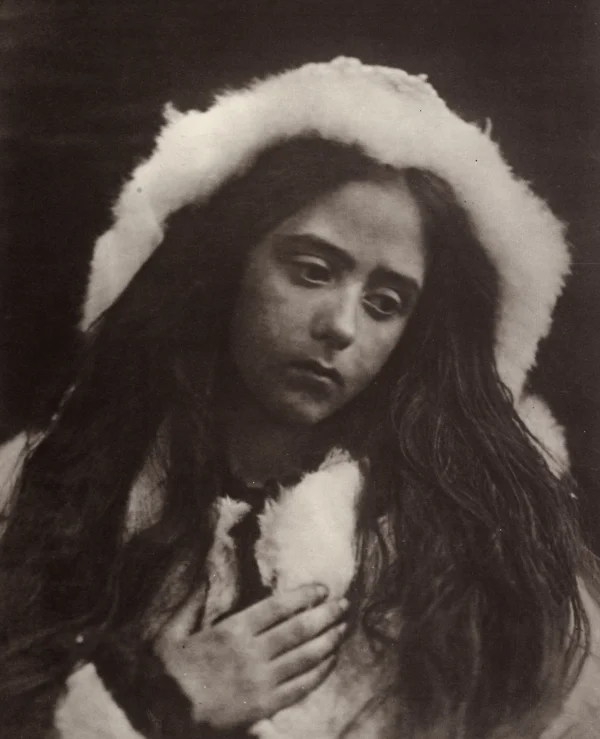
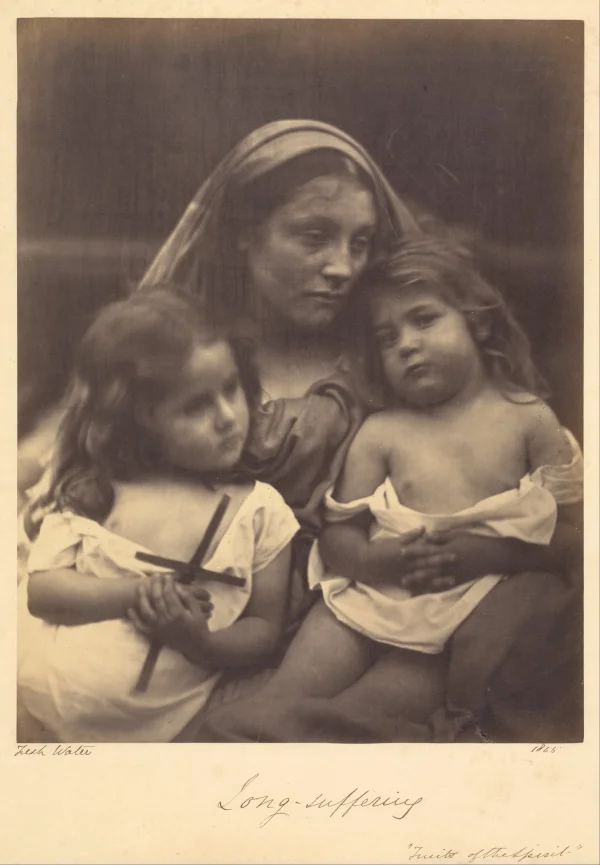
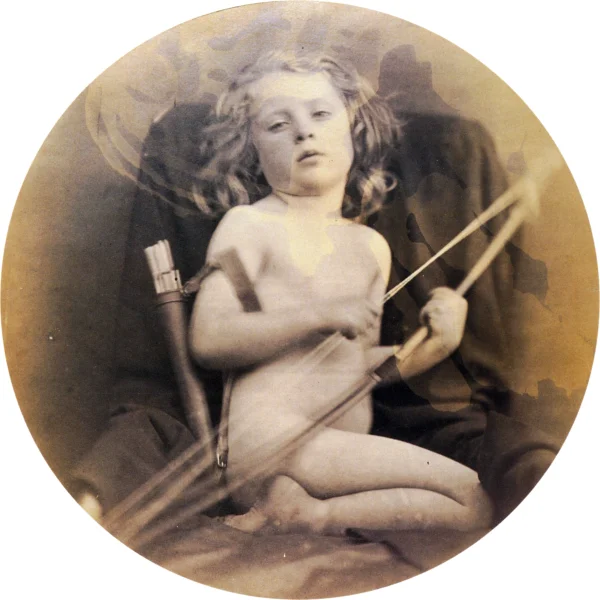
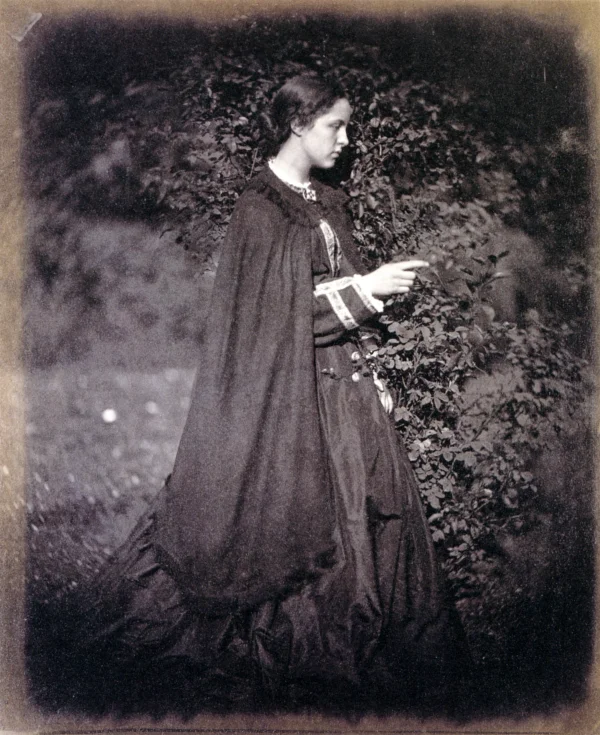
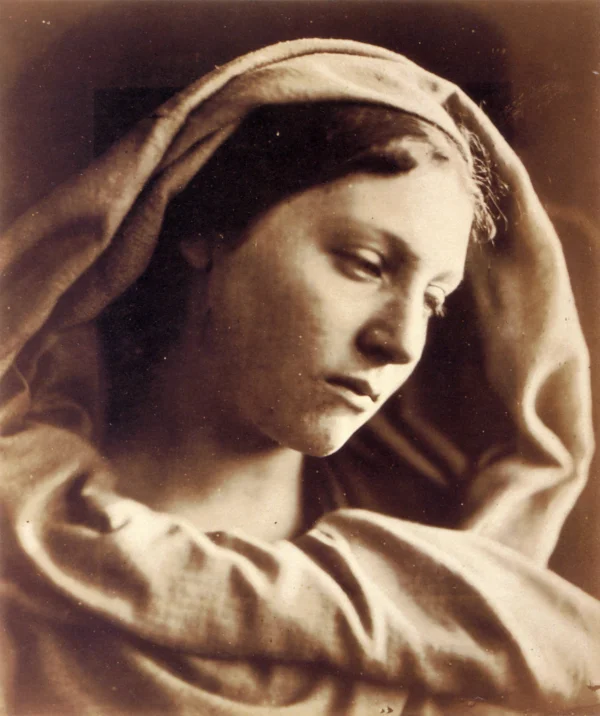
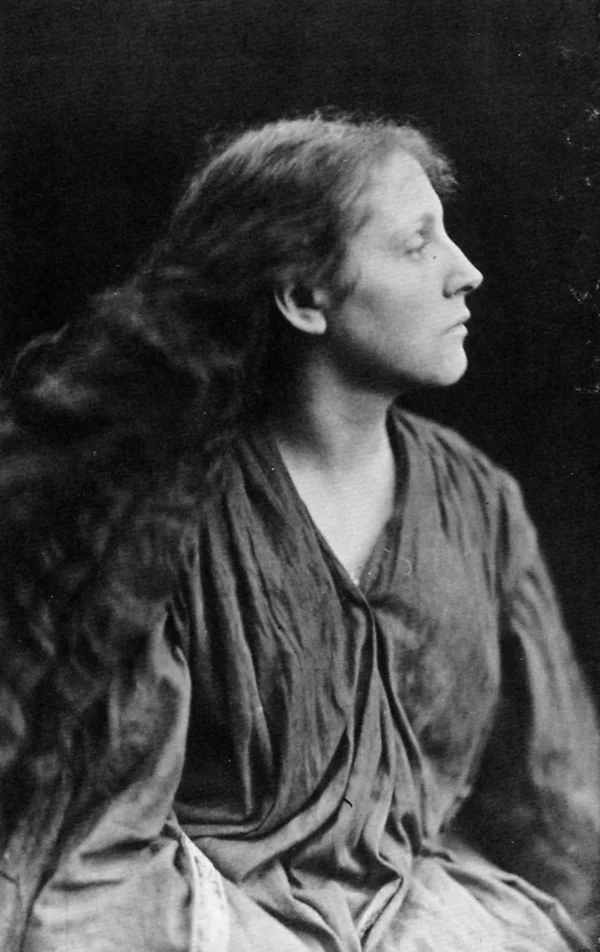
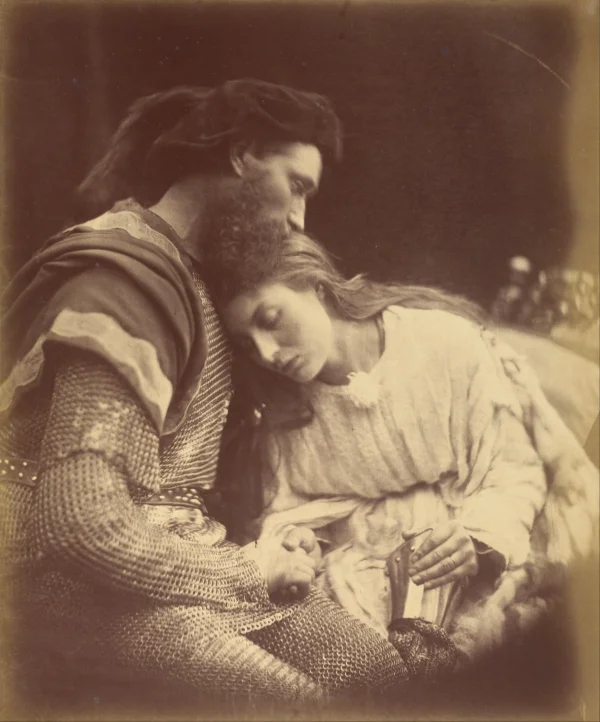
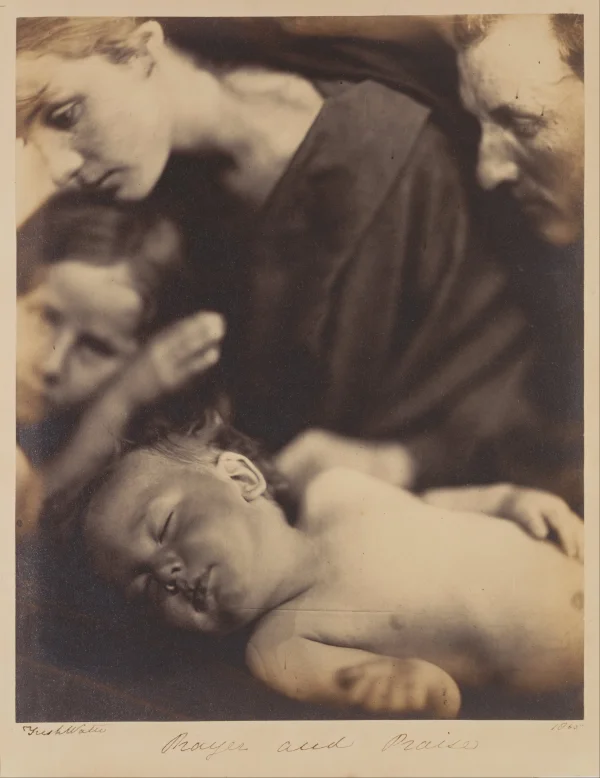
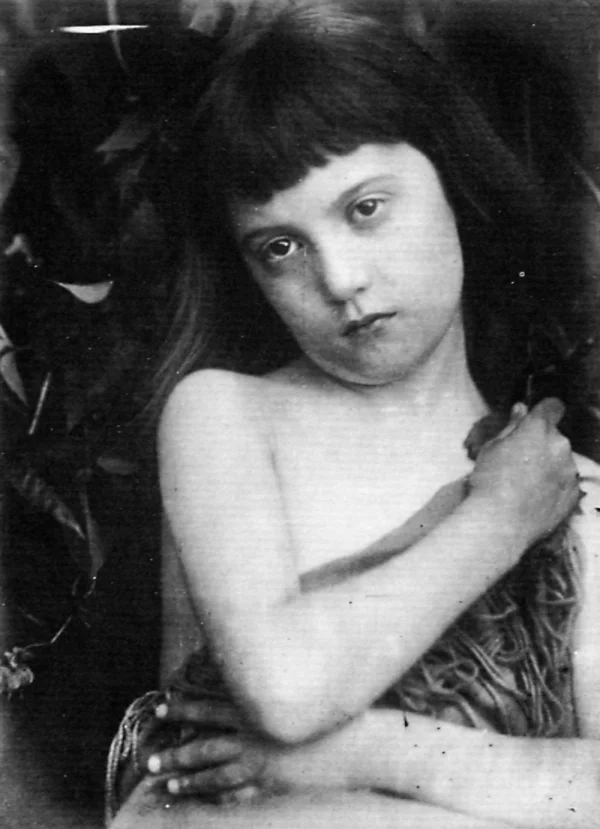
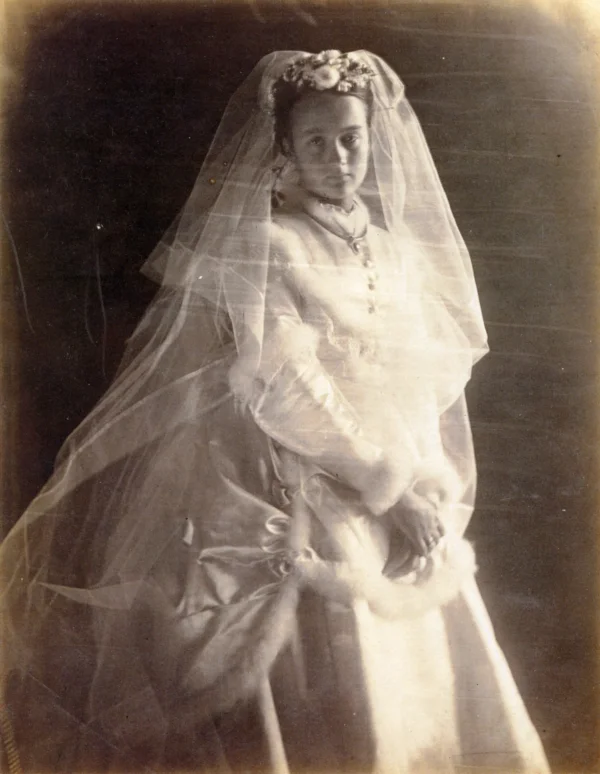
- Pre-Raphaelite Influence: Her work is closely linked to the Pre-Raphaelite movement in painting. She drew inspiration from their love of narrative, allegory, and symbolic light, effectively translating the movement's romantic aesthetic into photography.
Key Contributions to the Medium
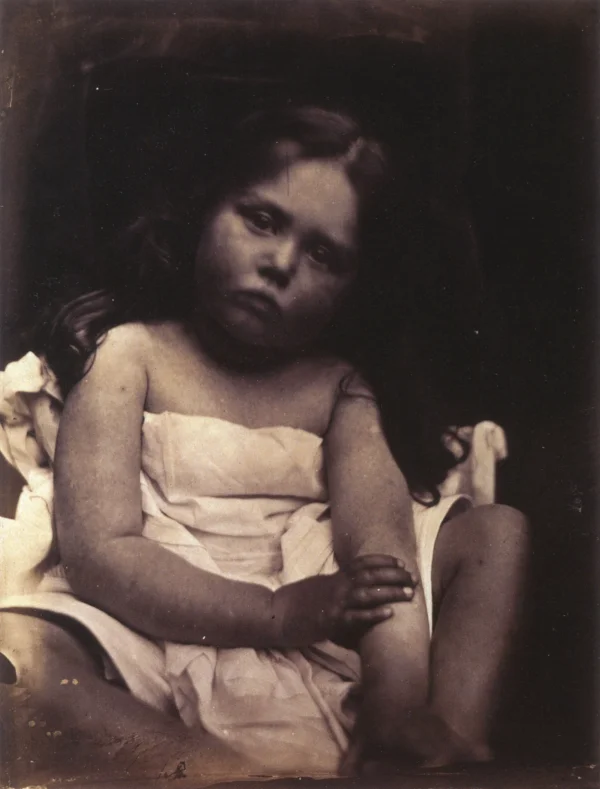
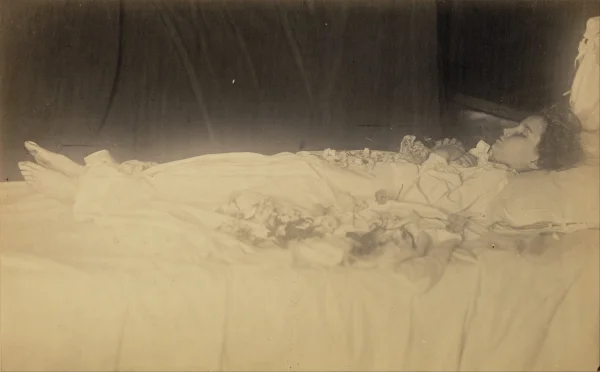
- Psychological Portraiture: She is recognized as one of the first photographers to capture a "candid" sense of spirit, focusing on the character behind the face.
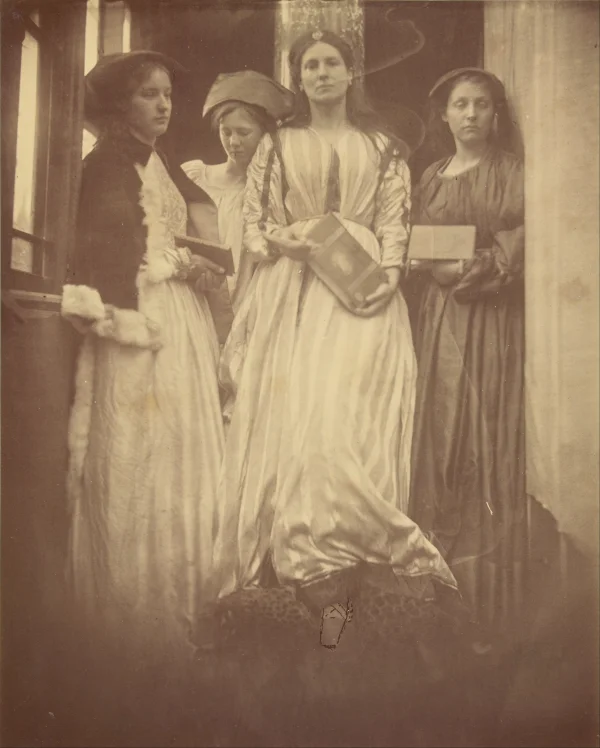
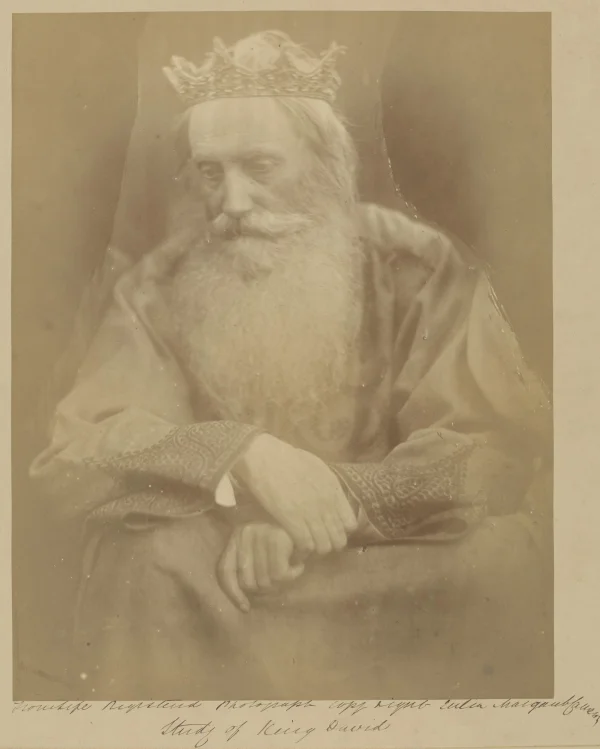
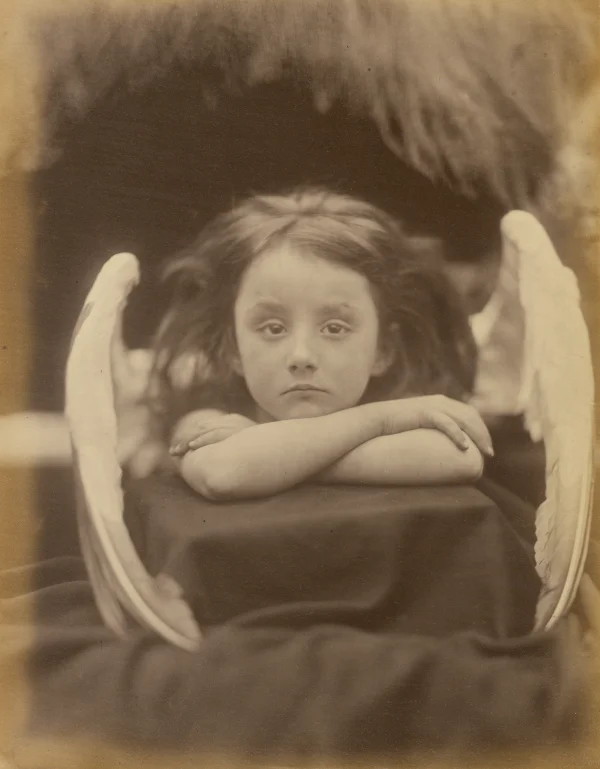
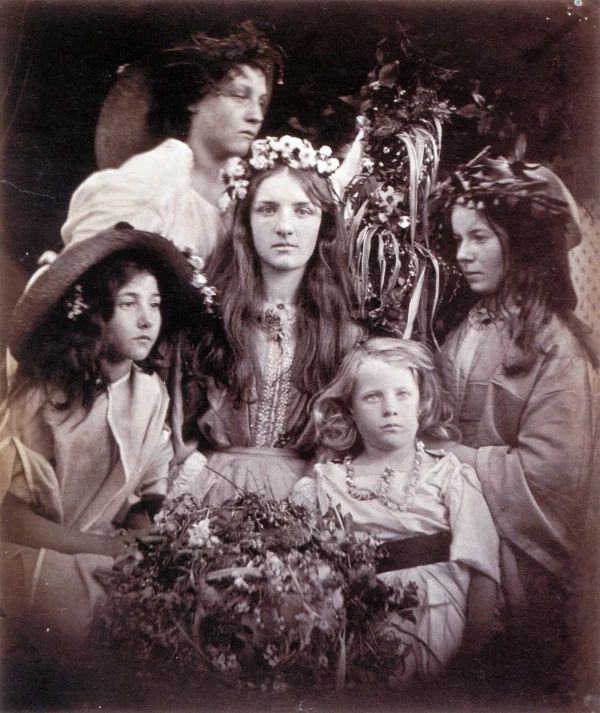
- Allegorical Storytelling: Cameron often staged elaborate "tableaux vivants" (living pictures), recreating scenes from mythology and literature. This proved that photography could be a narrative art form capable of storytelling beyond mere documentation.
Julia Margaret Cameron’s legacy is defined by her audacity. She ignored the professional rules of the Victorian era to pursue an aesthetic of feeling, creating a body of work that remains among the most emotionally resonant in the history of the medium.