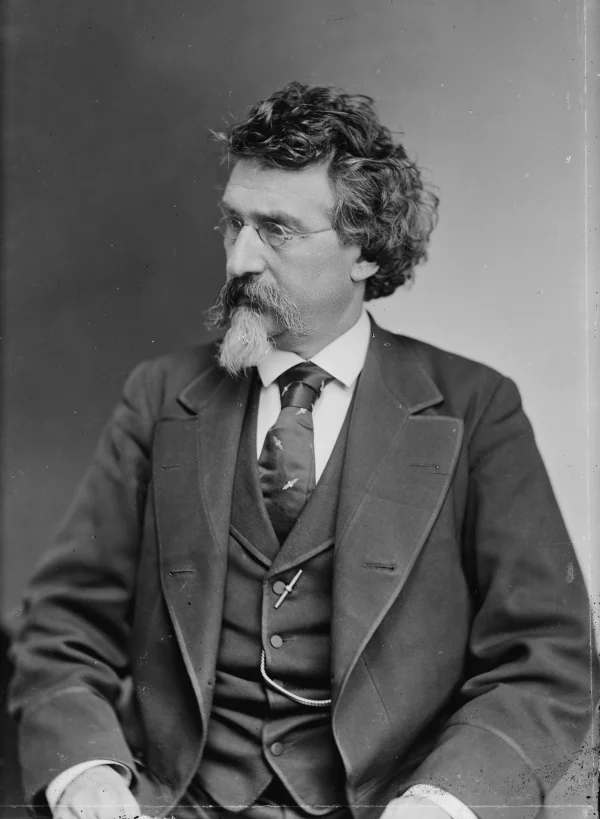
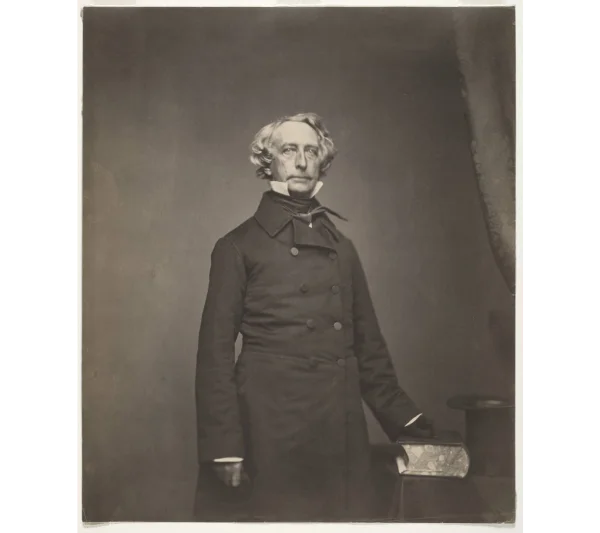
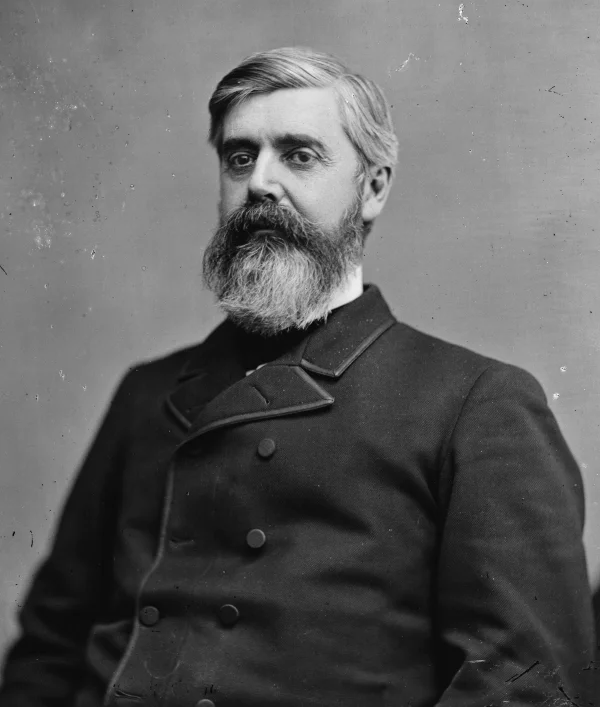
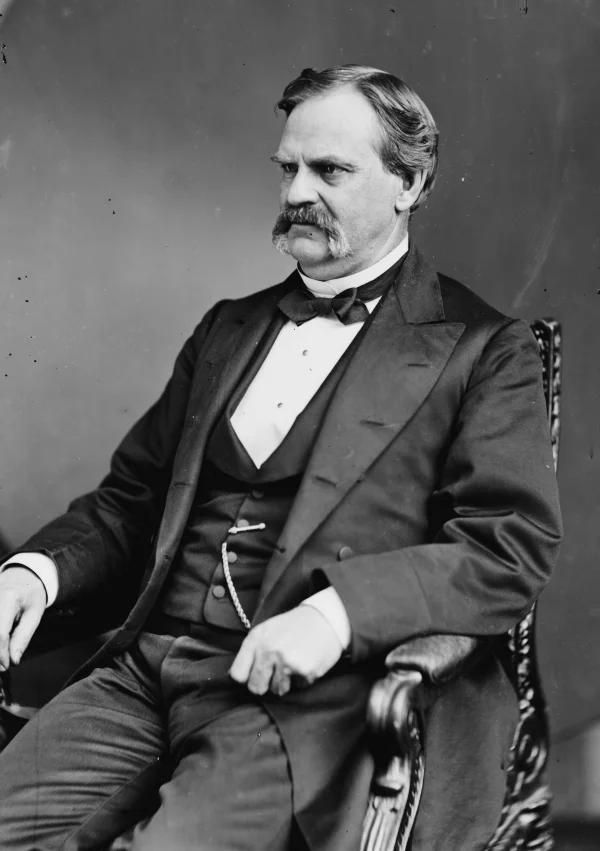
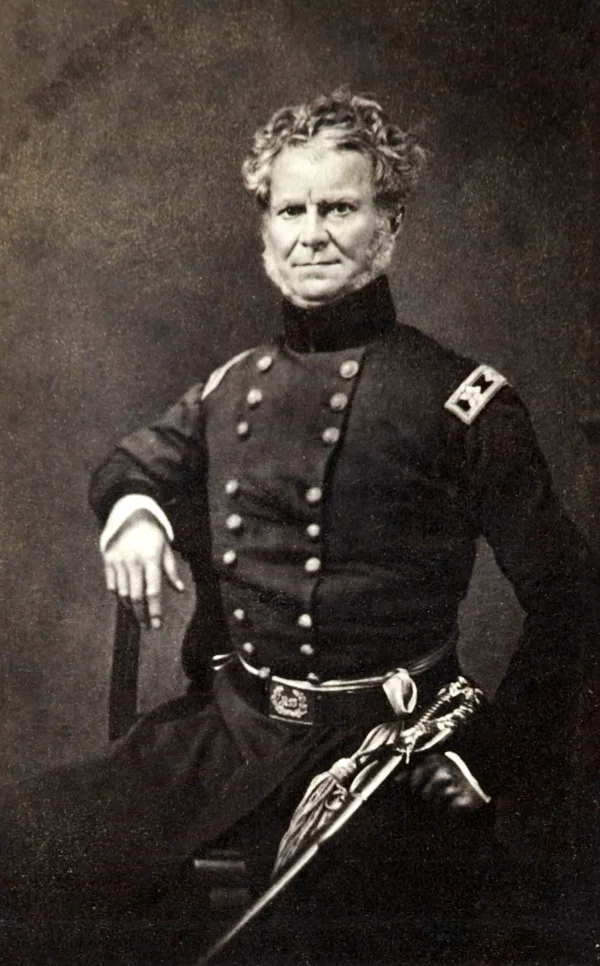
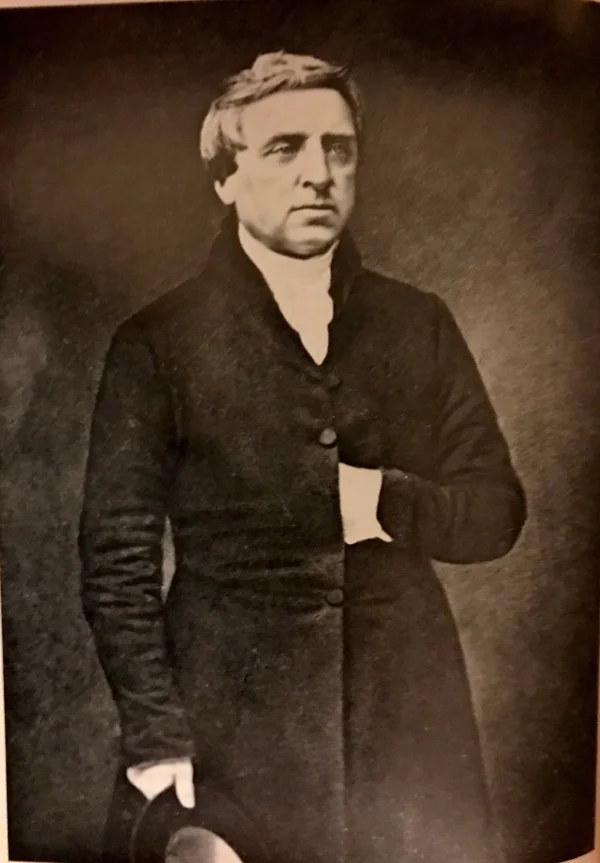
Biography:
Early Training & Portraiture
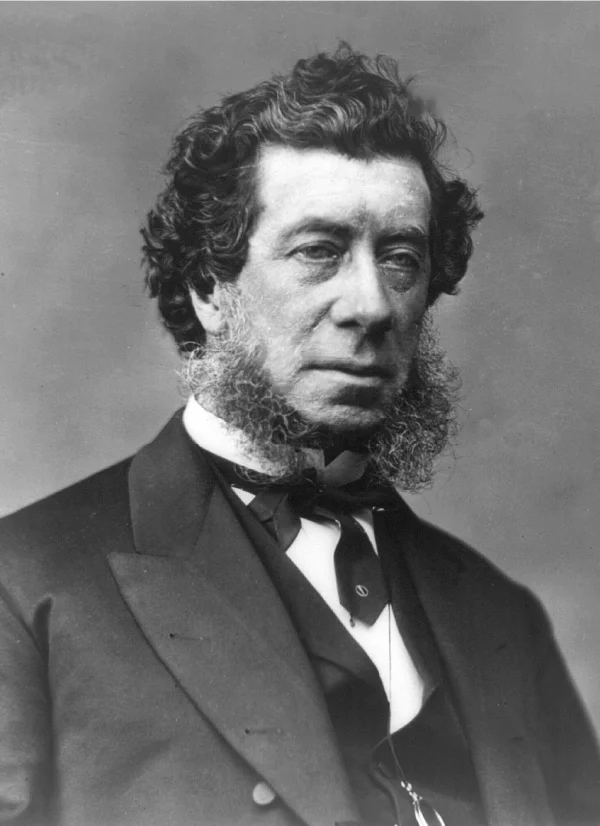
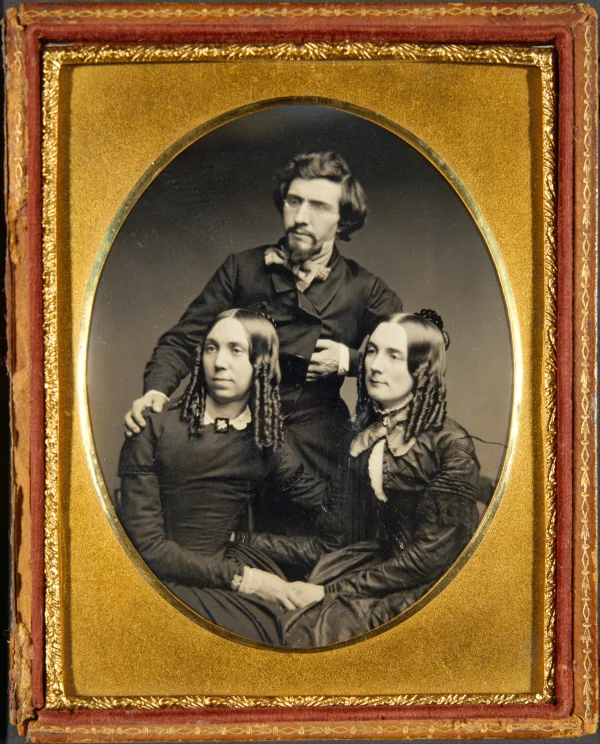
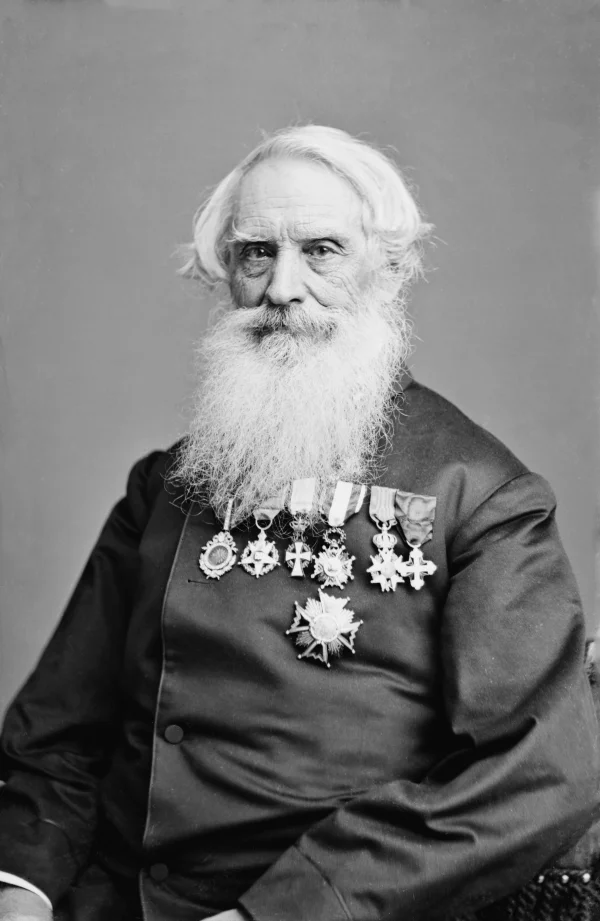
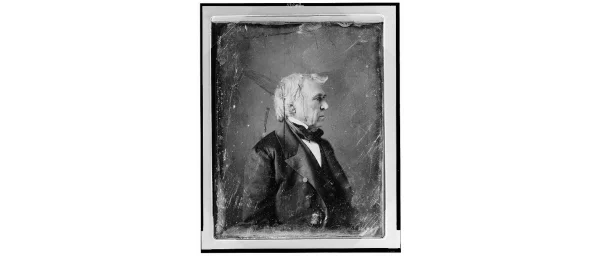
Brady’s foundation was built under the tutelage of Samuel F. B. Morse, the pioneer who introduced the daguerreotype technique to America.
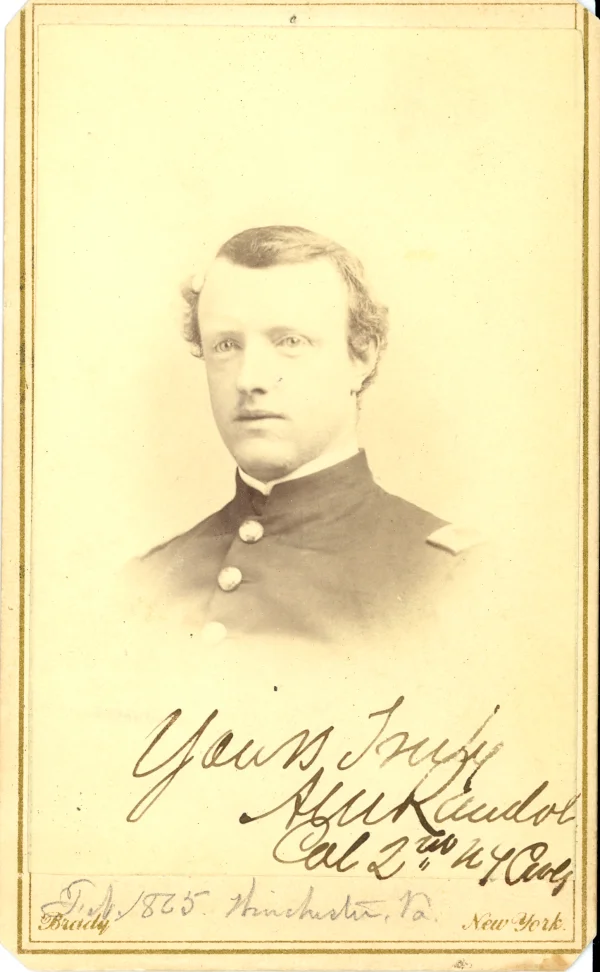
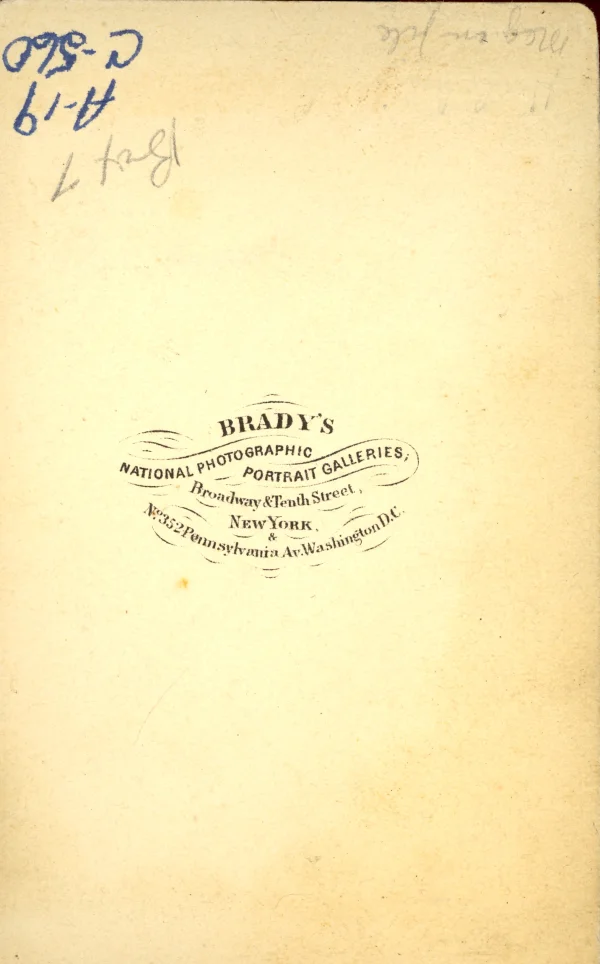
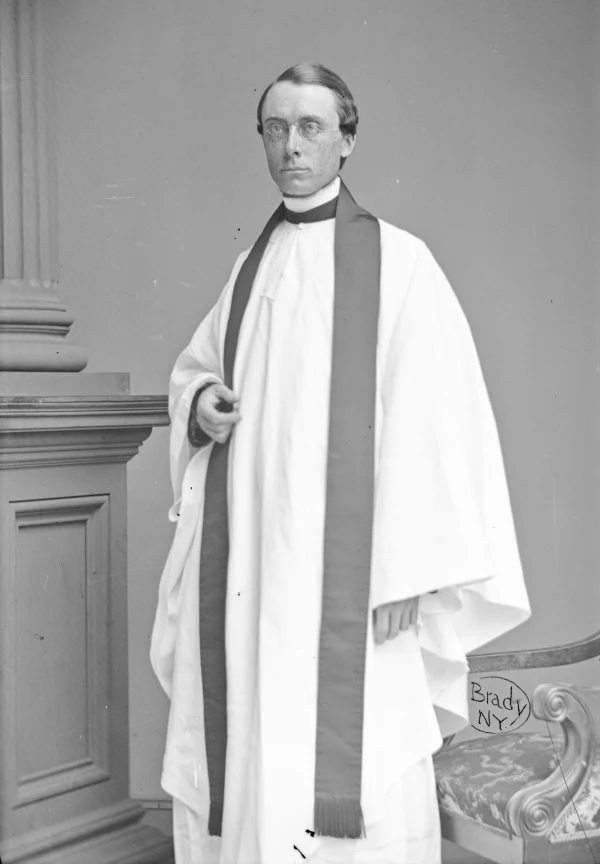
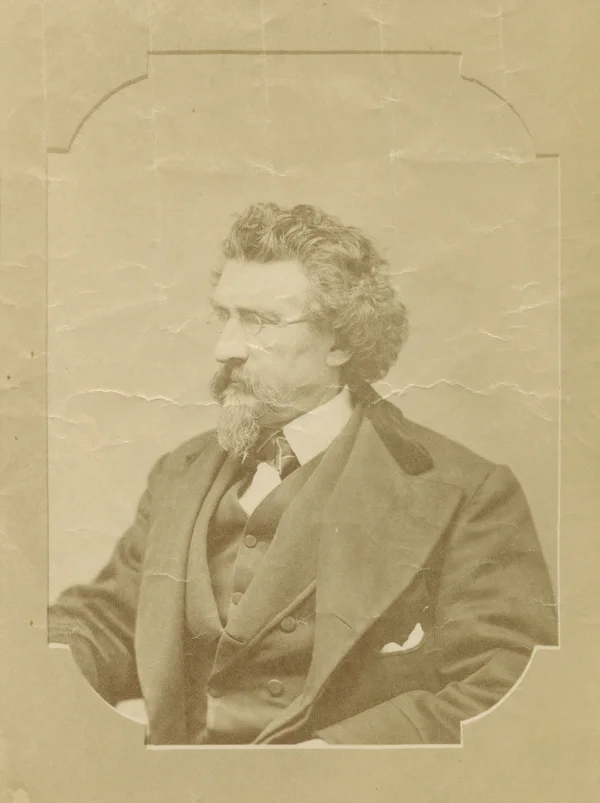
- 1844: Opened his own studio in New York City, quickly becoming the premier portraitist of his era.
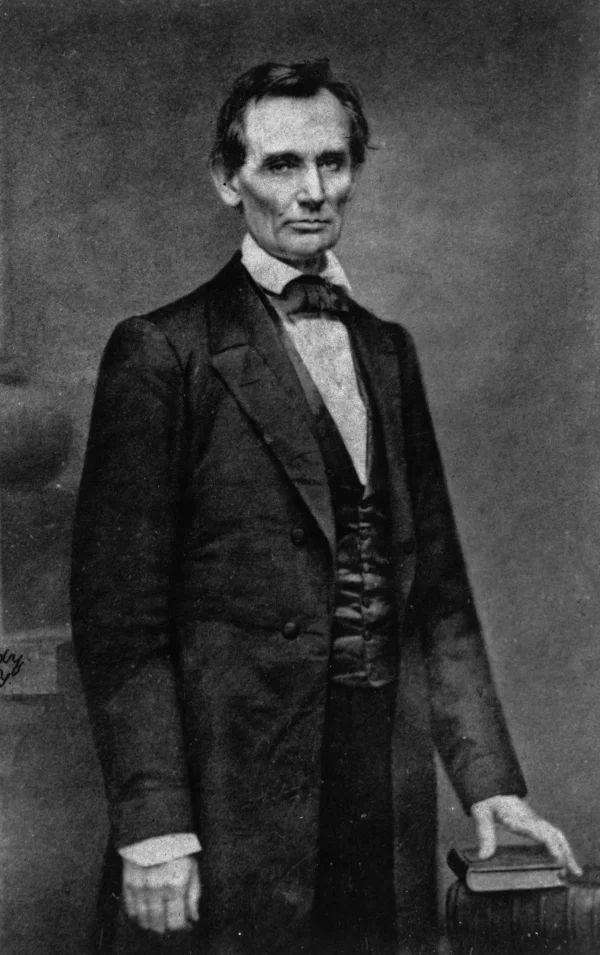
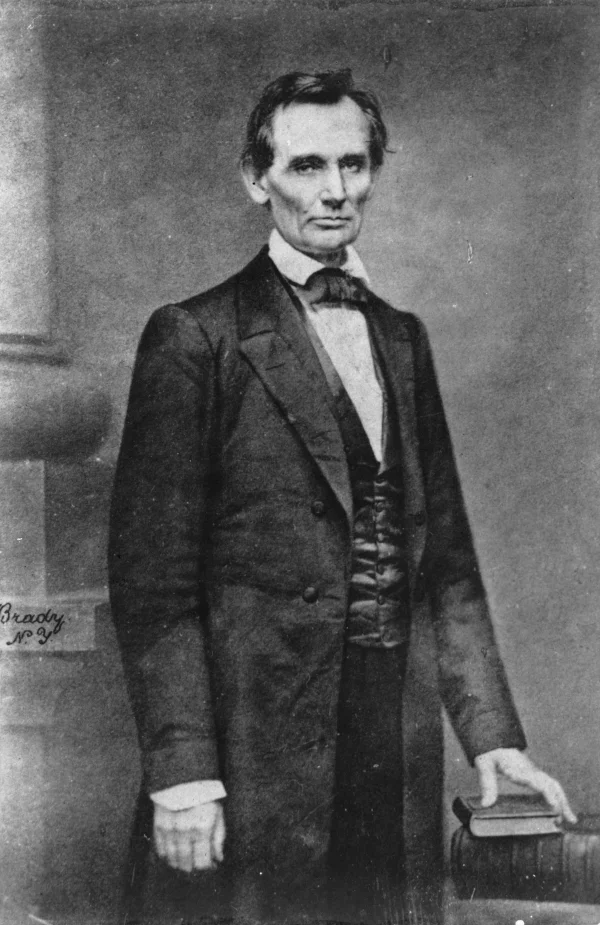
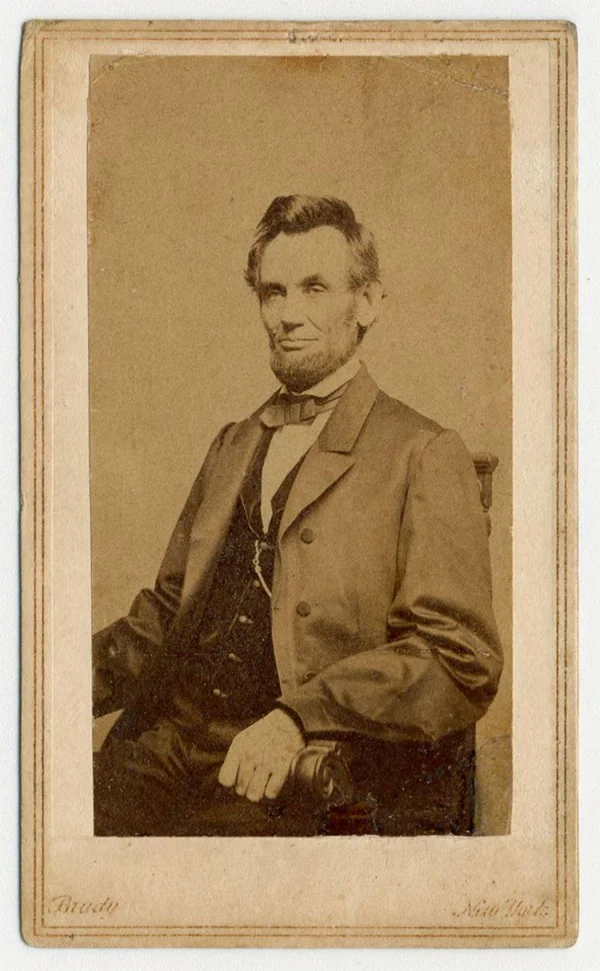
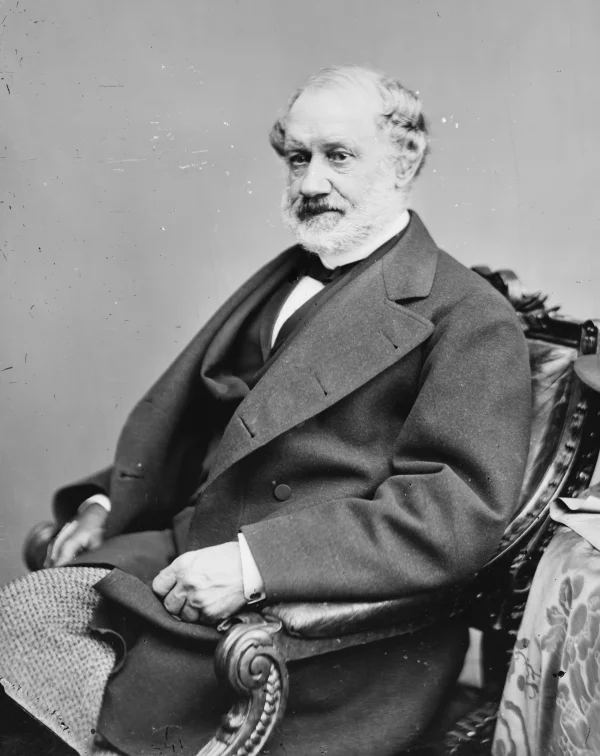
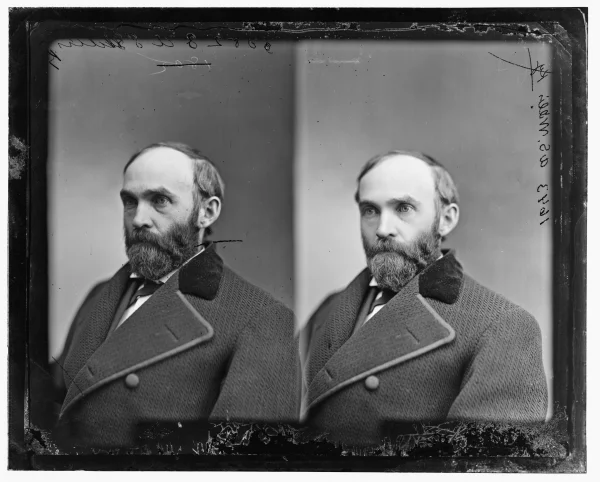
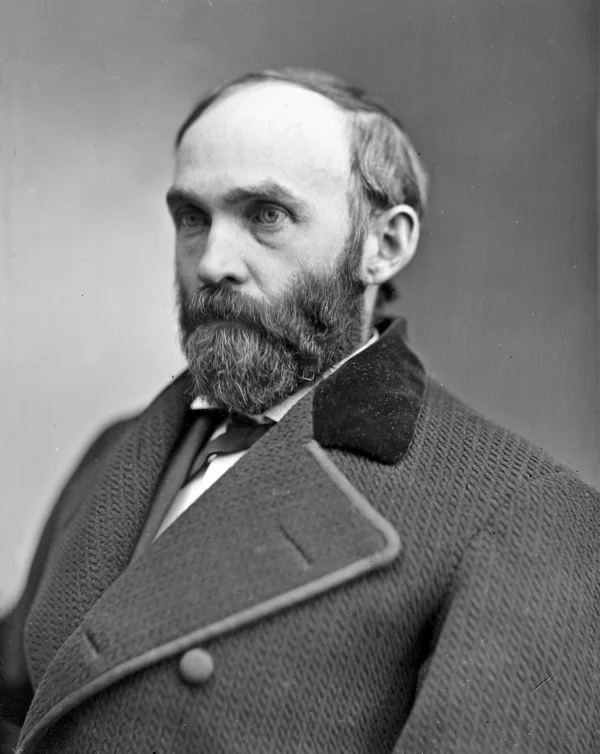
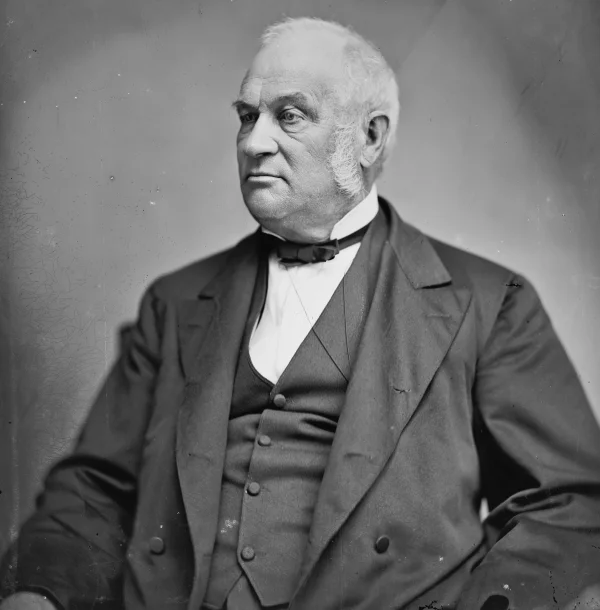
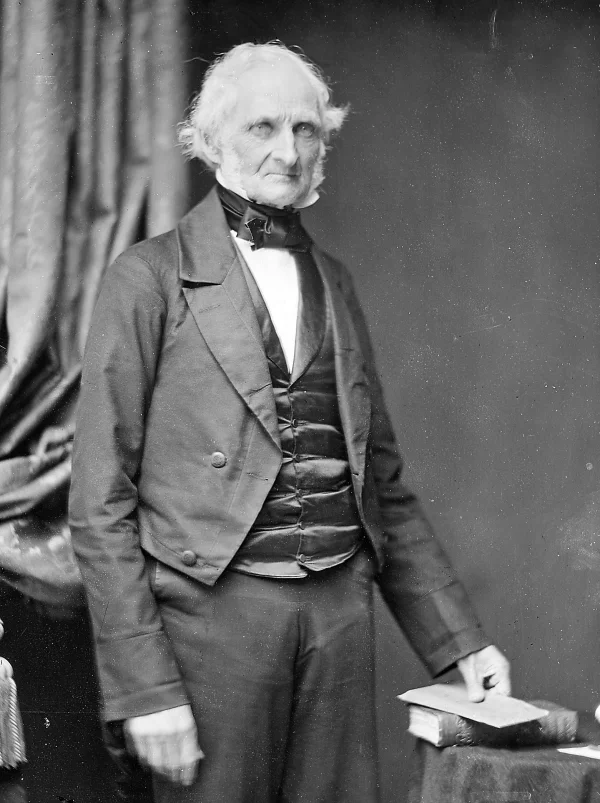
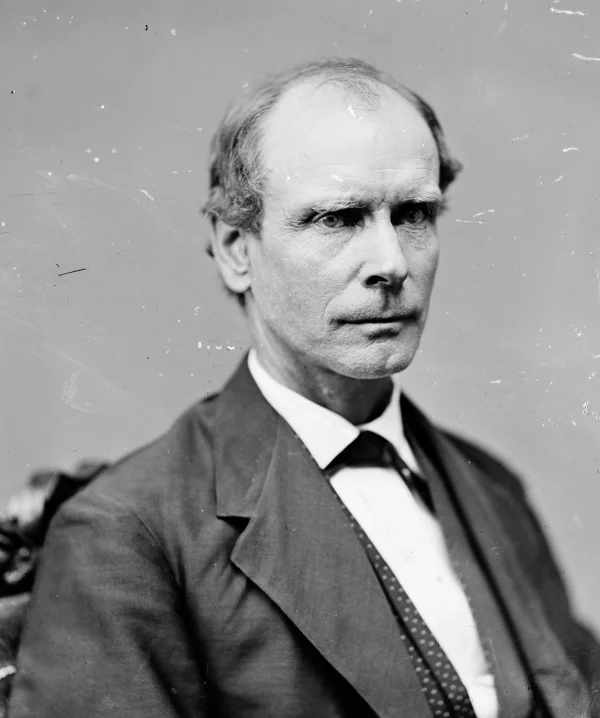
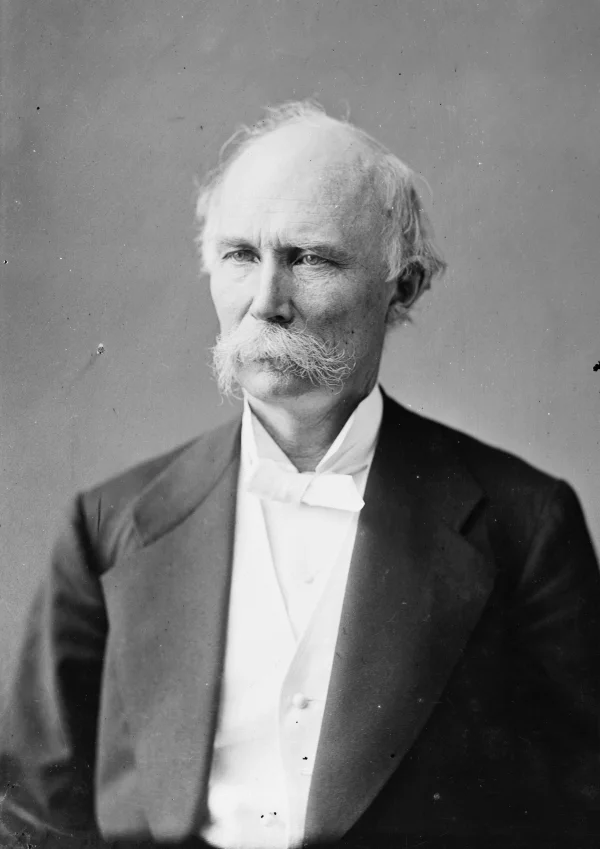
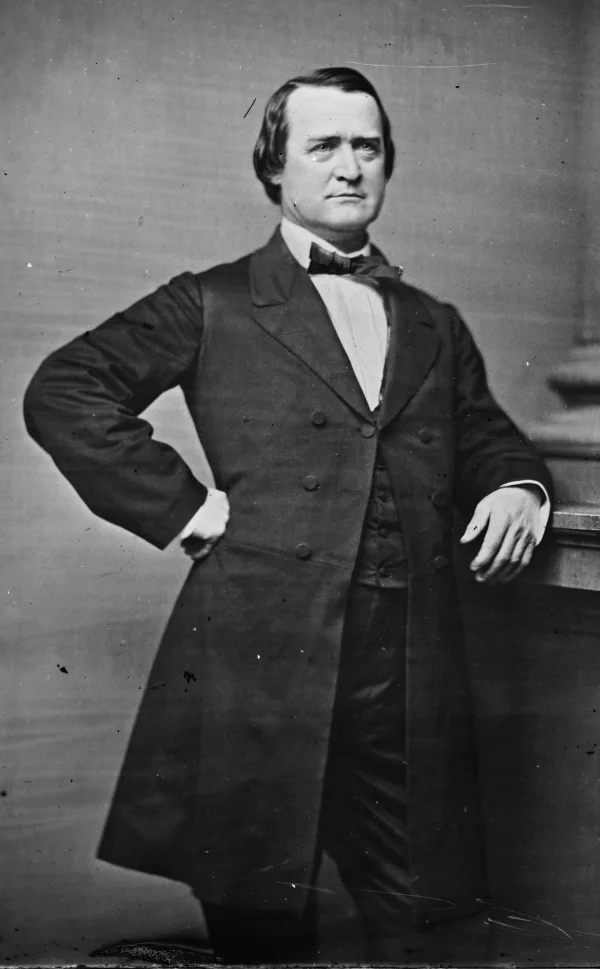
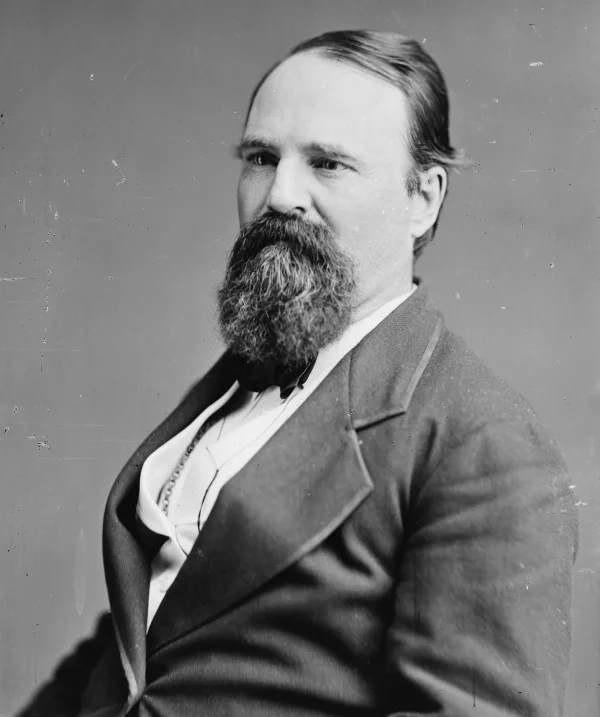
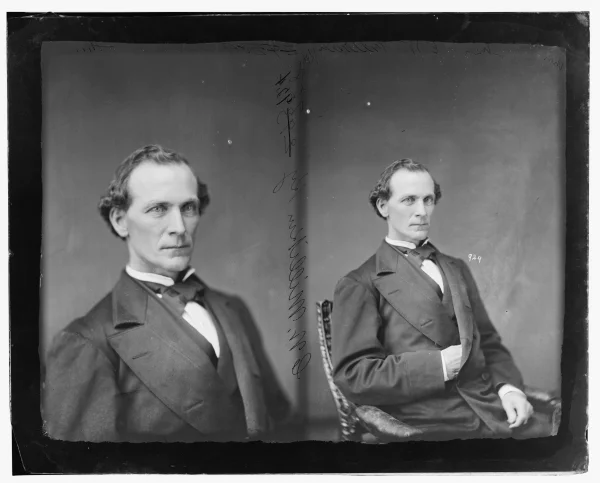
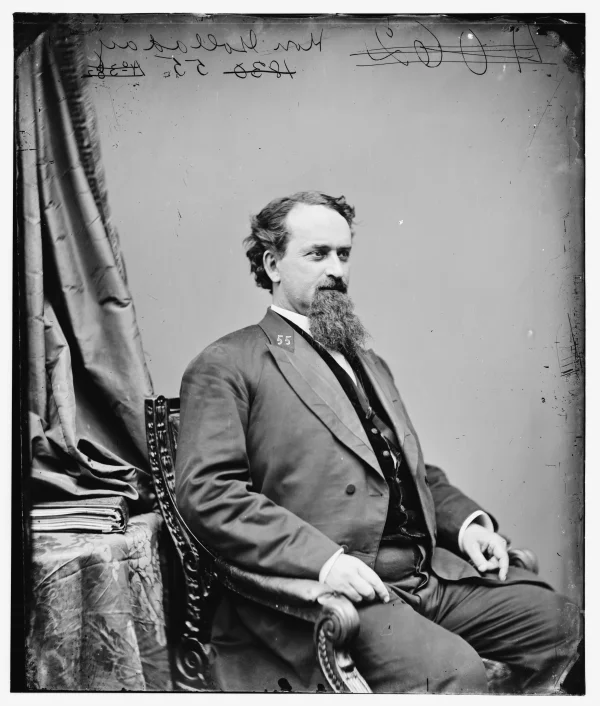
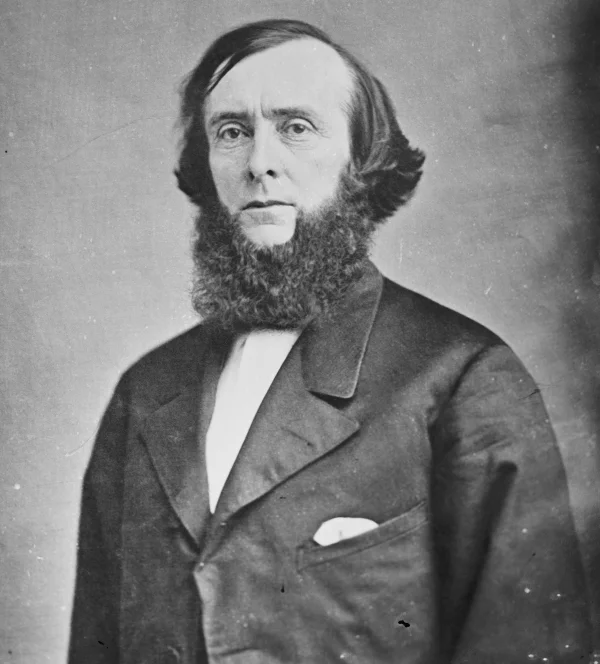
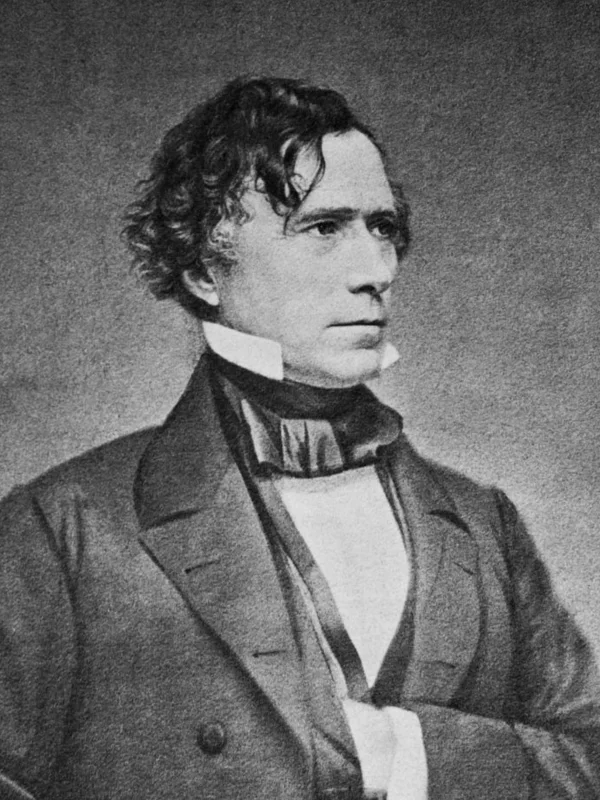
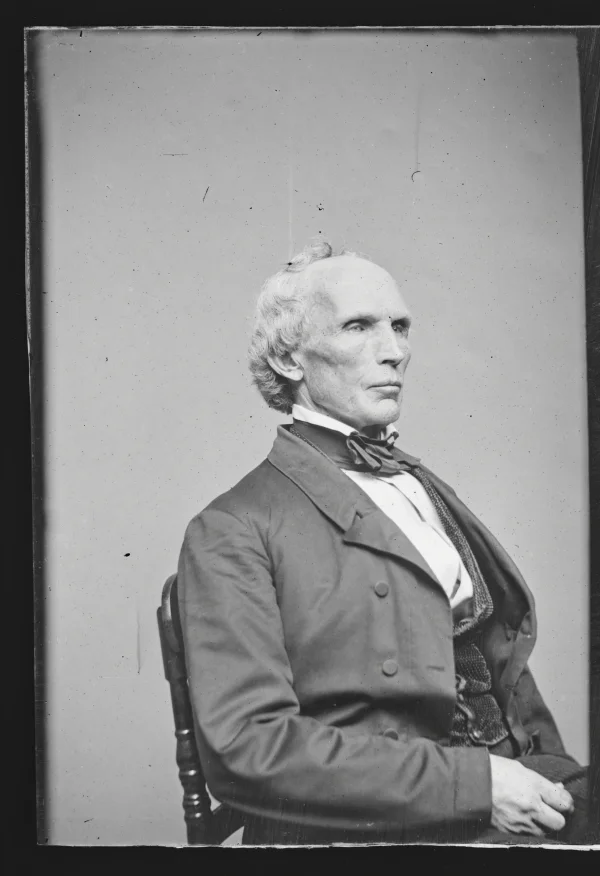
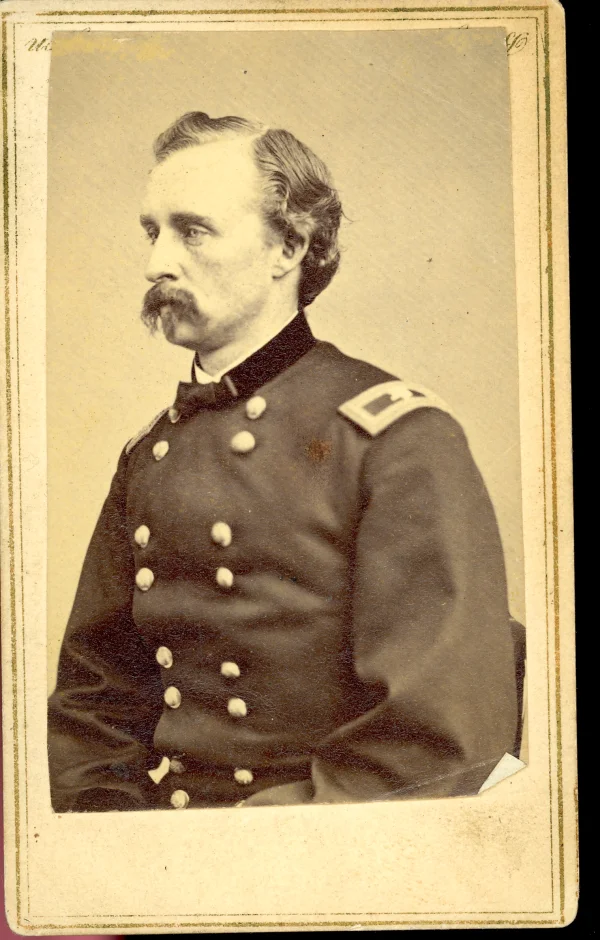
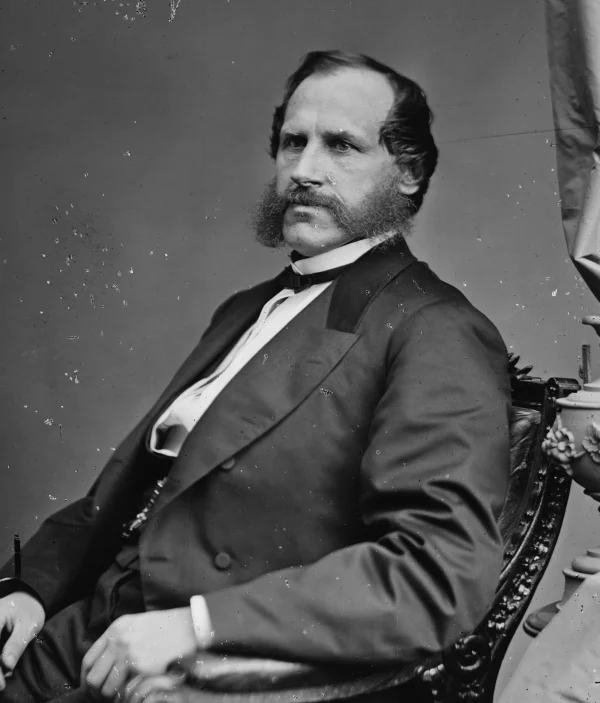
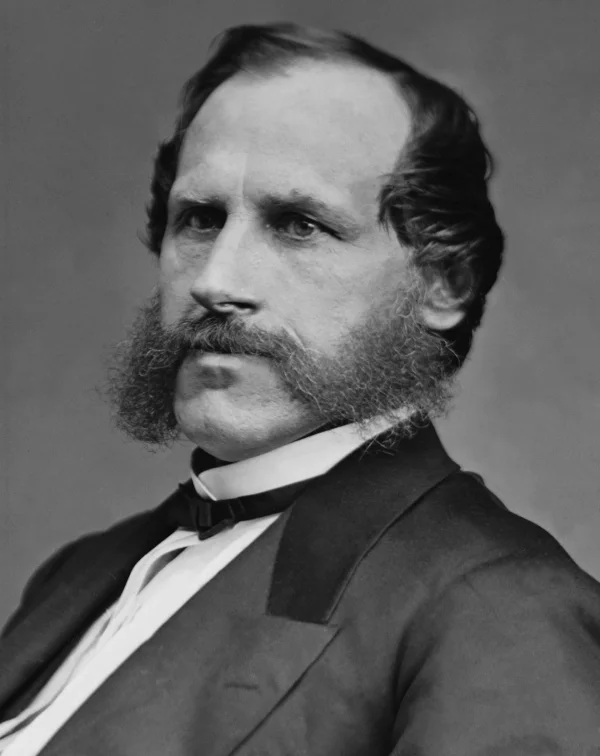
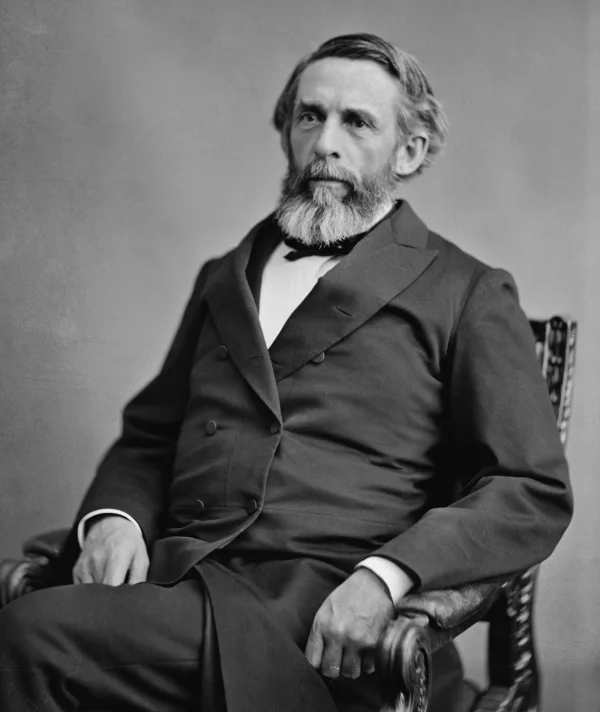
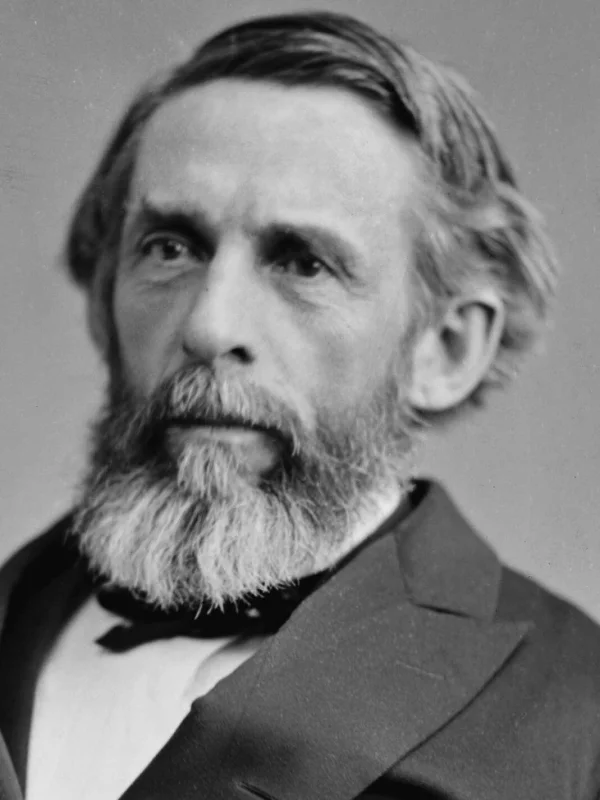
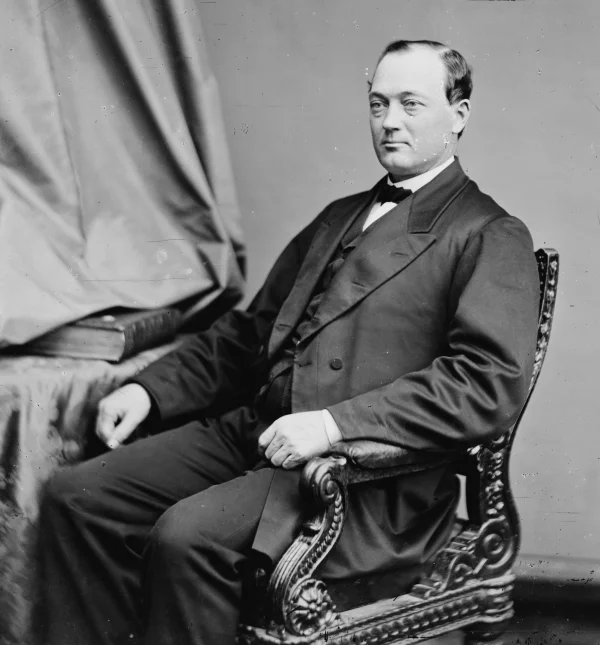
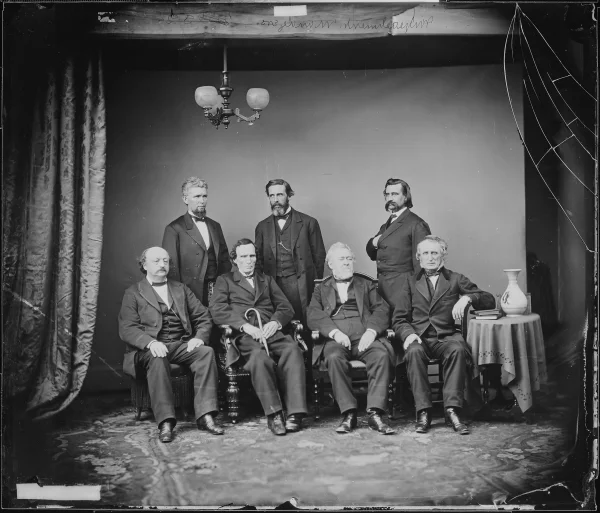
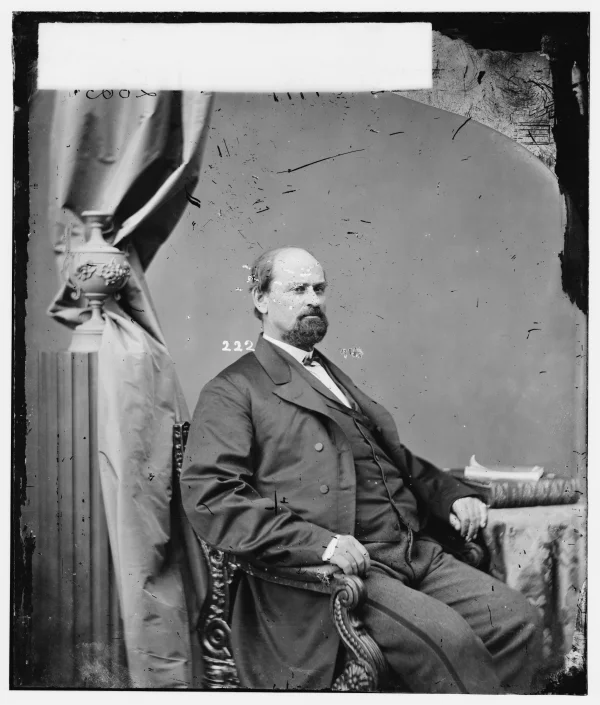
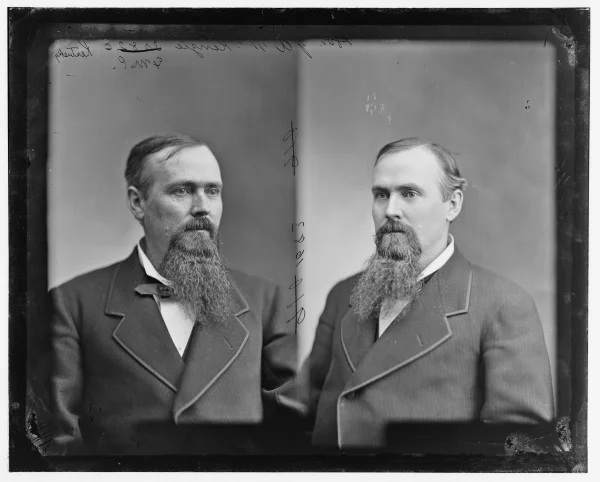
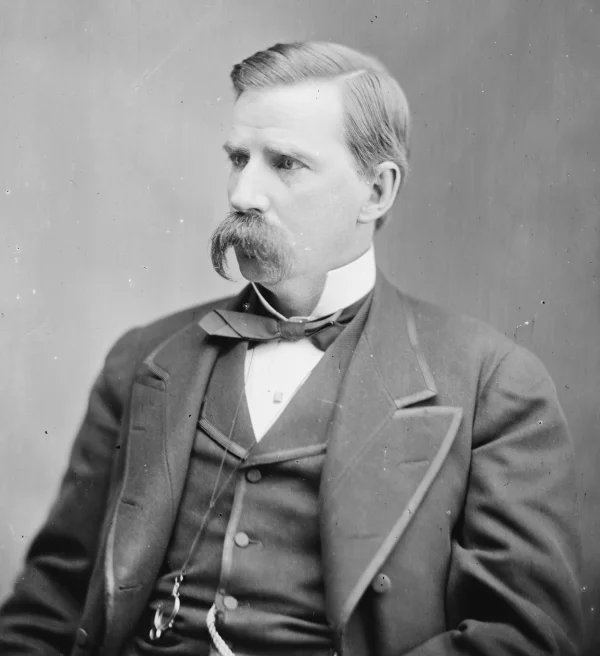
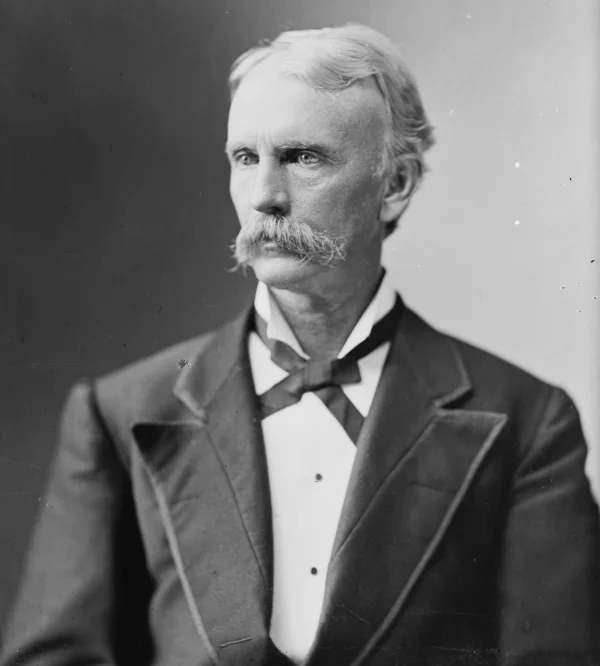
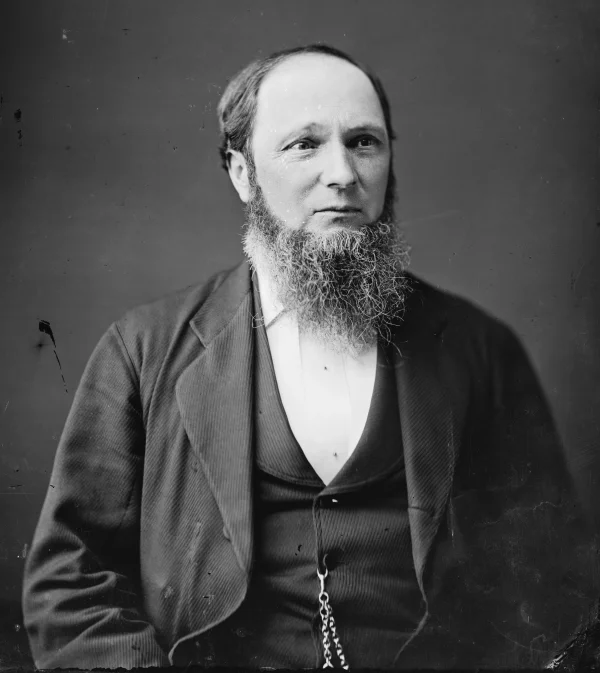
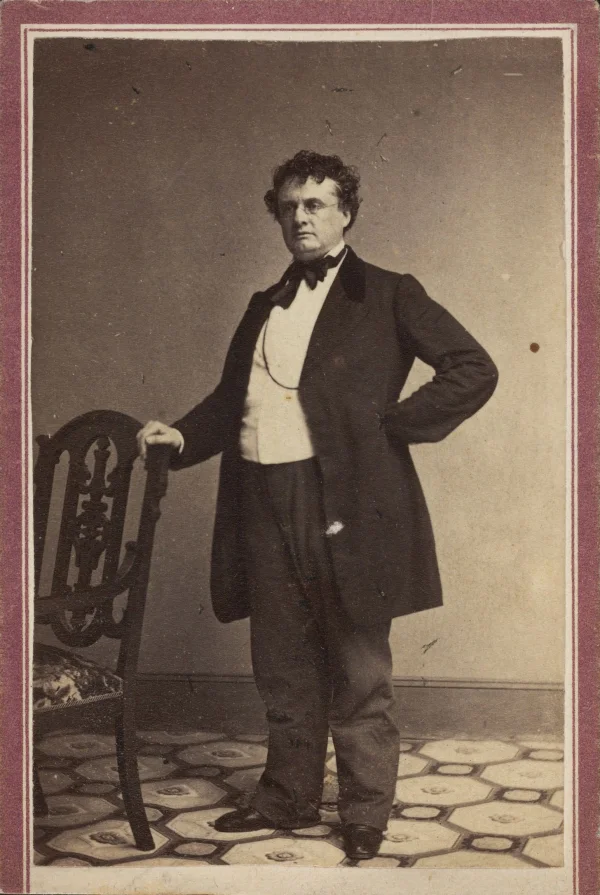
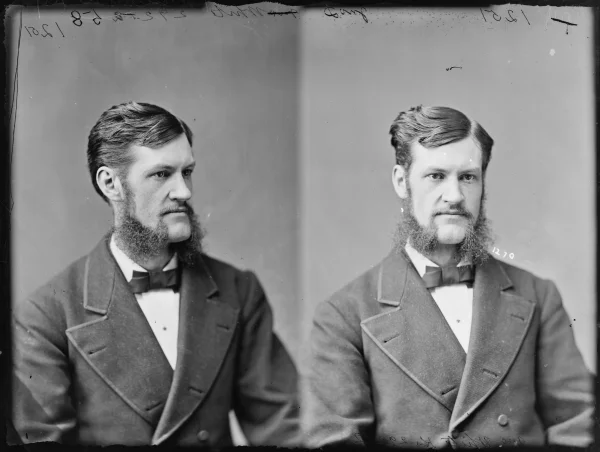
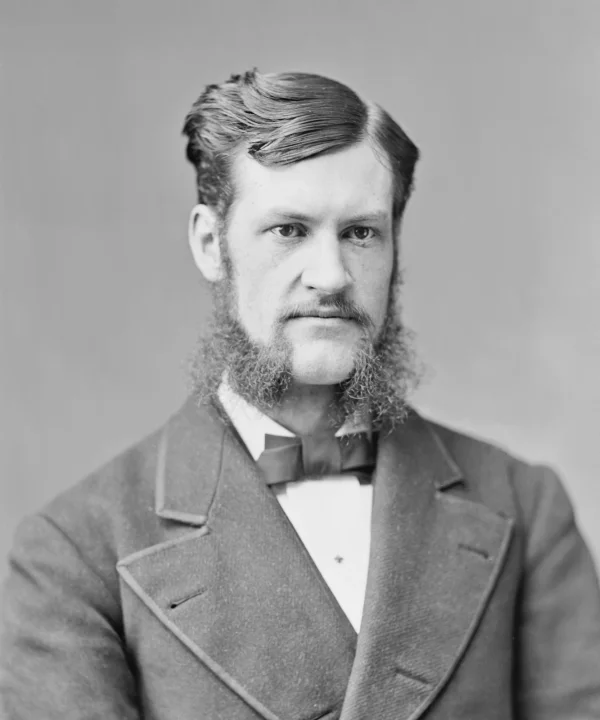
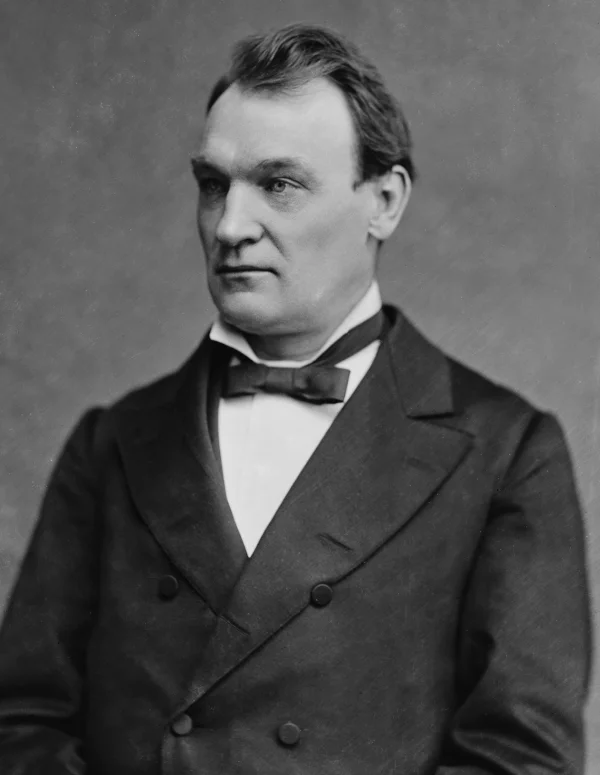
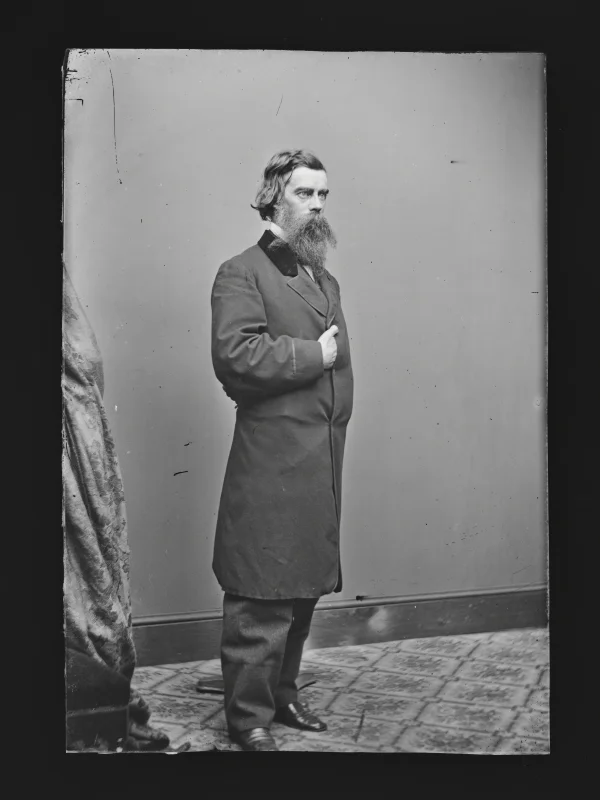
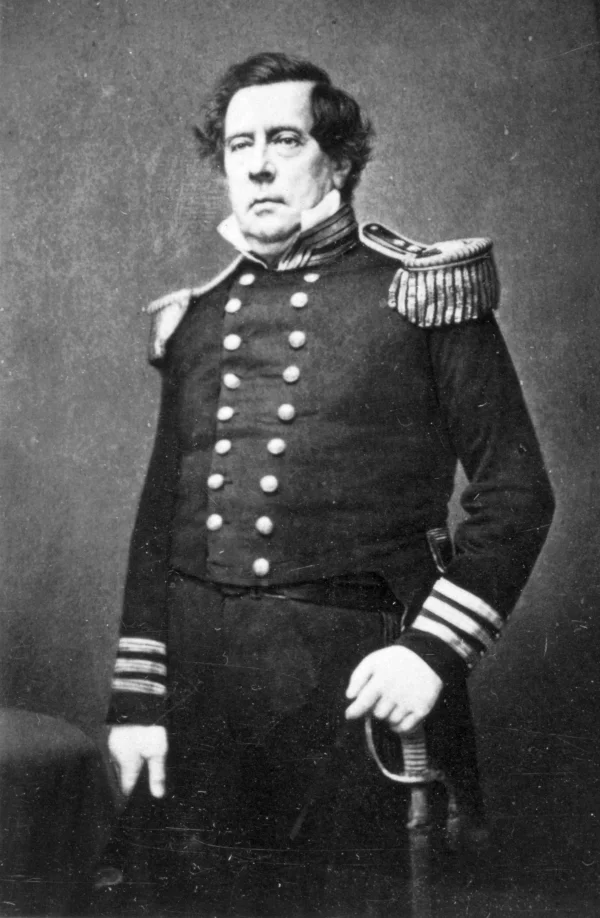
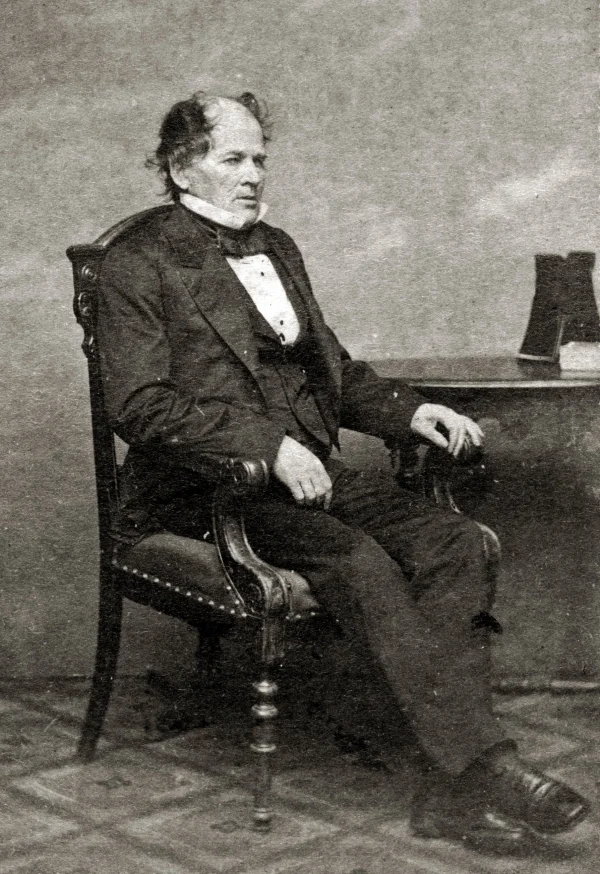
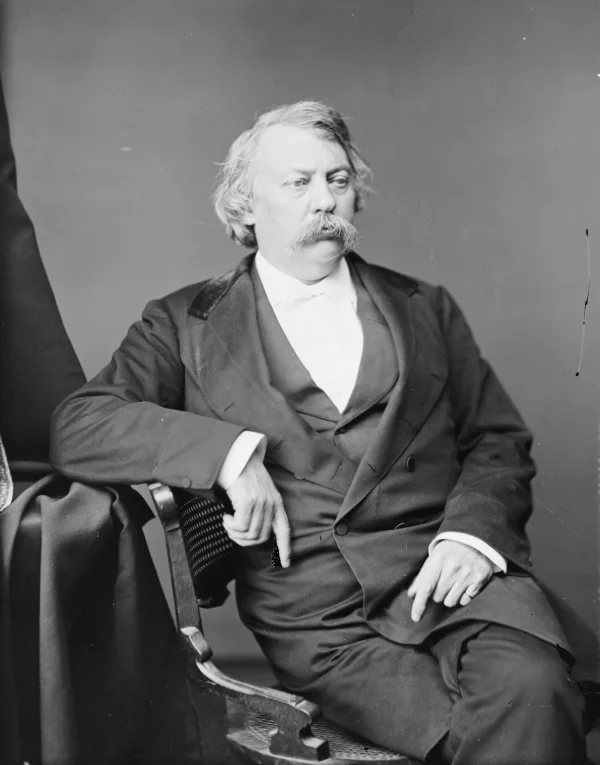
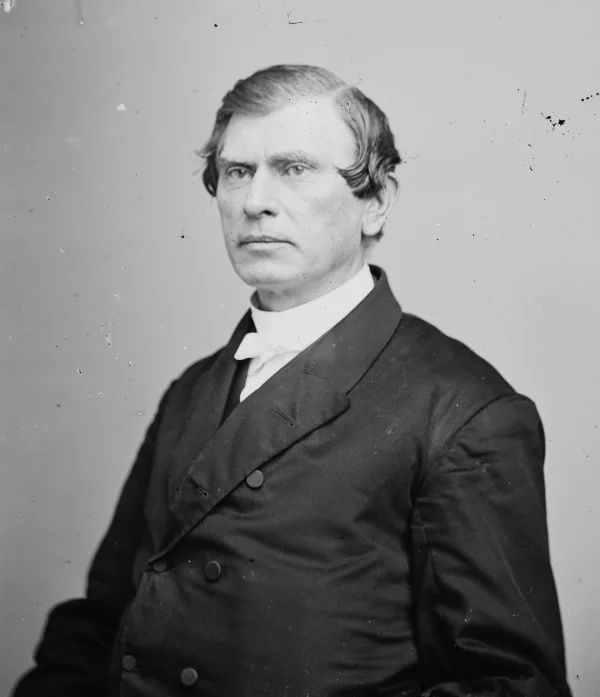
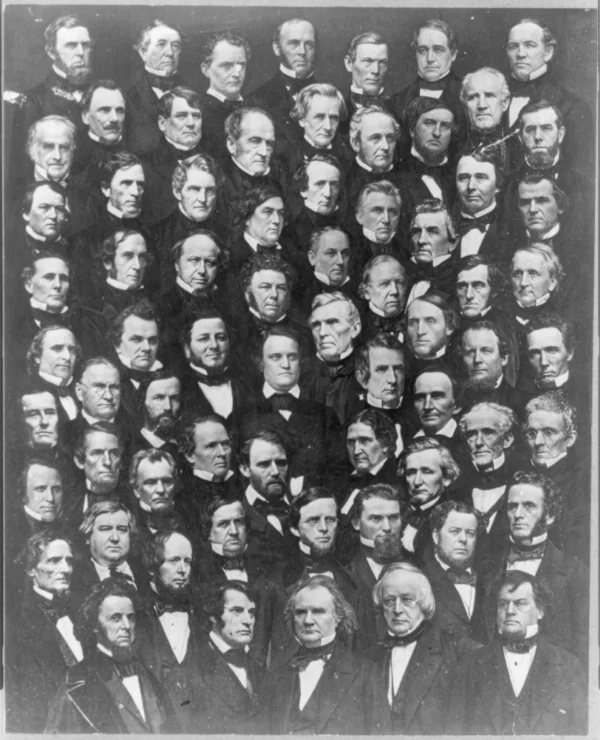
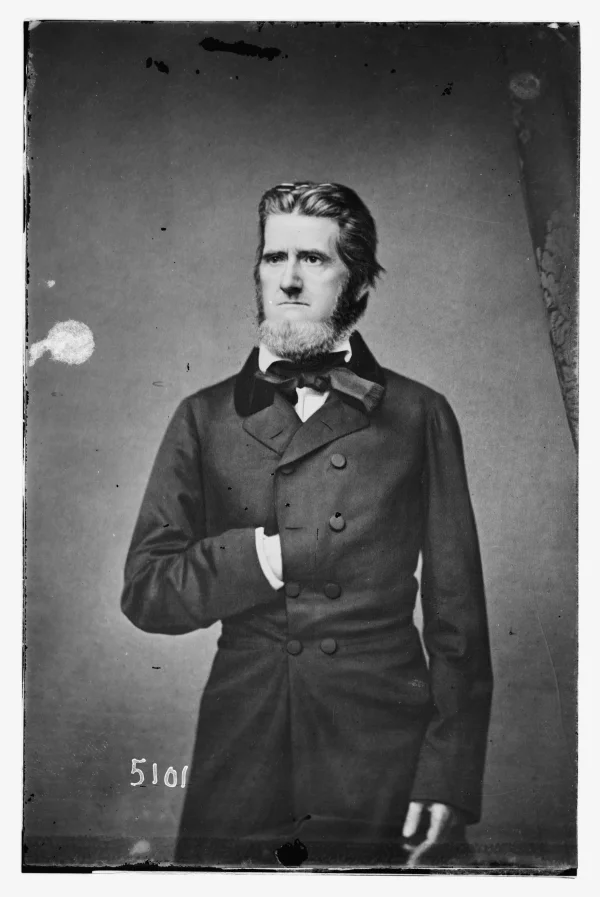
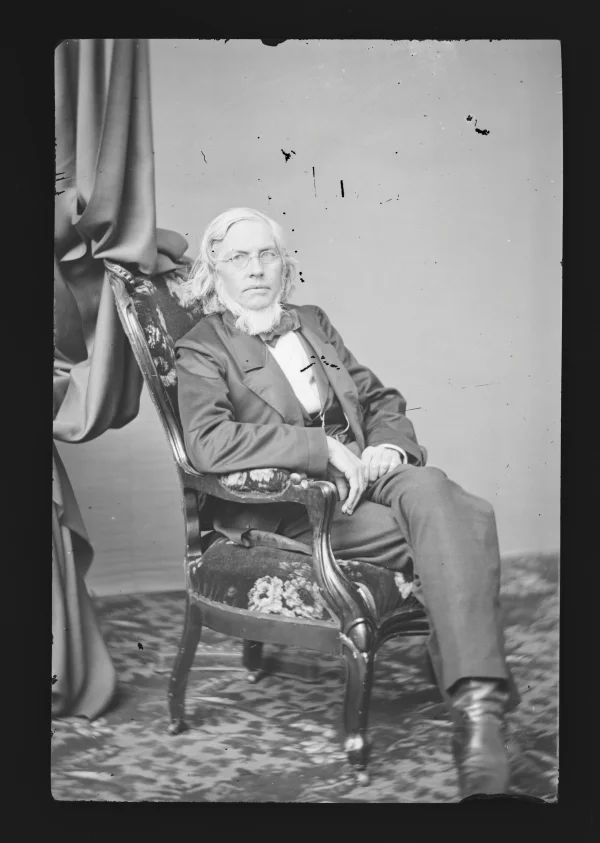
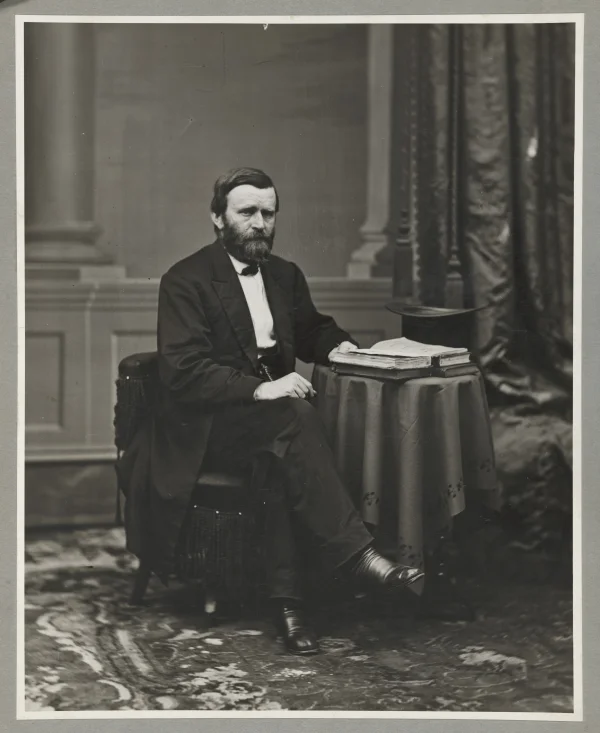
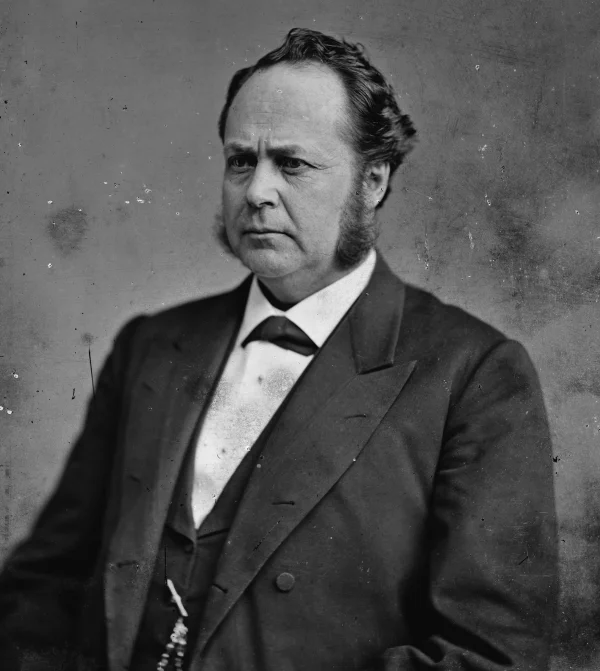
- Political Impact: He photographed nearly every major figure of the mid-19th century, including Abraham Lincoln, whose 1860 "Cooper Union" portrait is often cited as a key factor in his presidential election.
The Civil War: Documenting History
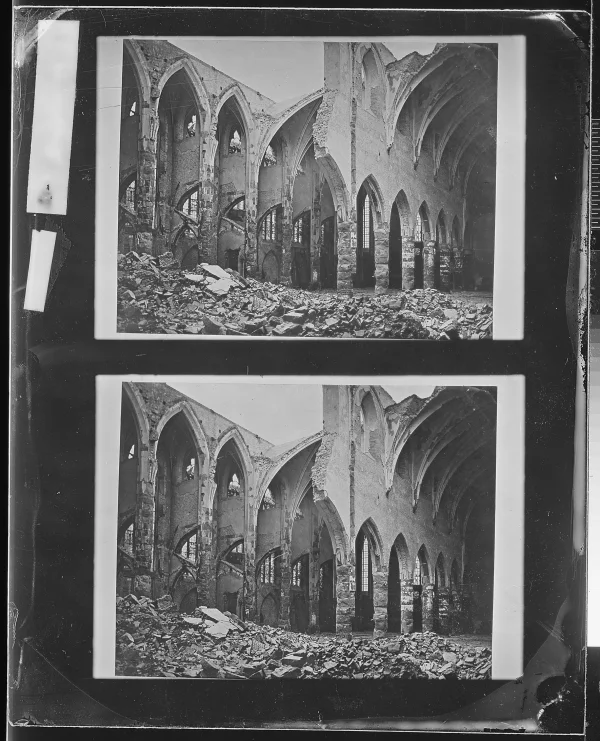
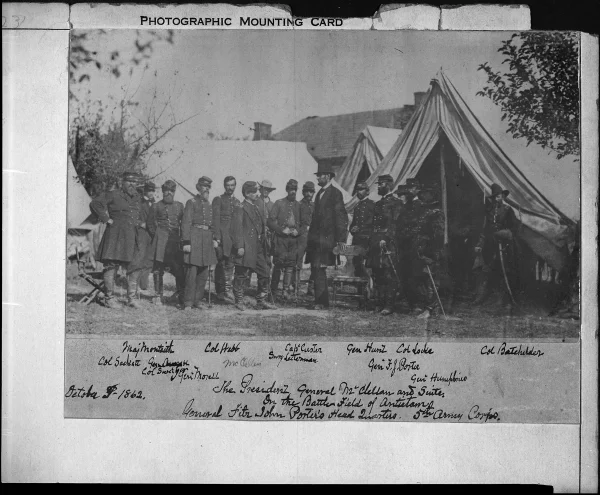
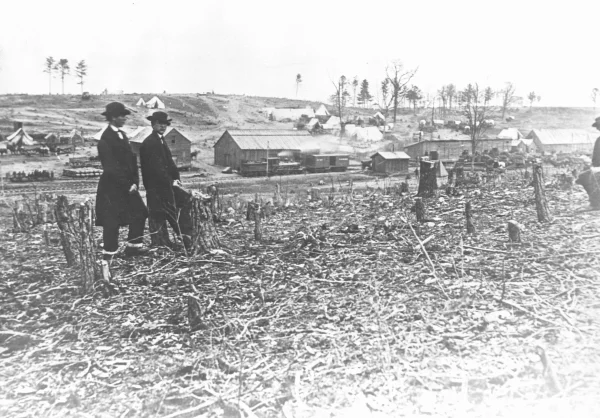
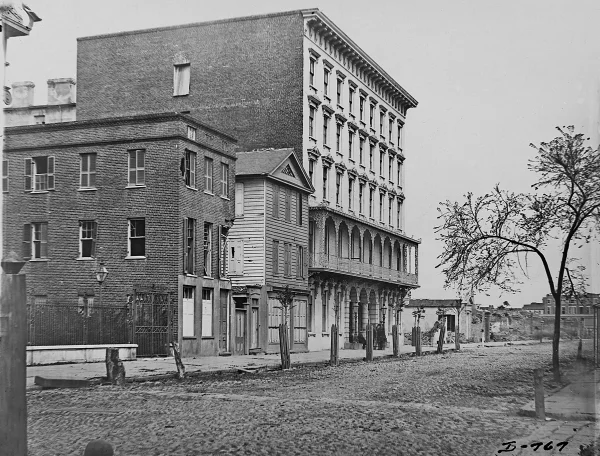
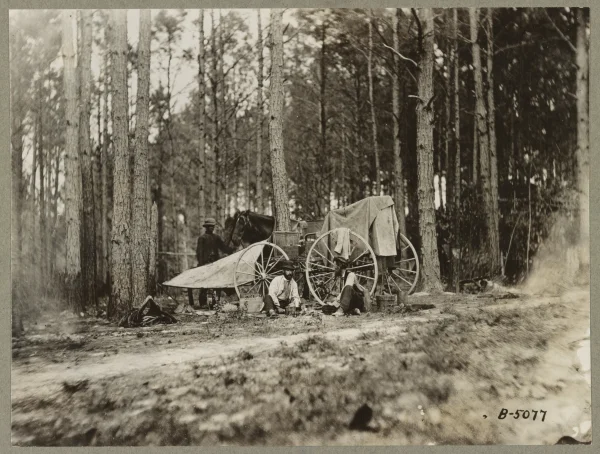
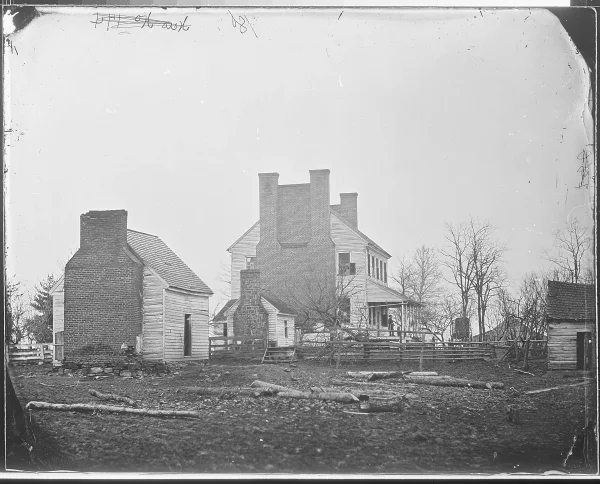
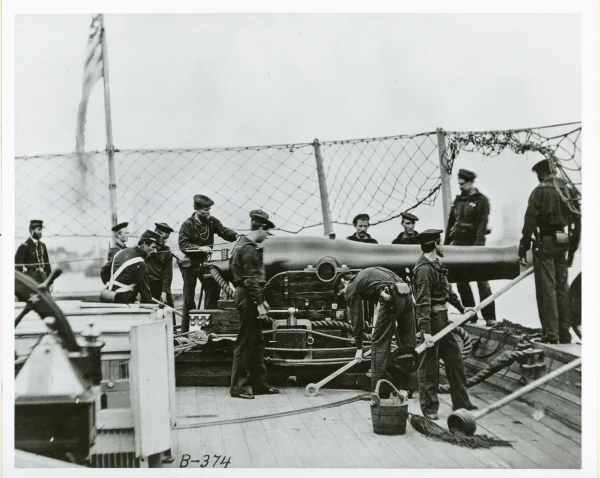
Recognizing the unprecedented scale of the American Civil War (1861–1865), Brady organized a team of photographers—including Alexander Gardner and Timothy O’Sullivan—to capture the conflict across multiple fronts.
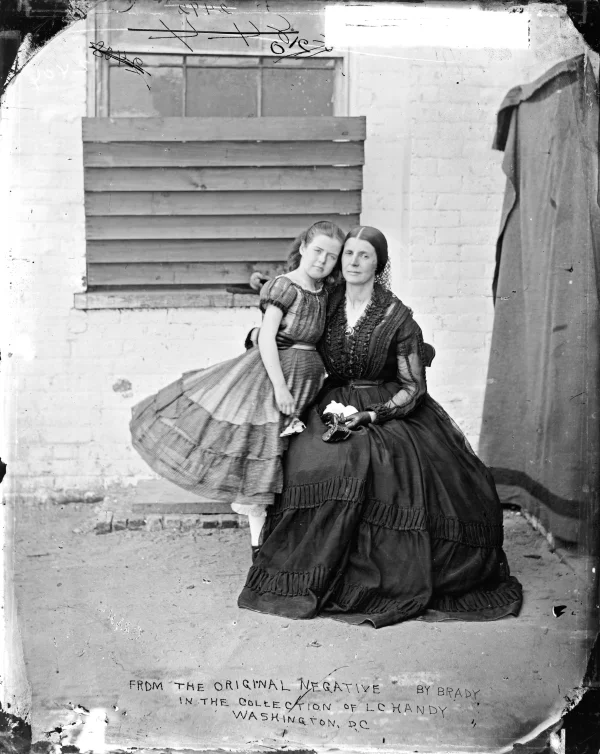
- Radical Realism: Before Brady, war was depicted through heroic paintings. Brady’s photographs brought the stark, horrific realities of battlefield life directly to the public.
- The Photographic Archive: He invented the concept of the "historical record," archiving thousands of glass-plate negatives that form the primary visual history of the conflict.
Mathew Brady’s legacy is the invention of the photographic record. Though the massive financial investment of his war documentation eventually ruined him, he ensured that the camera would forever be regarded as the most objective witness to human history.