Biography:
Early Innovation and Controversy
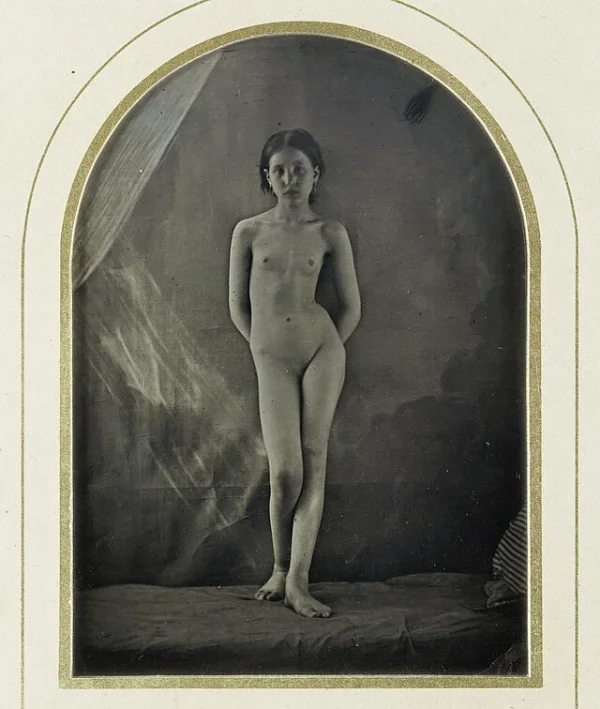
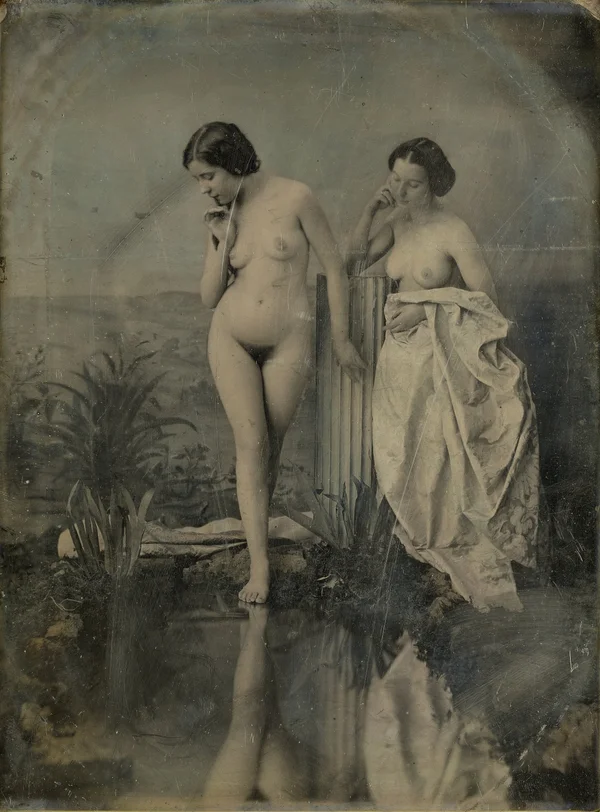
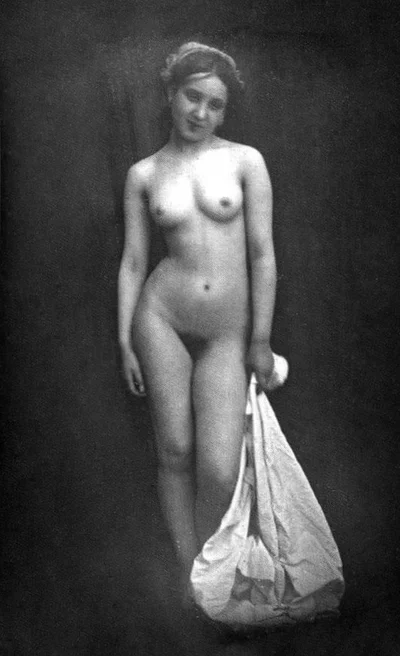
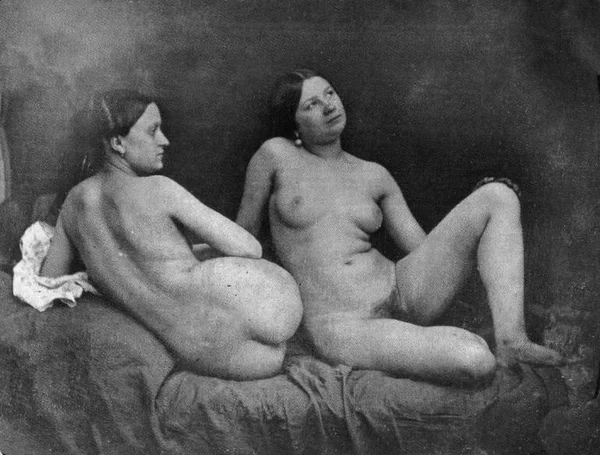
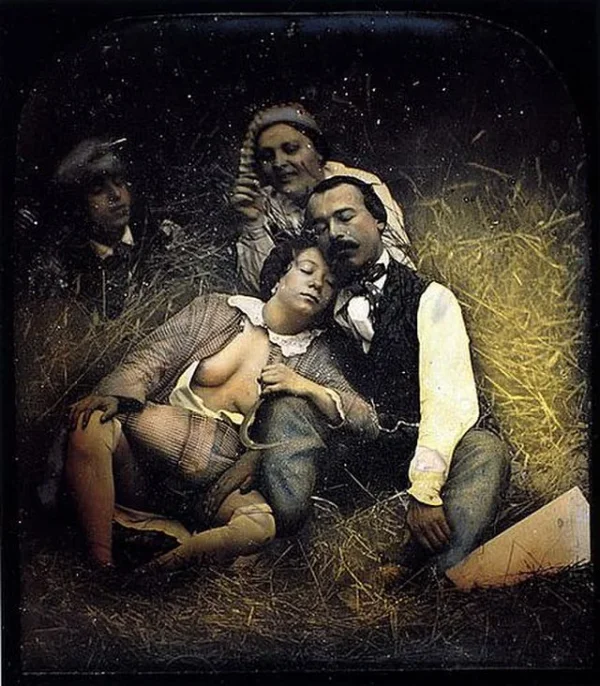
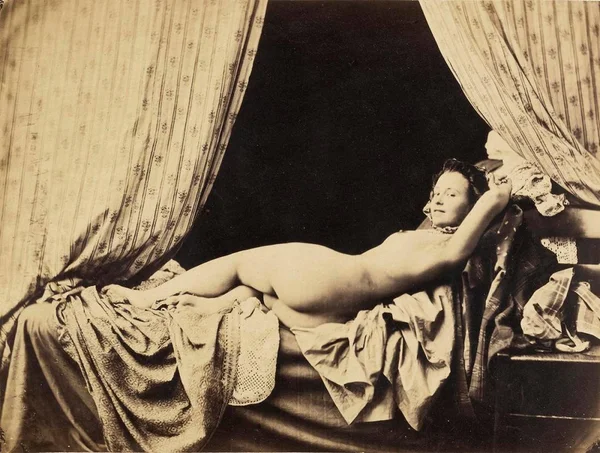
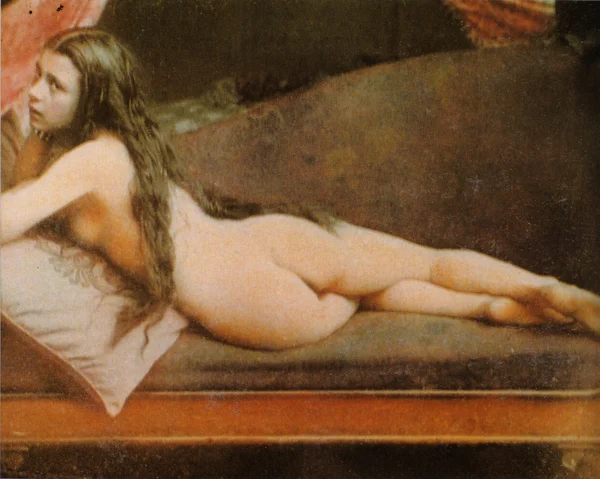
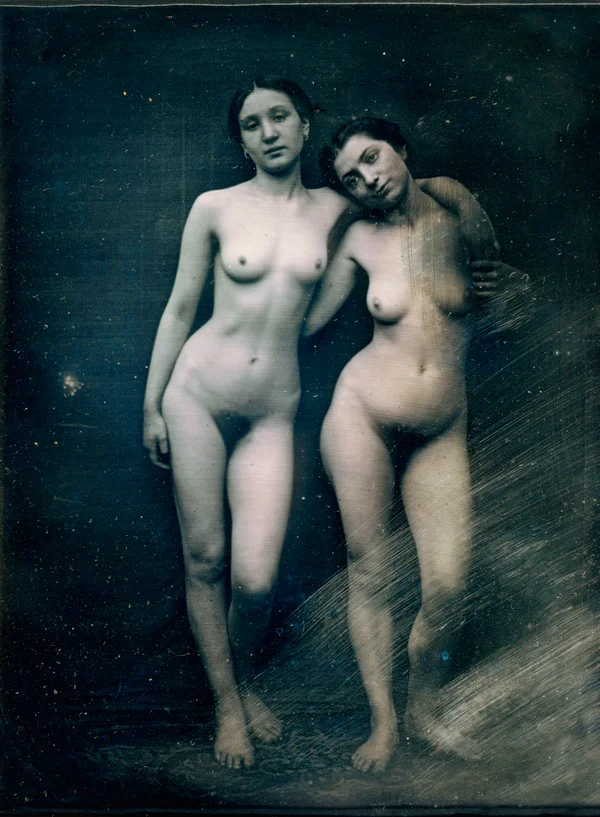
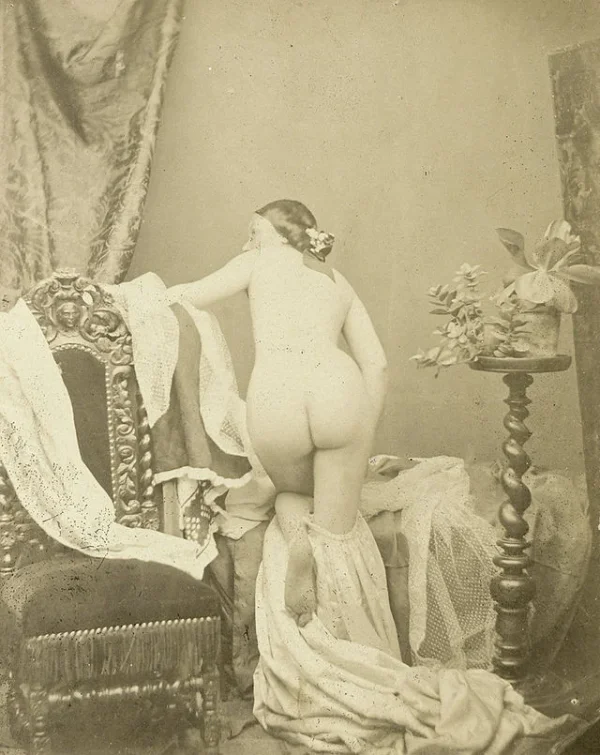
Moulin’s early career in Paris was defined by a commitment to pushing the social boundaries of the medium:
- Parisian Studio: In 1849, he established a studio at 31 bis rue du Faubourg Montmartre, producing high-quality daguerreotypes.
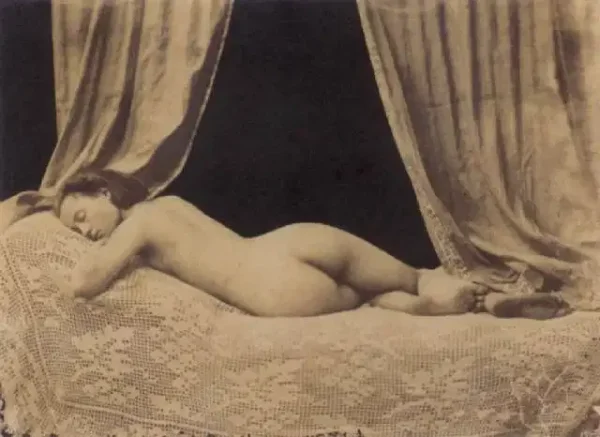
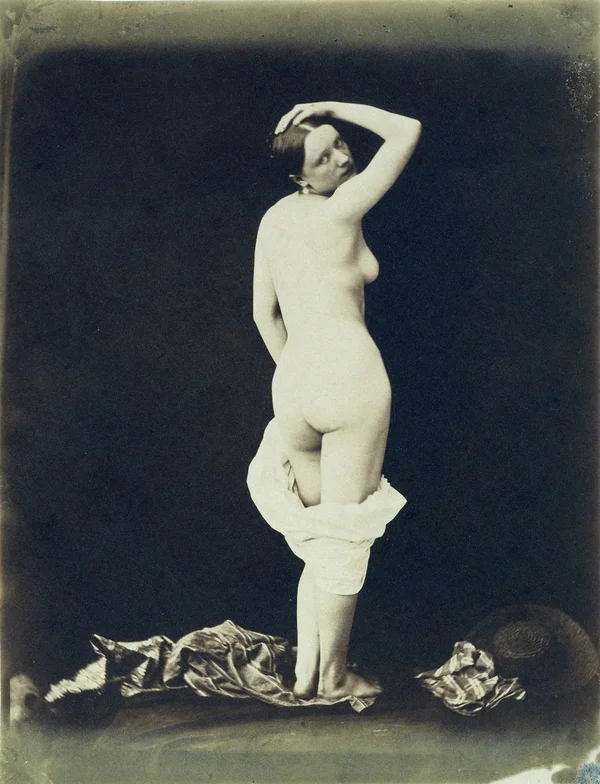
- The "Obscenity" Trials: His work in nude photography was deemed provocative by contemporary moral standards. A 1851 police raid and subsequent prison sentence forced him to pivot toward more discreet professional pursuits, including teaching and equipment sales.
The Algerian Expedition
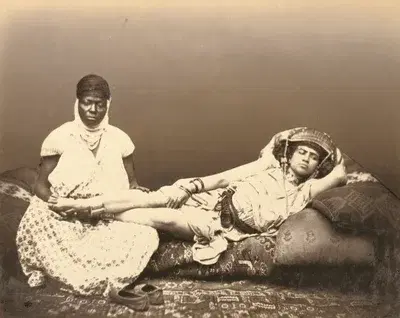
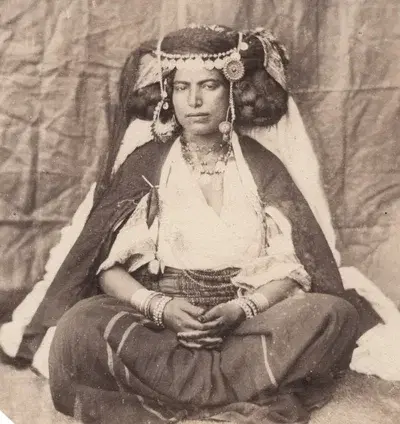
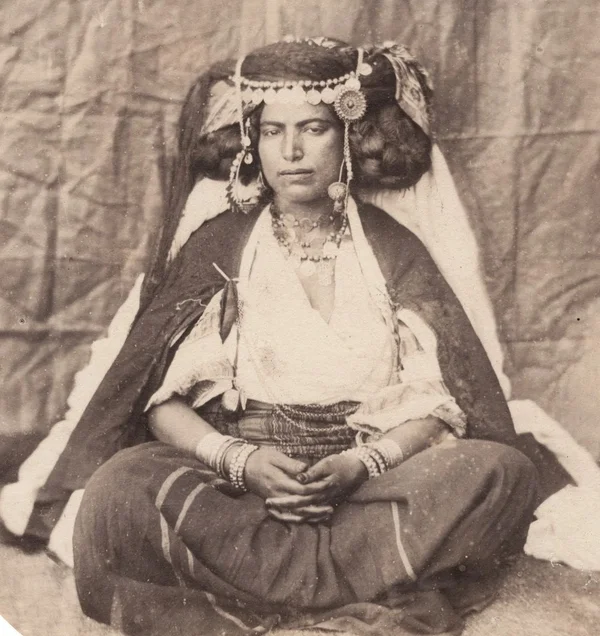
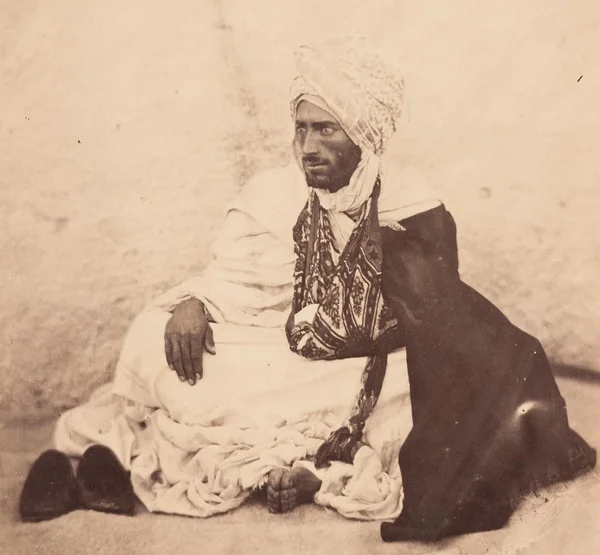
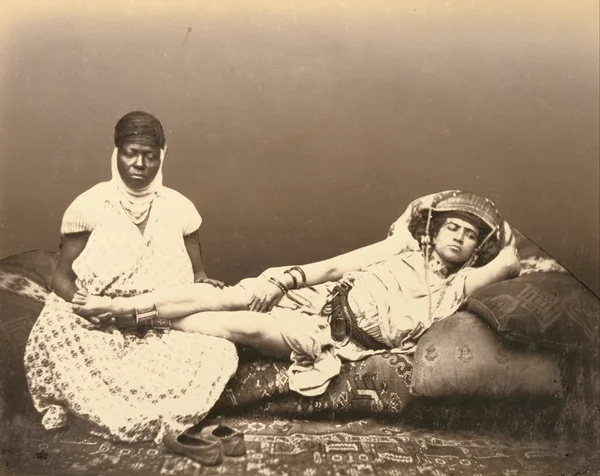
Moulin’s most significant professional achievement was his government-sponsored photographic mission to Algeria in 1856. This undertaking moved him beyond the studio and into the realm of documentary art:
- L'Algérie photographiée: He compiled his extensive findings into this three-volume series, which documented a wide array of landscapes, urban centers, archaeological sites, and local portraits.
- Technical Ambition: His work in North Africa utilized large-format processes that captured the intricate details of the Algerian landscape with a level of clarity that was revolutionary for the time.
Félix-Jacques Moulin’s career is a study in the evolving landscape of 19th-century photography. From his early controversial studio practices in Paris to his formal role as a state-sponsored documentarian, he consistently utilized the camera to challenge social boundaries and document the changing world.