Biography:
Early years and training
Koppitz was born on 3 January 1884 in Schreiberseifen, Austrian Silesia (today Skrbovice in the Czech Republic), into a rural Protestant family. He began training in 1897 with the photographer Robert Rotter in nearby Freudenthal (Bruntál) and then worked in small commercial studios.
In 1912 he enrolled at the Graphische Lehr- und Versuchsanstalt in Vienna, the city's school for photography and printing. He was an assistant there by 1913 and became a professor in 1919, a post he held for about twenty years. His early work shows the influence of his teacher, the Czech Symbolist Karel Novák.
War photography
During the First World War he served as a field and aerial reconnaissance photographer, recording landscapes from the air as well as soldiers and the communities they passed through.
Studio, marriage and the nude
At the Institute he met Anna Arbeitlang, who opened her own studio in 1920. Koppitz became her partner in 1921, and after their marriage in 1923 the studio worked under his name. Anna retouched his prints and often modelled for him.
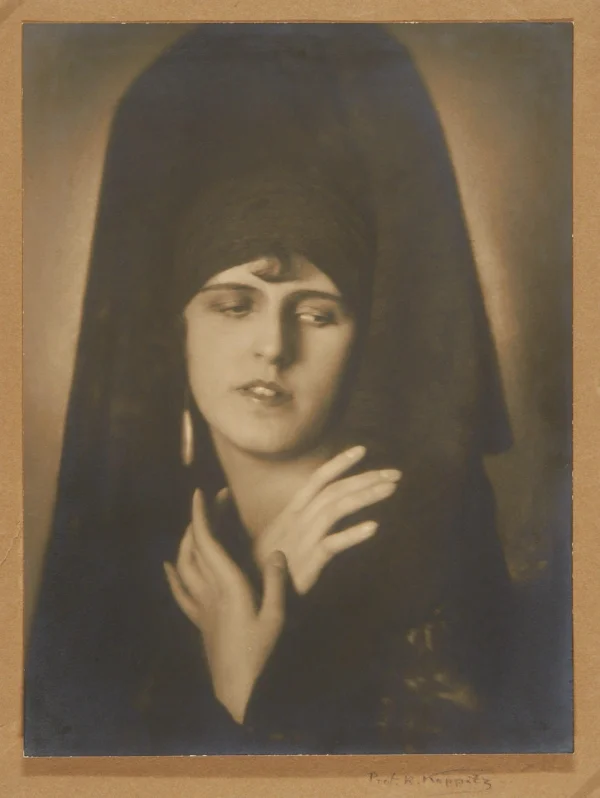
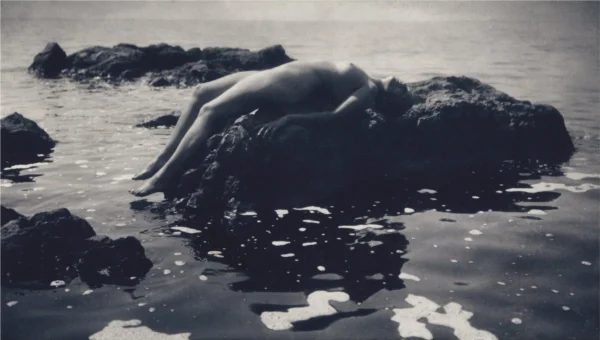
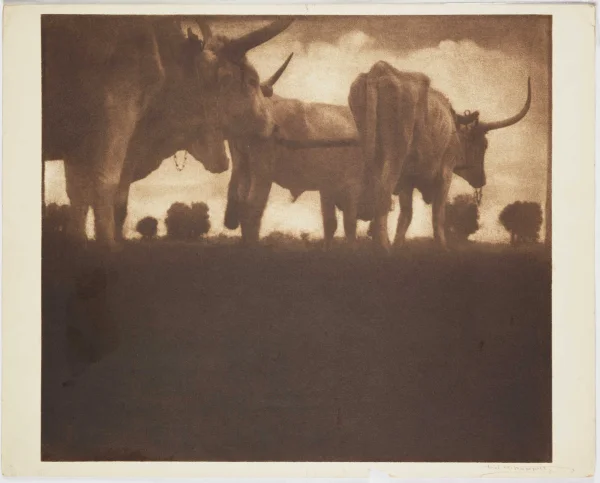
His photographs of the 1920s draw on the Vienna Secession, Jugendstil and the Wiener Werkstätte, the Austrian form of pictorialism known as Kunstphotographie. He placed the nude in landscape and in stylised, frieze-like groups:
- In the Bosom of Nature (1923), a nude self-portrait set in an Alpine landscape.
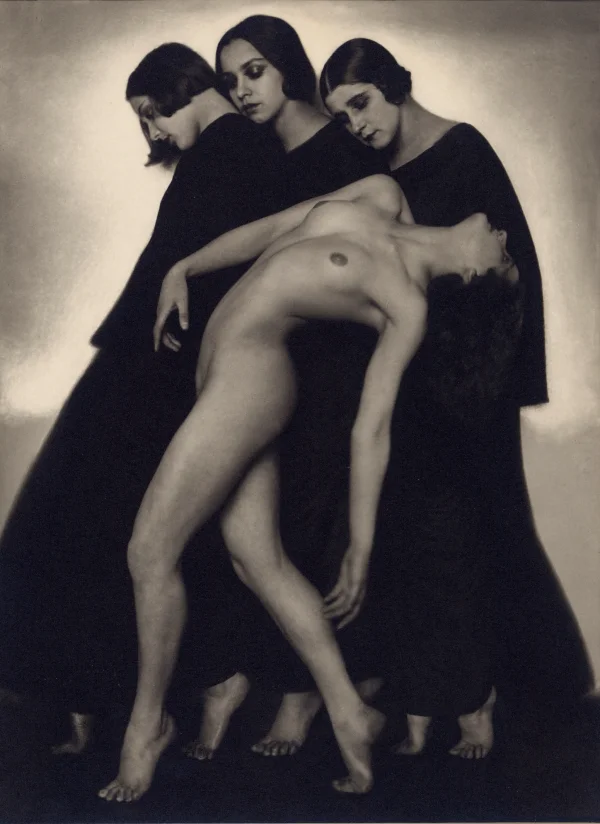
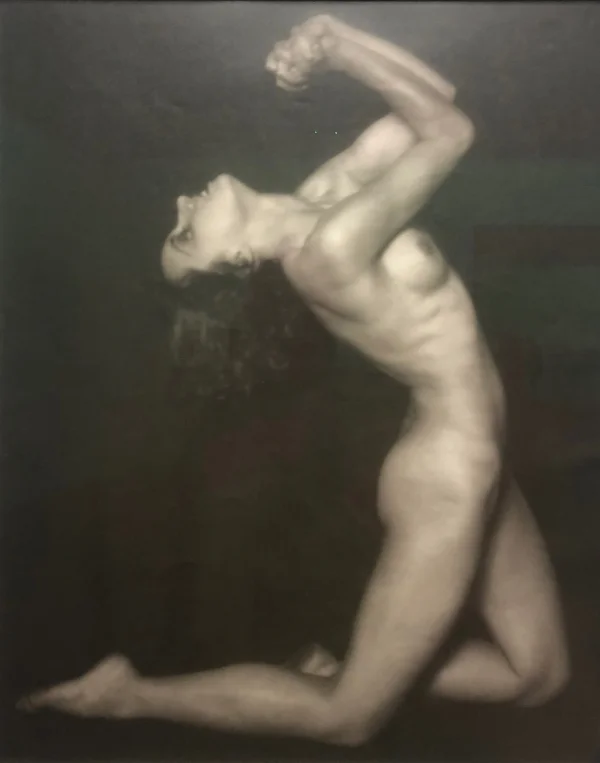
- Bewegungsstudie (Motion Study, c. 1925), a dancer bending backwards in front of three figures in dark robes, his best-known image.
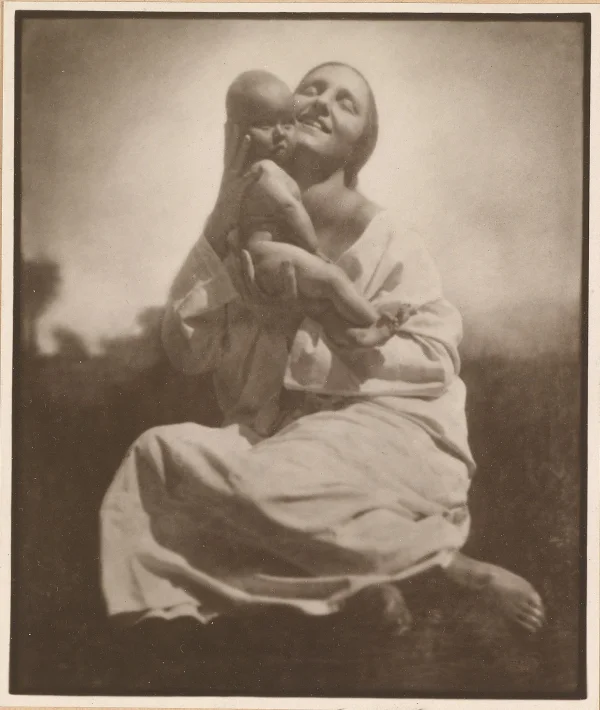
- Mother and Child (1925) and portraits of dancers such as Hedy Pfundmayr.
He was a noted darkroom virtuoso, printing in gum bichromate, carbon, pigment and bromoil transfer.
International recognition and later work
Between 1926 and 1930 his prints were shown in about fourteen juried exhibitions in the United States, including the Pittsburgh Salons of 1926, 1927 and 1928 at the Carnegie Museum of Art.
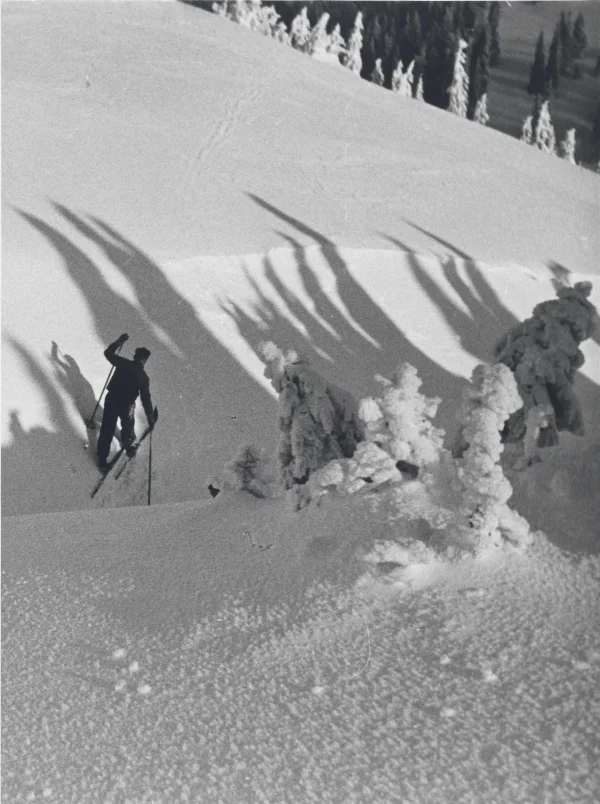
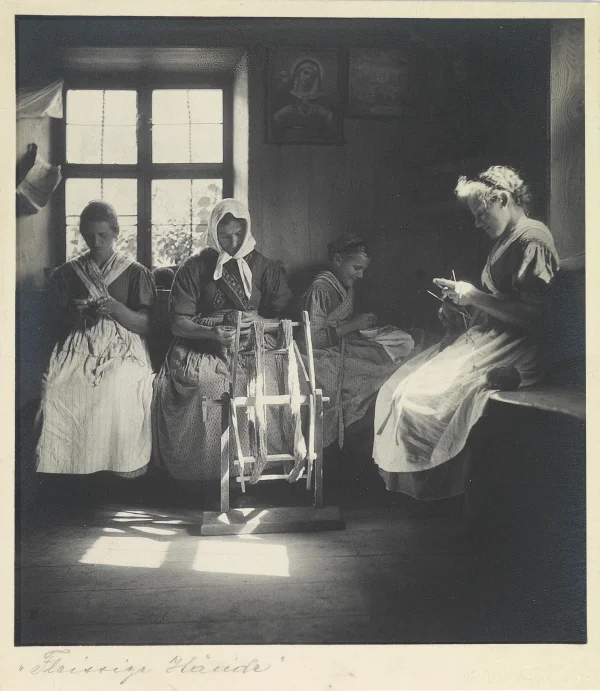
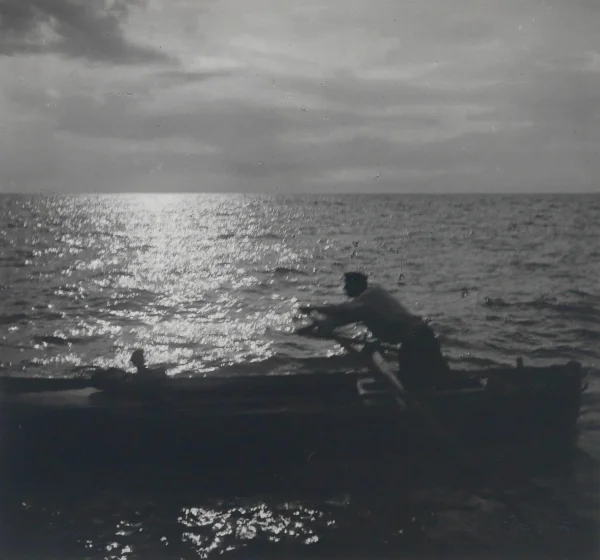
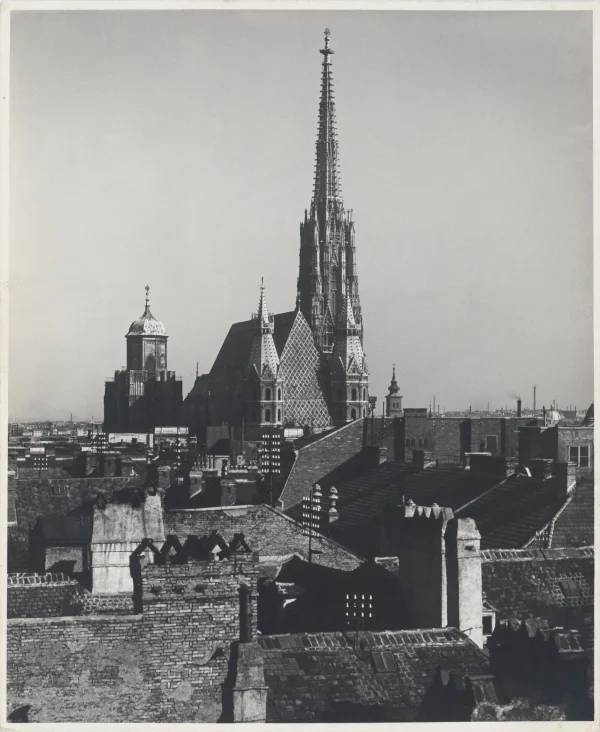
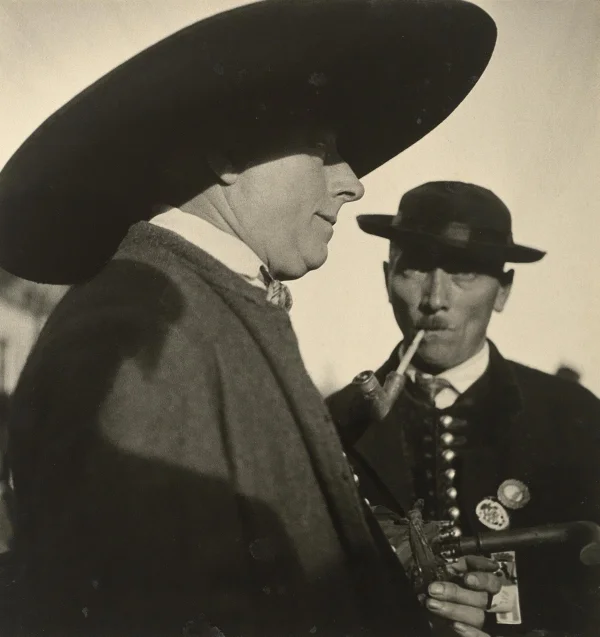
In the 1930s he moved towards the documentary style of the New Objectivity and turned to rural Austria. His series Land und Leute (Country and People), portraits of farmers and village life, was exhibited in Vienna in 1936 with about 500 works. He died on 8 July 1936 in Perchtoldsdorf, near Vienna, aged 52.