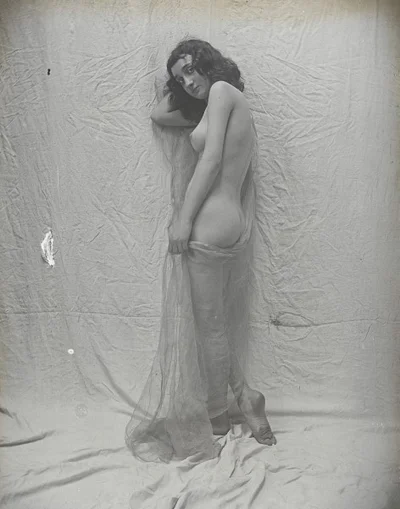
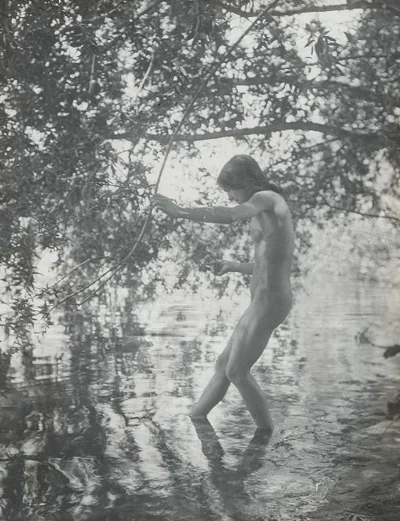
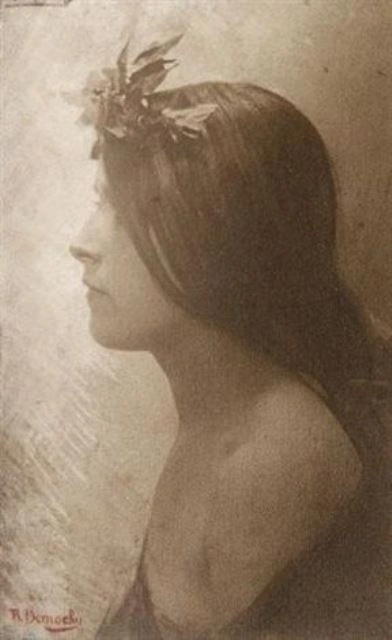
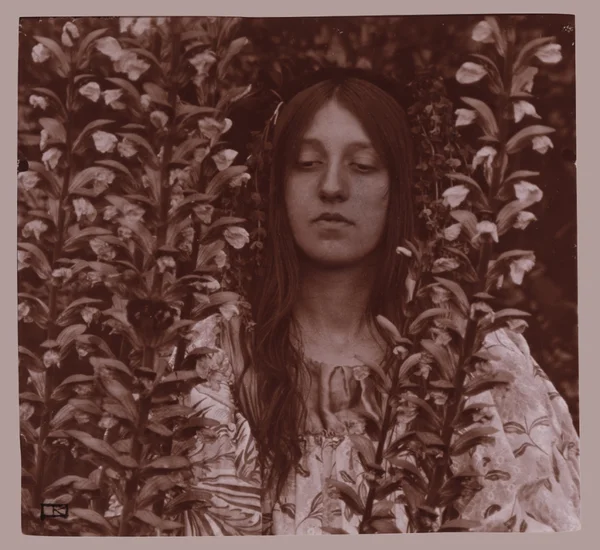
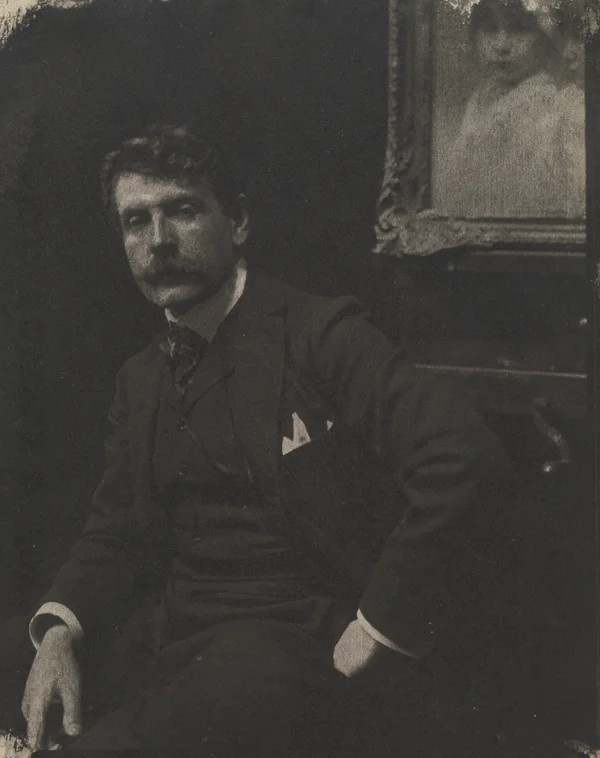
Biography:
The Philosophy of the Photographic "Brush"
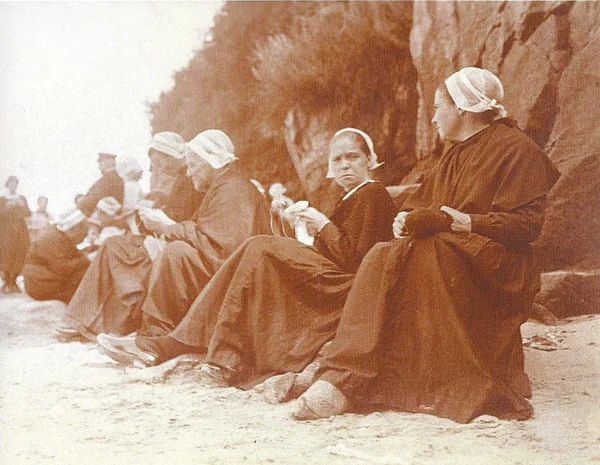
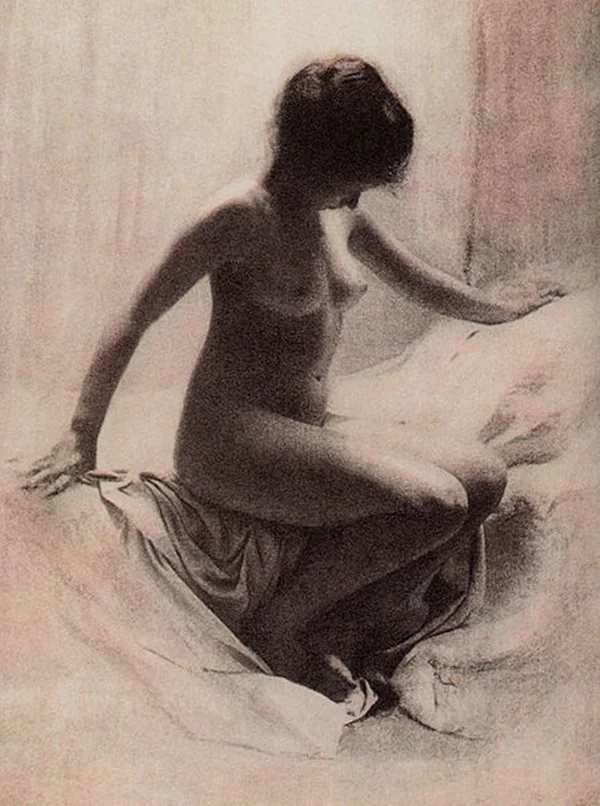
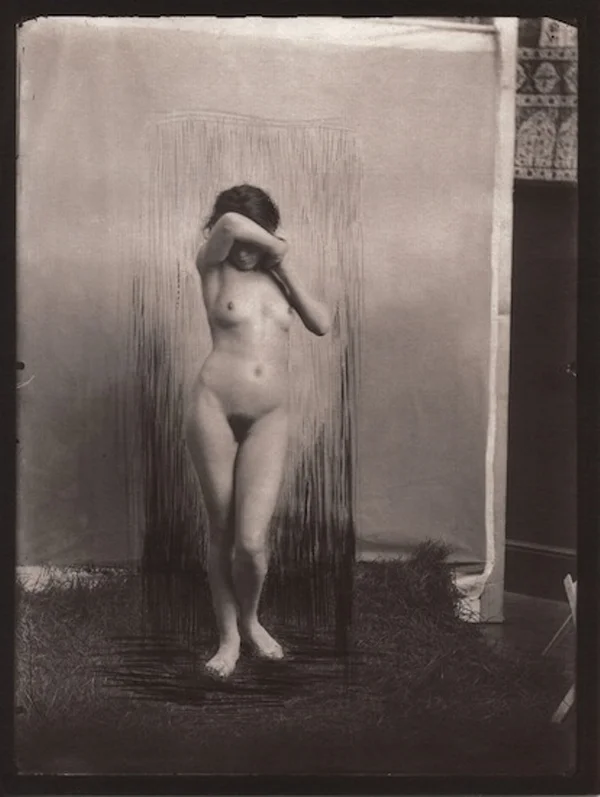
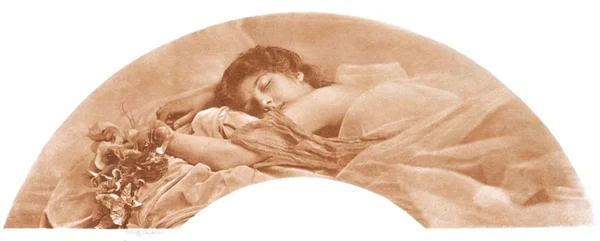
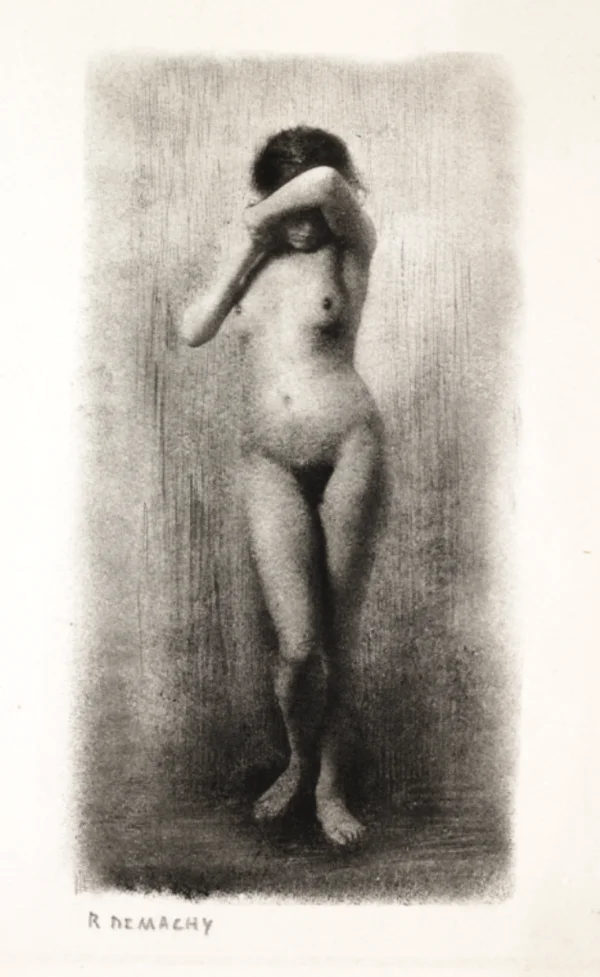
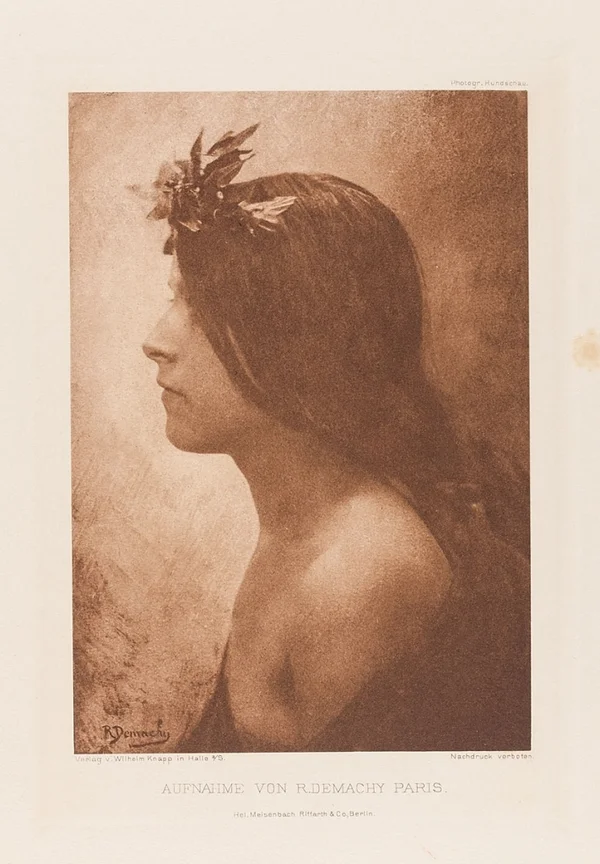
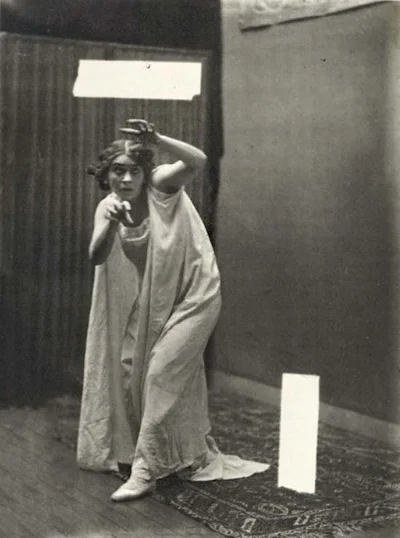
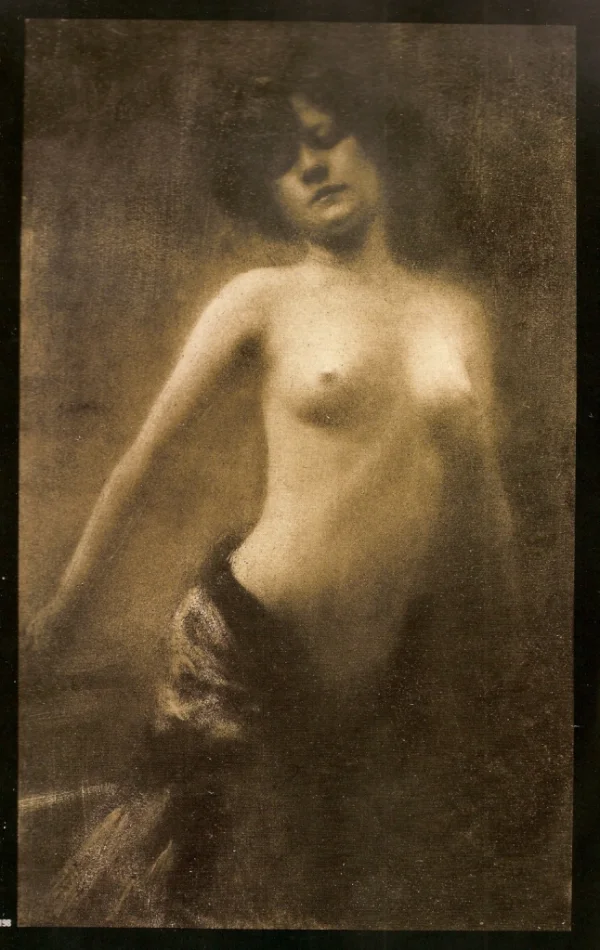
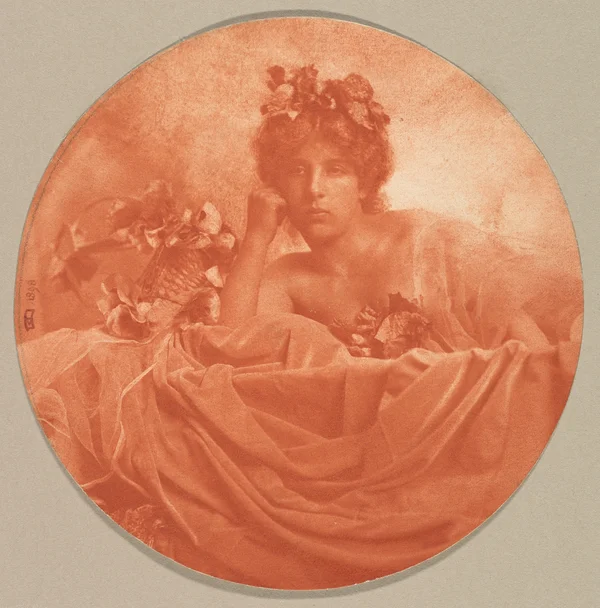
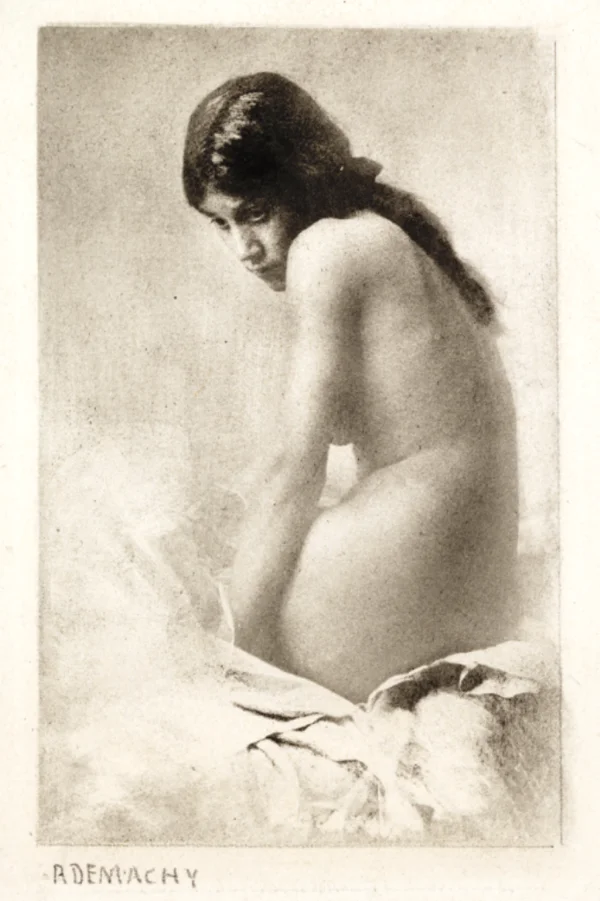
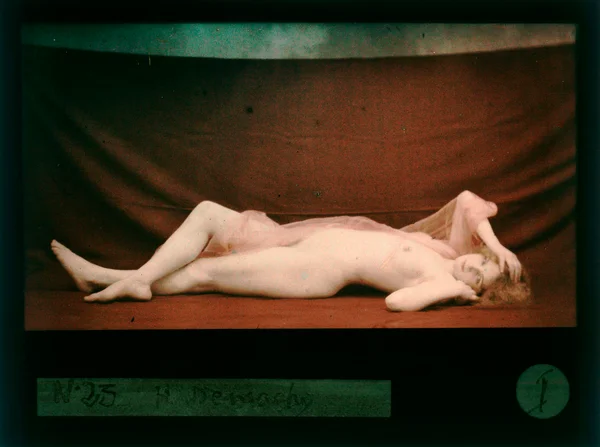
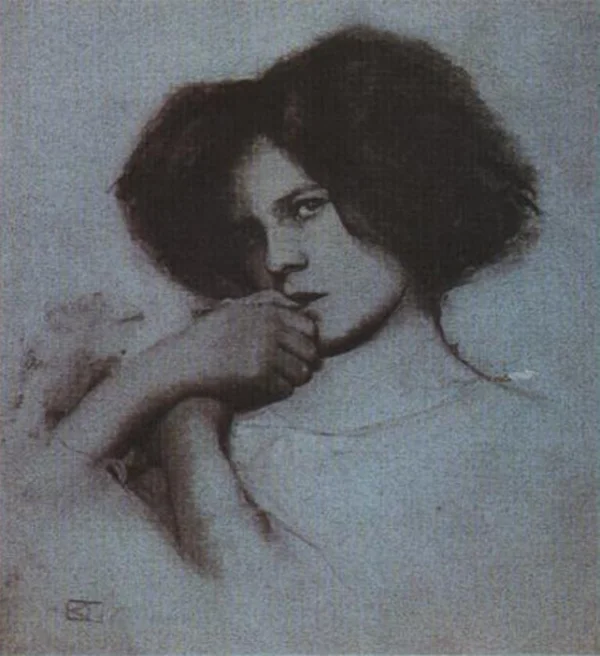
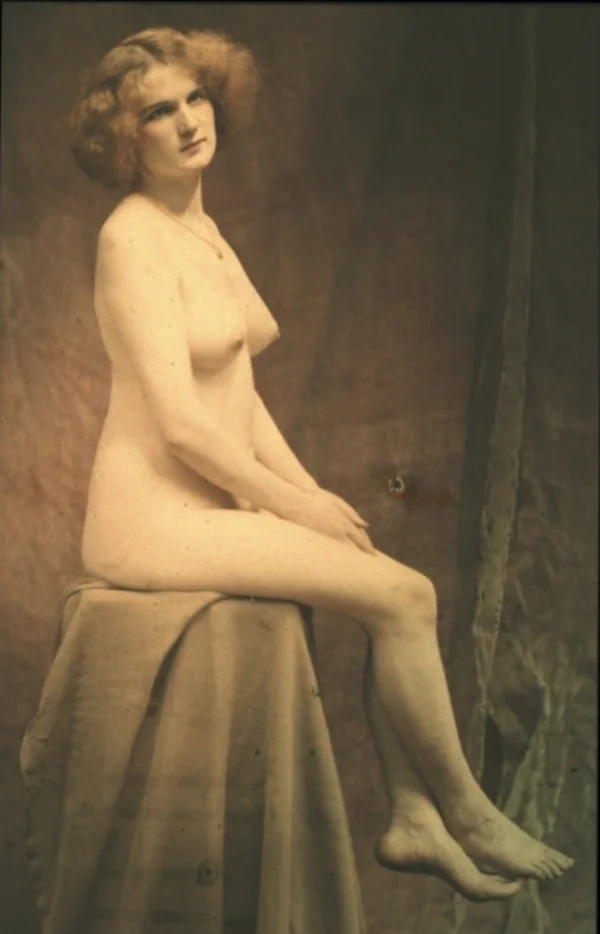
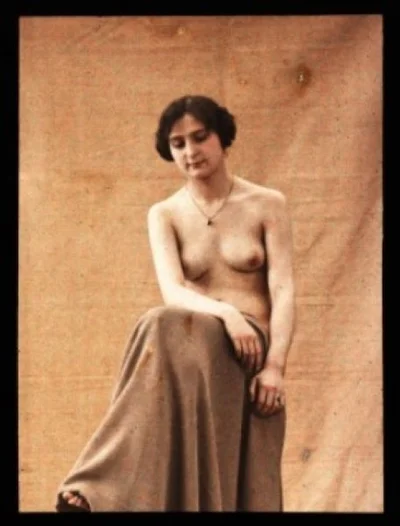
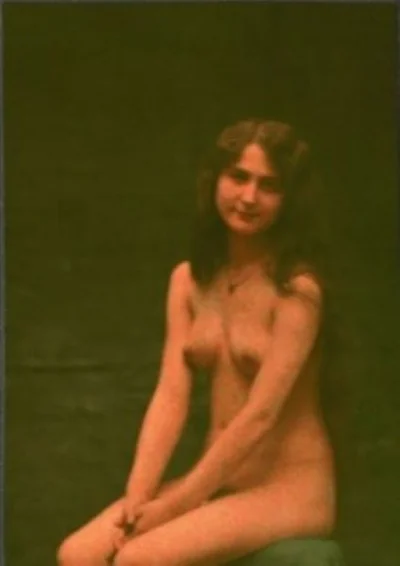
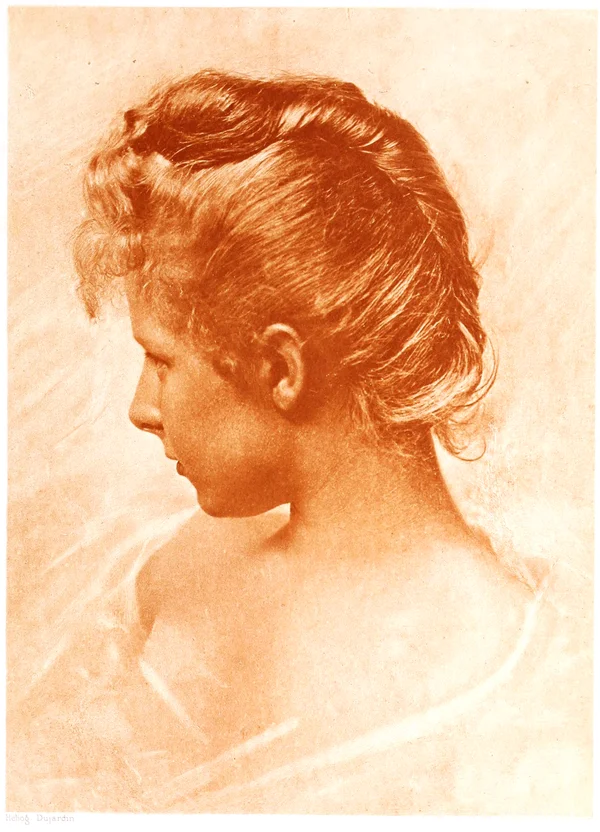
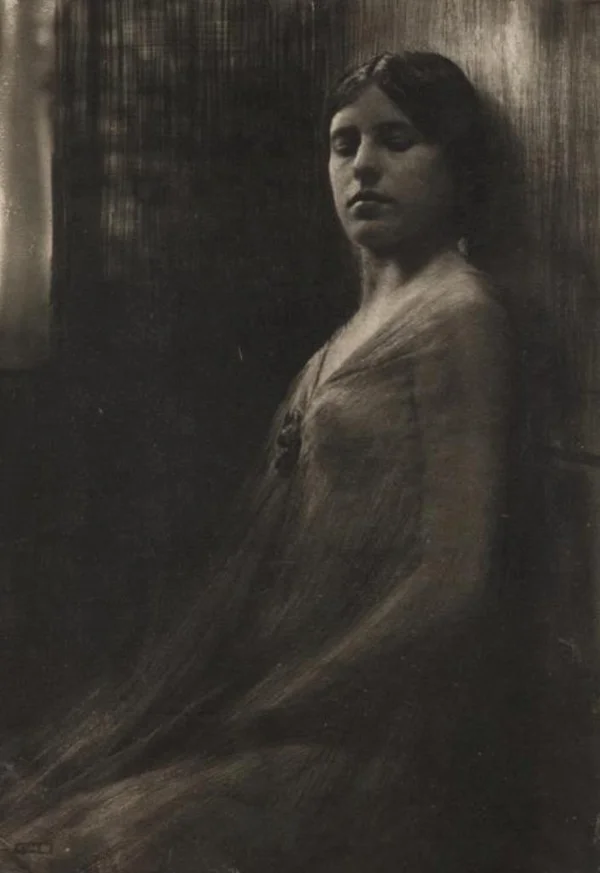
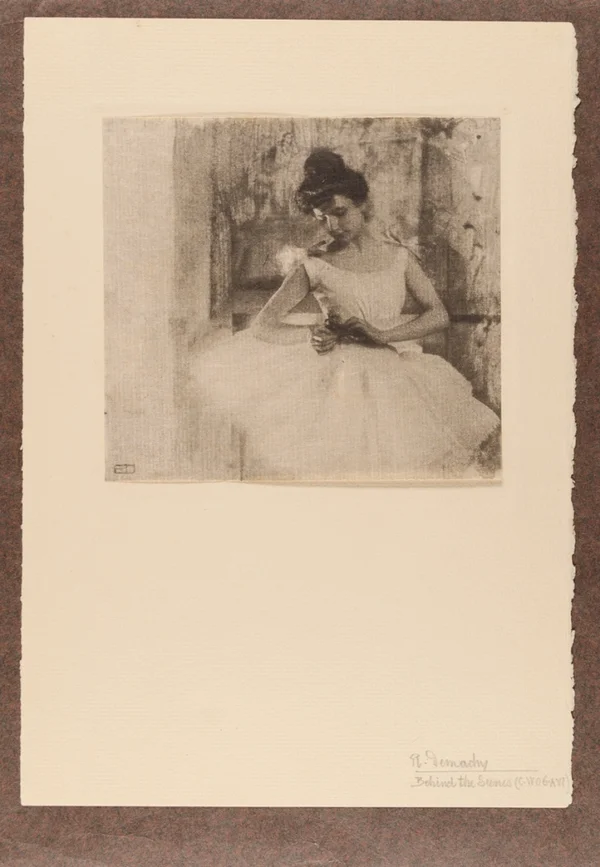
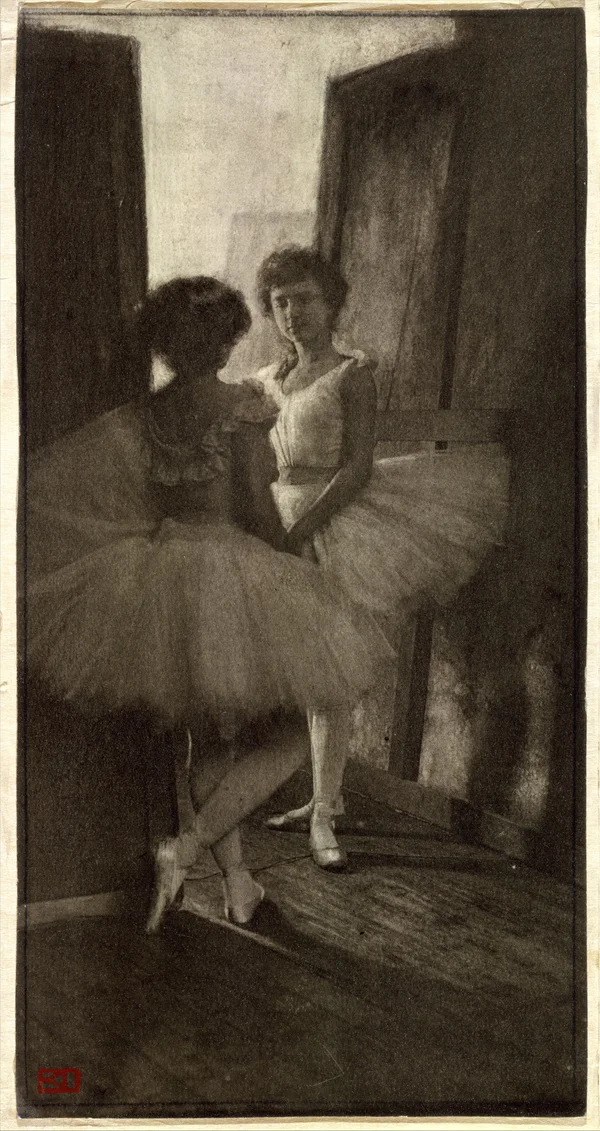
Demachy famously believed that a photographer should have as much control over their work as a painter. His technical practice was revolutionary for the time:
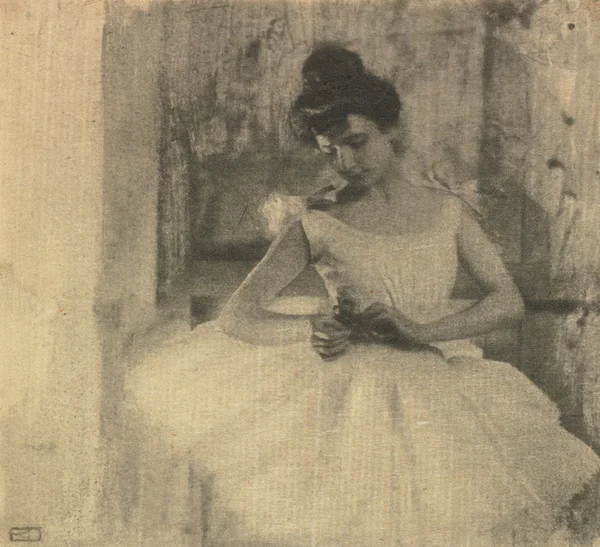
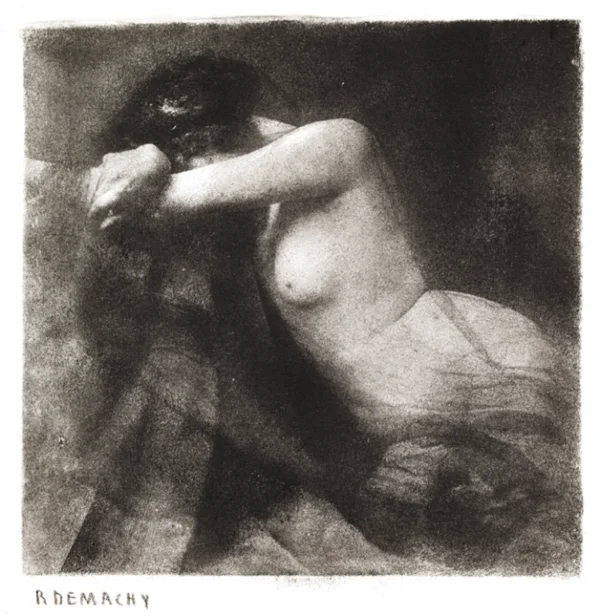
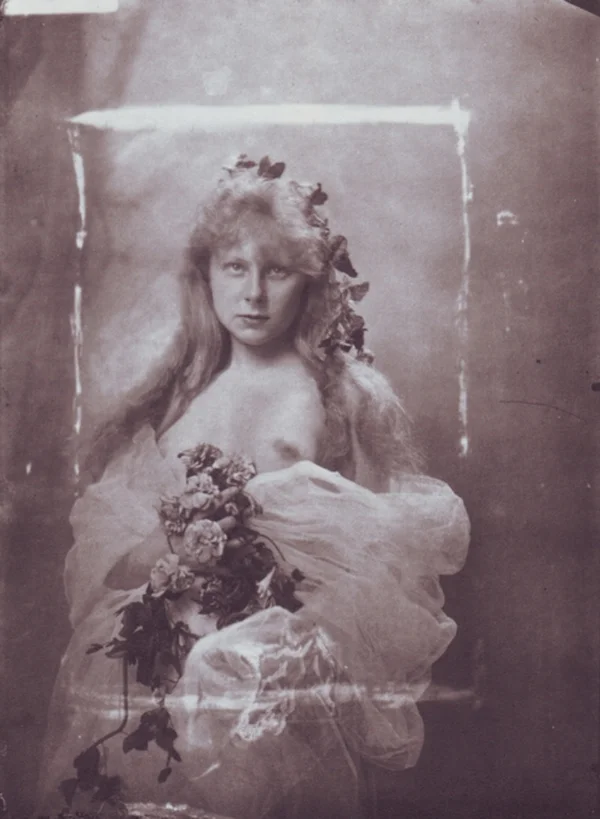
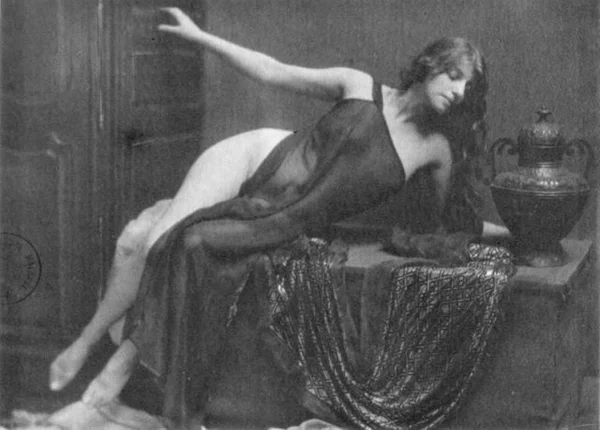
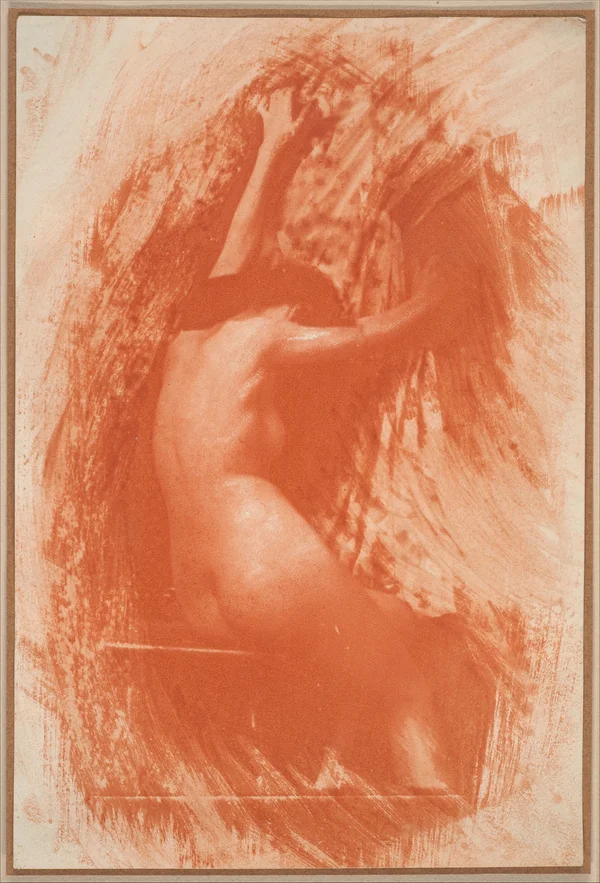
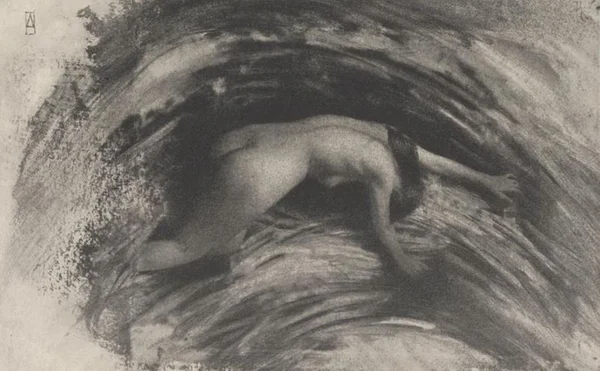
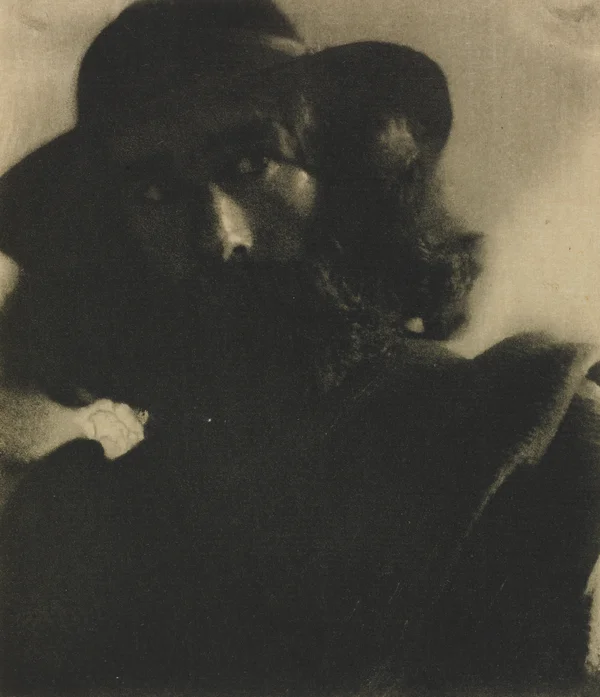
- The Gum Bichromate Process: He mastered this labor-intensive method, which allowed him to manually add or remove pigment from the print.
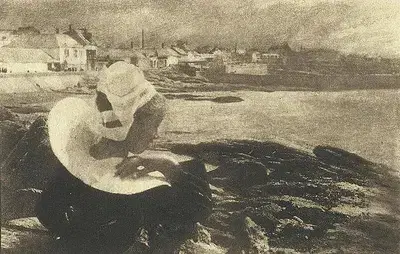
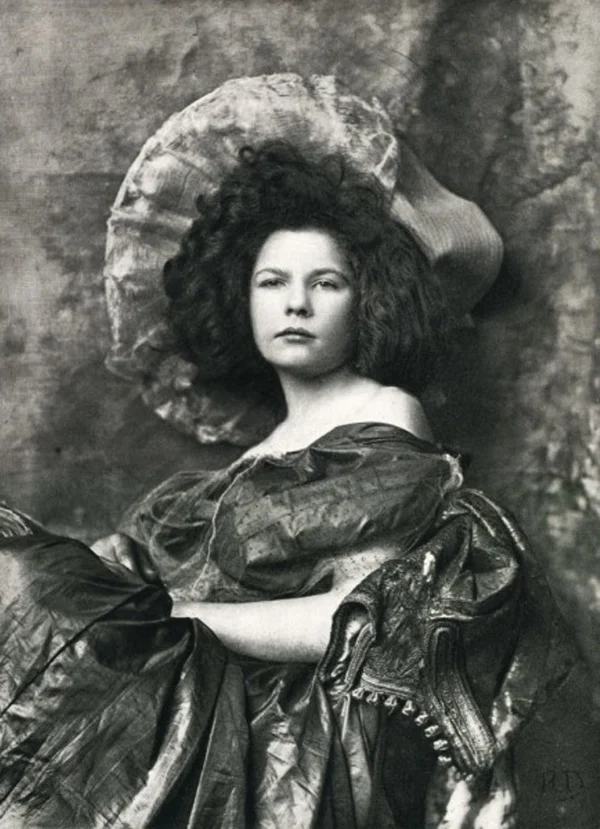
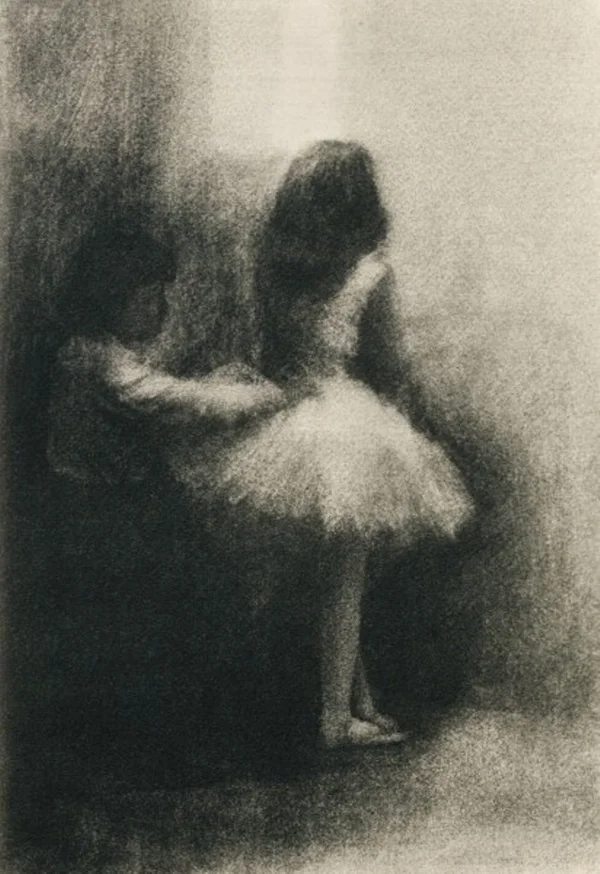
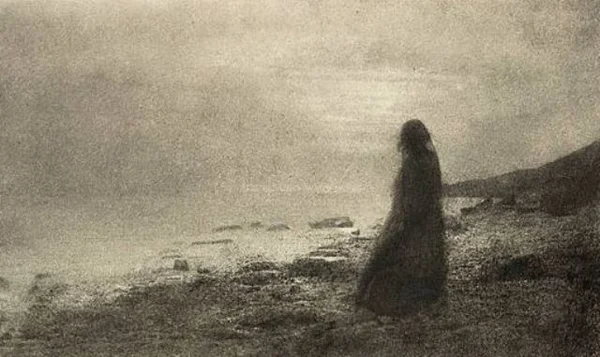
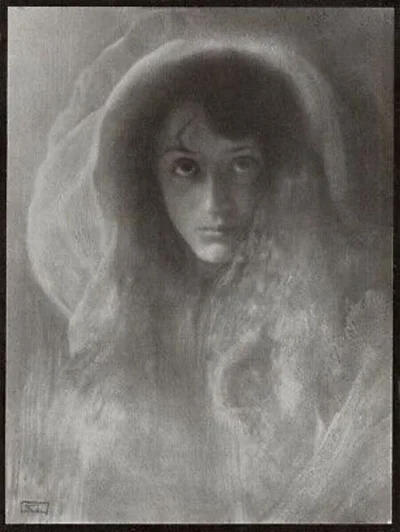
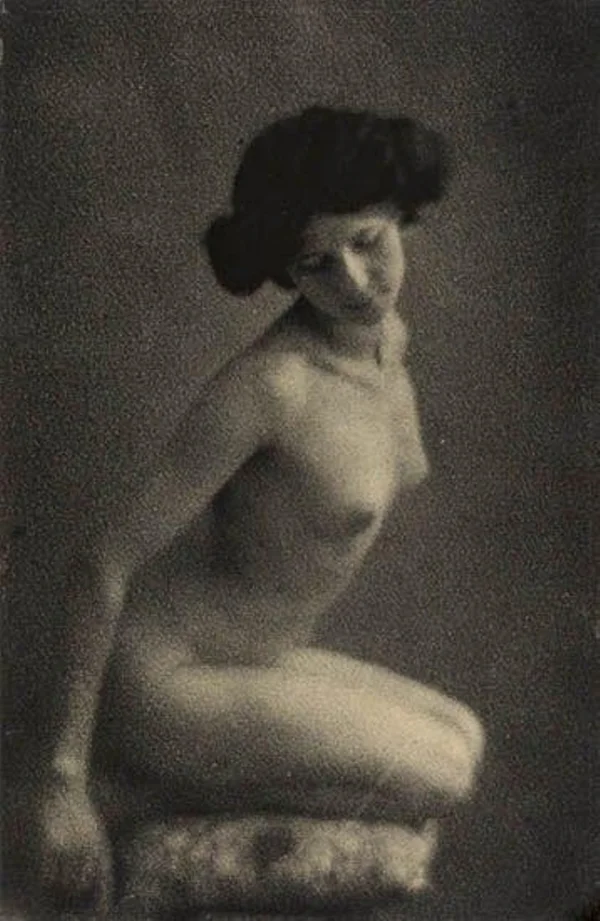
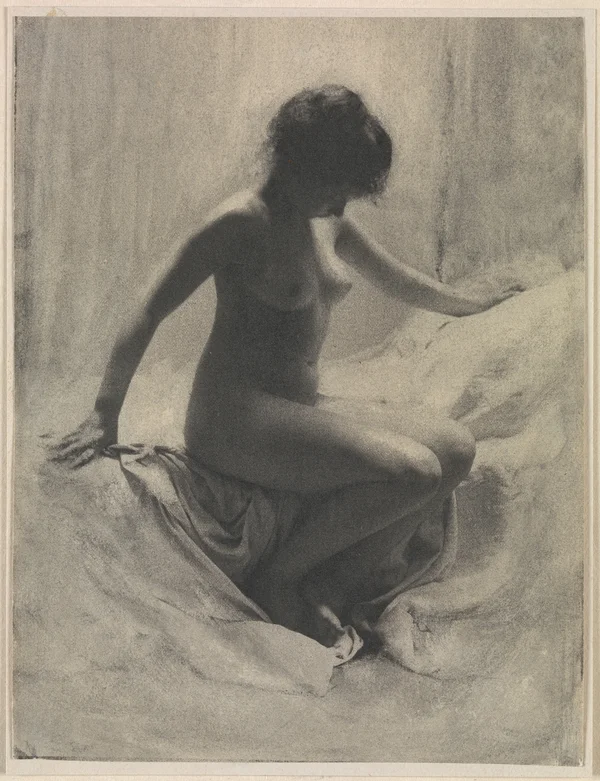
- Hand-Manipulation: He used brushes, sponges, and even his fingers to soften focus, alter tonal values, and remove unwanted details—effectively turning the negative into a mere starting point for artistic expression.
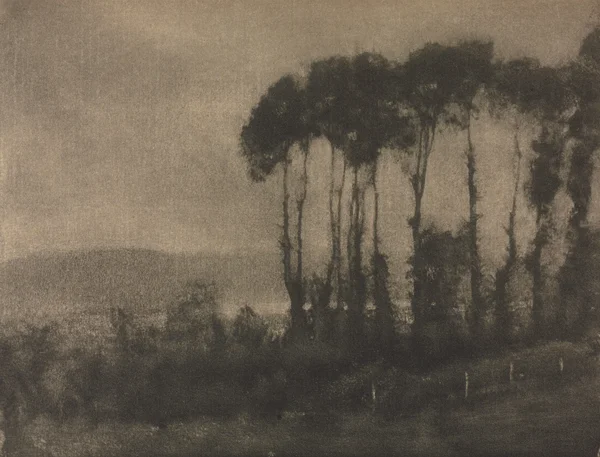
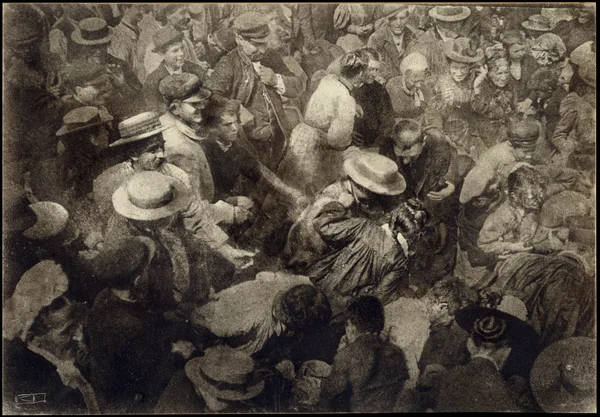
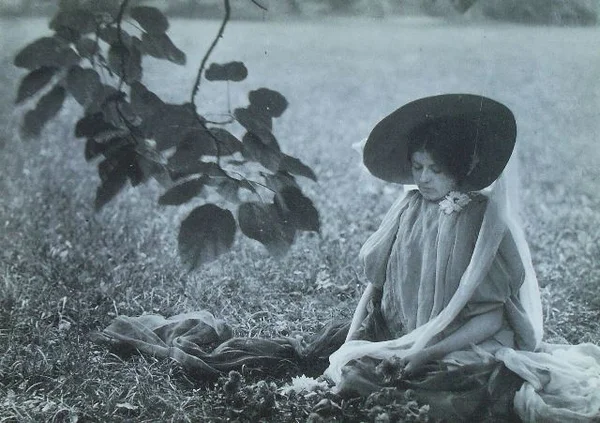
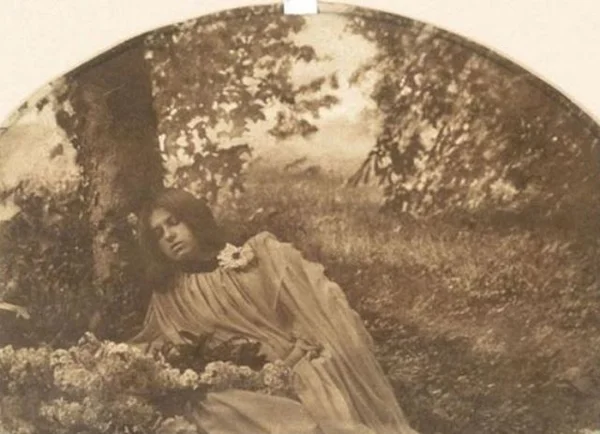
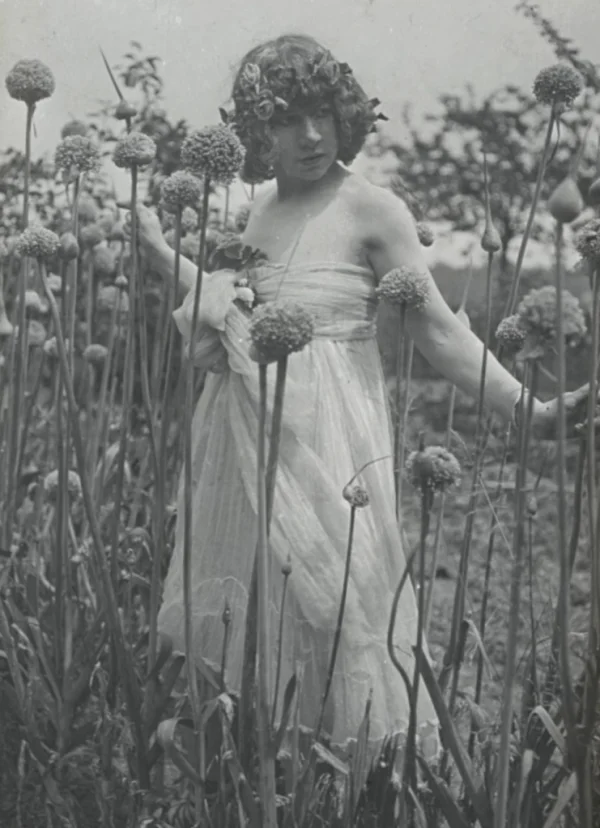
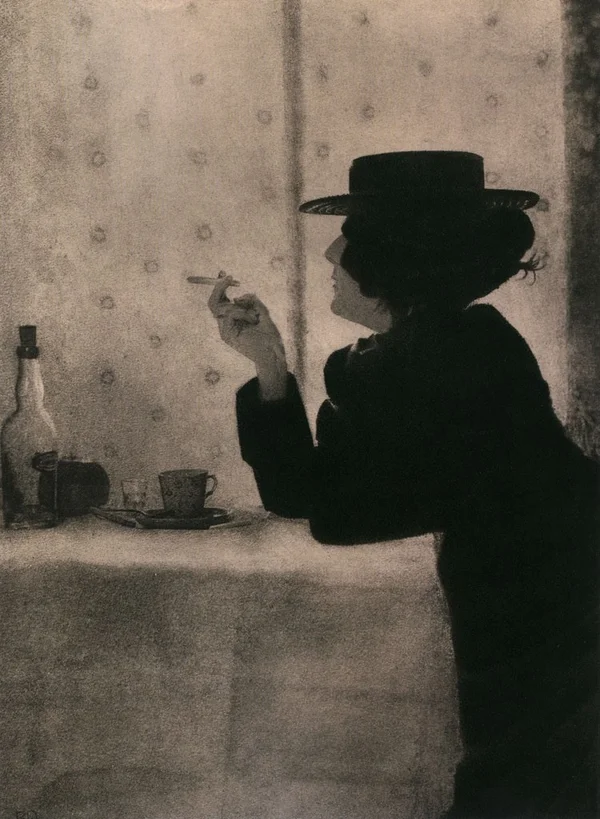
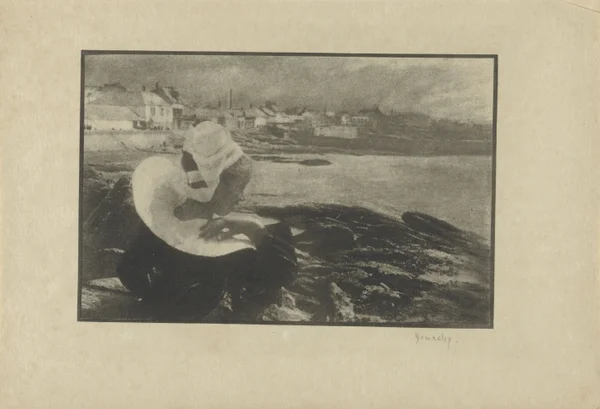
- Impressionist Aesthetics: Drawing inspiration from the French Impressionist movement, his images often featured soft, hazy edges, diffused light, and muted color palettes that prioritized mood over objective detail.
Intellectual and Institutional Influence
Demachy was not just a practitioner; he was a prolific theorist who defined the "Pictorialist Manifesto":
- Photo-Club de Paris: As a co-founder in 1888, he served as the primary strategist for the French Pictorialist movement, constantly challenging the rising tide of "Straight Photography."
- Critical Writing: He penned over a thousand articles, consistently arguing that photography was an interpretive art rather than a purely mechanical science.
- International Reach: His work was featured in Alfred Stieglitz’s Camera Work in 1904, successfully exporting his aesthetic influence to the American art scene.
Demachy’s legacy serves as a vital historical bridge, reminding modern audiences that the camera’s output is not the end of the artistic process, but merely the invitation for the photographer to interpret the world through their own creative lens.