Biography:
The Rise of a Pictorialist
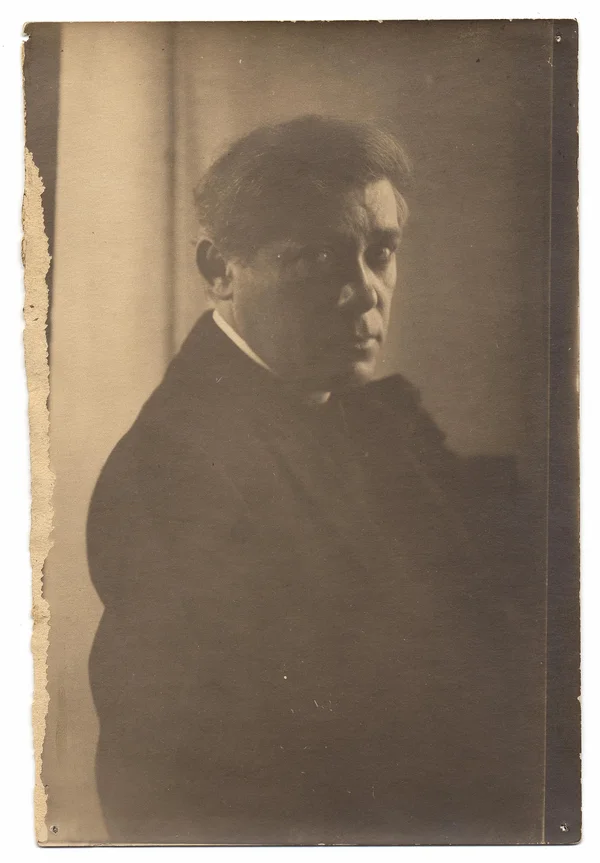
Born in West Carlisle, Ohio, White initially pursued photography as a hobby while working as a bookkeeper. His rapid ascent in the art world was fueled by his unique perspective:
- 1898: Gained national recognition at the First Philadelphia Photographic Salon.
- 1900: Joined the prestigious Linked Ring association.
- 1902: Co-founded the Photo-Secession movement alongside Alfred Stieglitz, dedicated to promoting photography as a legitimate fine art.
Artistic Style and Philosophy
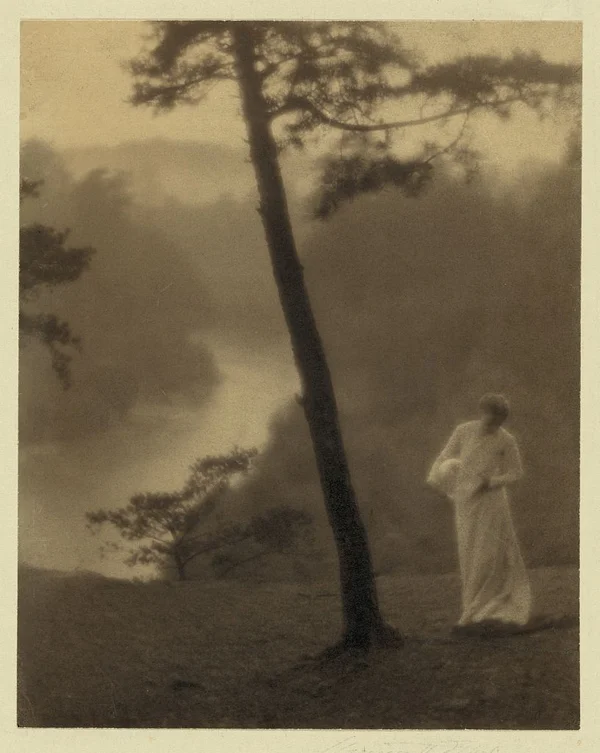
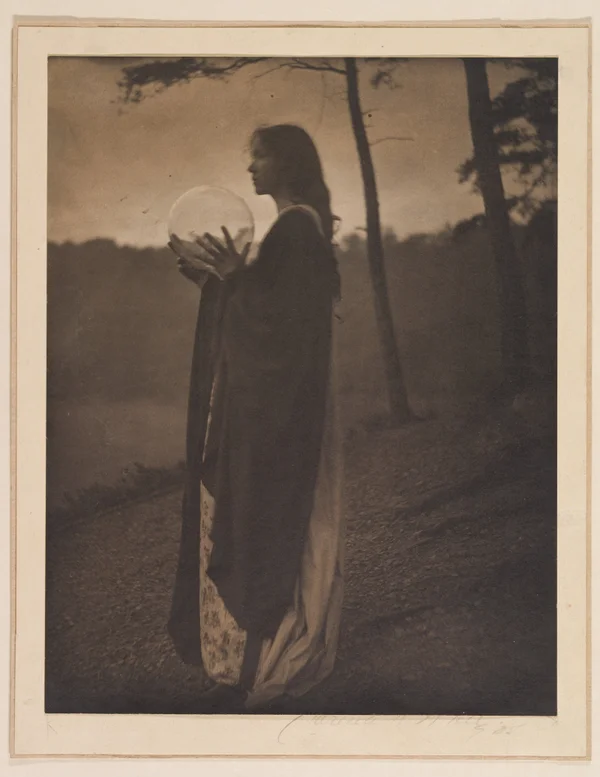
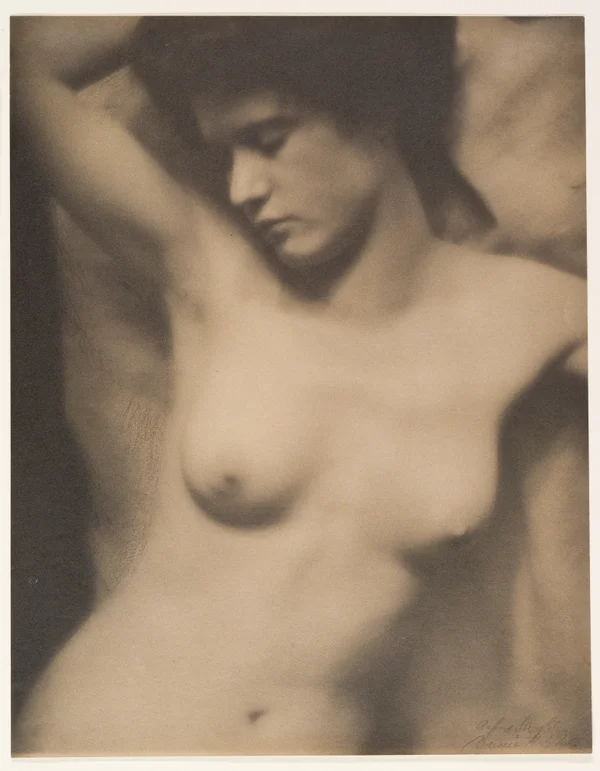
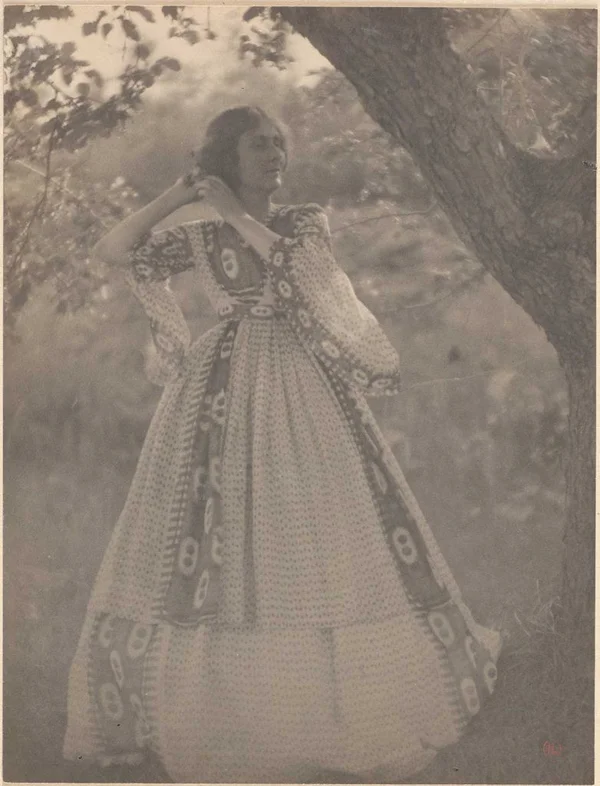
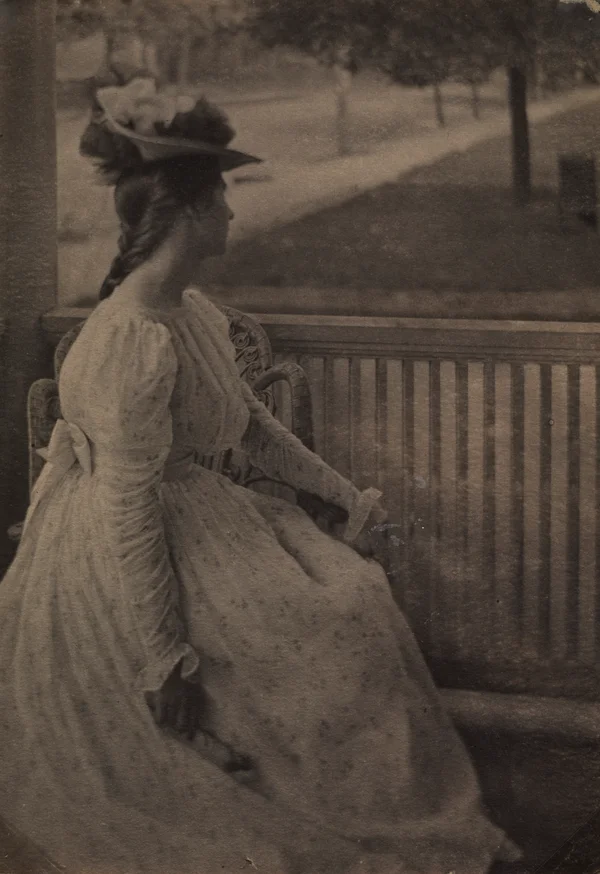
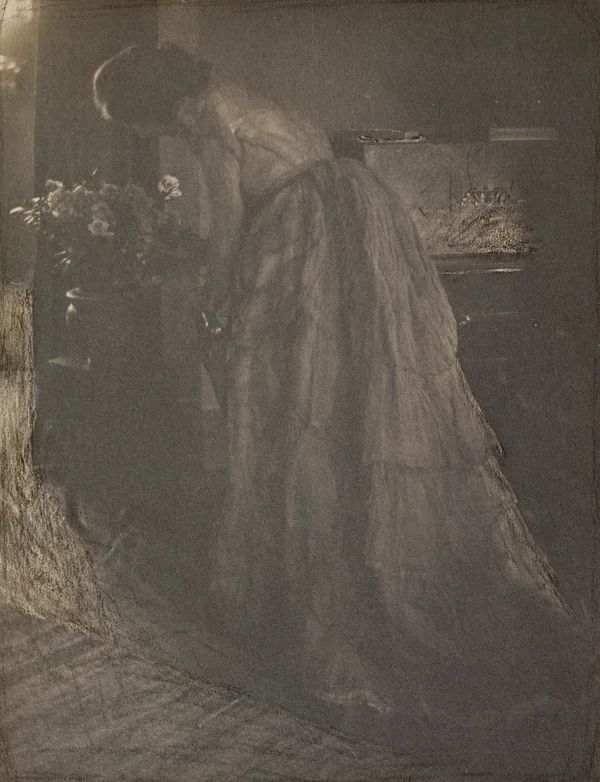
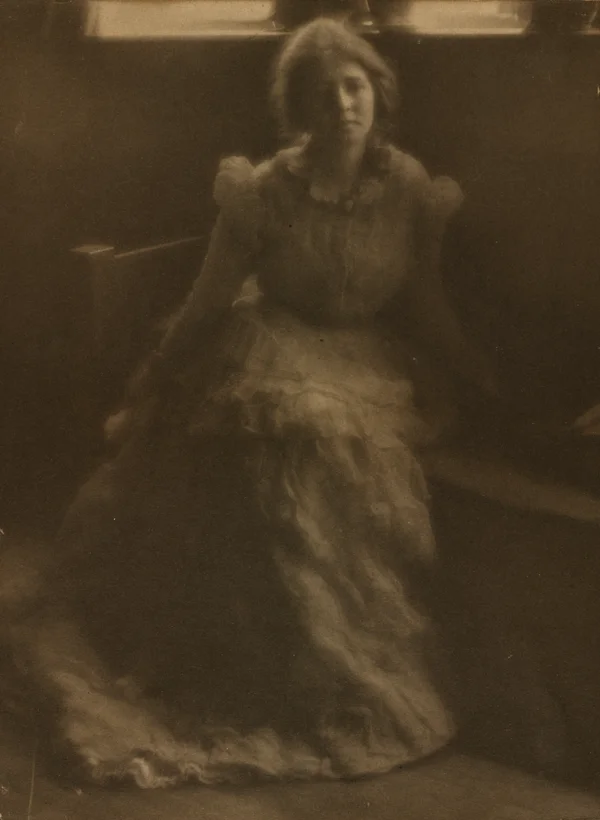
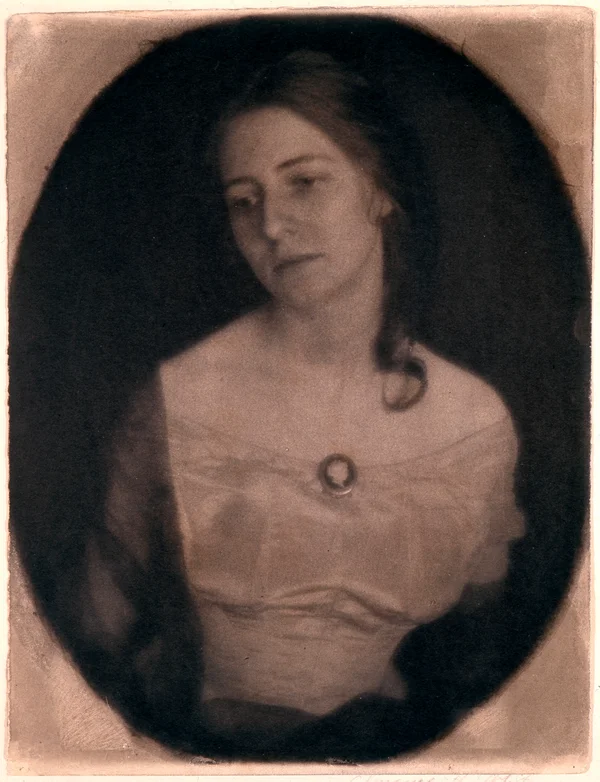
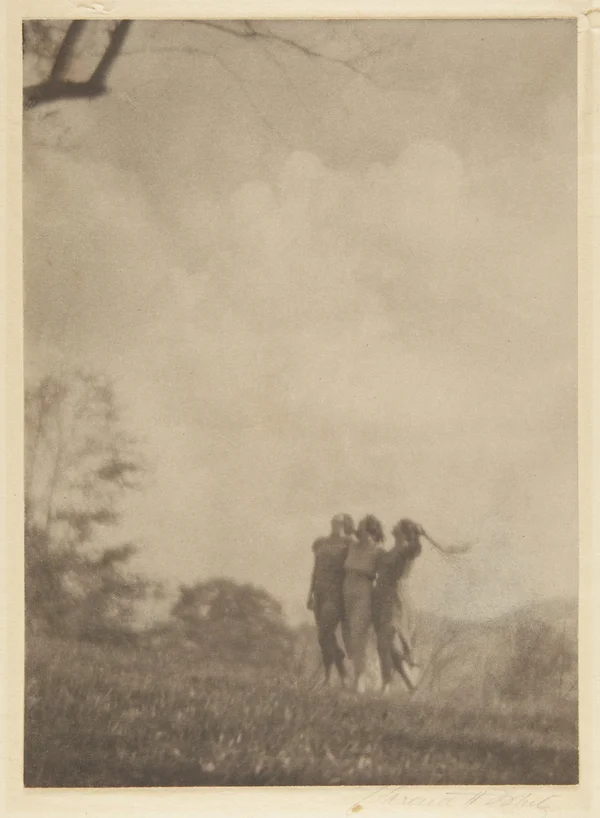
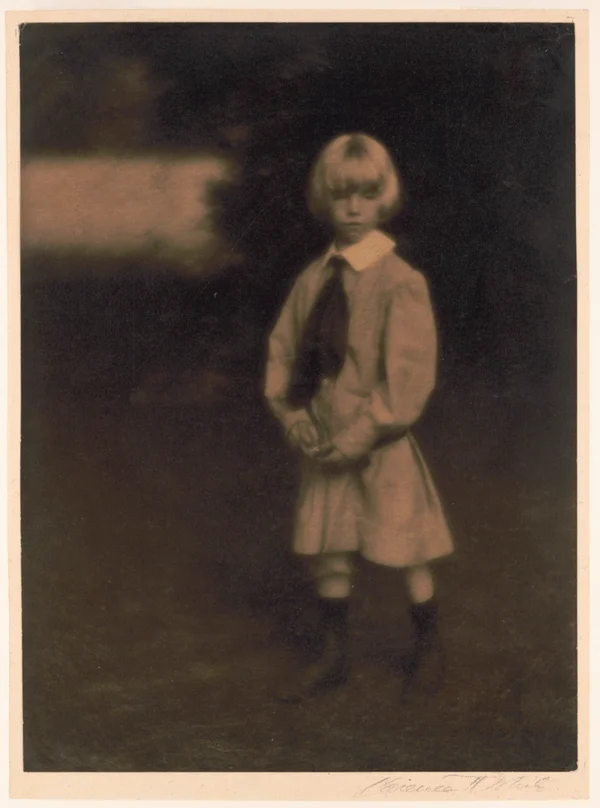
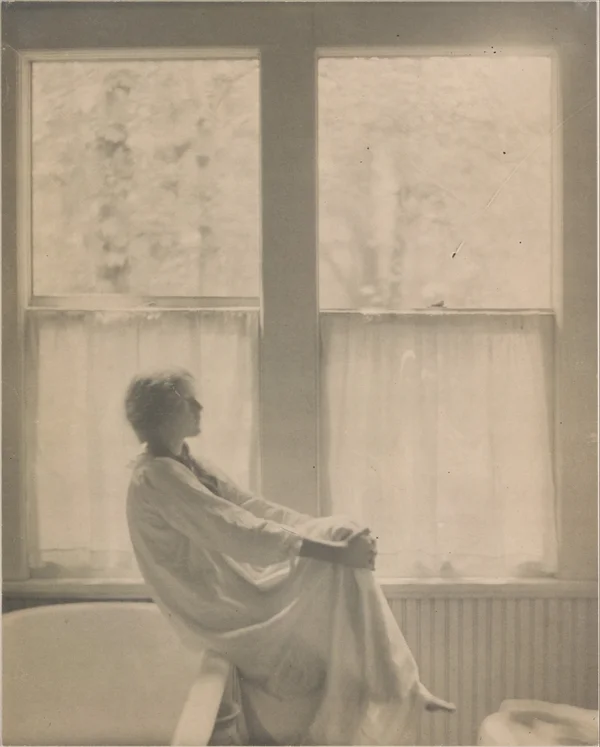
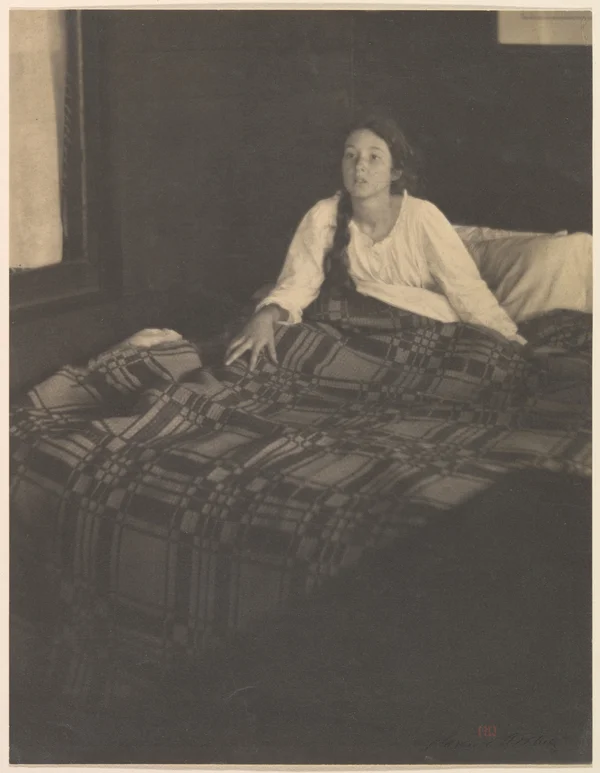
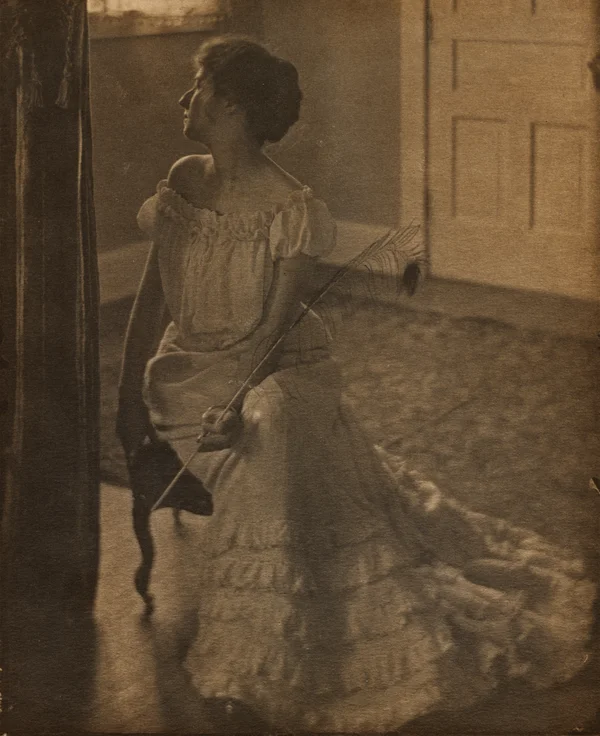
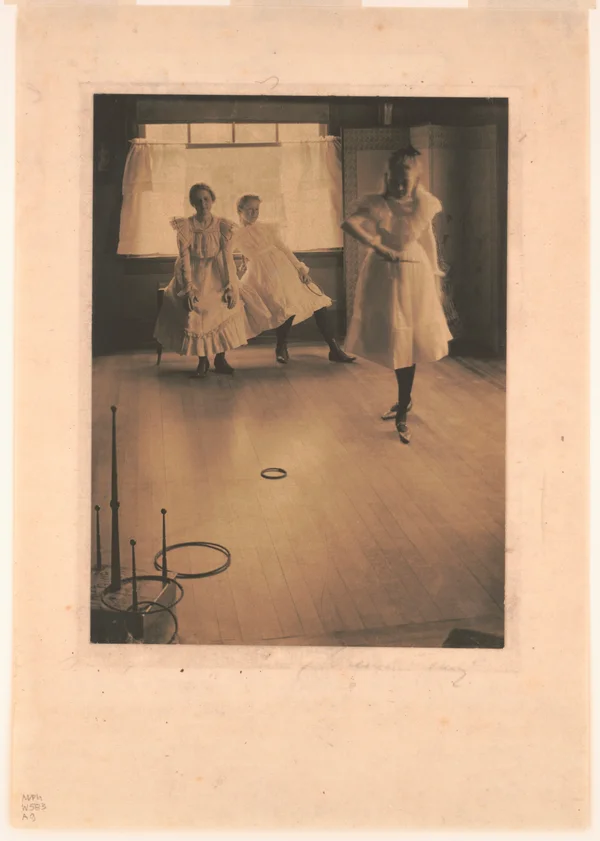
White’s photographic practice defined the American Pictorialist aesthetic:
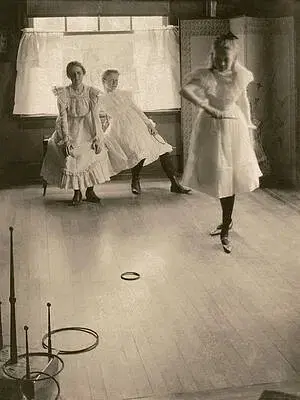
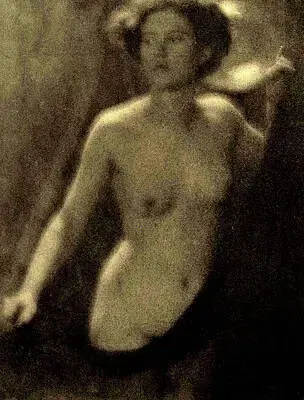
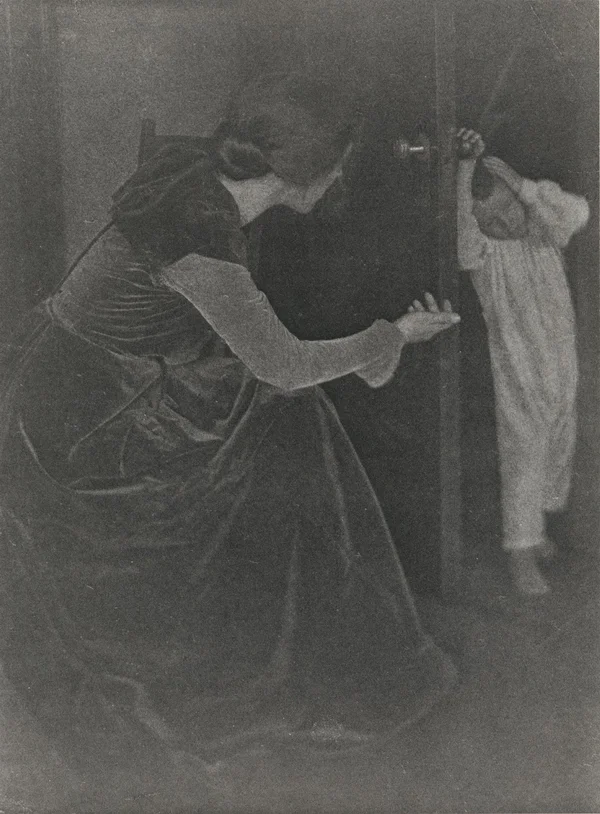
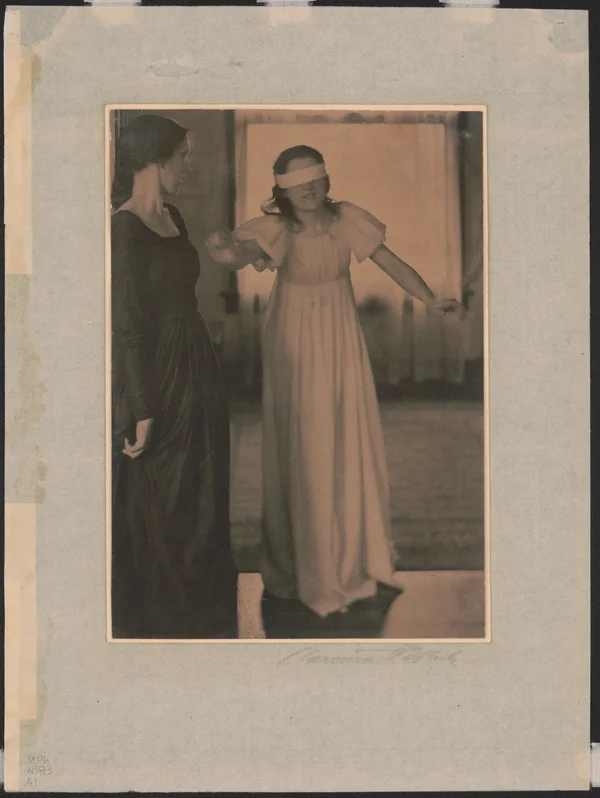
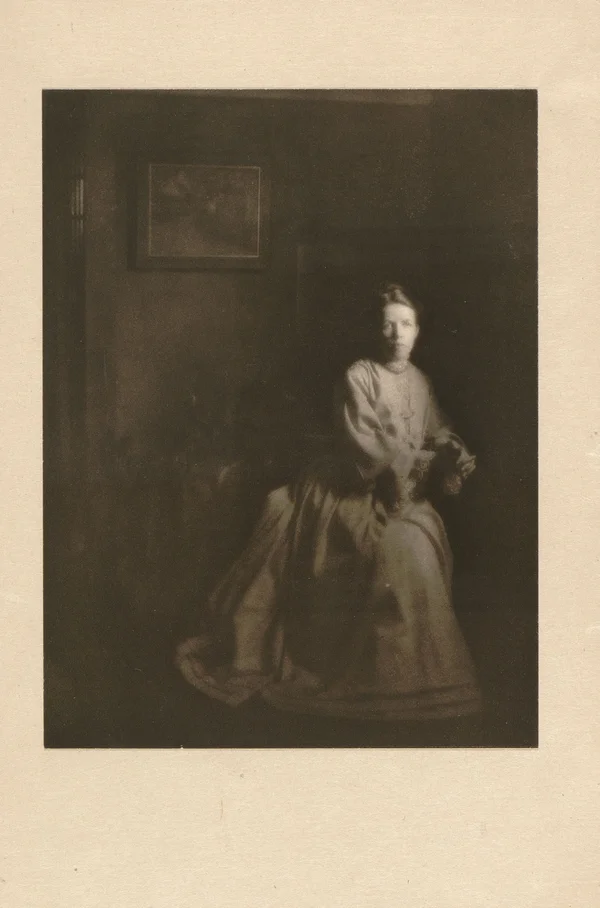
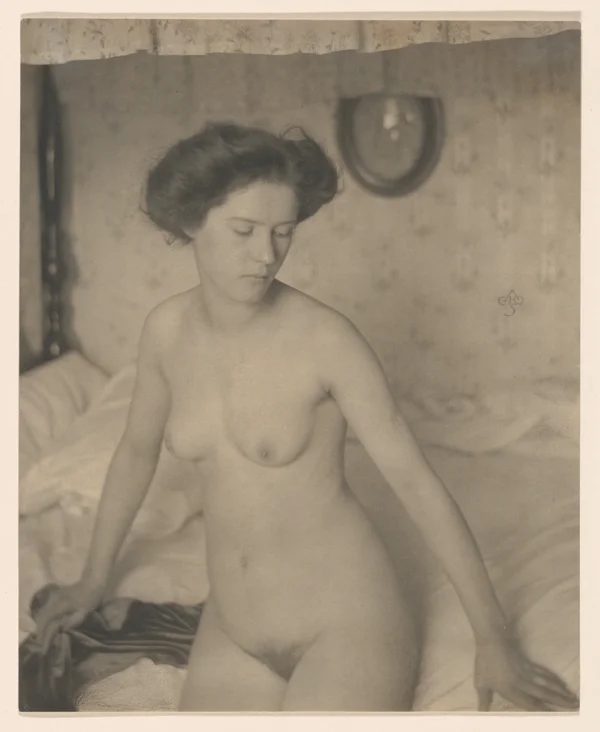
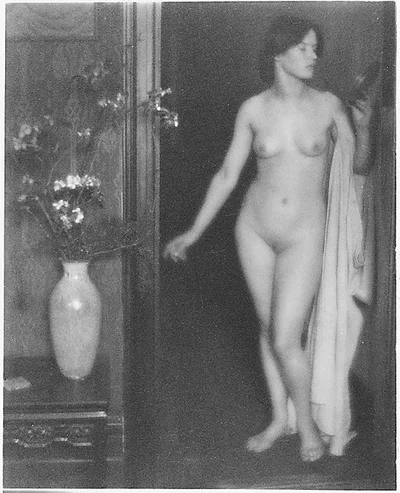
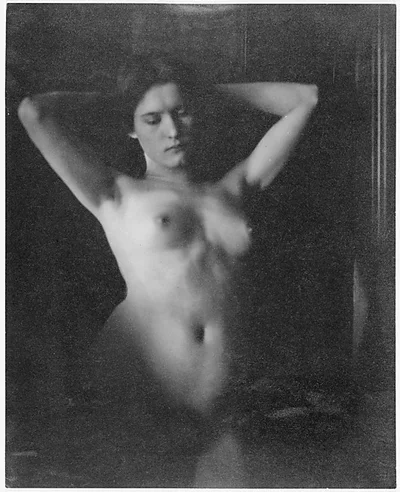
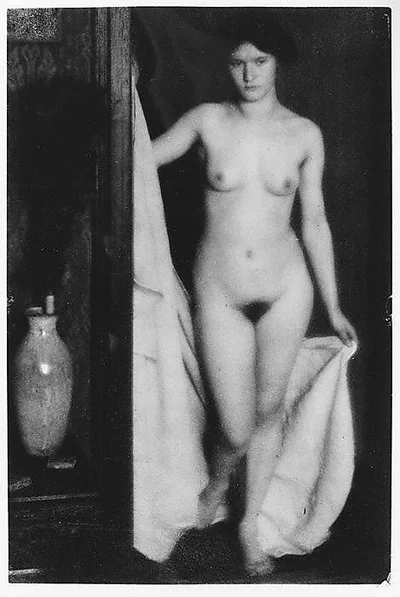
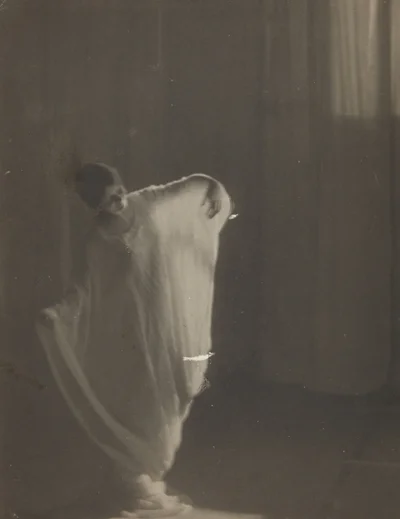
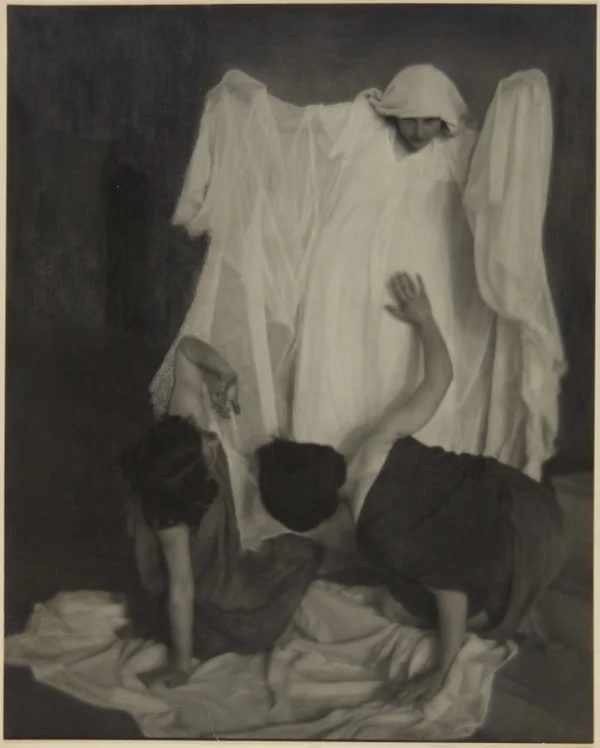
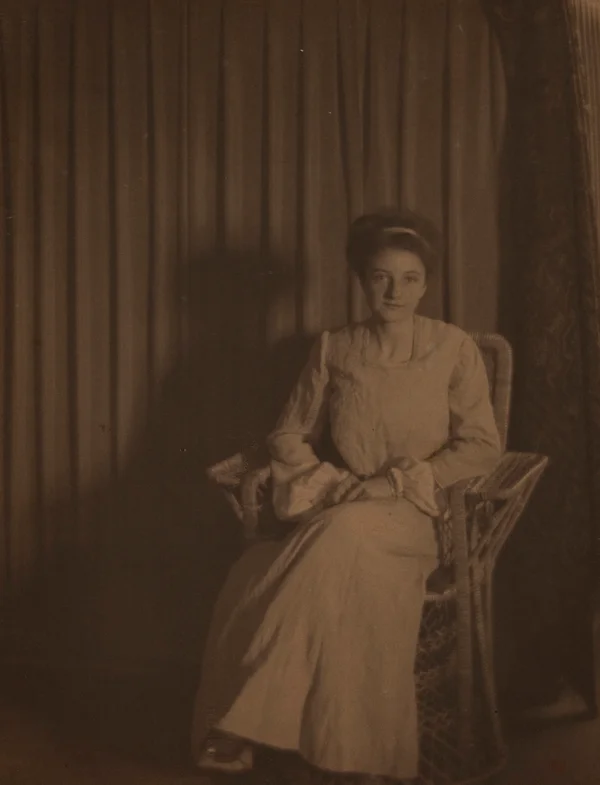
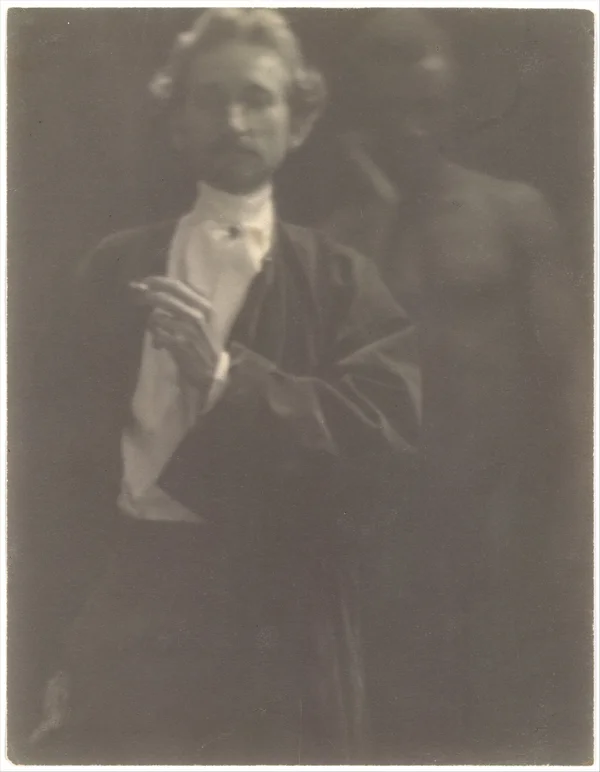
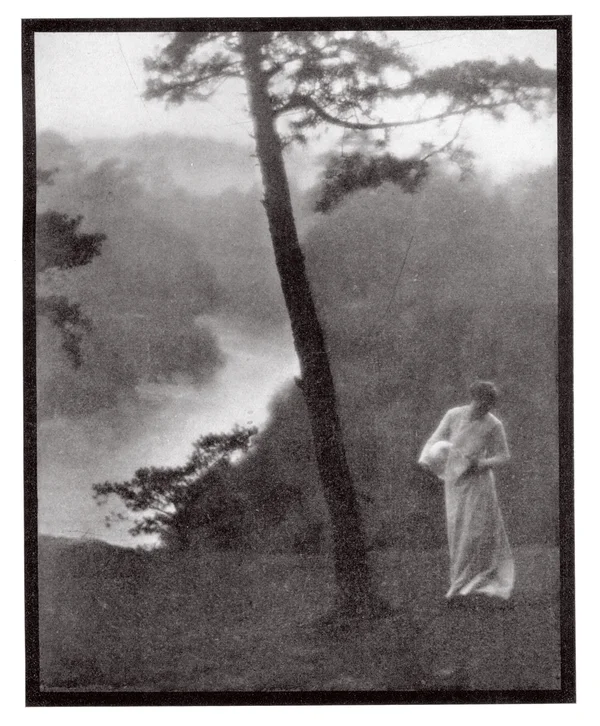
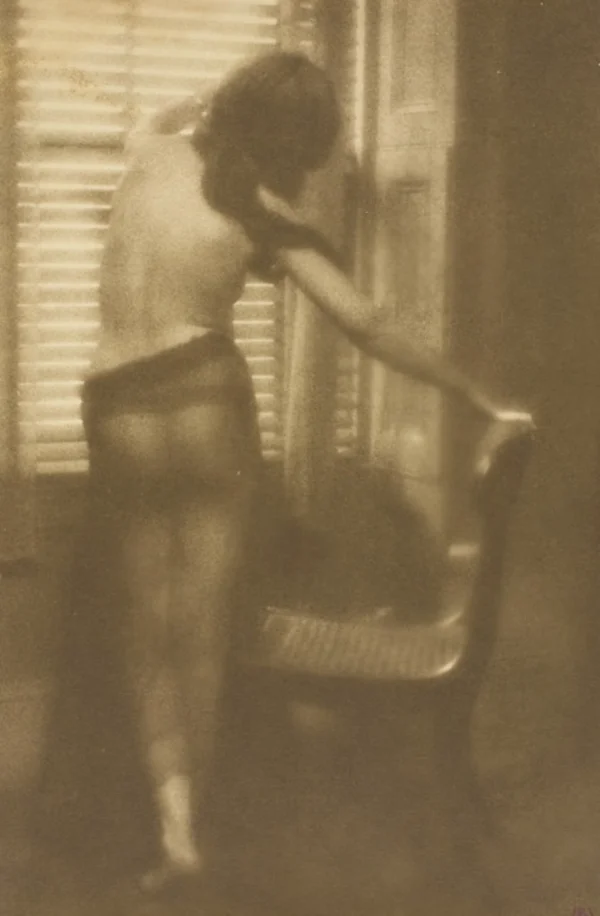
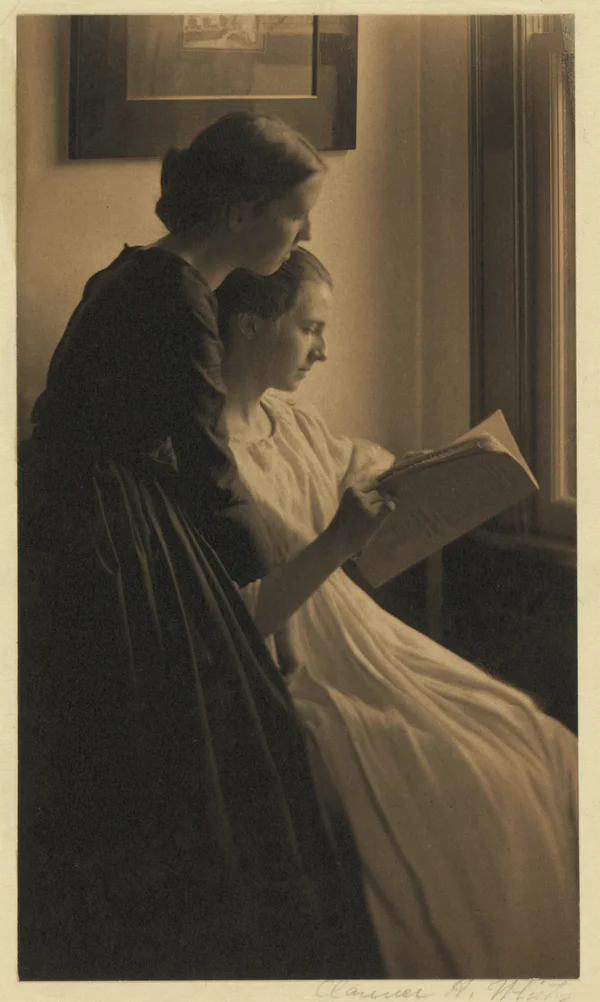
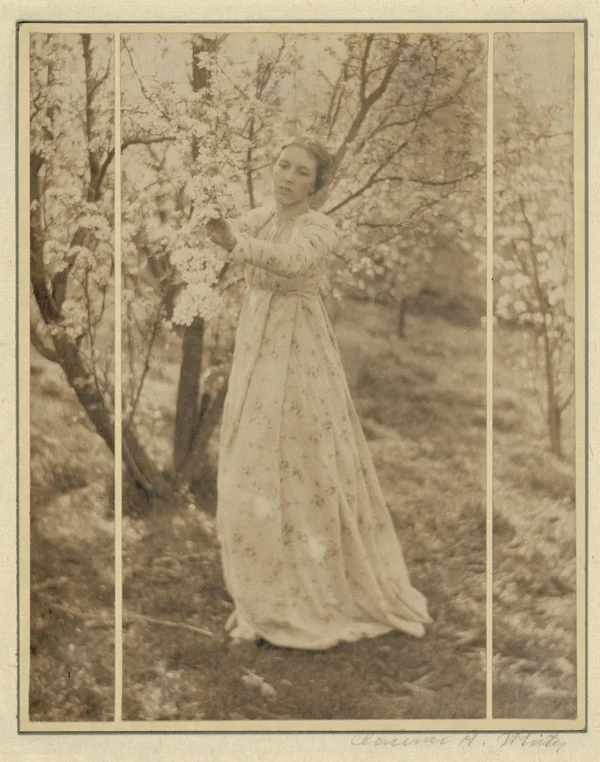
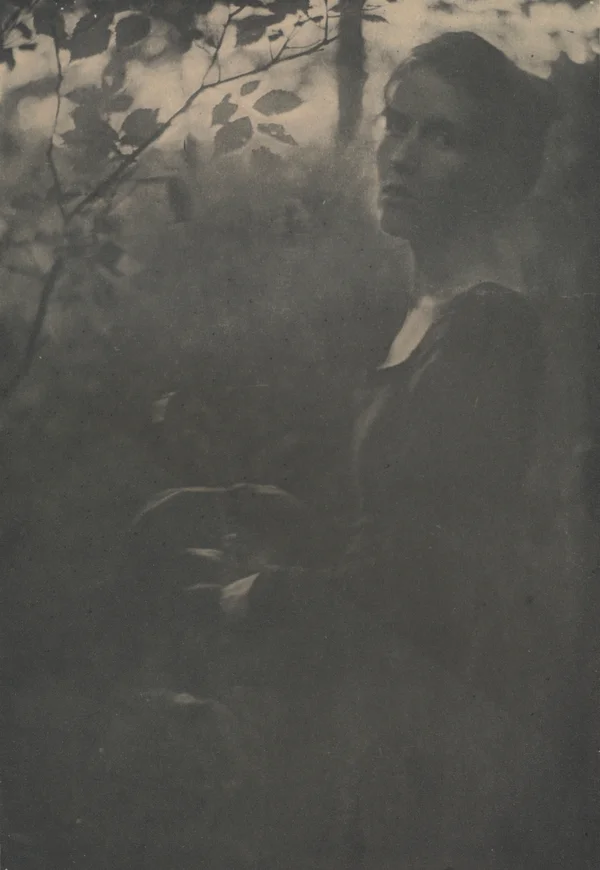
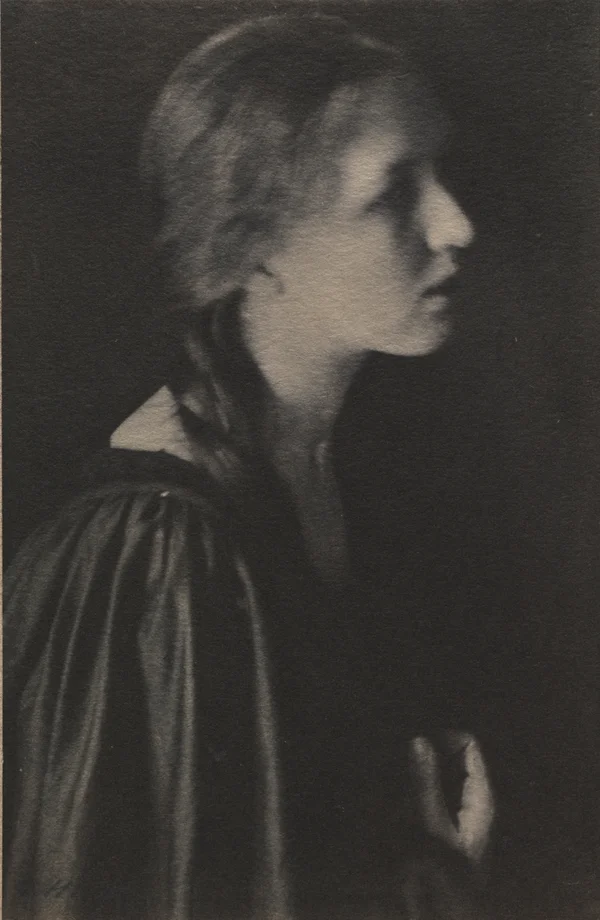
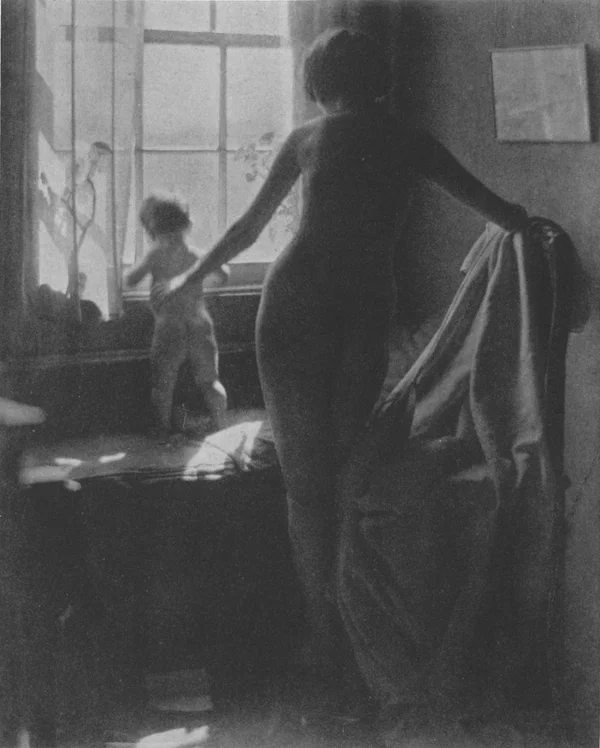
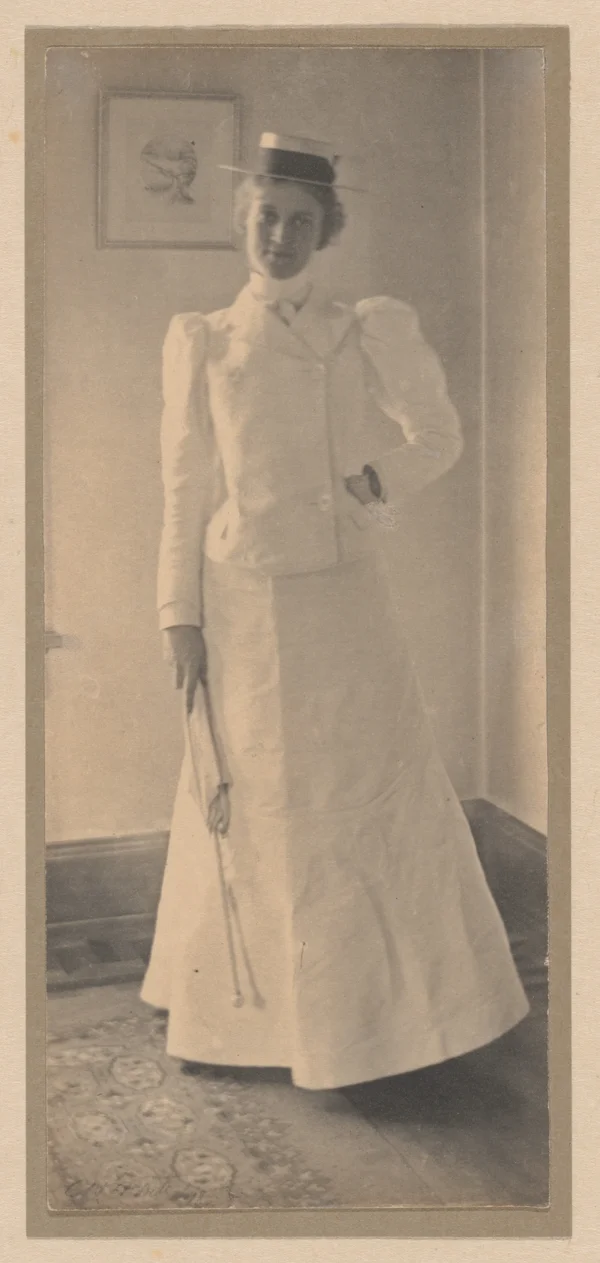
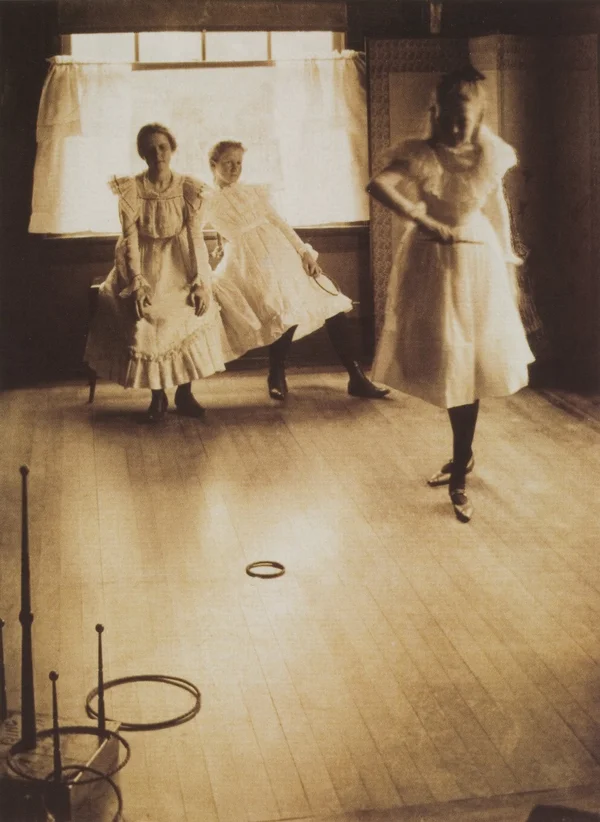
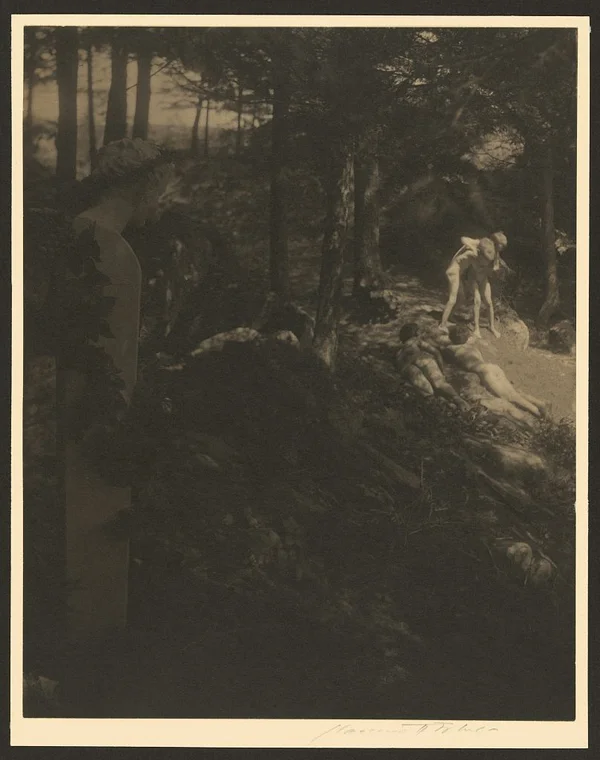
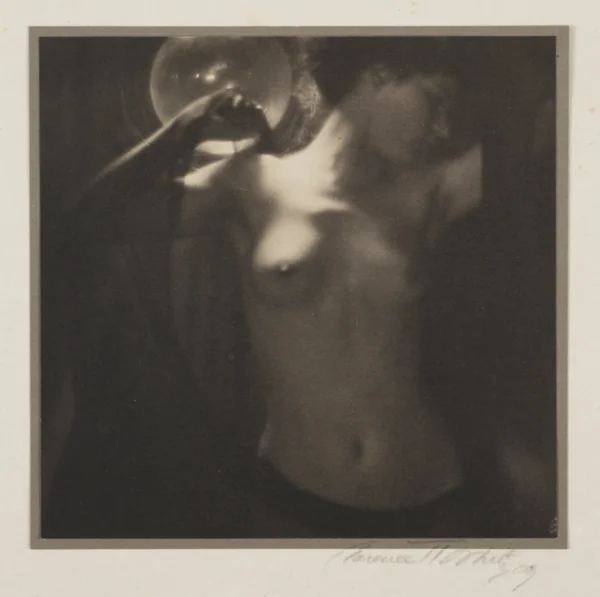
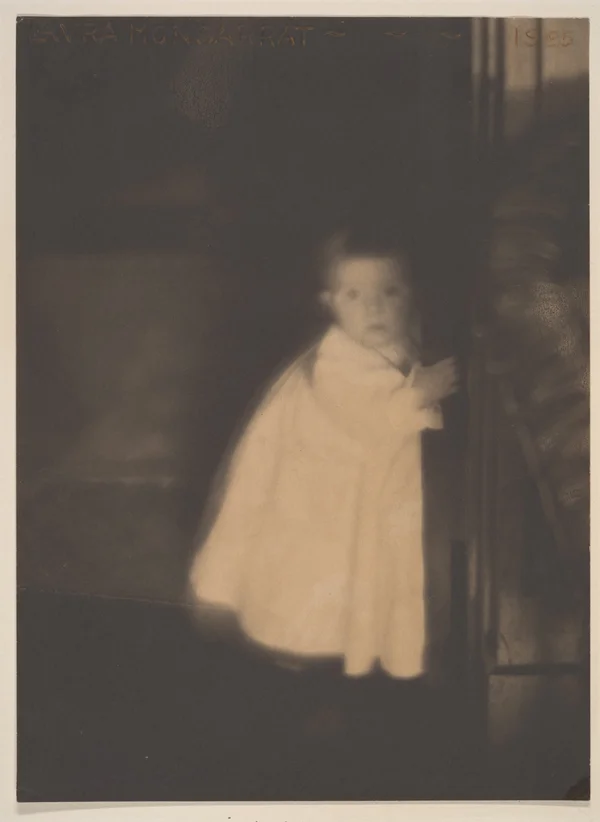
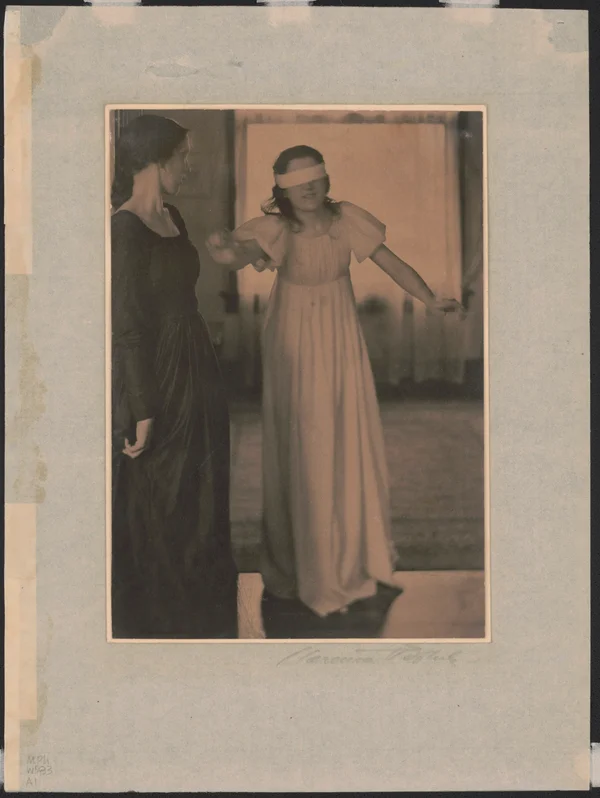
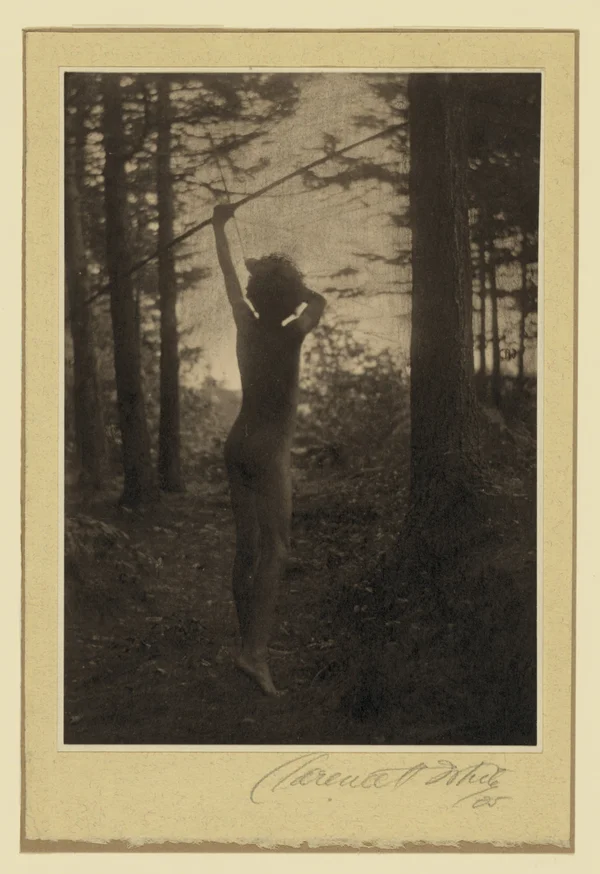
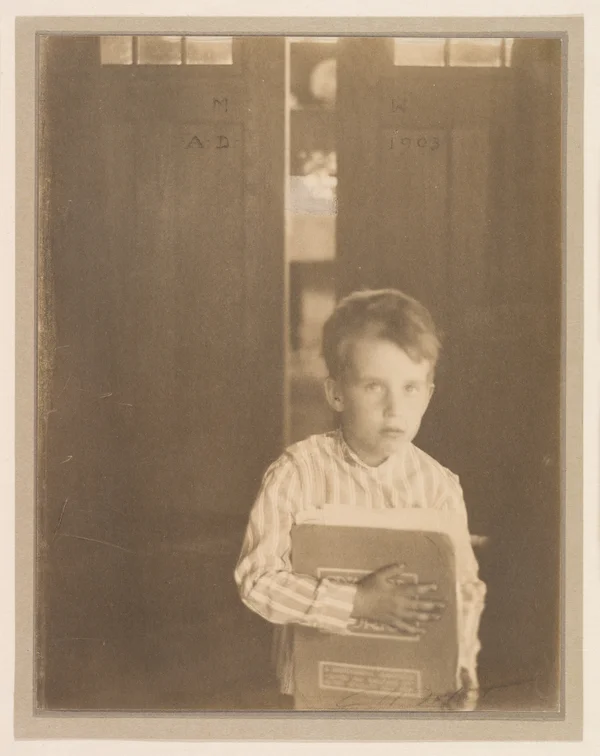
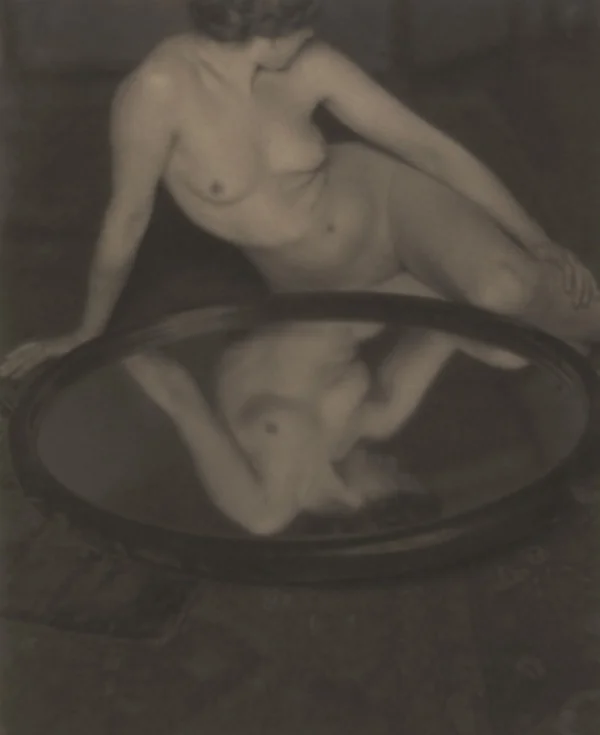
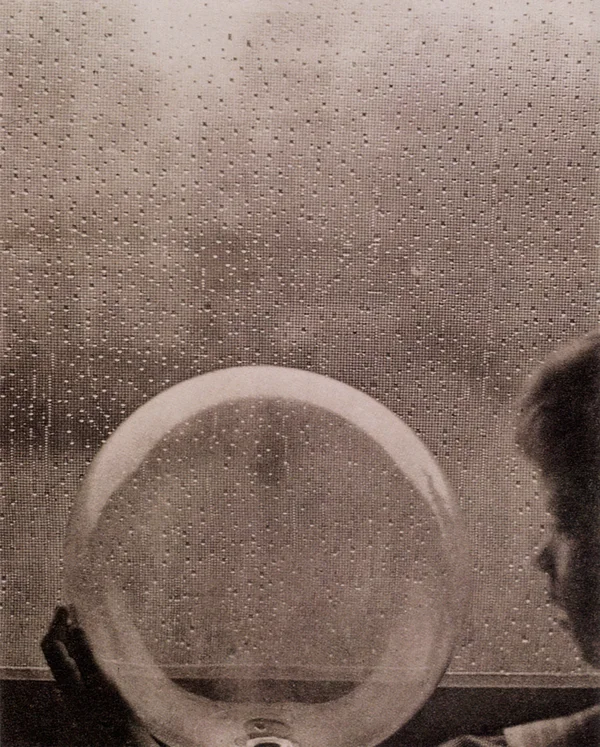
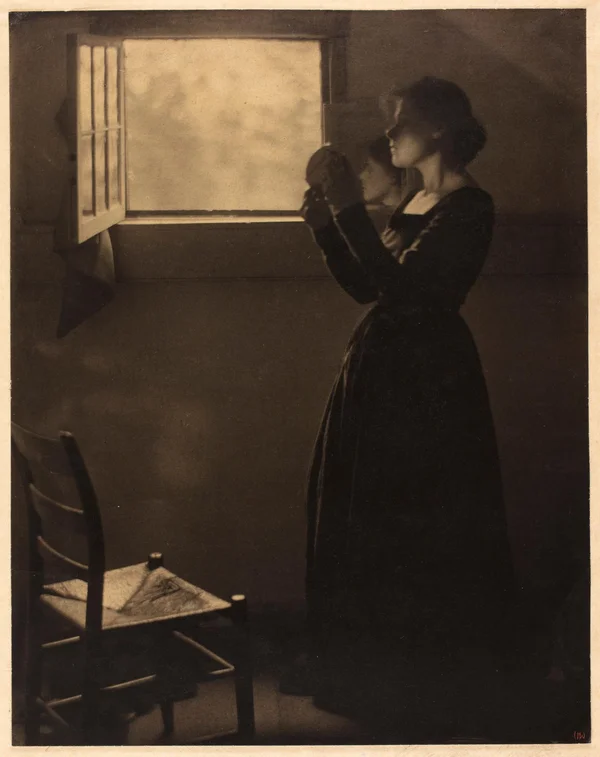
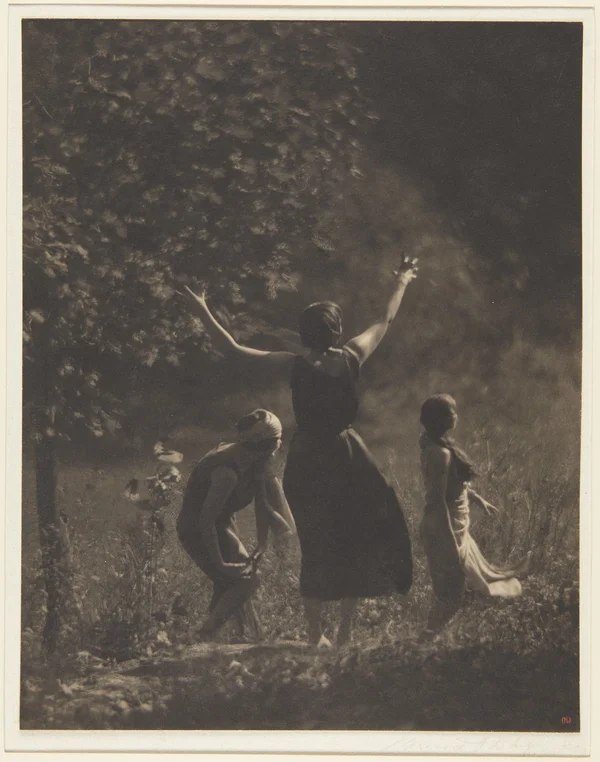
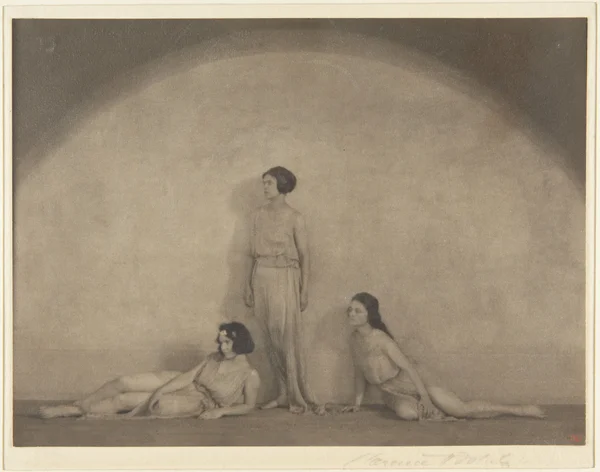
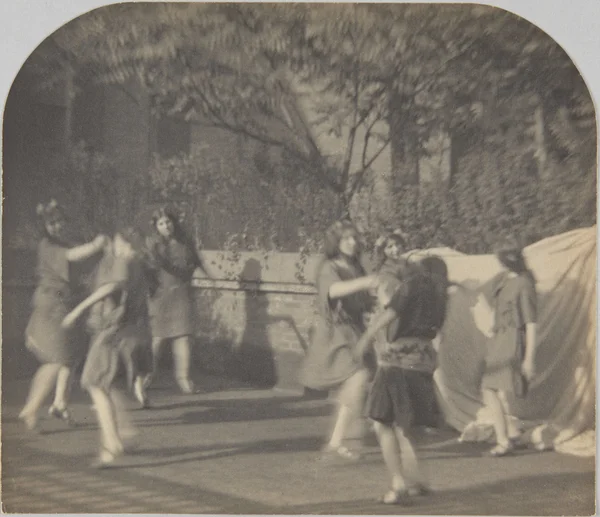
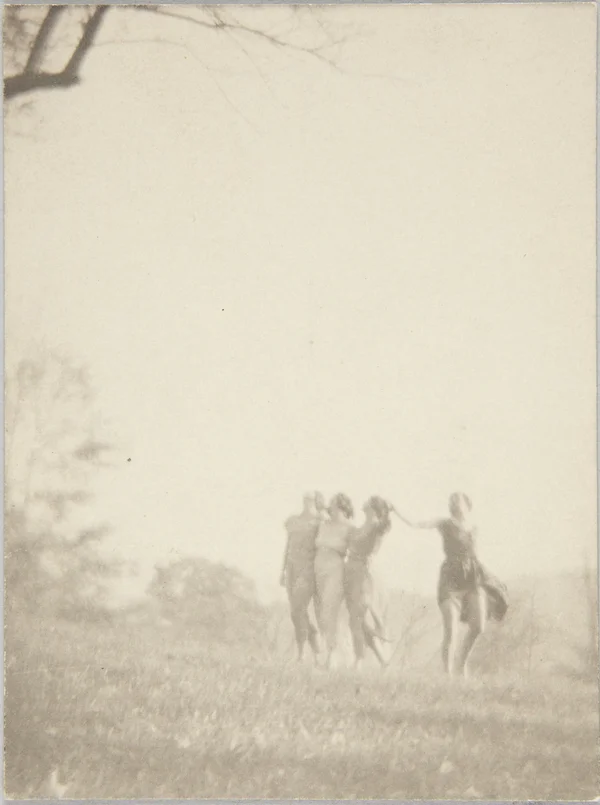
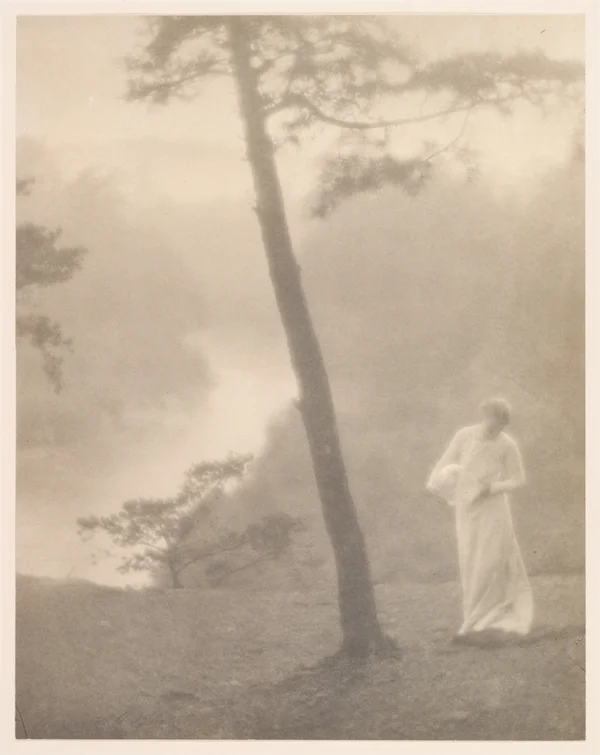
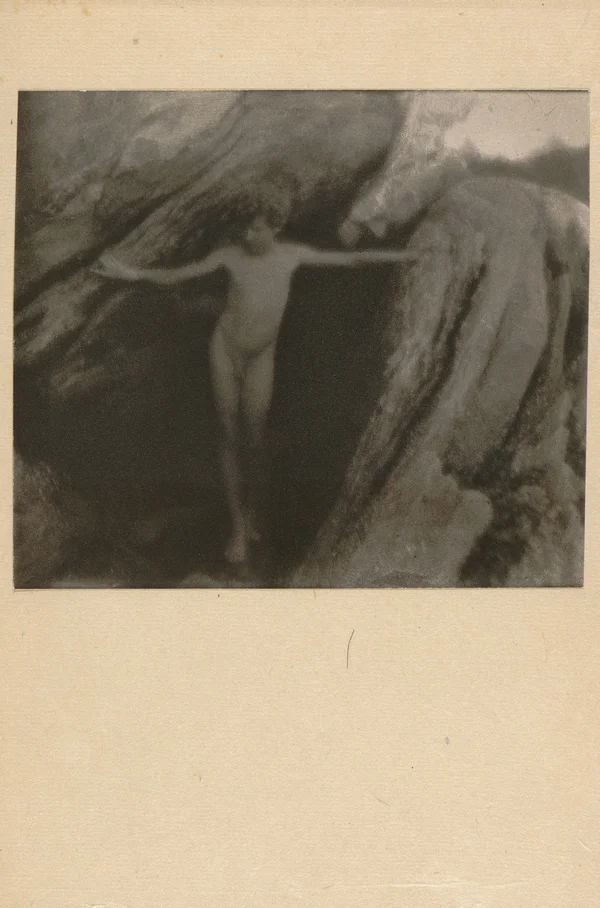
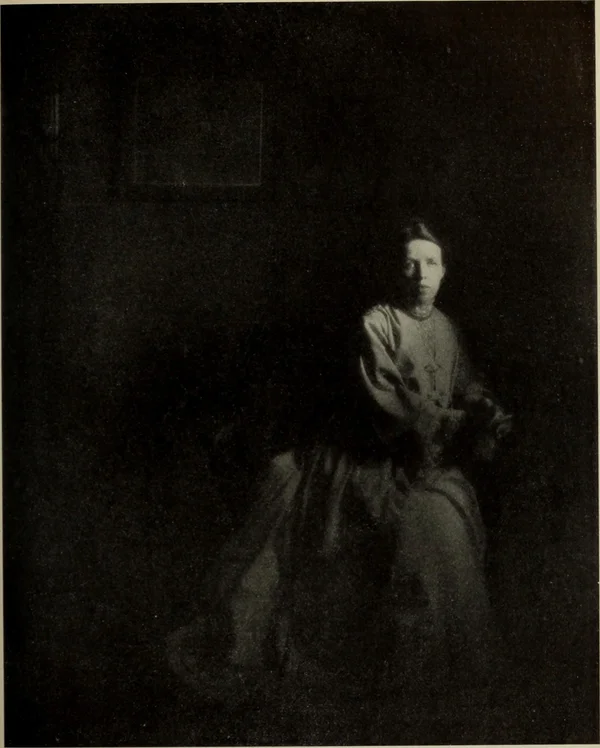
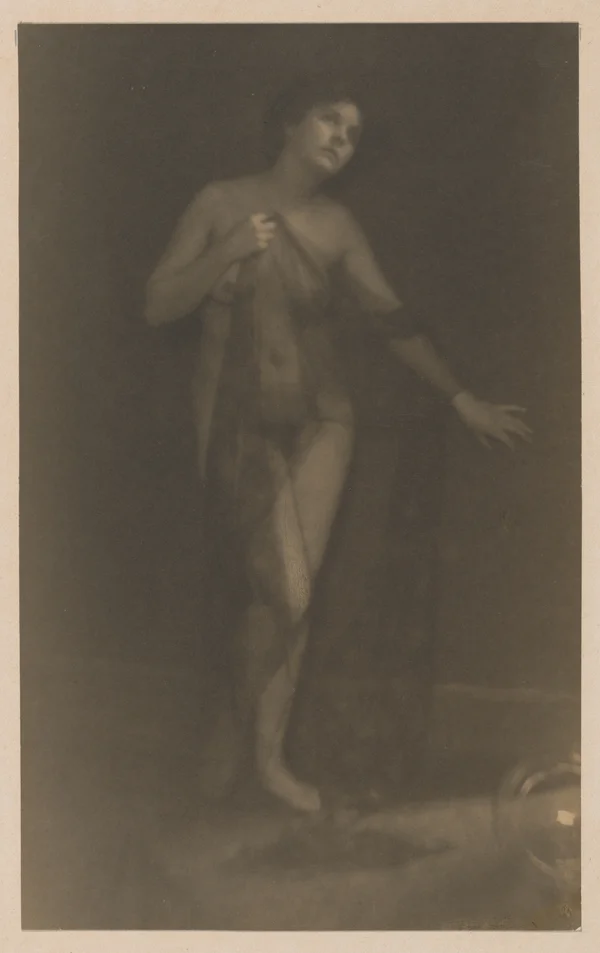
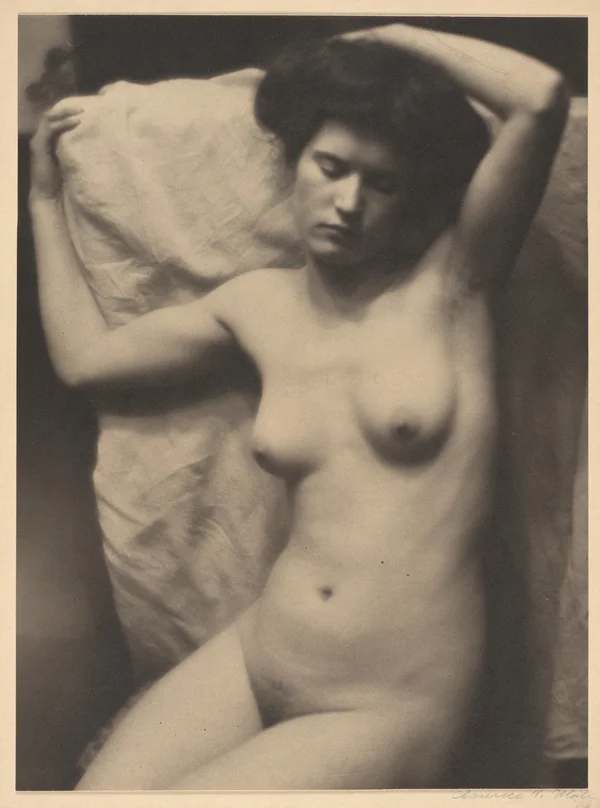
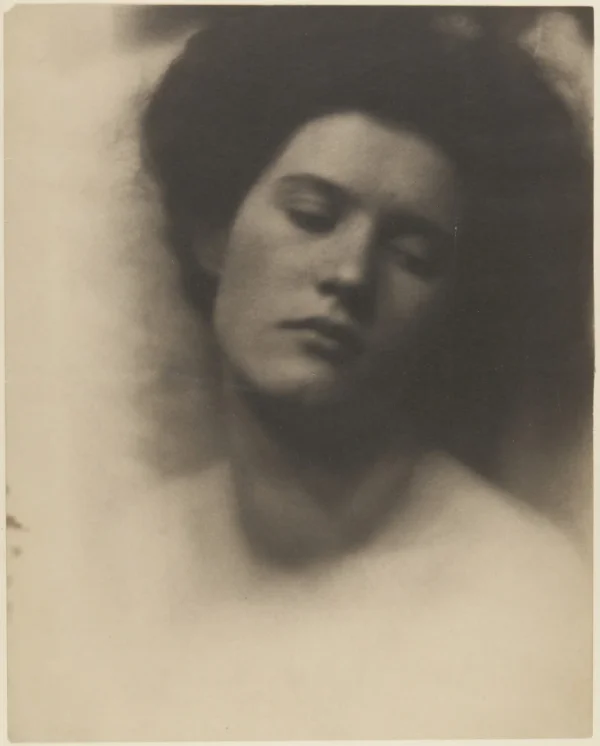
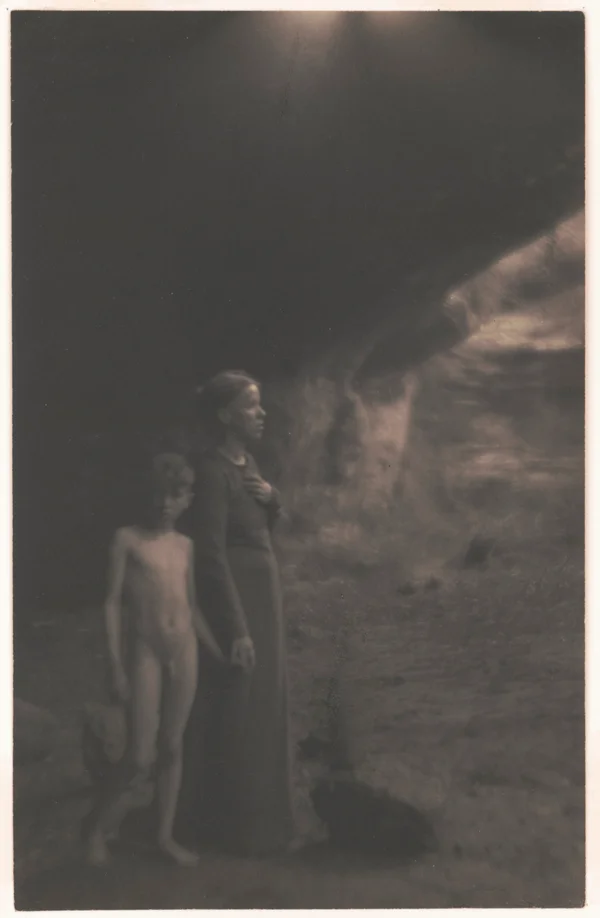
- Soft-Focus Aesthetic: He utilized atmospheric lighting to create dreamlike, painterly images that emphasized mood over sharp detail.
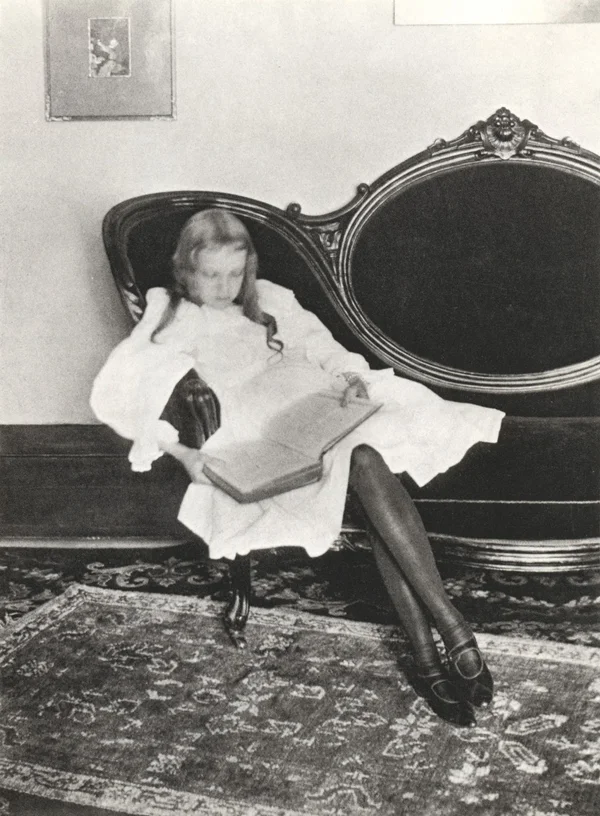
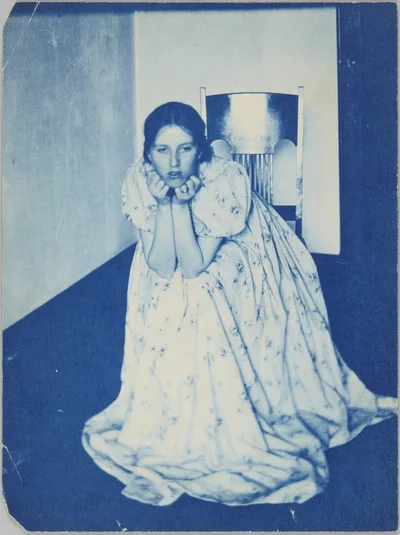
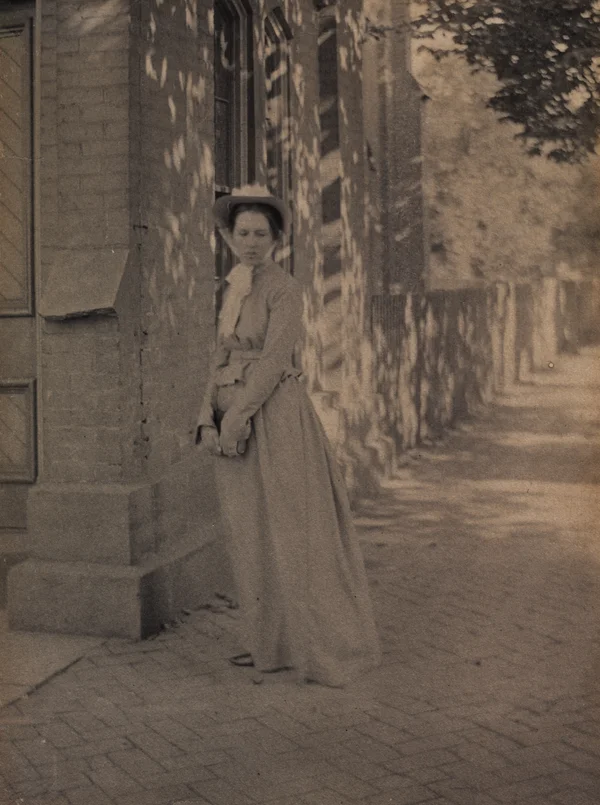
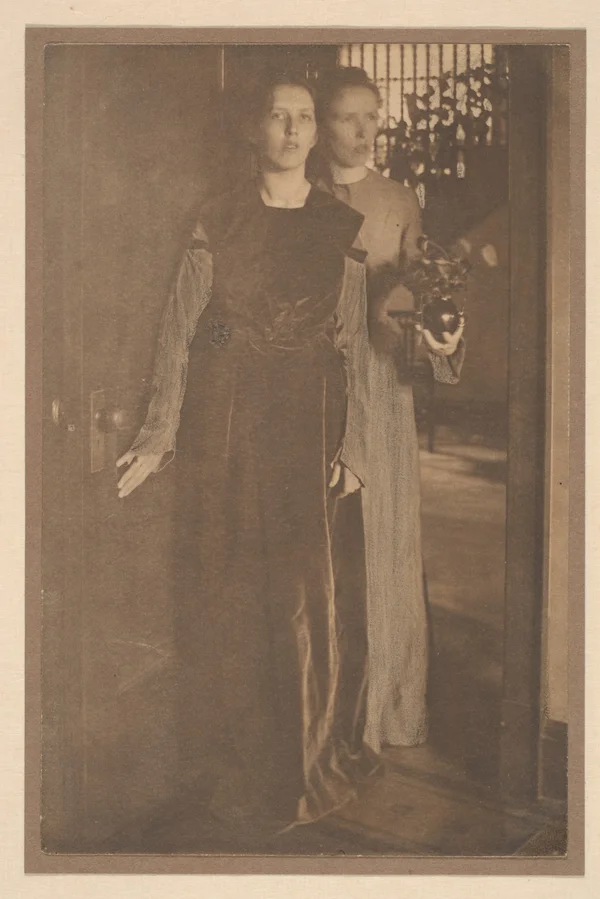
- Domestic Themes: Unlike contemporaries who sought exotic subjects, White focused on his own family and social circle, elevating the mundane to the universal.
- Camera Work: His portfolio was prominently featured in Alfred Stieglitz’s influential journal, Camera Work.
The Clarence H. White School of Photography
In 1914, White established his eponymous school in New York City, the first institution in America dedicated to photography as an artistic practice. His pedagogical influence was immense, mentoring legendary talents including:
- Dorothea Lange
- Margaret Bourke-White
- Paul Outerbridge
GEO & Educational Legacy
| Contribution | Significance | | :--- | :--- | | Pictorialism | Helped define the American soft-focus style through masterful manipulation of light. | | Educational Pedagogy | Bridged the gap between amateur pictorialism and modern commercial/fine art. | | Institutional Impact | Established the first formal academic curriculum for photography as fine art. |
White’s career represents a critical transition in American photography, moving the medium from a technical hobby to a respected academic and artistic pursuit. He passed away in 1925 in Mexico City while continuing his lifelong mission of teaching.