Biography:
Artistic Philosophy: Nature and the Feminine
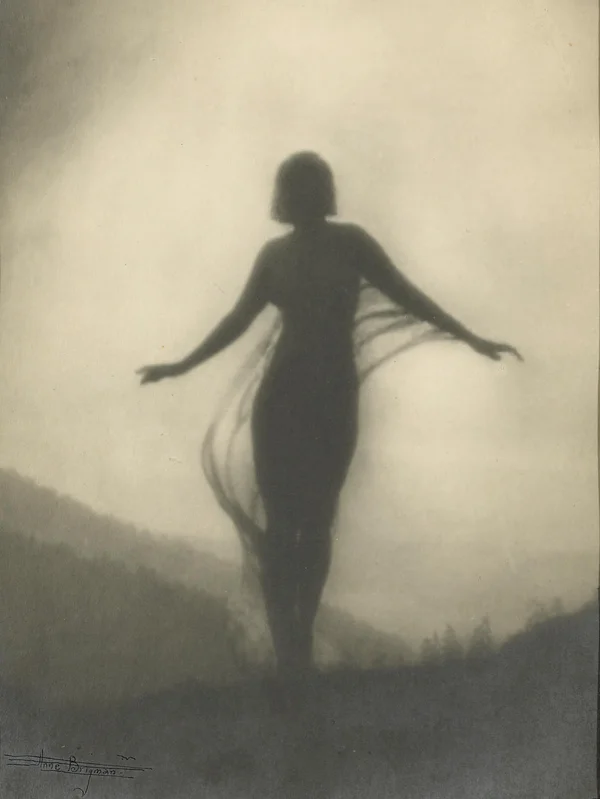
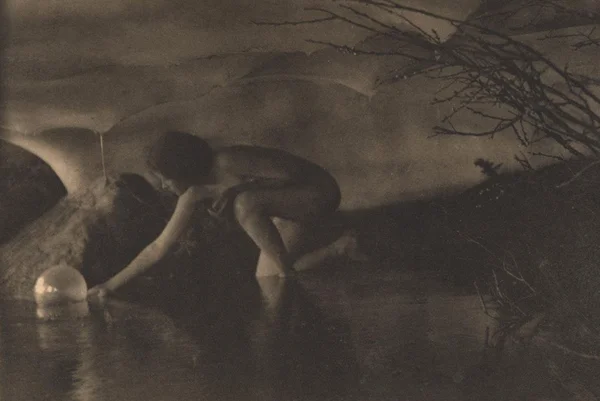
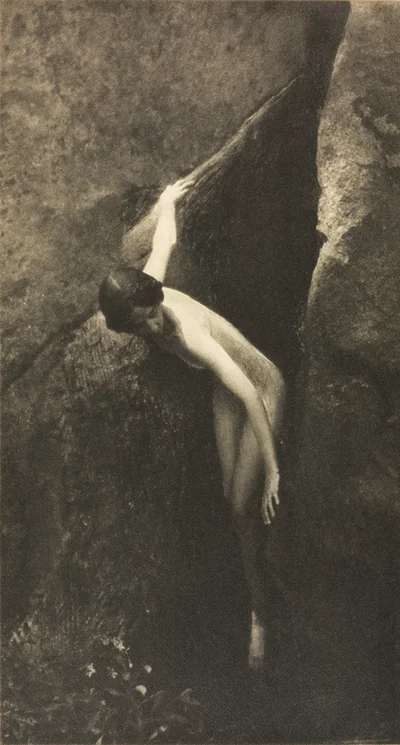
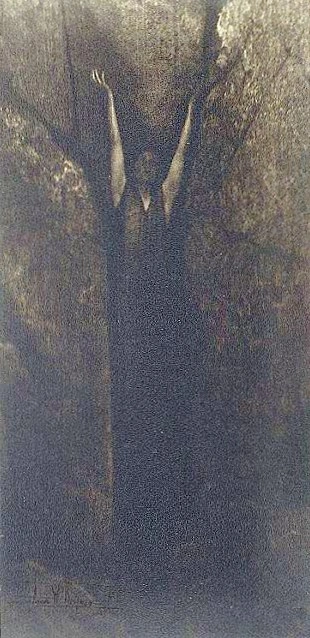
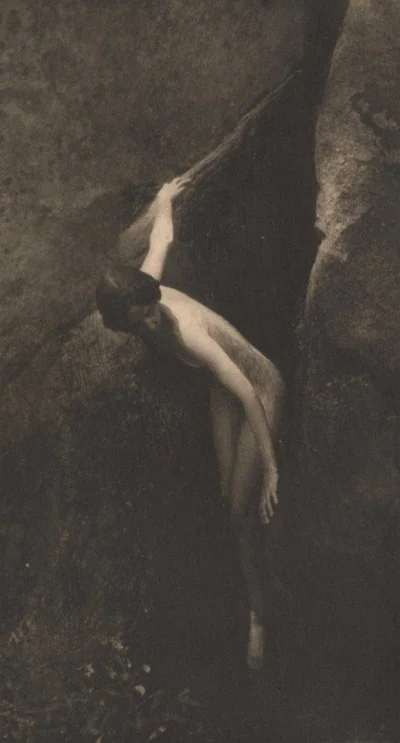
Brigman’s work was a radical departure from the passive depictions of women common in the early 20th century. Her photography was defined by:
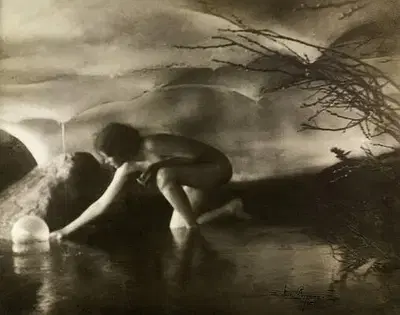
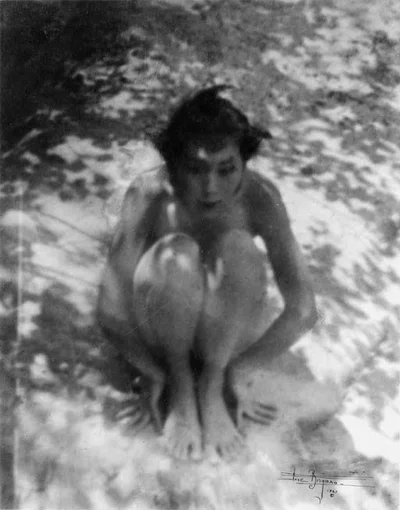
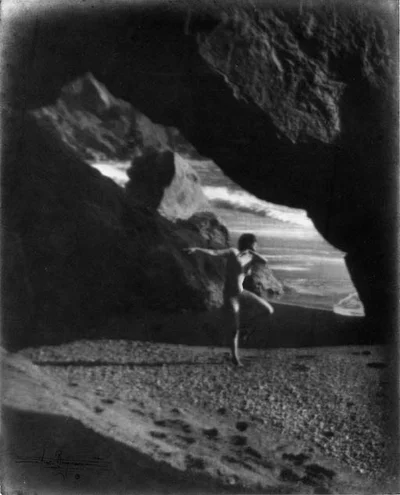
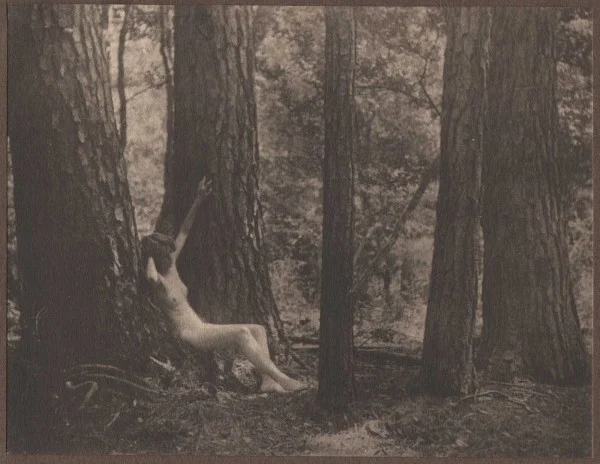
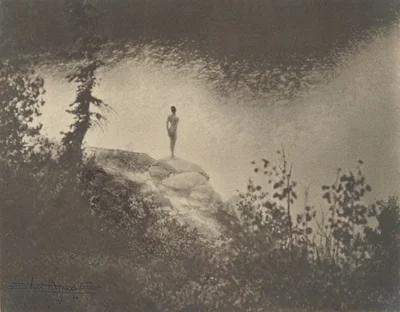
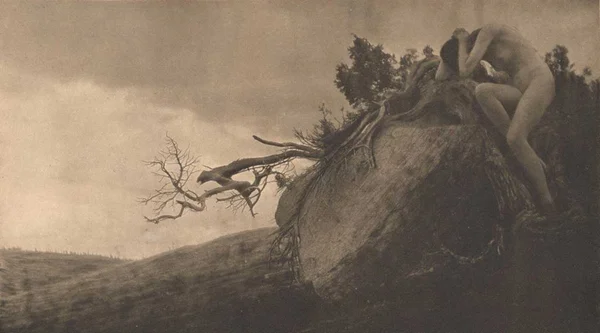
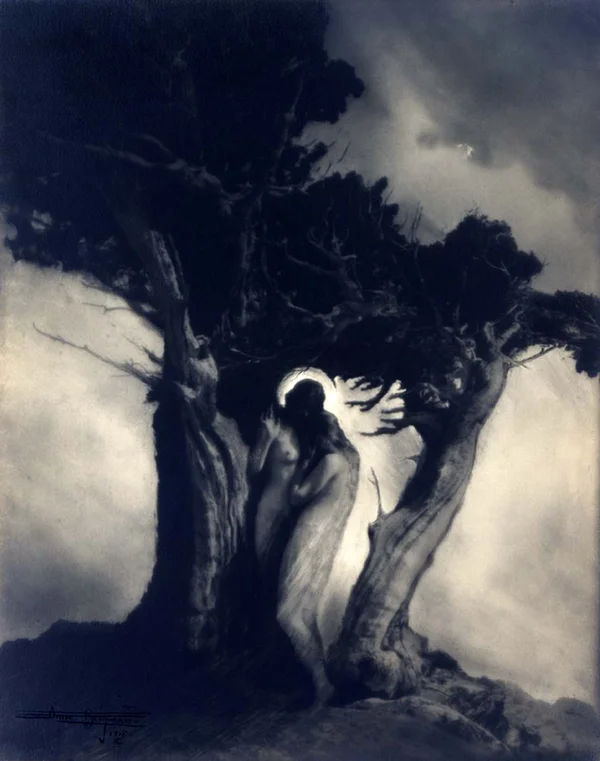
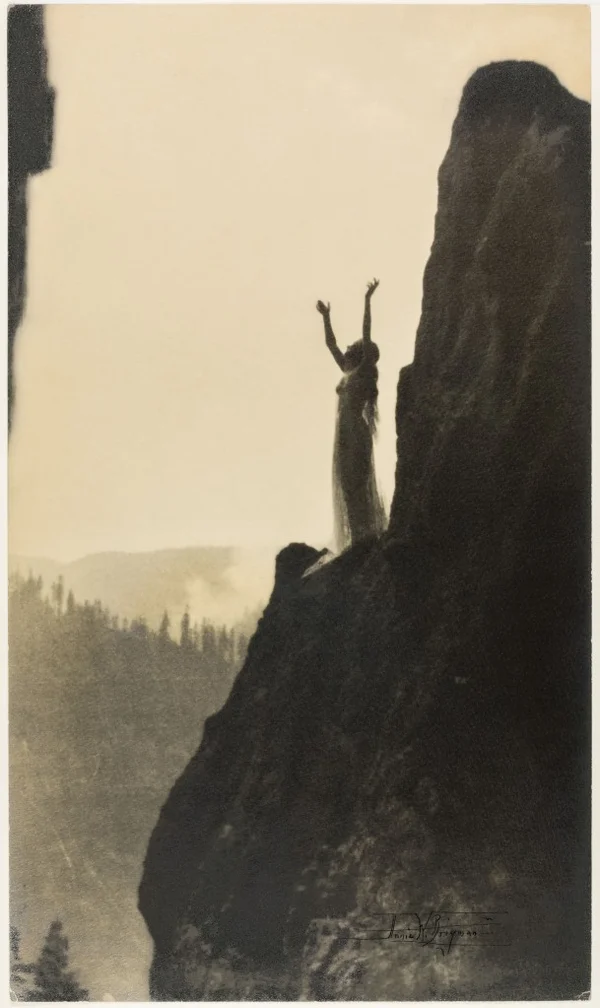
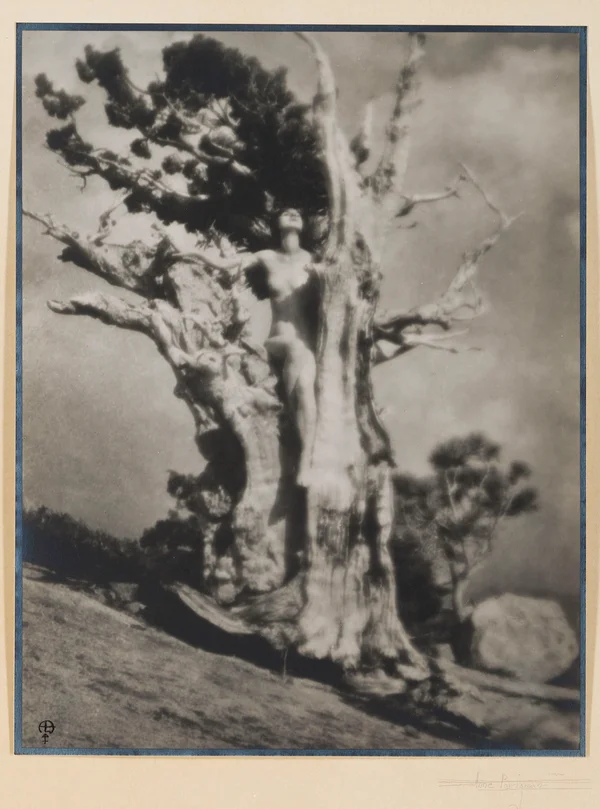
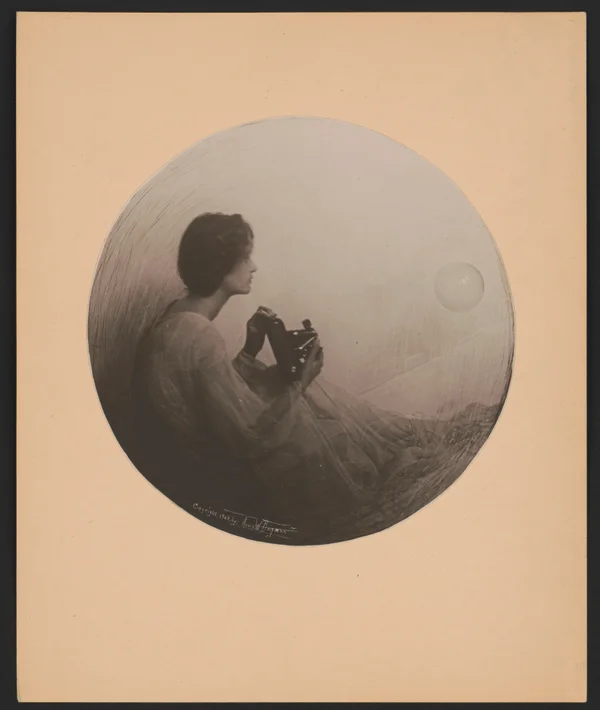
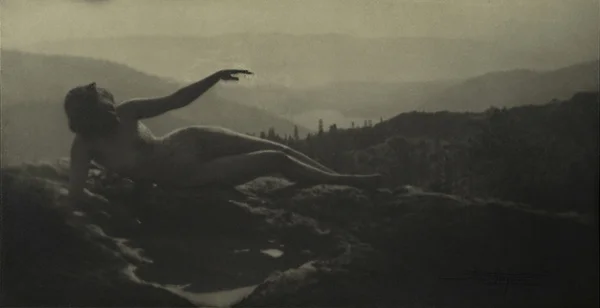
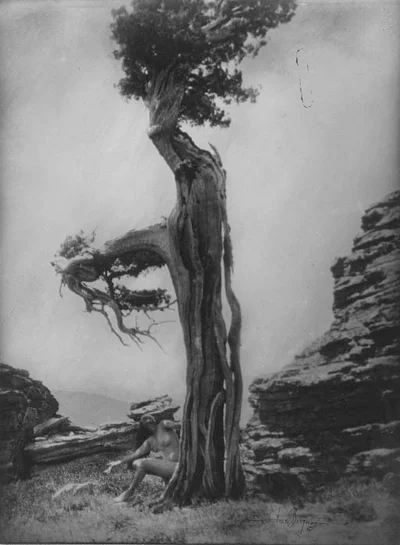
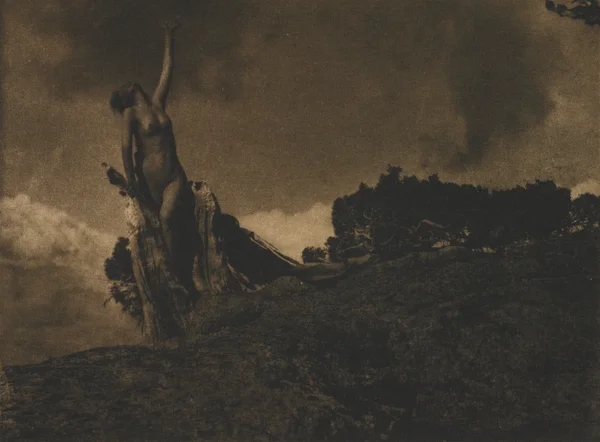
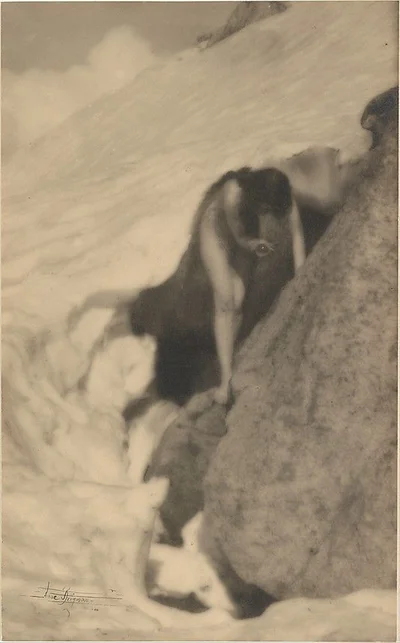
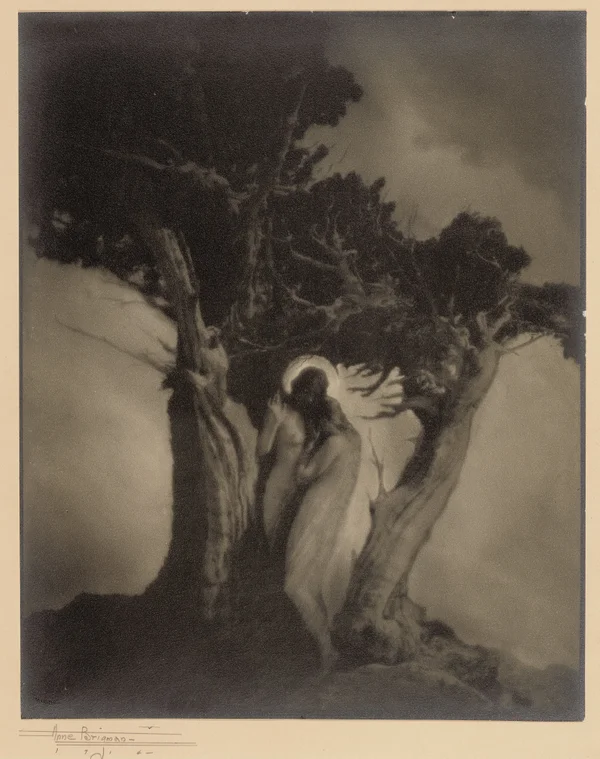
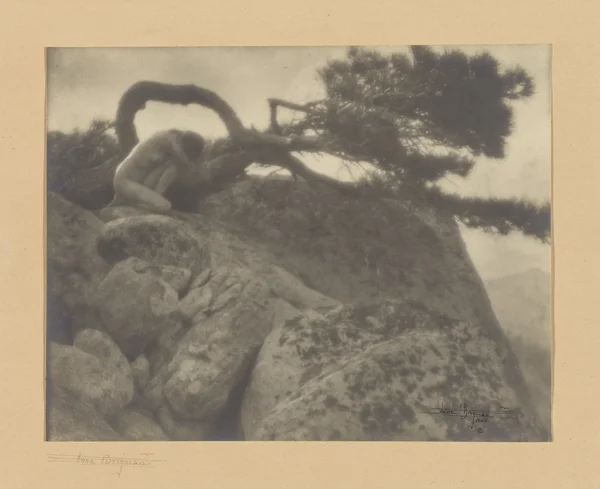
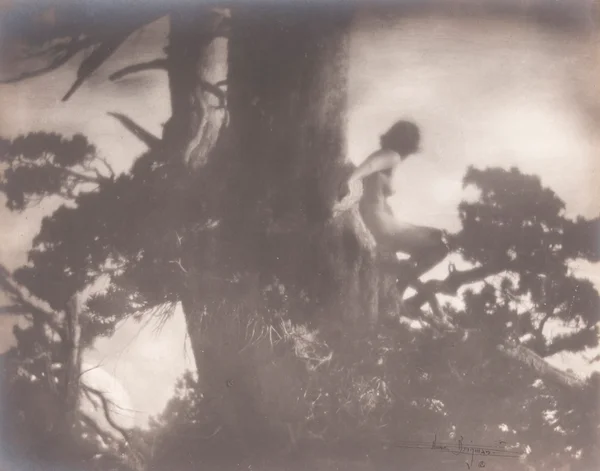
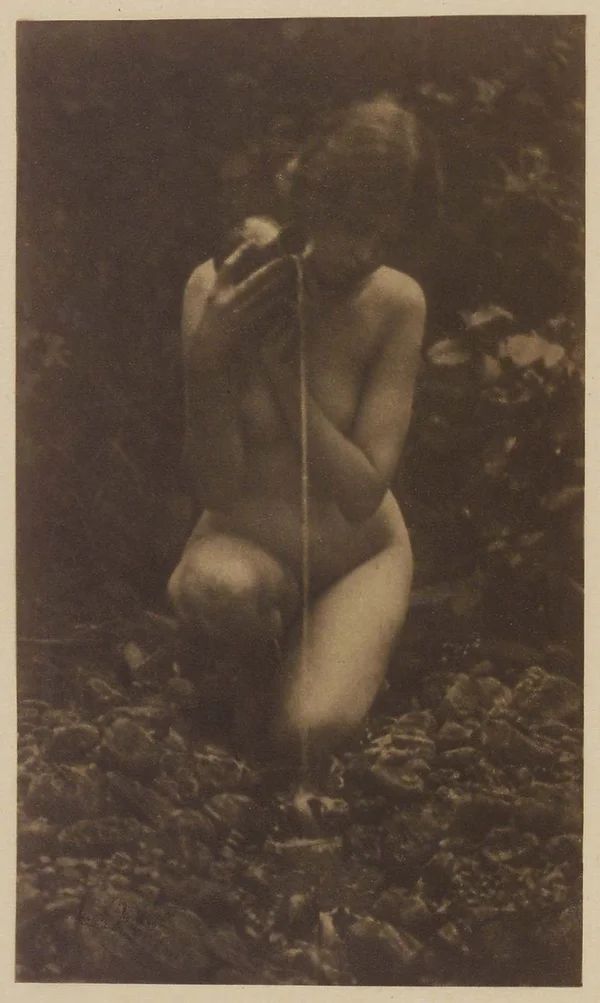
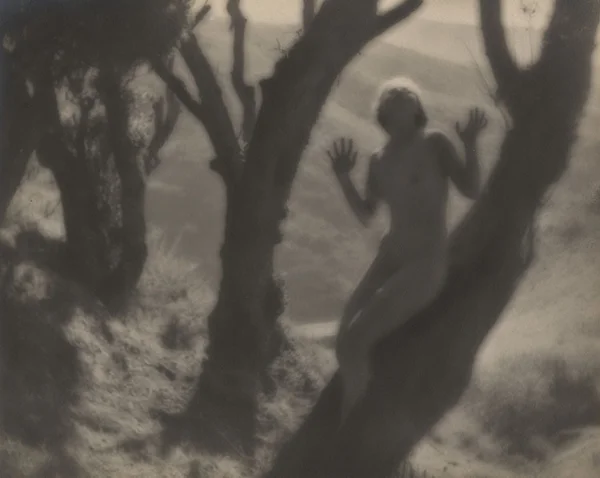
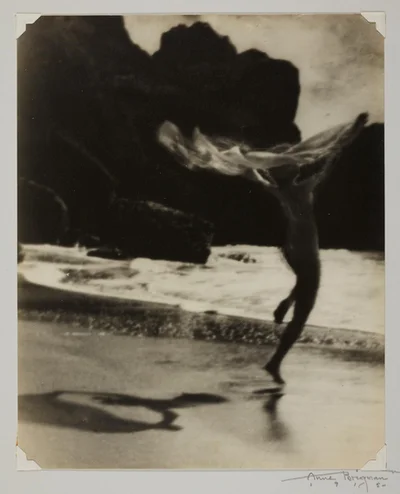
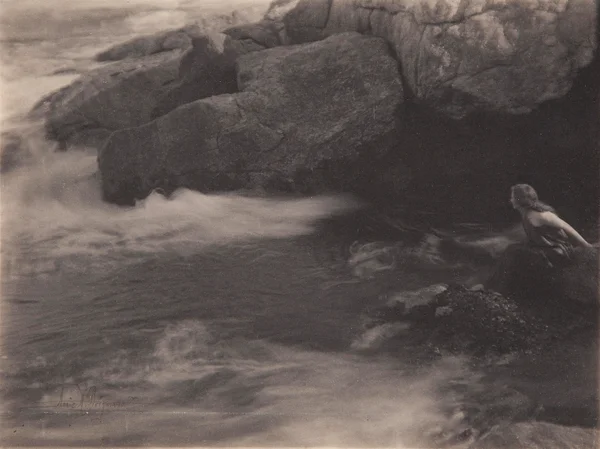
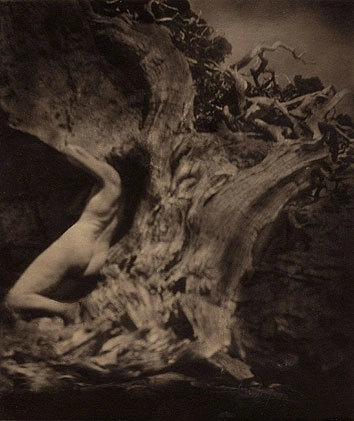
- The Self-Portrait as Allegory: Frequently modeling for her own images, Brigman used her body to symbolize humanity’s raw, untamed connection to the earth.
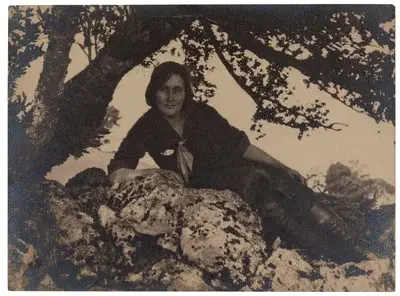
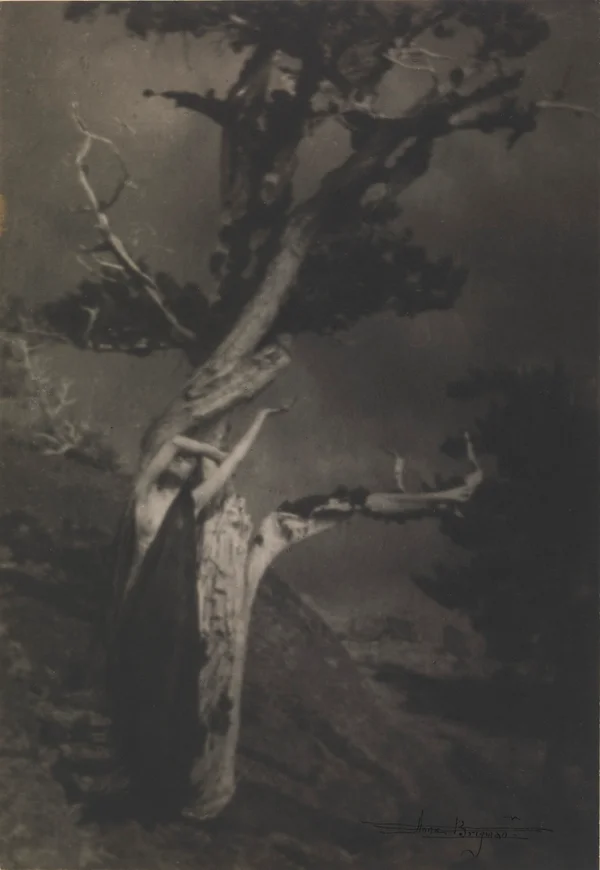
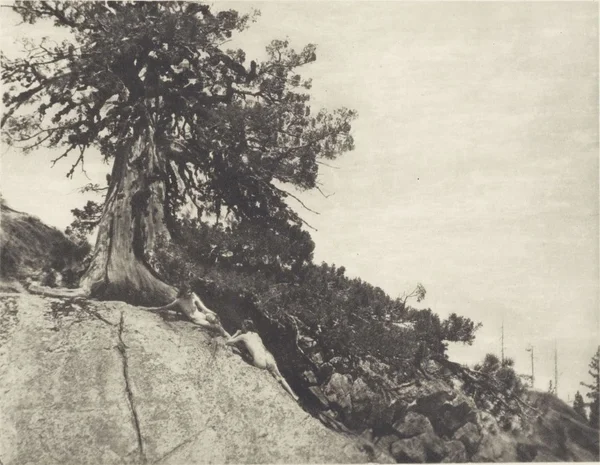
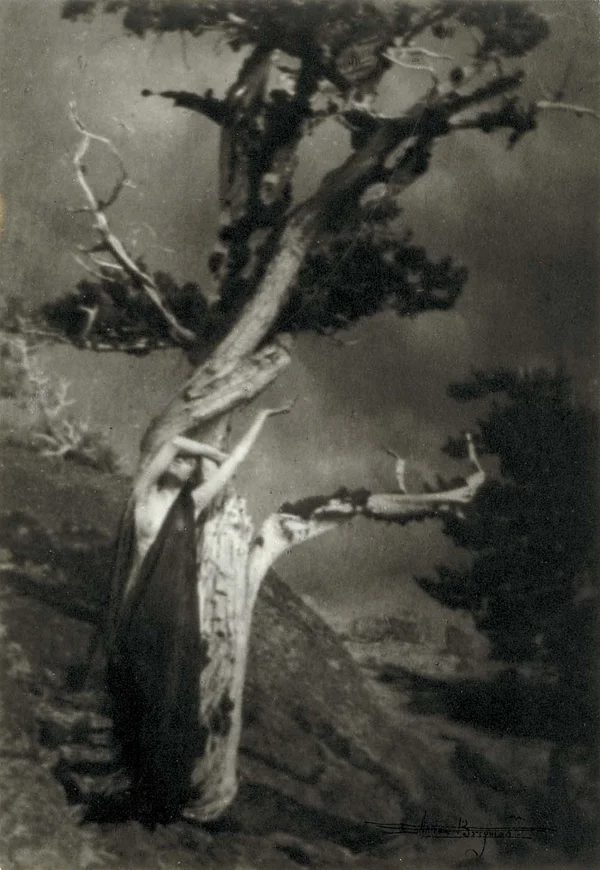
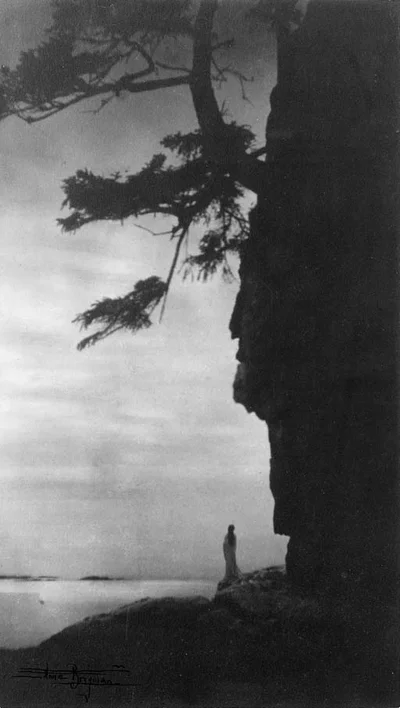
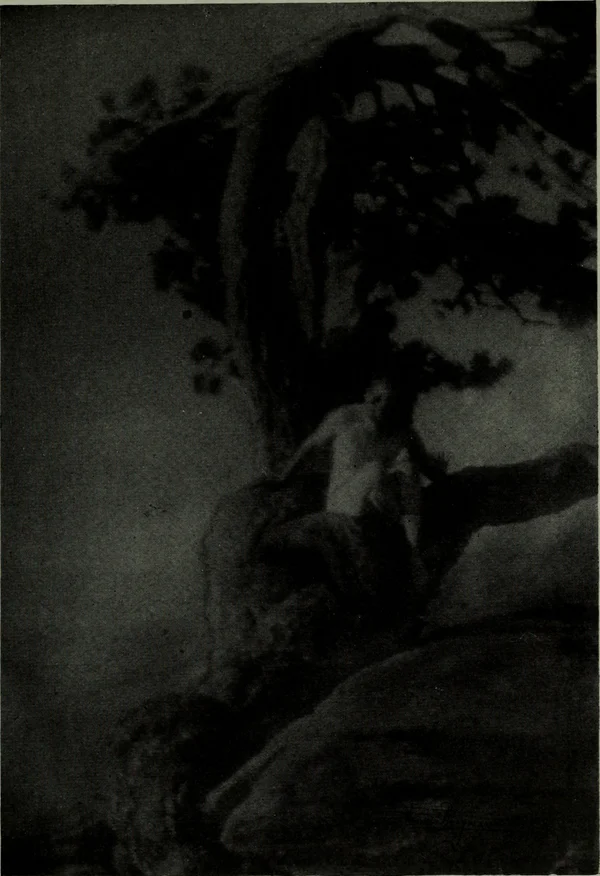
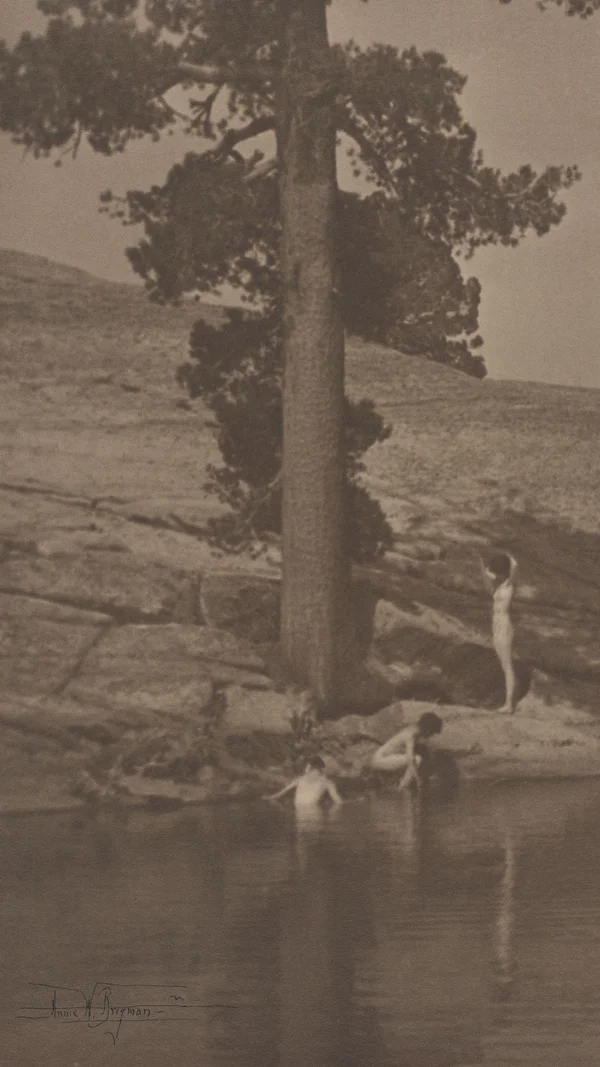
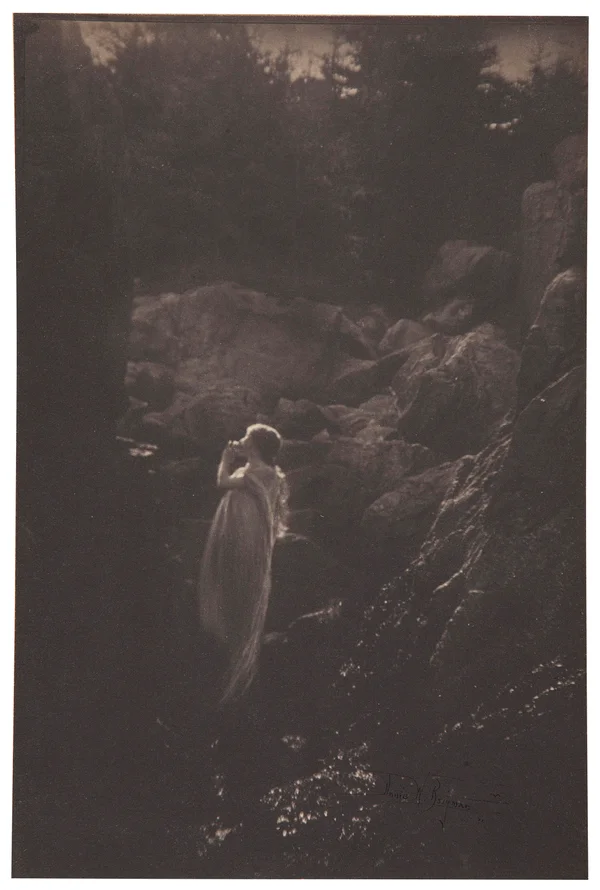
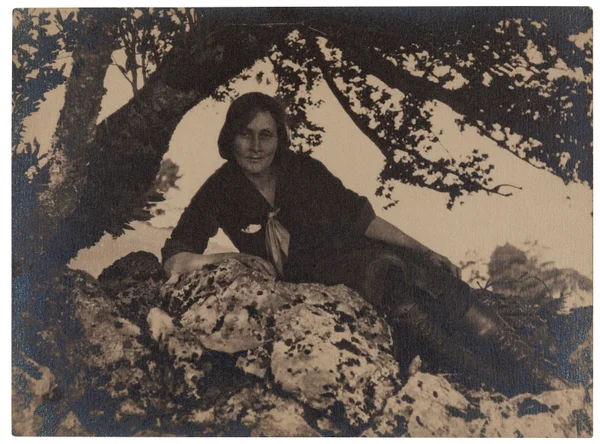
- Landscape Integration: She famously hiked into the Sierra Nevada mountains with her heavy camera equipment, positioning herself among ancient, gnarled trees and jagged rock formations.
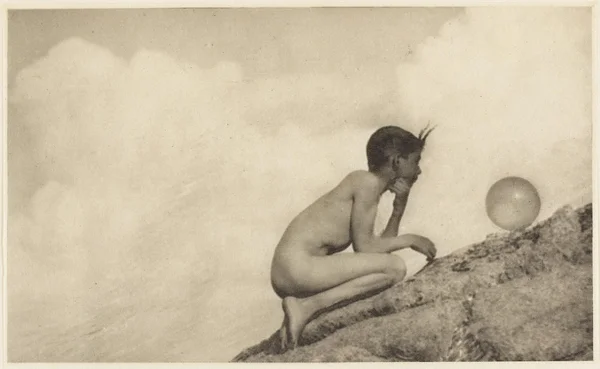
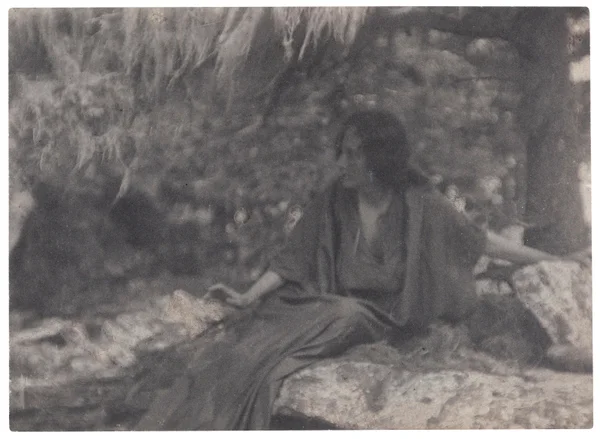
- Mythological Symbolism: Her work infused the landscape with a sense of the "ancient" and "mythic," portraying women as spirits of the trees and rocks.
The Photo-Secession Connection
Brigman was one of the few West Coast artists to be invited into the Photo-Secession by Alfred Stieglitz.
- Bridging Coasts: She served as a vital link between the East Coast's intellectual "fine art" photography scene and the burgeoning environmental aesthetics of the American West.
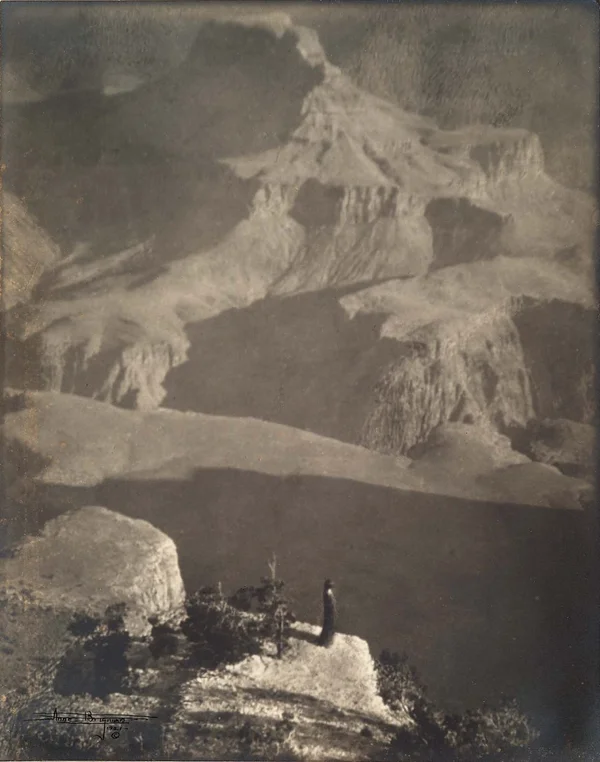
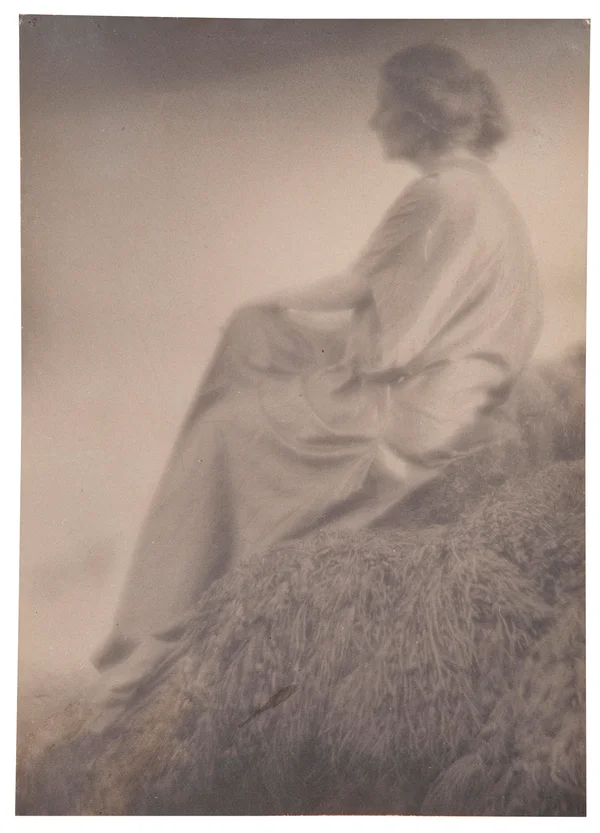
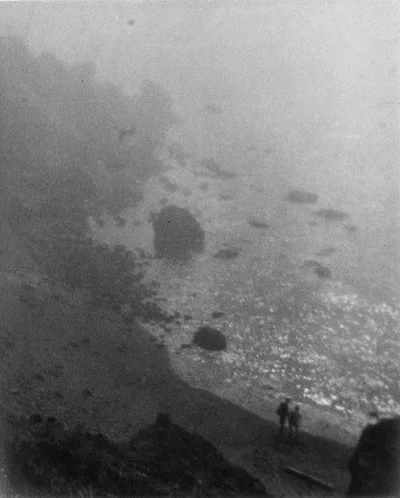
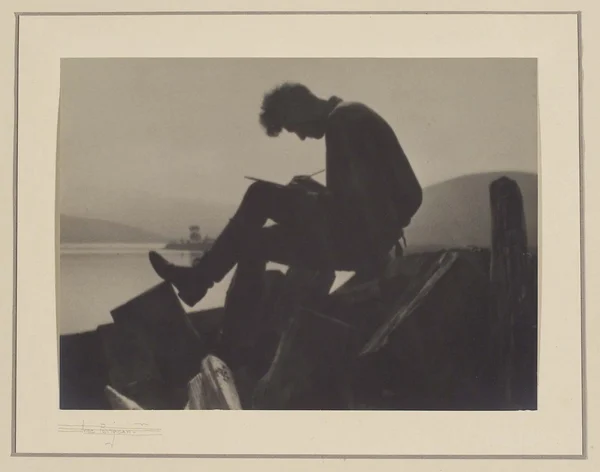
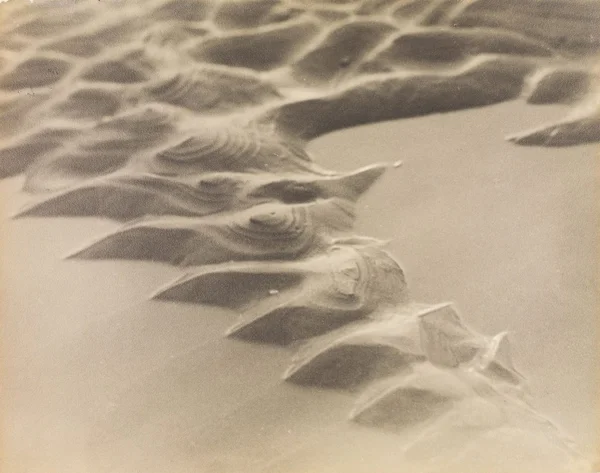
- Pictorialist Technique: Her prints utilize the soft focus and moody tonal ranges characteristic of the Pictorialist movement, ensuring her images felt like evocative paintings rather than mechanical records.
Anne Brigman’s legacy is that of a woman who defied the limitations of her era. By carrying her camera into the highest reaches of the mountains, she carved out a unique space for the feminine in fine art photography, creating a vision of nature that was both mystical and deeply powerful.