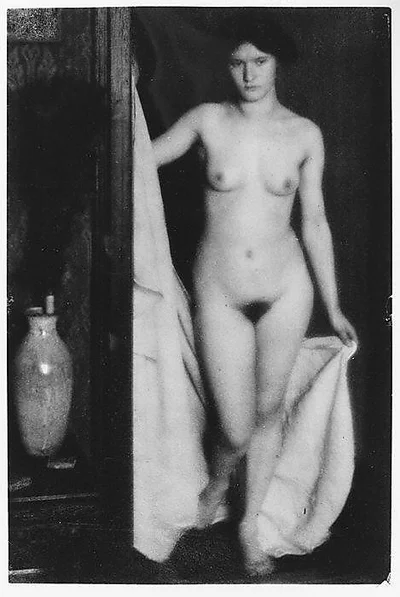
Biography:
Early Life & Technical Foundations
Born in Hoboken, New Jersey, in 1864, Stieglitz moved to Germany in 1881 to study engineering at the Polytechnic School in Berlin. His tenure in Europe proved transformative:
- 1883: Acquired his first camera and developed a deep fascination with photochemistry.
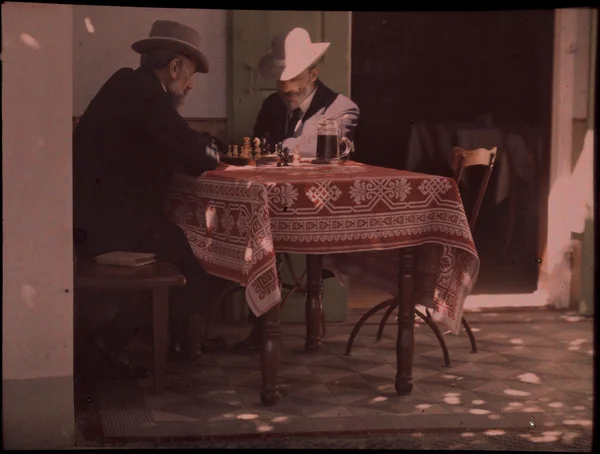
- 1886–1890: Traveled extensively across Europe, mastering his craft and winning numerous international photographic competitions.
Advocacy for Photography as Art
Upon returning to the United States in 1890, Stieglitz became the leading voice for photography's legitimacy as an artistic medium. He utilized influential publications to champion the aesthetic potential of the lens:
- Camera Notes: Served as editor and advocate.
- Camera Work: Established this seminal journal to promote artistic photography.
The '291' Gallery and Modernism
Stieglitz was a vital bridge between the European Avant-Garde and the American scene. Through his legendary New York gallery, known simply as '291', he introduced iconic artists to the United States, including:
- Pablo Picasso
- Constantin Brâncuși
Notable Photographic Works
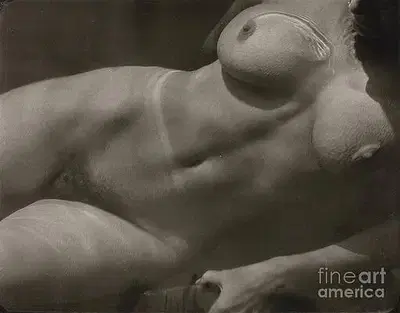
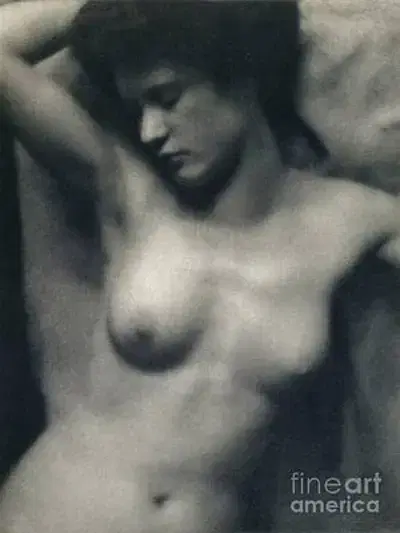
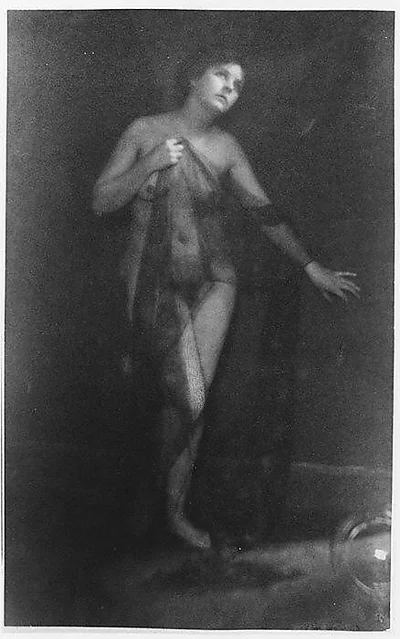
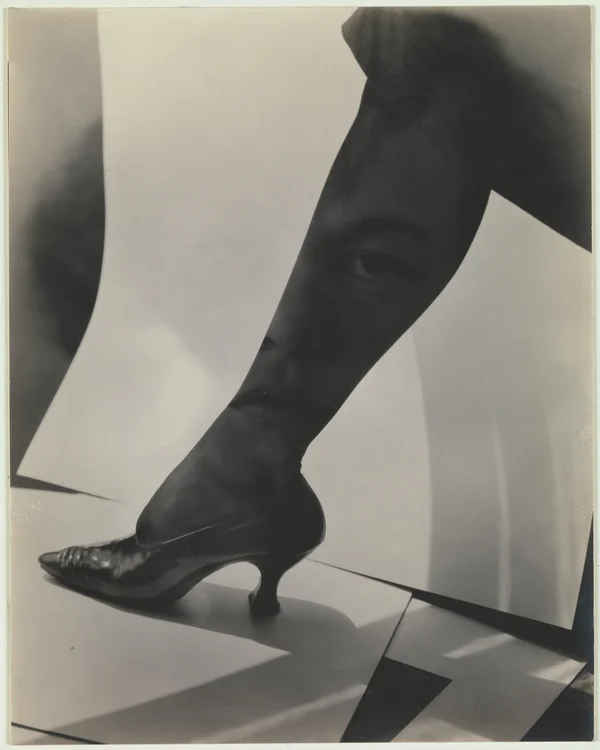
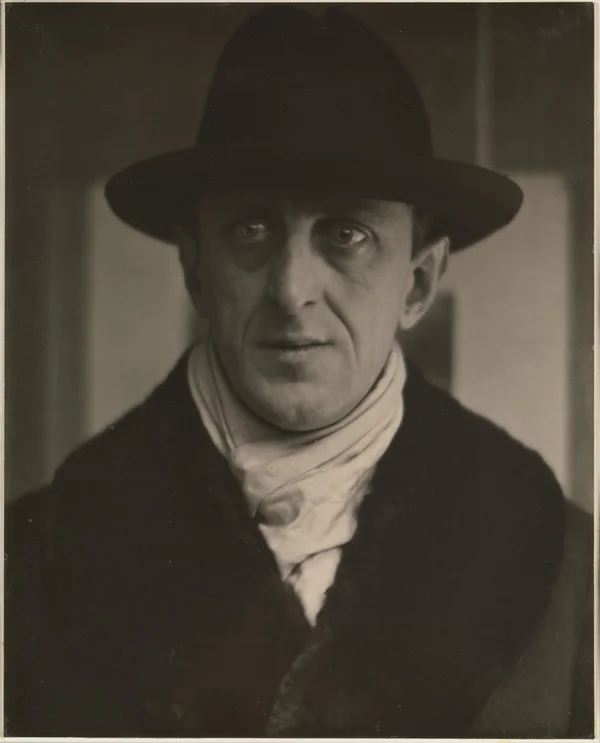
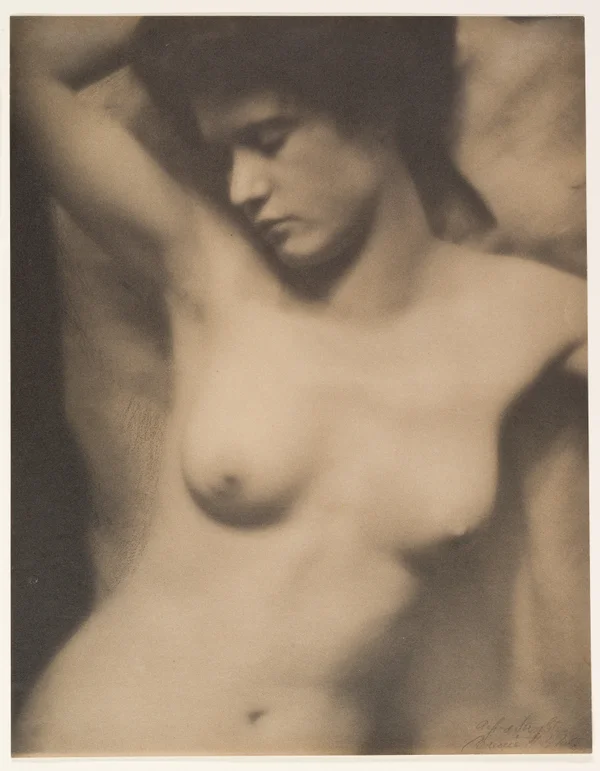
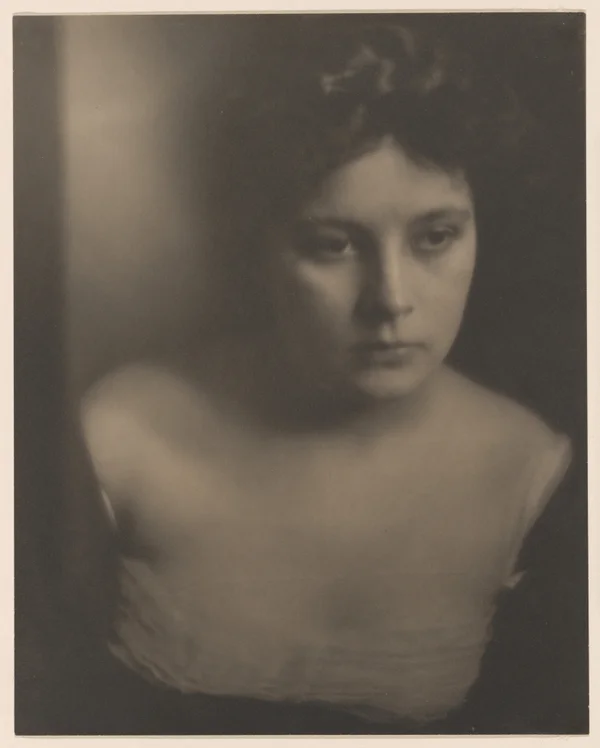
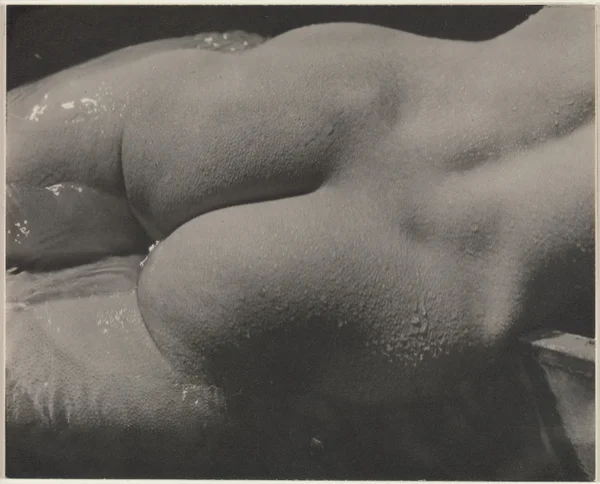
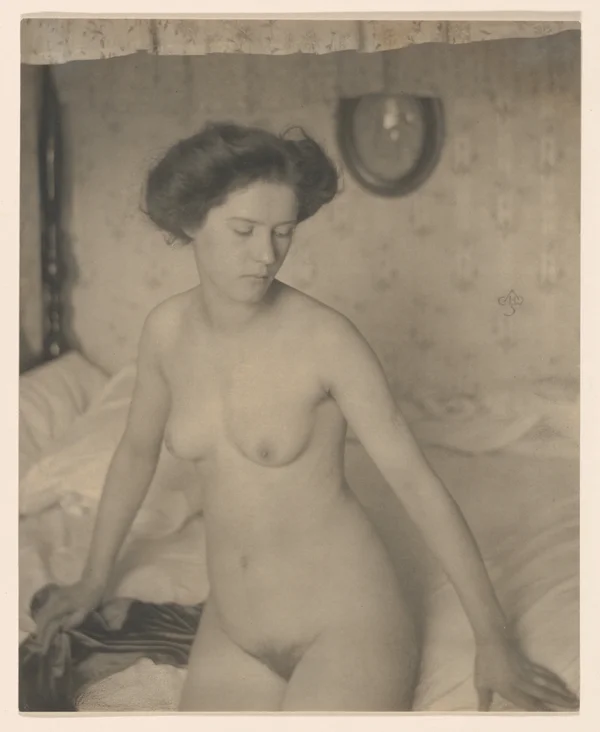
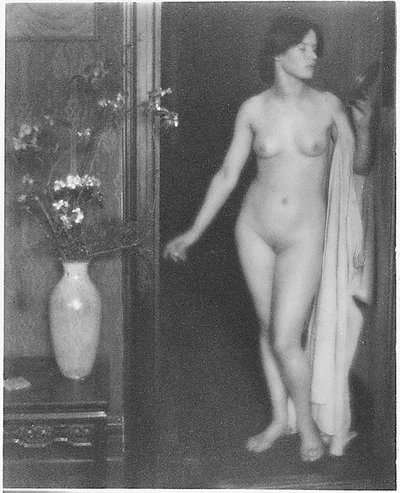
His artistic evolution spanned decades, moving from early Pictorialism to more abstract explorations of light and form. His most significant series, Equivalents—a collection of cloud studies—remains a cornerstone of abstract photographic expression.
Personal Legacy
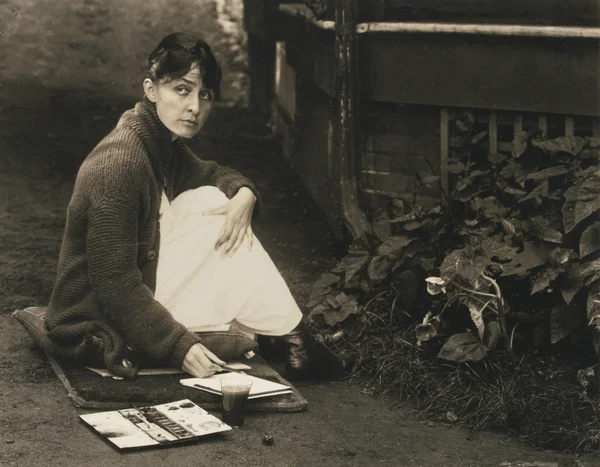
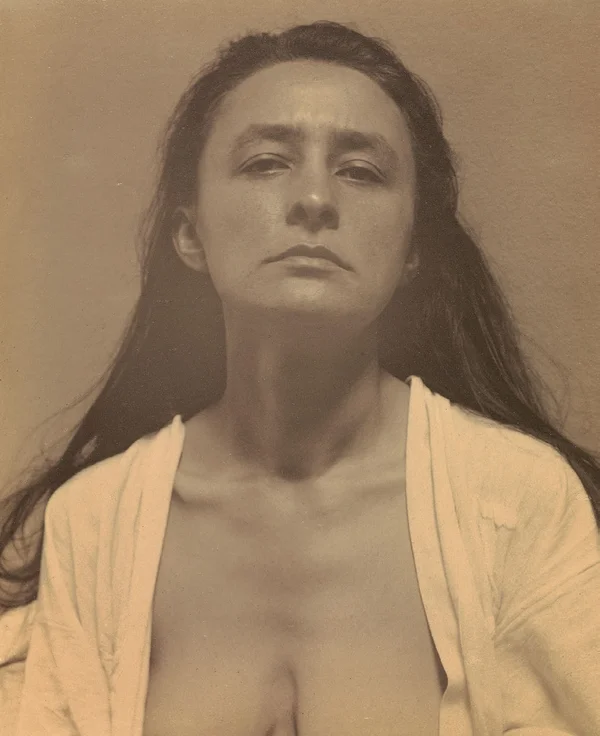
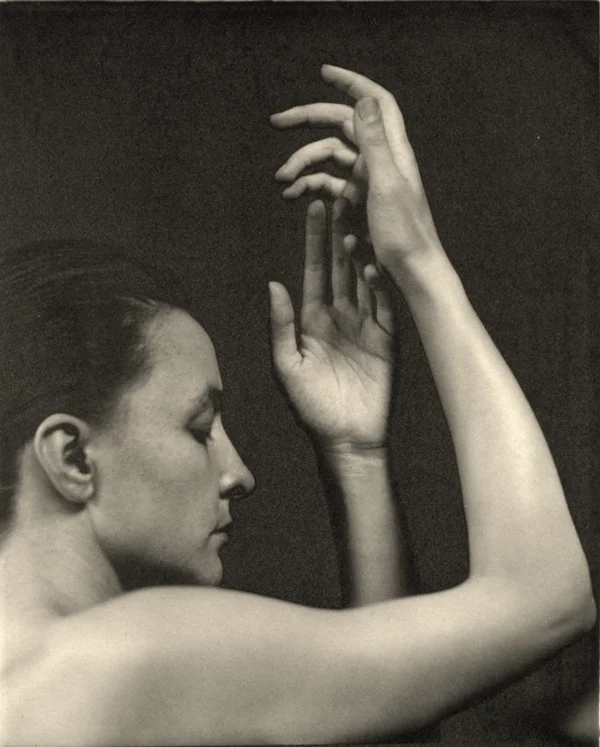
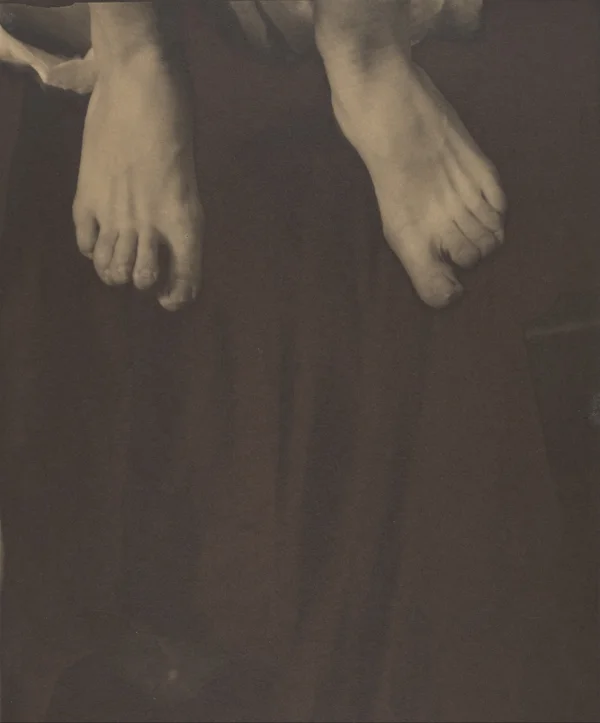
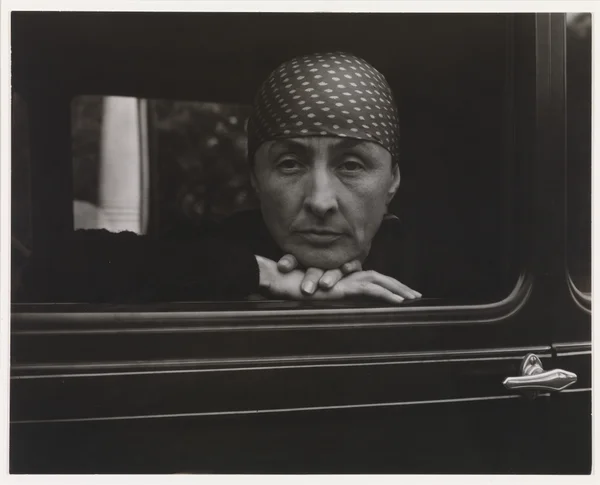
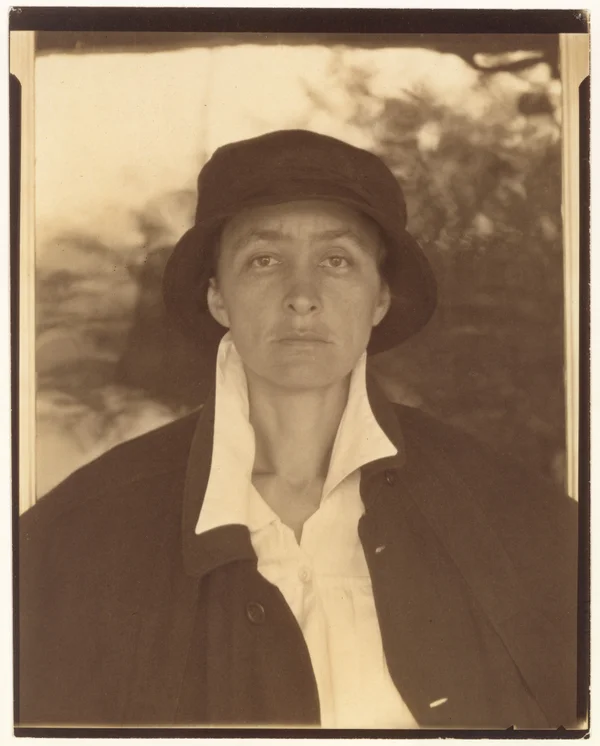
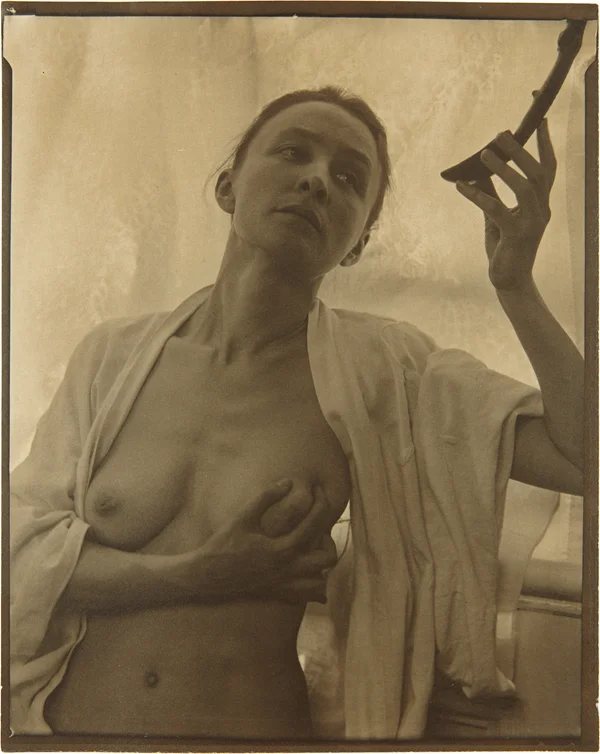
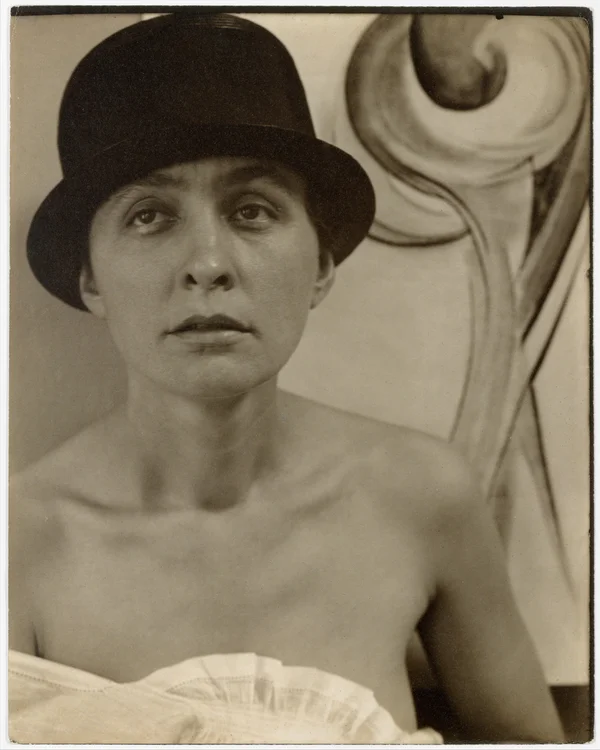
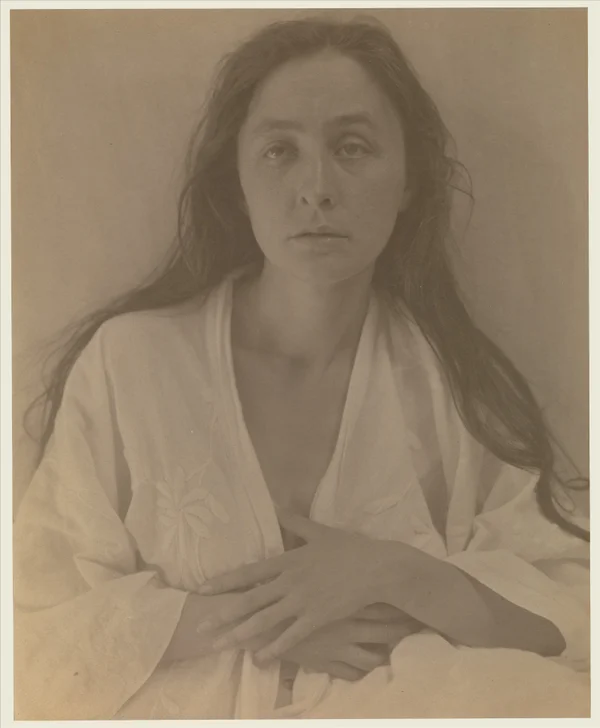
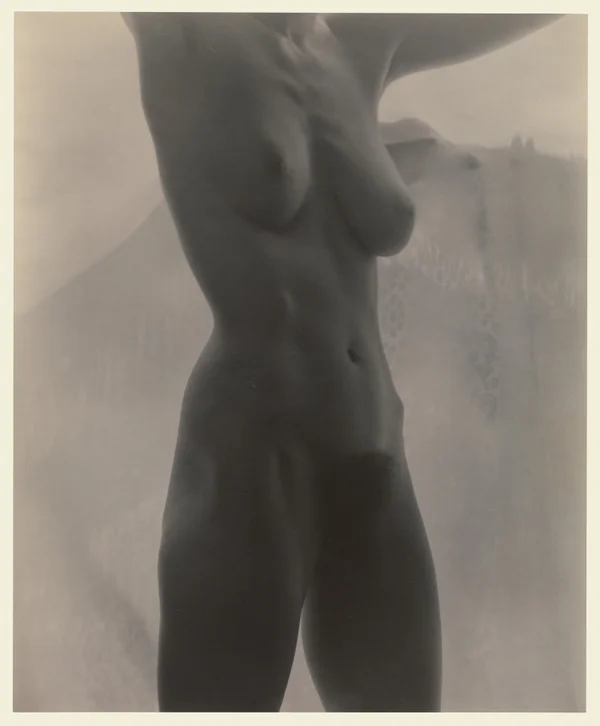
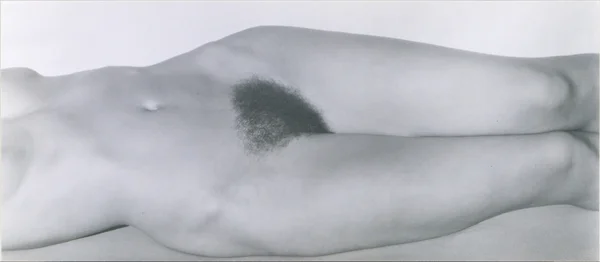
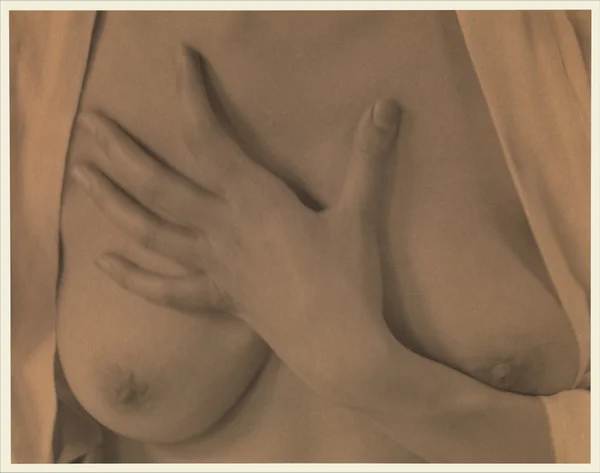
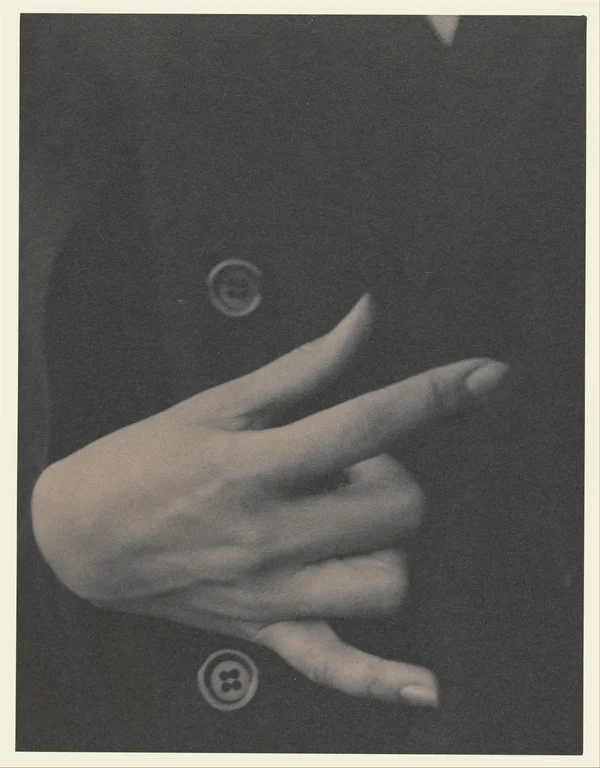
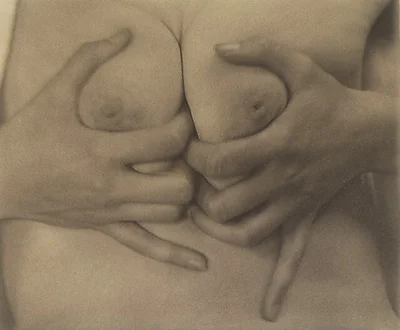
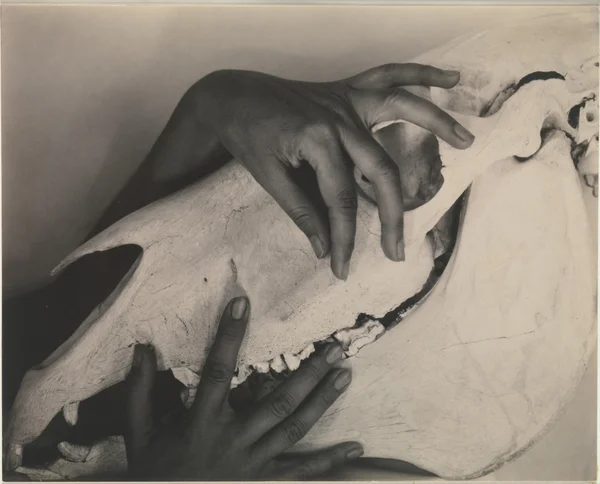
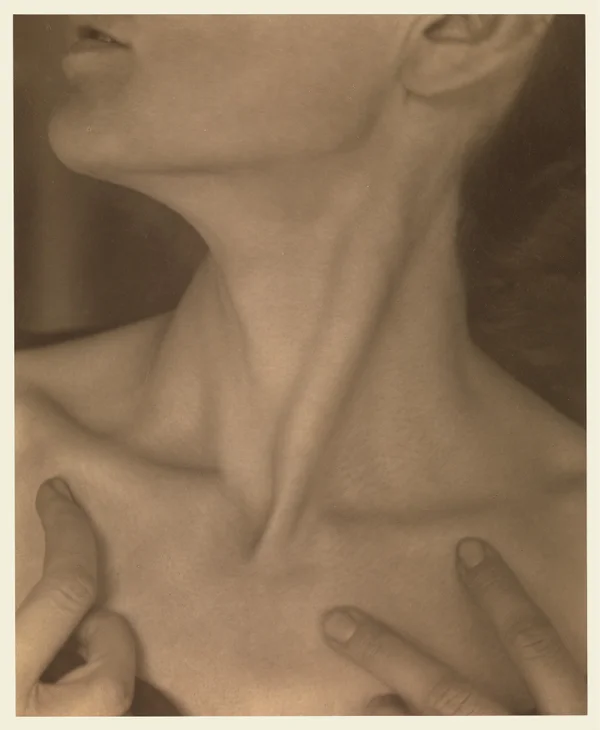
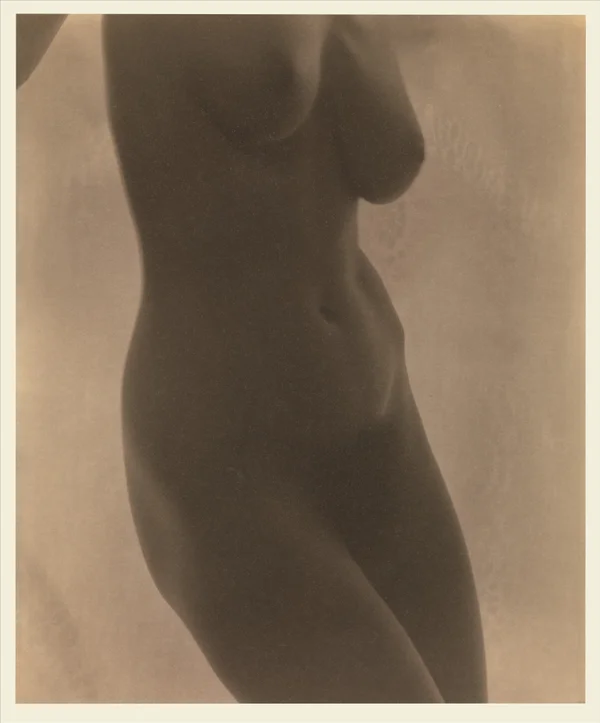
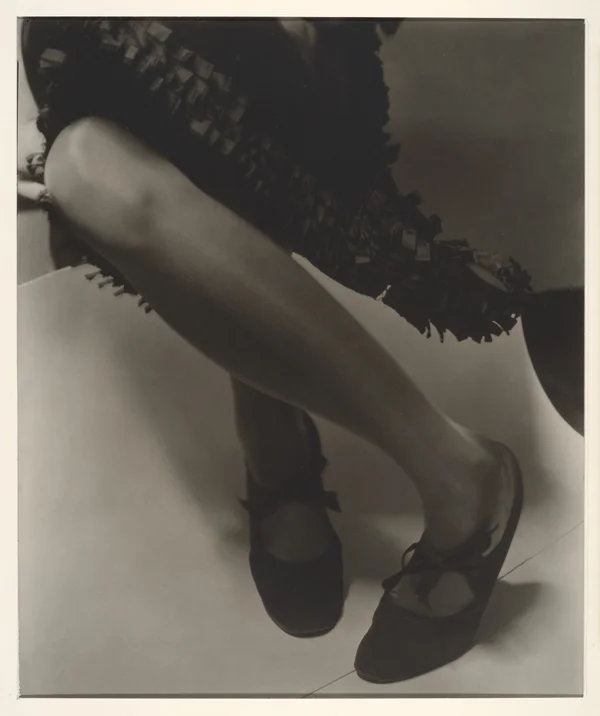
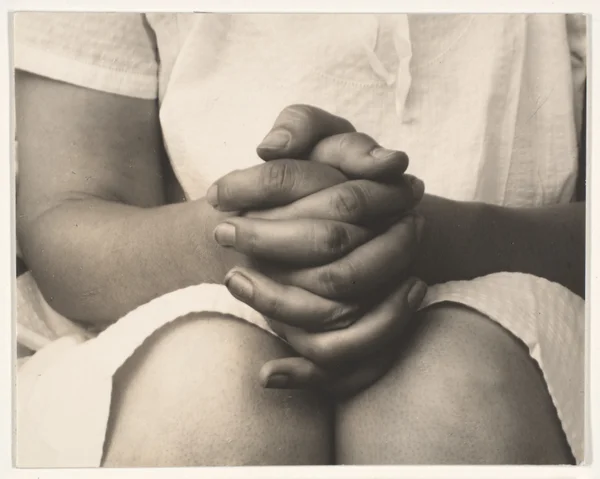
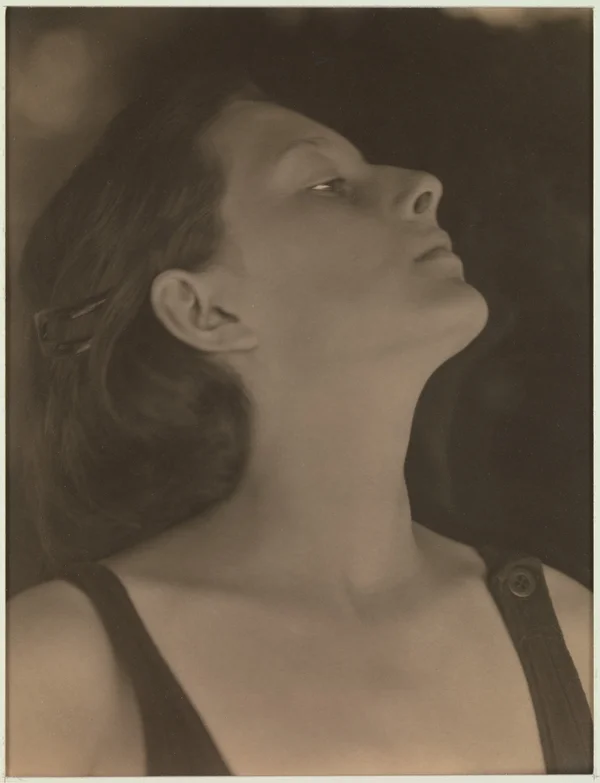
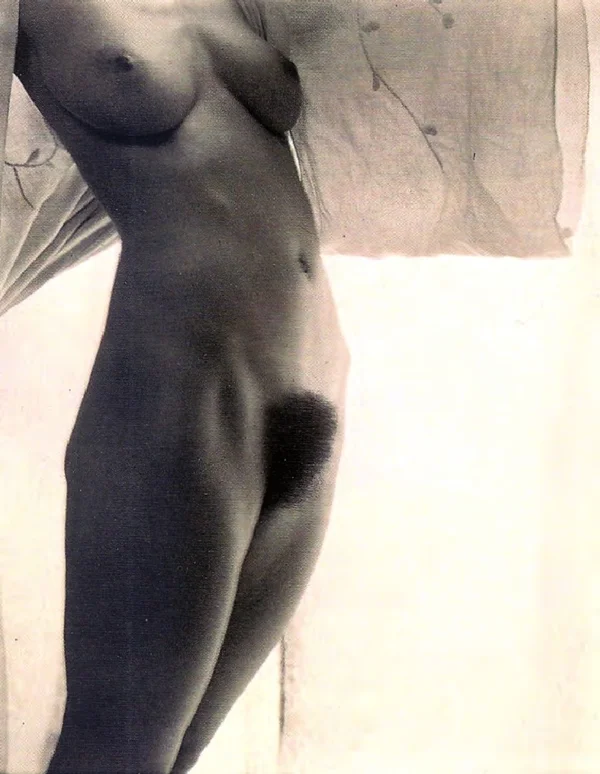
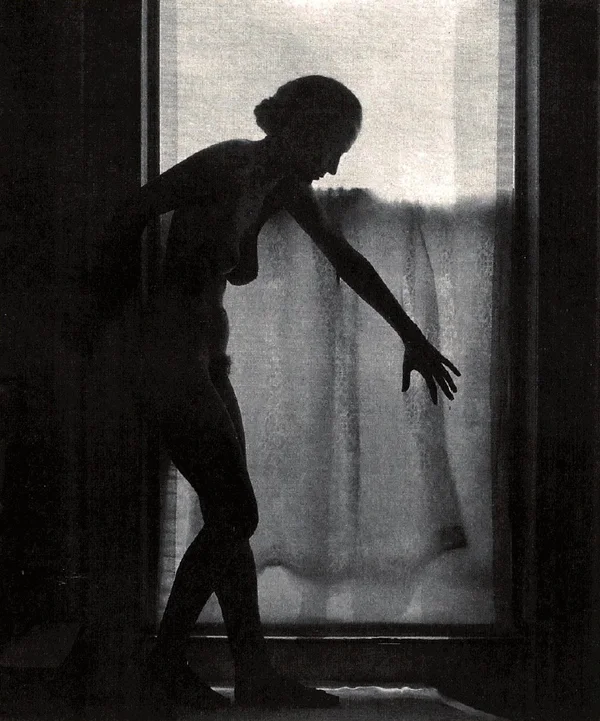
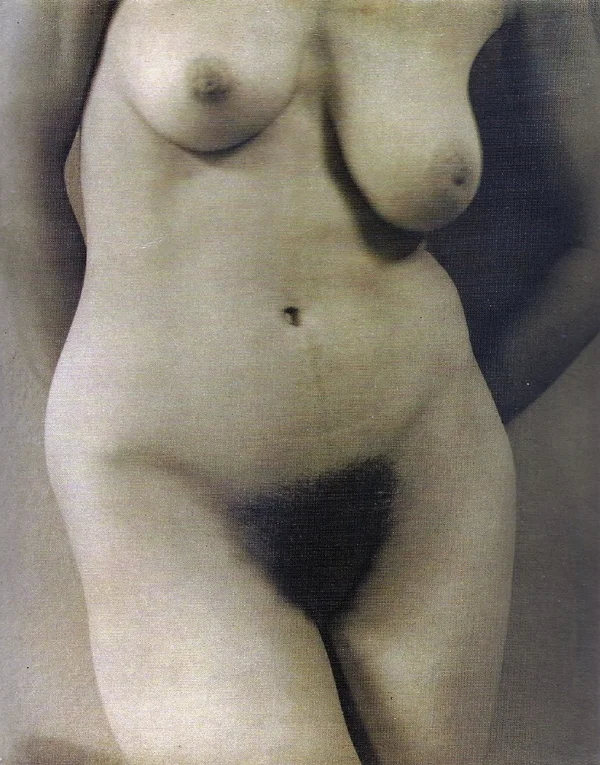
Stieglitz was married to the acclaimed painter Georgia O'Keeffe. He produced an extensive, intimate body of photographic portraits of O'Keeffe, which are now considered among the most celebrated works in American portraiture.
Stieglitz passed away in 1946, leaving an indelible legacy that fundamentally altered the trajectory of both photography and 20th-century Modernism.