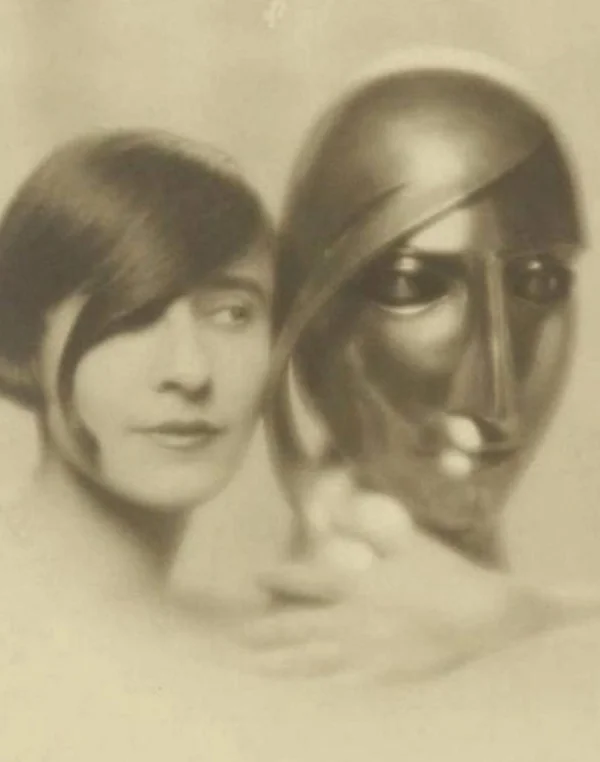
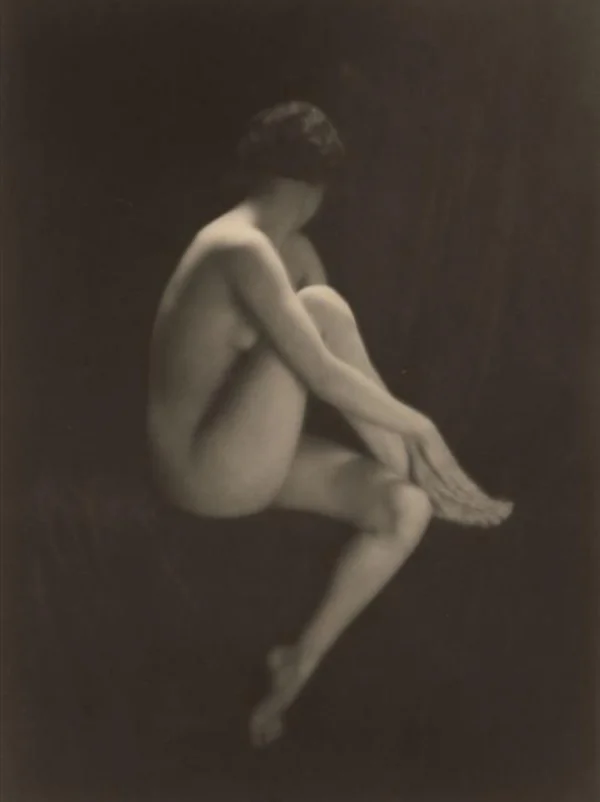
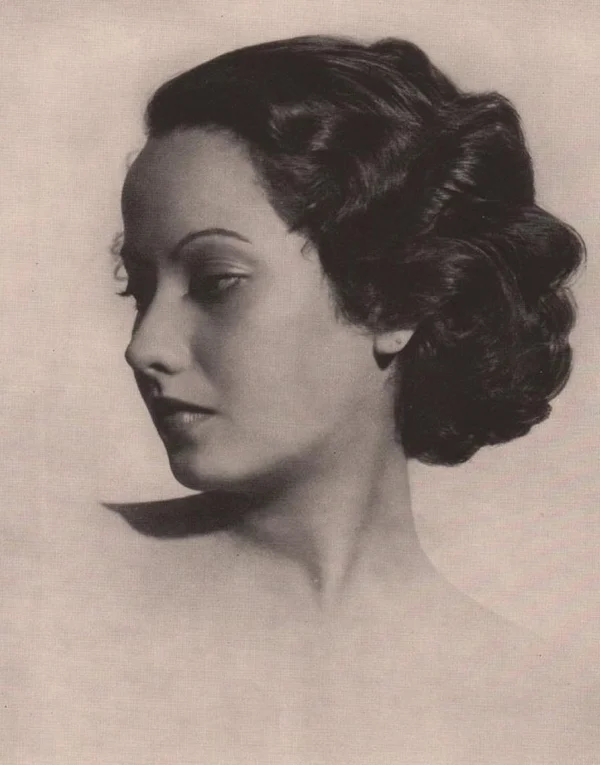
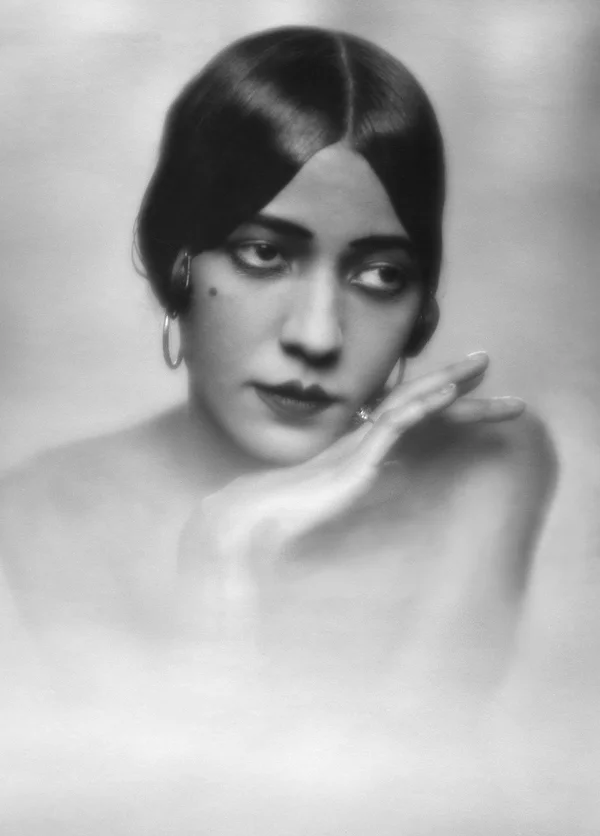
Biography:
The Art of the Cityscape
Bucovich did not simply photograph buildings; he captured the rhythm of urban life. His work is defined by:
- Dynamic Perspective: He famously utilized high-angle and low-angle shots to exaggerate the scale of skyscrapers and the density of street life, transforming static architecture into a pulsating urban organism.
- Documentary Realism: His images are characterized by a clean, sharp-focus aesthetic that rejected Pictorialist softness in favor of the clarity of modern engineering and construction.
- The "Photo-Book" Pioneer: He was one of the first artists to leverage the photographic book as an artistic medium. His iconic studies—such as Berlin and Paris—were meticulously sequenced to guide the viewer through a visual tour of the city.
Legacy and Influence
Bucovich’s legacy is deeply tied to the visual history of the early 20th-century metropolis:
- The Modernist Gaze: His work is frequently studied as a precursor to the "Street Photography" of the mid-20th century, influencing how we document urban social behavior.
- Architectural Documentation: Because of his commitment to technical precision, his books are now primary resources for historians studying the urban morphology of cities like Berlin and Paris before the devastation of WWII.
Mario von Bucovich transformed the city into his primary subject, using the camera to map the energy of the modern world. His ability to distill complex urban environments into concise, evocative frames remains a benchmark for architectural and street photographers today.