Biography:
From Law to Lens
Born in Nîmes, France, Durieu initially established a career in law before serving as the General Inspector for Education and Culture. His transition to photography in 1849 marked a turning point in his life, as he brought a professional, academic rigor to the nascent medium.
The Delacroix Collaboration
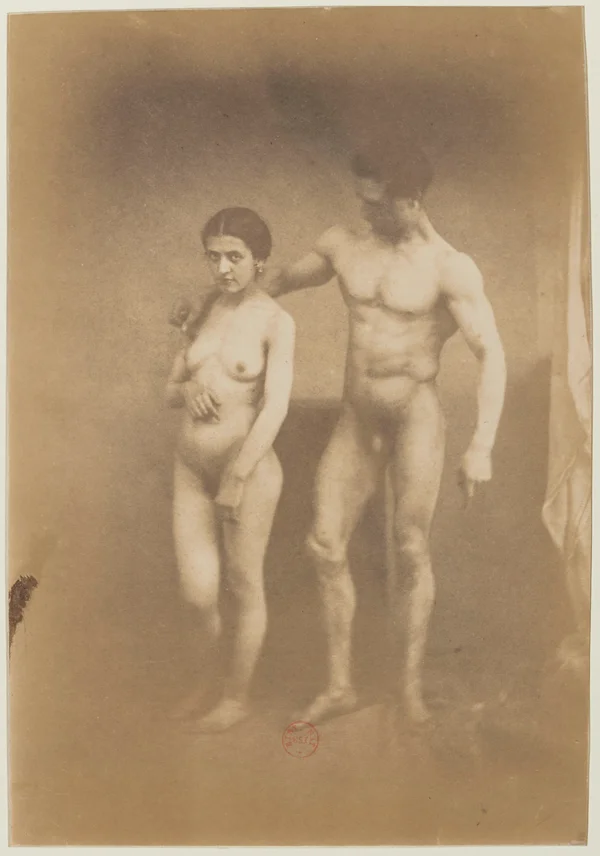
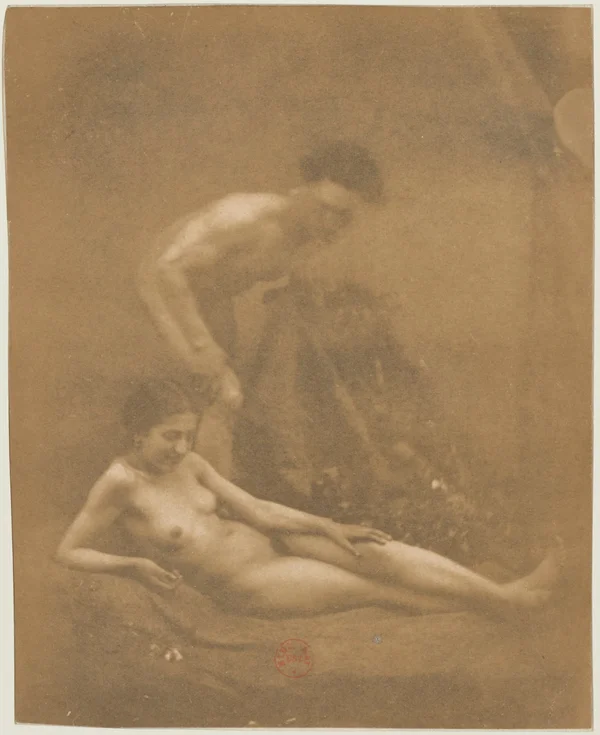
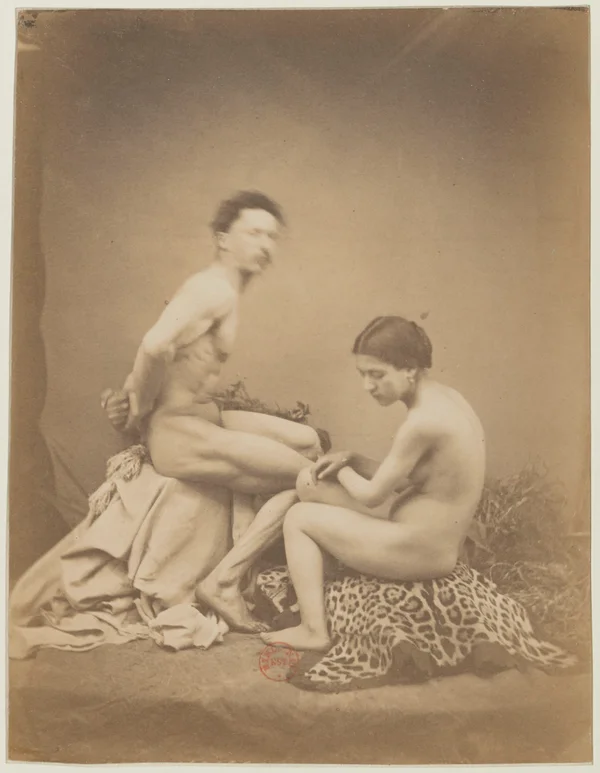
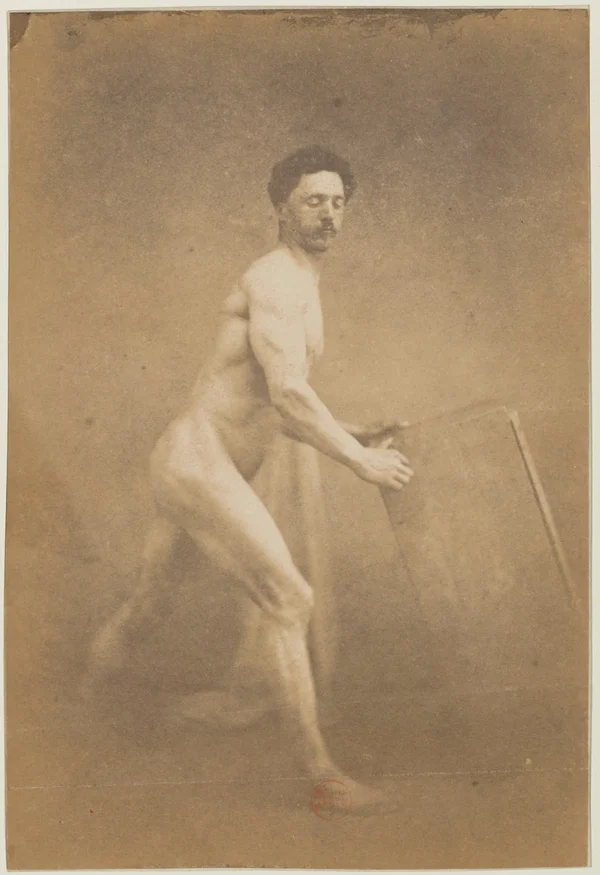
Durieu’s most significant contribution to visual culture was his partnership with the celebrated painter Eugène Delacroix.
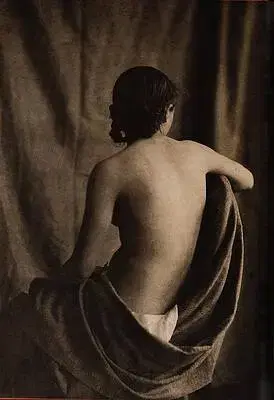
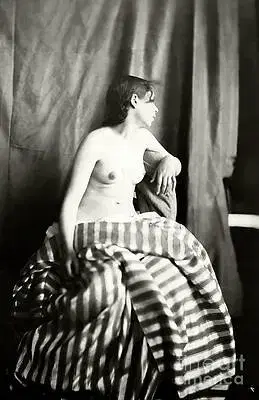
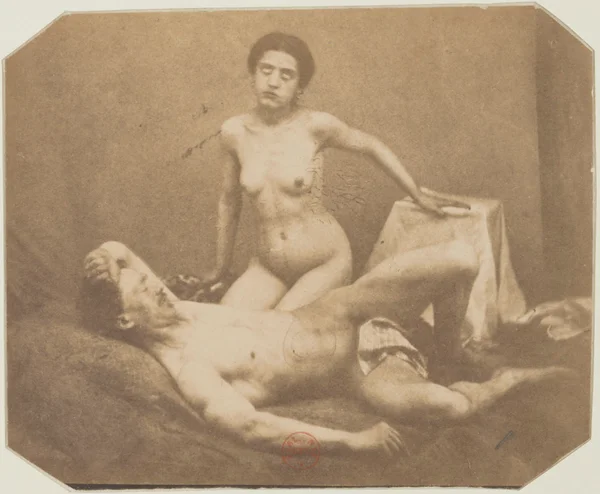
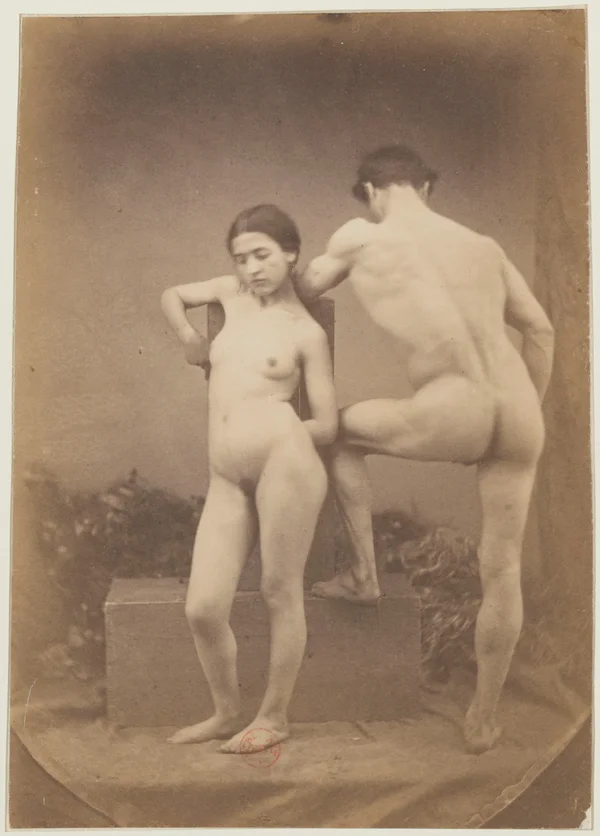
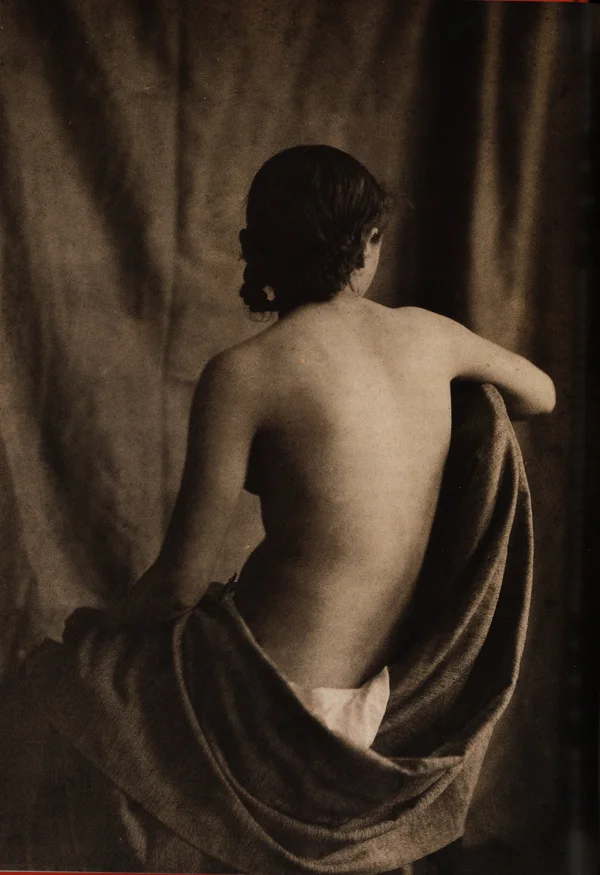
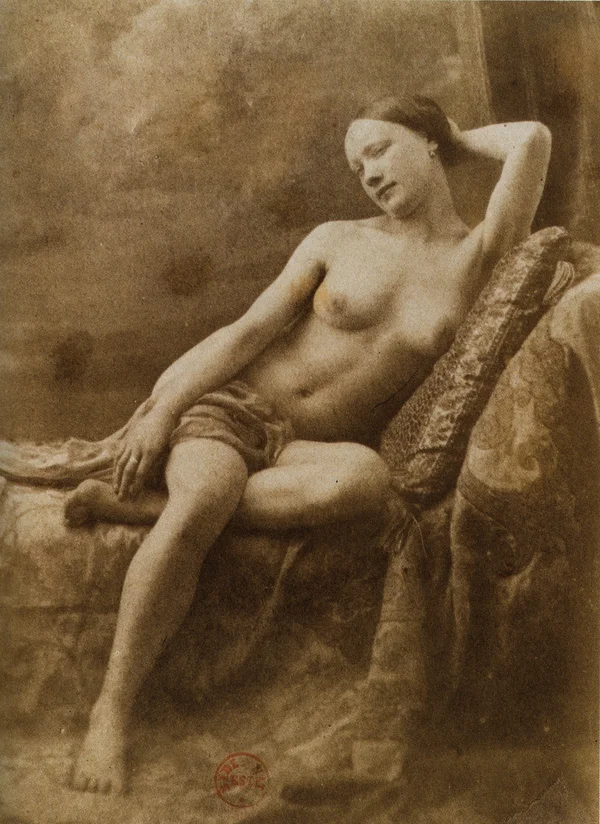
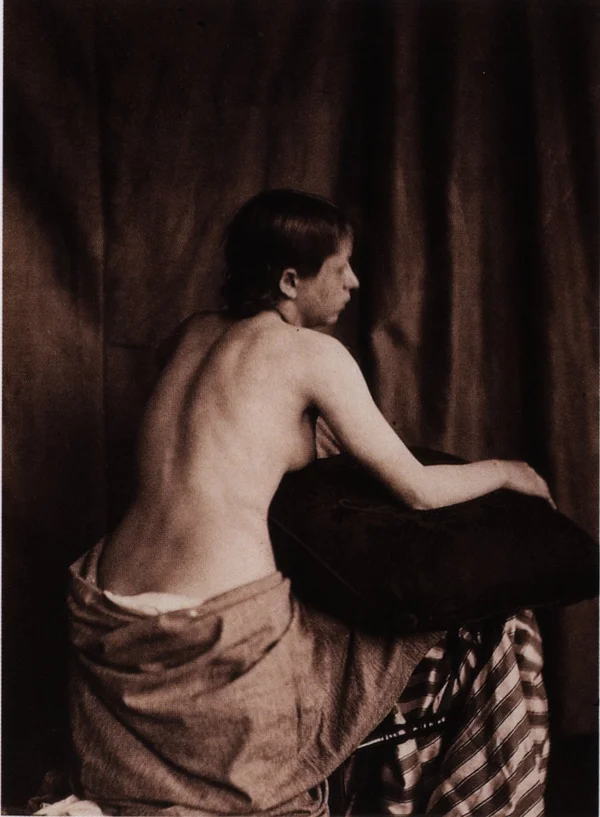
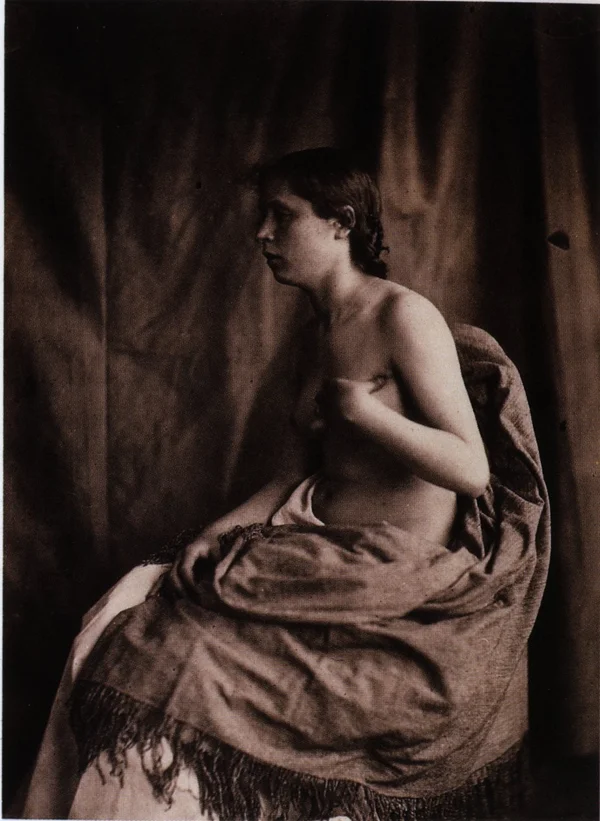
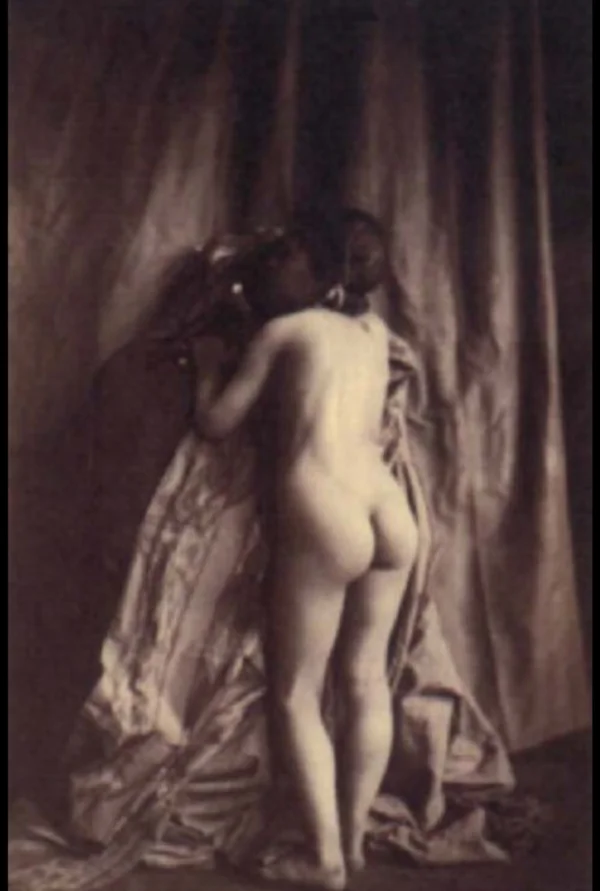
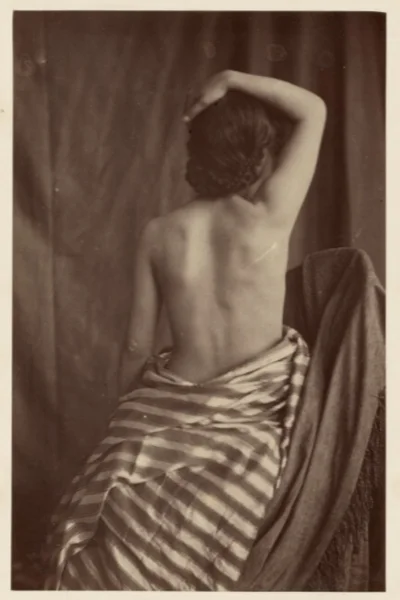
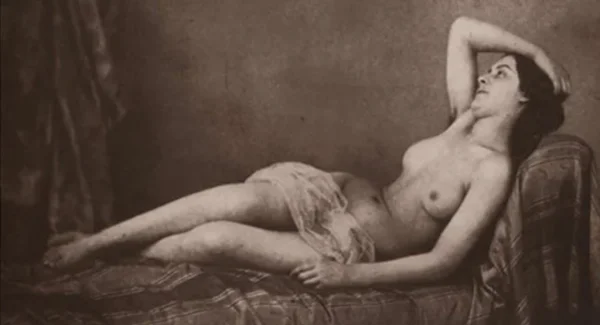
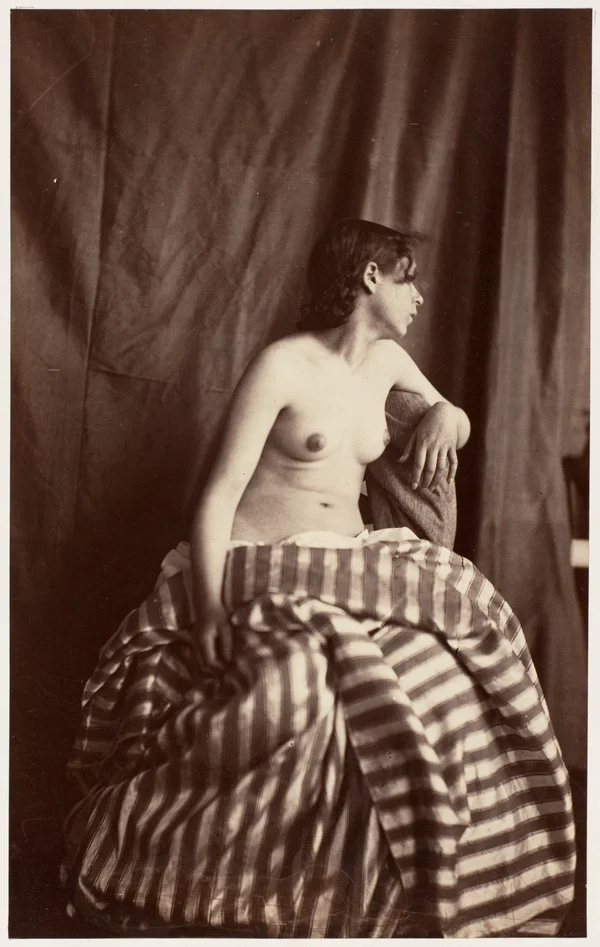
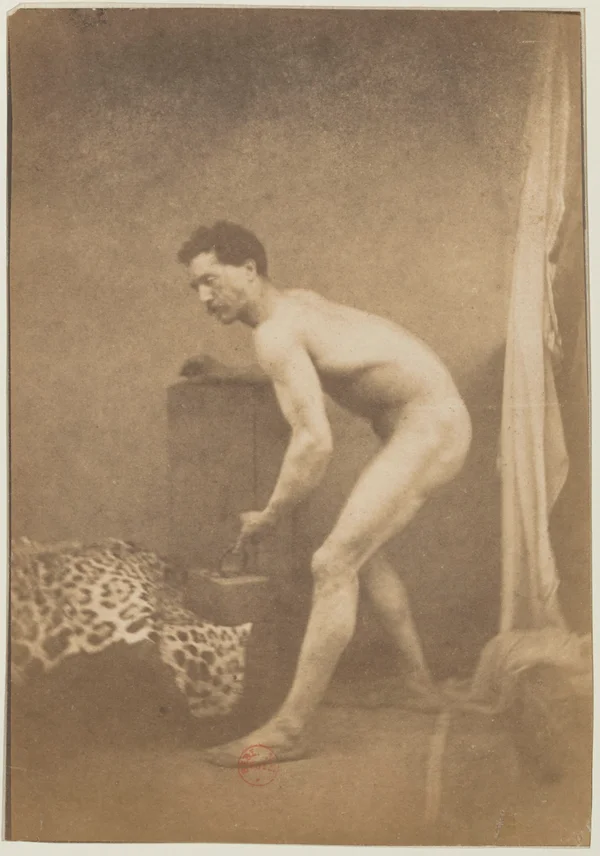
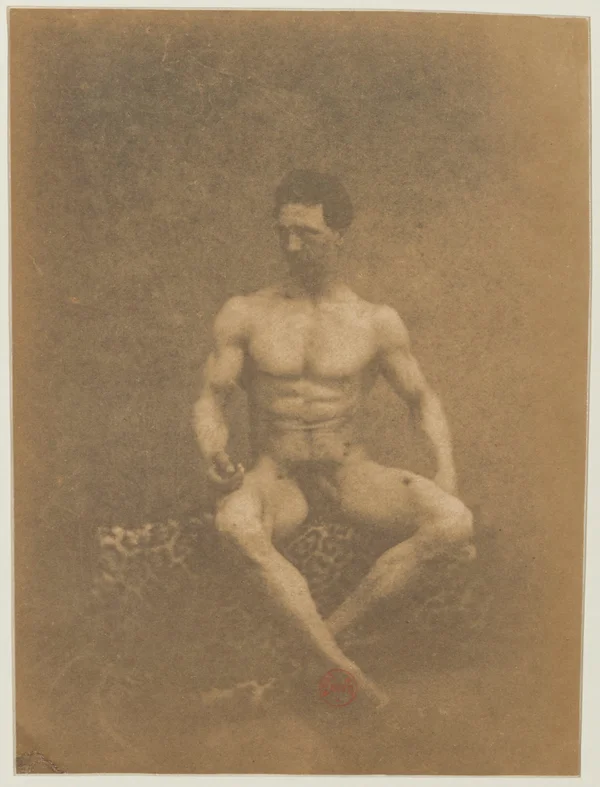
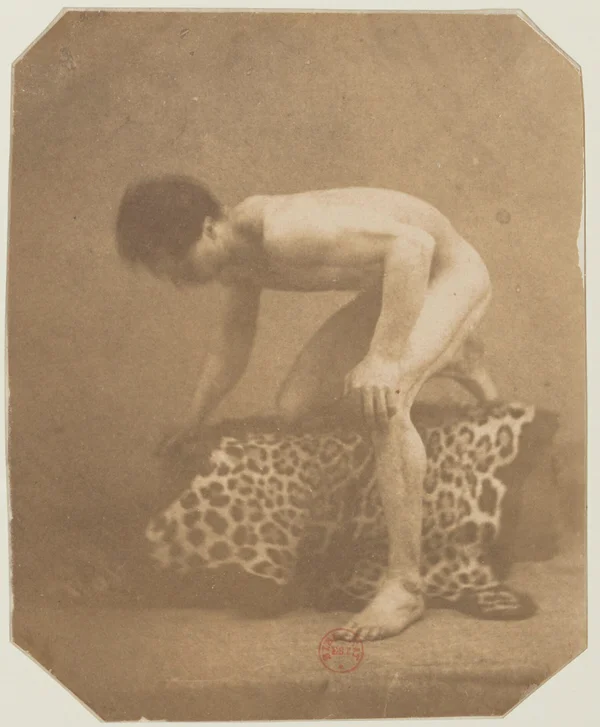
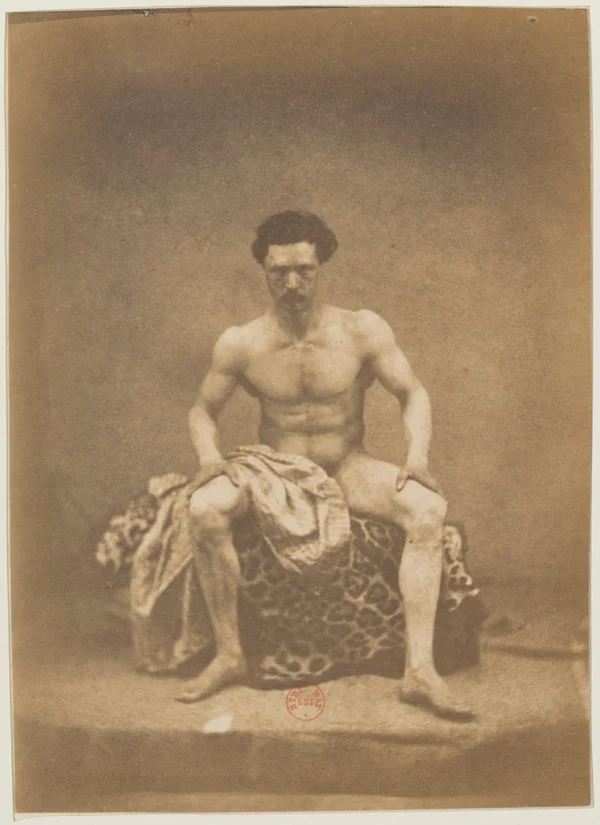
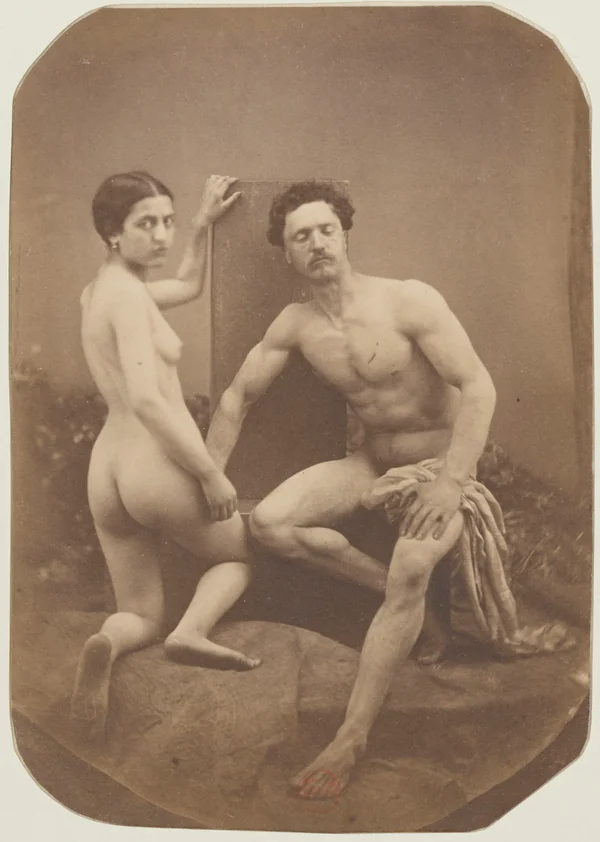
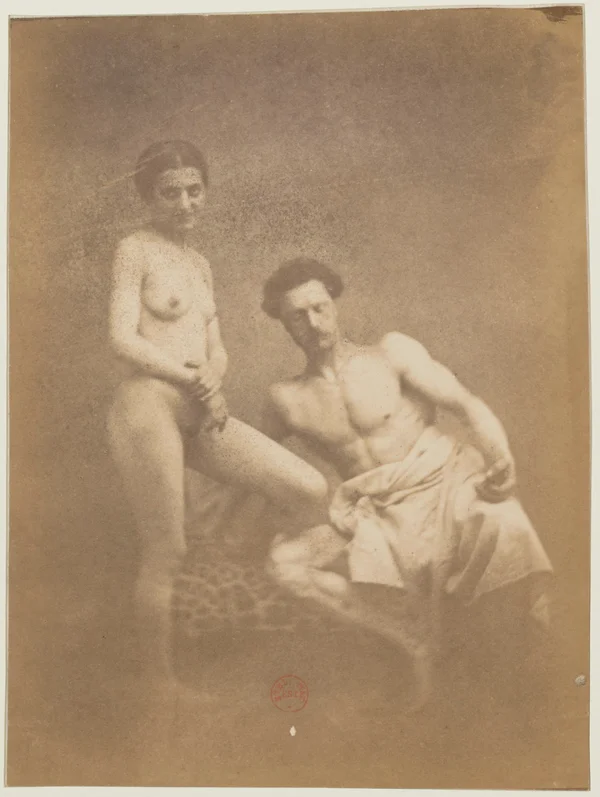
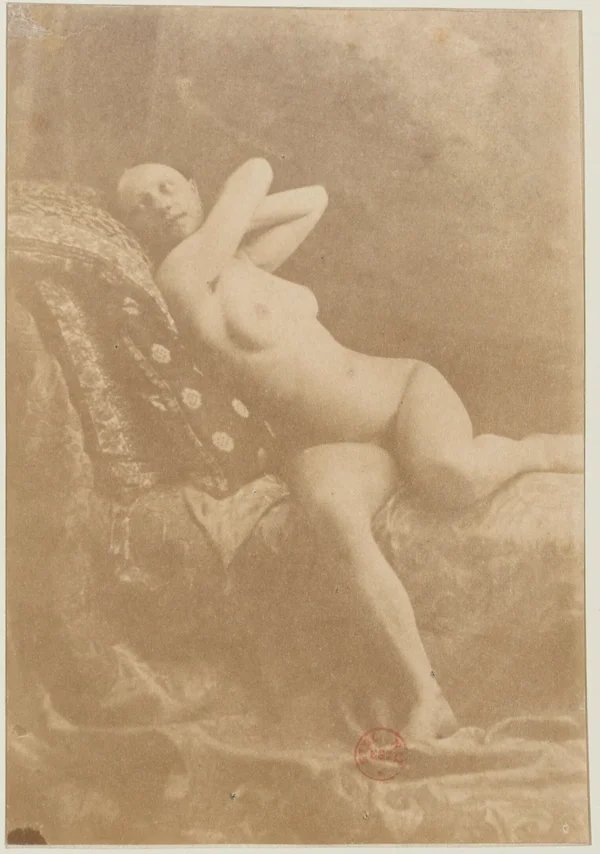
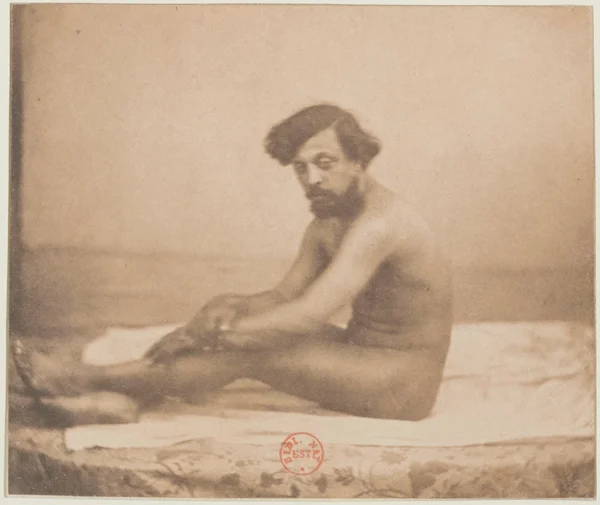
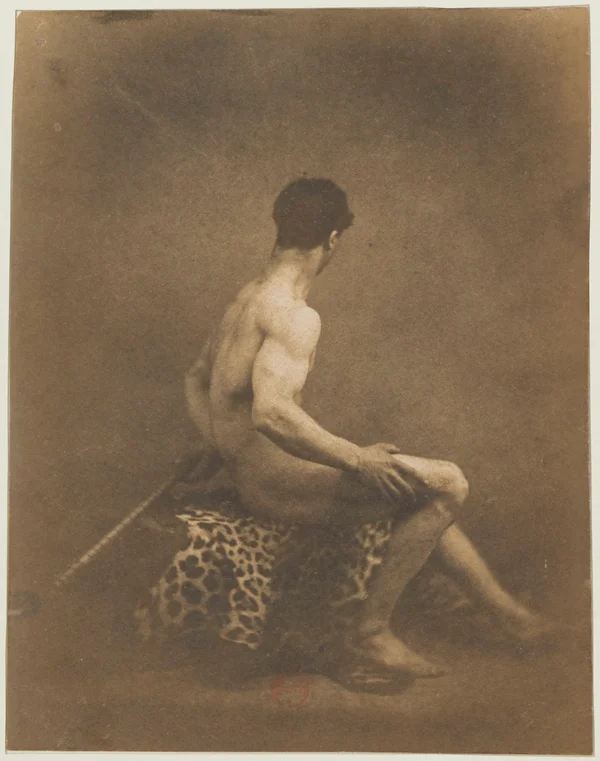
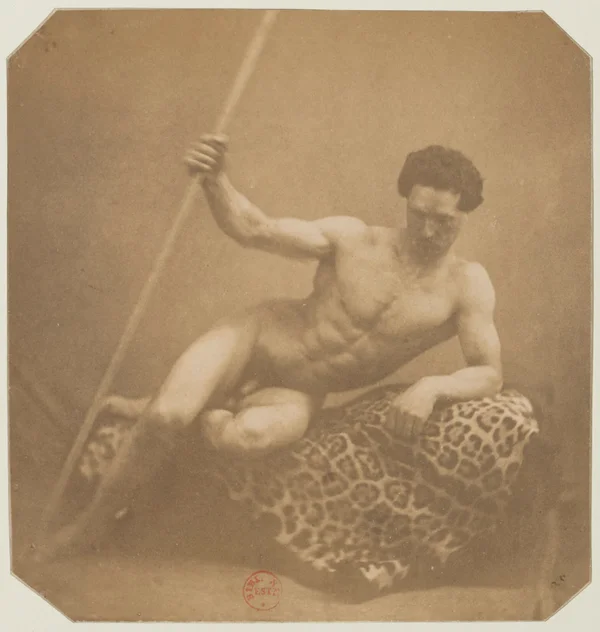
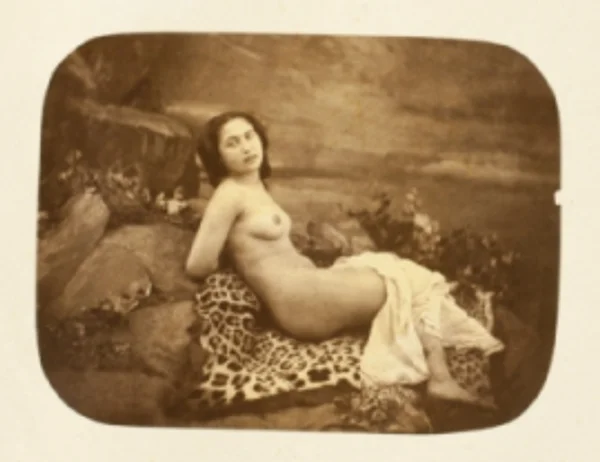
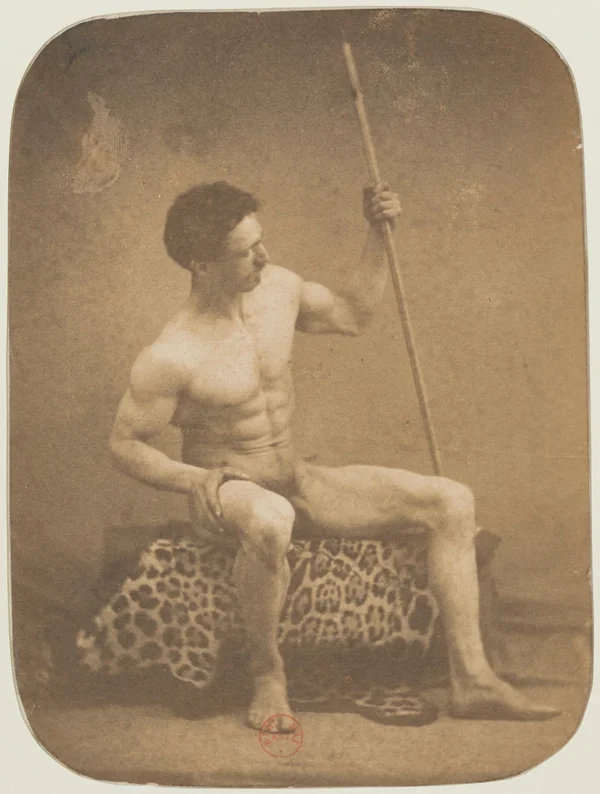
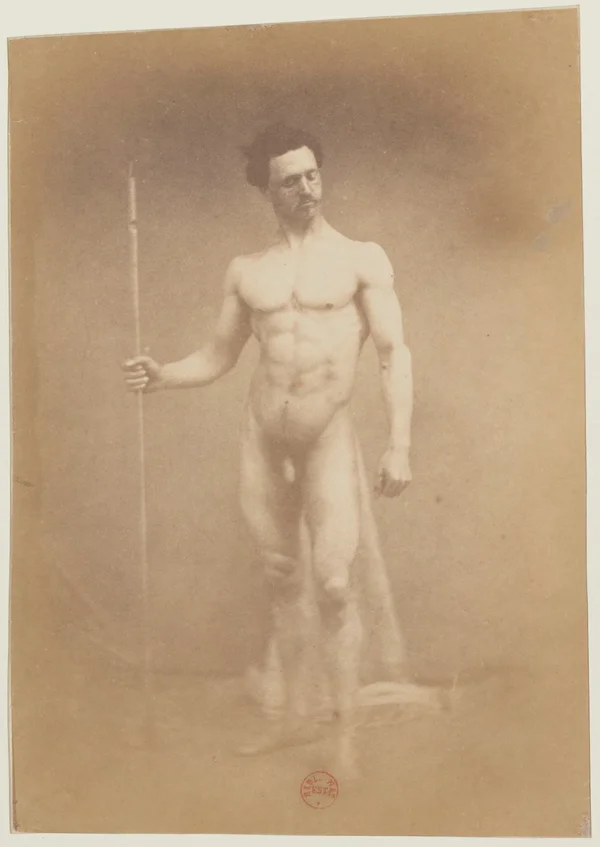
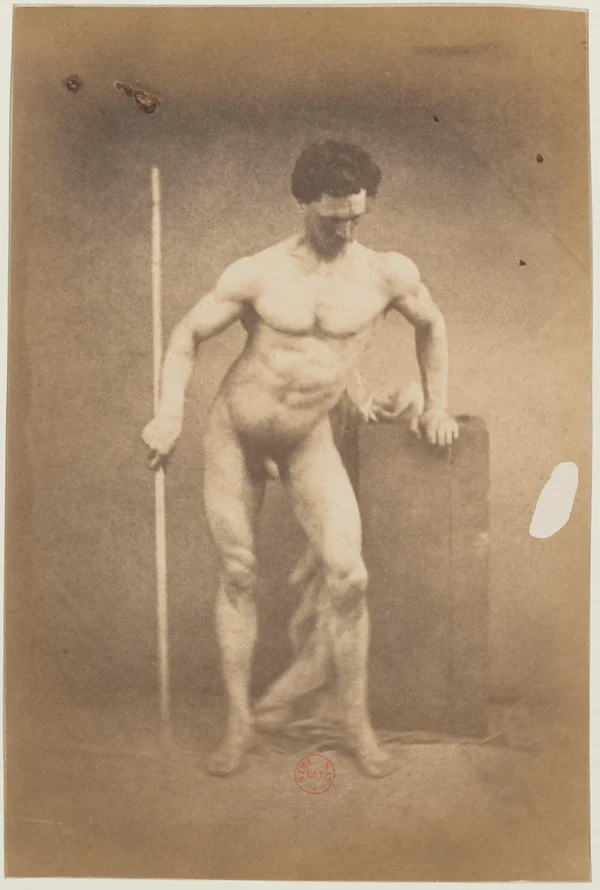
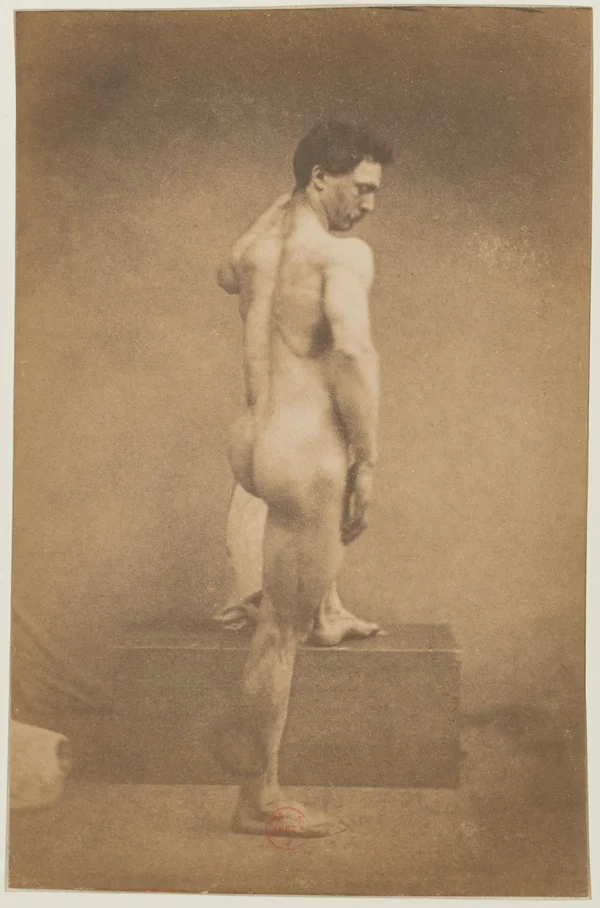
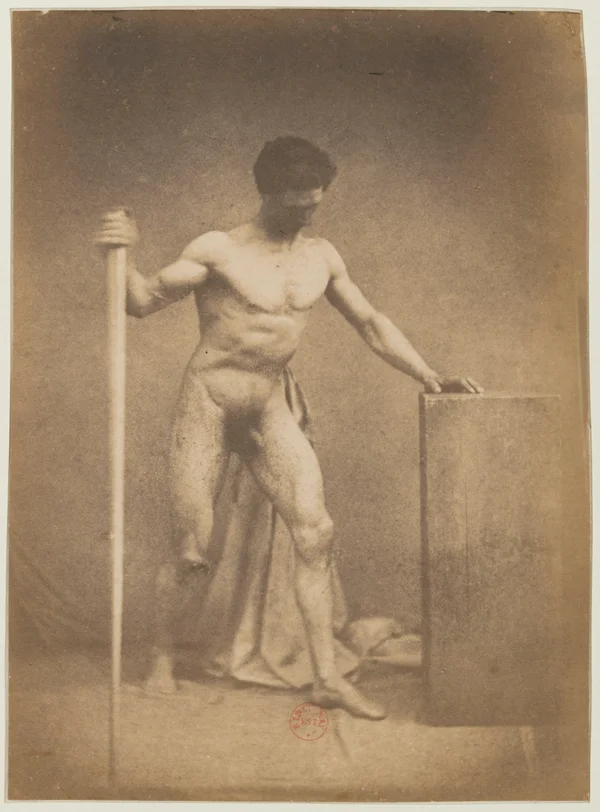
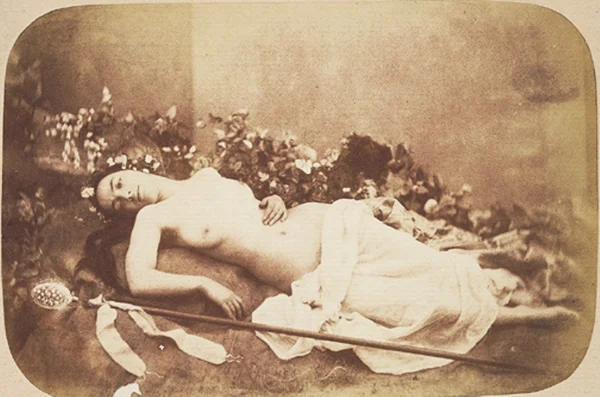
- Studio Studies: Durieu produced a series of carefully posed nude studies specifically designed for Delacroix to use as anatomical references for his paintings.
- Artistic Synergy: This partnership is widely cited in art history as one of the first successful instances where photography was accepted as a legitimate "tool" for the master painter, effectively bridging the gap between traditional fine art and photographic documentation.
Institutional Contributions
Durieu was a driving force behind the professionalization of the medium:
- Société française de photographie (1854): He was a foundational member of this prestigious society, which was instrumental in advancing both the scientific and artistic aspects of photography in France.
- Visual Studies: His work went beyond mere portraiture, experimenting with lighting and body posture to study the human form in a way that resonated with contemporary anatomical theories.
Though his later years were marked by financial hardship and exile in Switzerland, Durieu’s legacy remains secure. His vision helped elevate the camera to its status as an extension of the artist’s sketchbook, firmly embedding it as a pillar of modern visual arts.